What happens to discounts when you switch auto insurance in California?
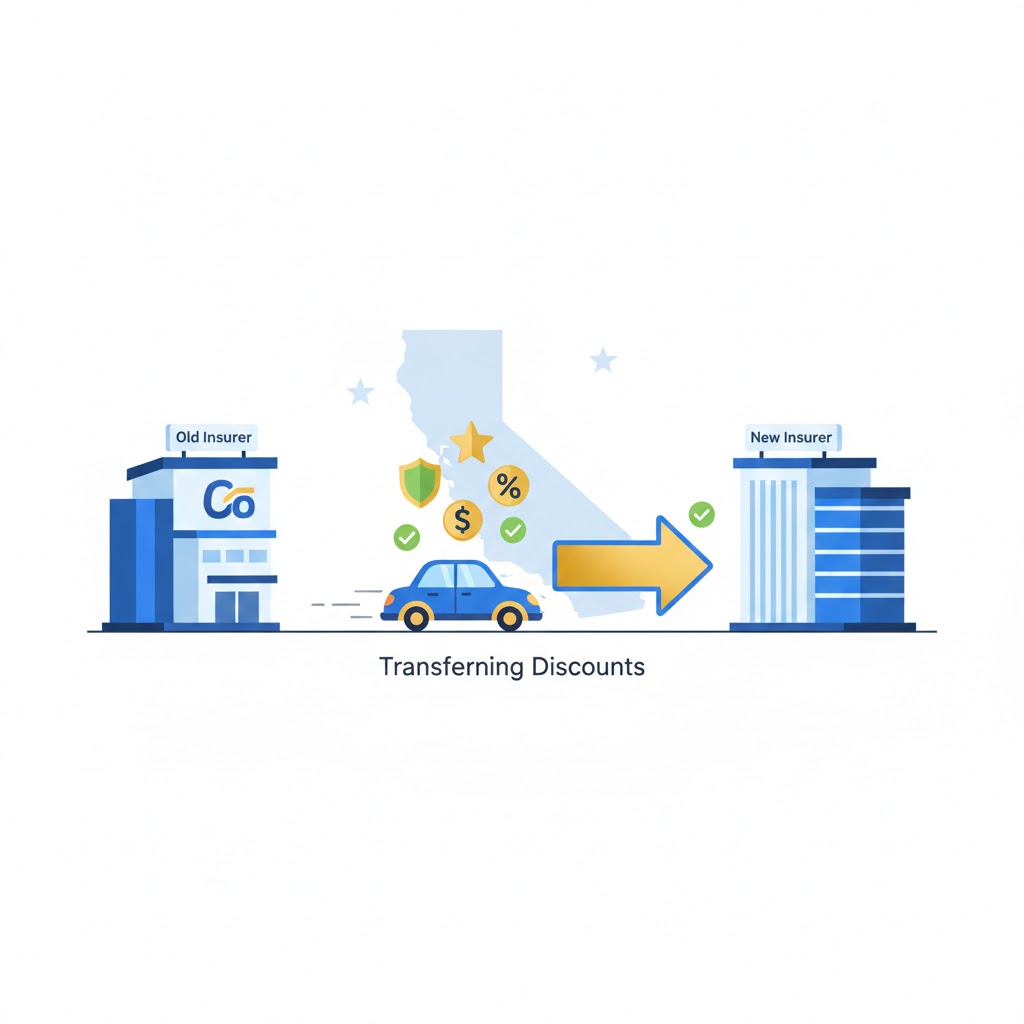
One of the biggest concerns drivers have when switching auto insurance providers is the fate of their discounts. Many fear that changing insurers will cause them to lose hard-earned savings such as safe driver discounts, low mileage pricing, or long-term loyalty benefits. In California, this concern is understandable but often misplaced.
California’s auto insurance system is governed by strict regulations that protect consumers and standardize how certain discounts are applied. While some discounts are insurer-specific, others are portable, mandatory, or behavior-based, meaning they should follow the driver, not the company.
This article explains what actually happens to your discounts when you switch auto insurance in California, which discounts transfer automatically, which do not, how to verify correct application, and how to avoid common (and costly) mistakes. It is written for drivers who want to switch insurers confidently and for automotive insurance niche websites building deep, evergreen content.
Why discount confusion is common when switching
Discount confusion arises because not all discounts are created equal.
Some discounts are:
- Required by California law
- Based on objective driving behavior
- Standardized across insurers
Others are:
- Optional
- Marketing-driven
- Tied to company-specific programs
When drivers switch insurers without understanding this distinction, they may assume all discounts disappear or that all discounts automatically transfer. Neither assumption is fully correct.
Mandatory discounts that follow you when you switch
California law requires insurers to apply certain discounts when drivers qualify. These discounts do not belong to the insurer they belong to the driver.
The good driver discount
The most important example is the Good Driver Discount.
Key facts:
- Required by California law
- Worth at least 20 percent
- Based on driving record, not insurer loyalty
If you qualify, every California insurer must offer this discount, regardless of whether you are a new or returning customer.
When switching:
- The discount does not reset
- You do not lose eligibility
- You may need to verify qualification
Failure to apply this discount correctly is one of the most common quote errors in California.
Discounts that are recalculated, not lost
Some discounts are not “lost” when switching—they are simply recalculated based on updated information.
Low mileage pricing
Low mileage discounts are based on:
- Annual mileage estimates
- Driving patterns
- Vehicle usage
When switching insurers:
- Mileage is reassessed at policy inception
- Previous mileage assumptions do not automatically carry over
This is often beneficial. Drivers who reduced mileage but were not re-rated by their old insurer may see immediate savings after switching.
Vehicle safety and anti-theft discounts
Safety-related discounts depend on:
- Vehicle features
- VIN decoding
- Optional equipment
When switching:
- Insurers re-evaluate safety features
- Discounts may increase, decrease, or remain the same
Drivers should ensure all safety features are disclosed accurately during quoting.
Discounts that do not transfer automatically
Some discounts are company-specific and do not follow you when switching.
Loyalty discounts
Loyalty discounts reward:
- Long-term policy tenure
- Continuous coverage with the same insurer
When you switch:
- Loyalty discounts reset
- However, California loyalty discounts are usually modest
In many cases, switching produces more savings than the loyalty discount ever provided.
Accident forgiveness programs
Accident forgiveness is not mandated in California.
Key points:
- Rules vary by insurer
- Forgiveness status does not transfer
- New insurers may still rate prior accidents
Drivers should compare how different insurers treat past claims rather than relying on forgiveness marketing.
Student and senior discounts after switching
Student discounts
Student discounts depend on:
- Academic status
- Enrollment verification
- GPA requirements
When switching:
- Documentation must be resubmitted
- Eligibility does not carry automatically
- Discounts are often reinstated once verified
Parents should proactively provide proof to avoid delays.
Senior discounts
Senior discounts may include:
- Age-based pricing adjustments
- Defensive driving course discounts
These typically remain available after switching but often require:
- Course completion proof
- Reverification
Usage-based and telematics discounts
Telematics programs are not transferable.
When switching:
- Participation ends with the old insurer
- Driving data does not follow you
- New enrollment is required
However, switching can be an opportunity to:
- Join a different telematics program
- Compare scoring methods
- Reset participation incentives
Multi-policy discounts when switching
Bundling discounts depend on how many policies you hold with a single insurer.
When switching auto insurance:
- Bundling may be lost if other policies stay behind
- New bundling opportunities may appear
Drivers switching auto insurance alone should compare:
- Standalone auto pricing
- Full bundle pricing
Sometimes moving multiple policies produces the greatest savings.
How switching can actually increase discounts
Switching insurers often reveals discounts that were never applied correctly.
Common scenarios:
- Good Driver Discount missing
- Mileage overestimated
- Safety features ignored
- Student status outdated
Because California insurers reassess risk at binding, switching acts as a pricing reset, correcting past errors.
Discount timing: Why it matters
Discount eligibility is often tied to specific timing windows.
Examples:
- Violations aging off after three years
- Mileage reductions after lifestyle changes
- Course completion within discount periods
Switching immediately after eligibility improves ensures discounts apply from day one.
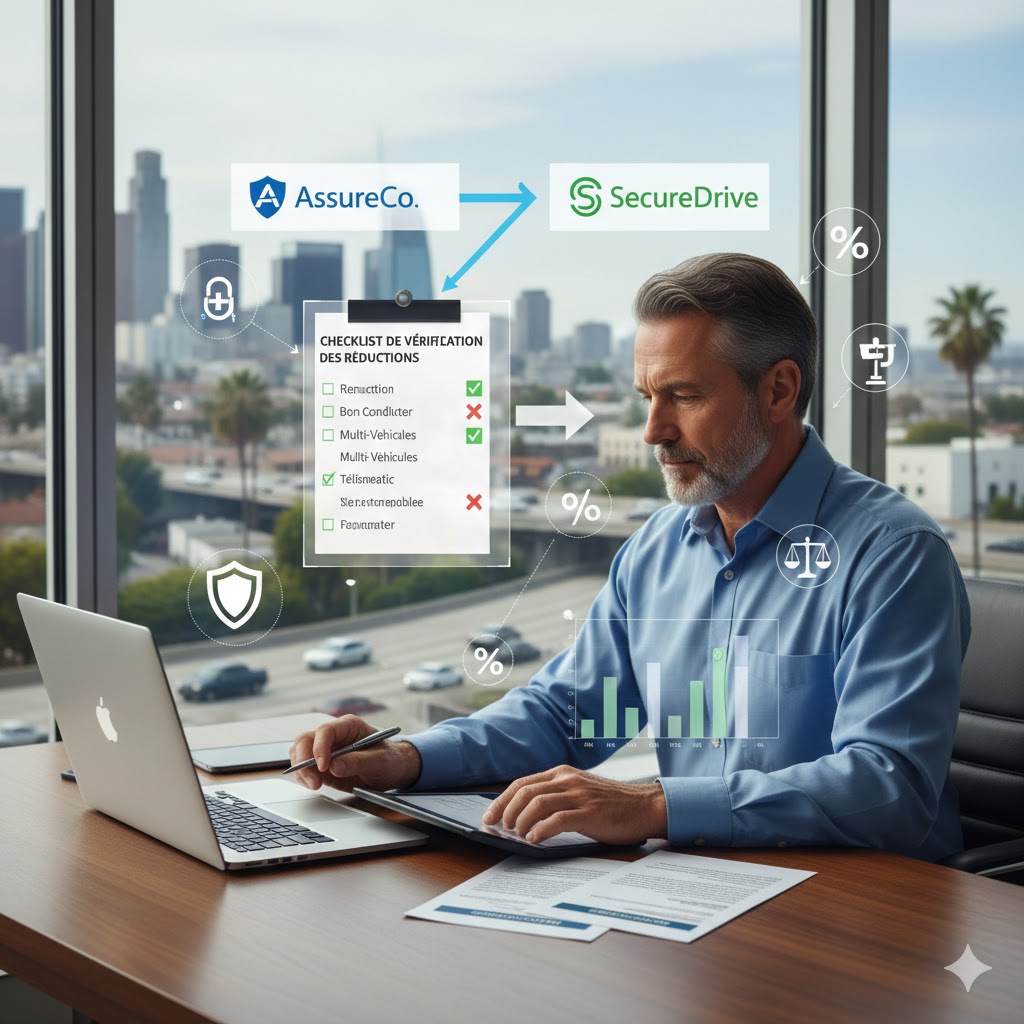
How to verify discounts when switching
Drivers should never assume discounts are applied correctly.
Best practices
- Request a written discount breakdown
- Compare declarations pages line by line
- Confirm Good Driver Discount explicitly
- Verify mileage tier placement
- Save documentation
Verification protects savings long after the switch is complete.
Common discount-related mistakes when switching
- Assuming loyalty discounts outweigh competitive pricing
- Forgetting to resubmit student documentation
- Accepting default mileage estimates
- Not confirming mandatory discounts
- Focusing only on first-year price
These mistakes can quietly erase expected savings.
Discounts and quote comparison
Discount accuracy is a core part of proper quote comparison.
Proper comparison ensures:
- No coverage gaps
- Accurate pricing
- Maximum discount application
- Long-term satisfaction
This is why discount verification is foundational to a successful insurance switch, not an afterthought.
Switching auto insurance in California does not mean starting over. Mandatory discounts like the Good Driver Discount follow you by law, behavior-based discounts are recalculated fairly, and insurer-specific perks are often replaced by better pricing elsewhere.
Drivers who understand which discounts transfer, which require verification, and which are replaced by stronger alternatives can switch insurers with confidence. In California’s regulated insurance market, discount awareness is the difference between a simple switch and a truly successful one.