Used Car Inspection Checklist 2026: What to Check Before You Buy
A clear inspection checklist helps you avoid buying a used car with hidden problems. Even if you later pay a mechanic for a full pre‑purchase inspection, doing your own checks first can save time and protect you from obvious lemons.
1. Exterior and body
Start with a slow walk around the car in good daylight.
Check for:
- Mismatched paint, uneven gaps between panels, overspray or ripples that may indicate accident repairs.
- Rust on wheel arches, door sills, underbody and around windshield or trunk; deep rust is a major red flag.
- Dents, scratches and hail damage that could affect value or insurance.
- Cracks or chips in the windshield and lights; test all exterior lights and indicators.
2. Tires, brakes and suspension
Tires and suspension can reveal how the car has been driven and maintained.
Look for:
- Even tire tread wear and matching brands/size; uneven wear can signal alignment or suspension issues.
- Adequate tread depth on all four tires and the spare.
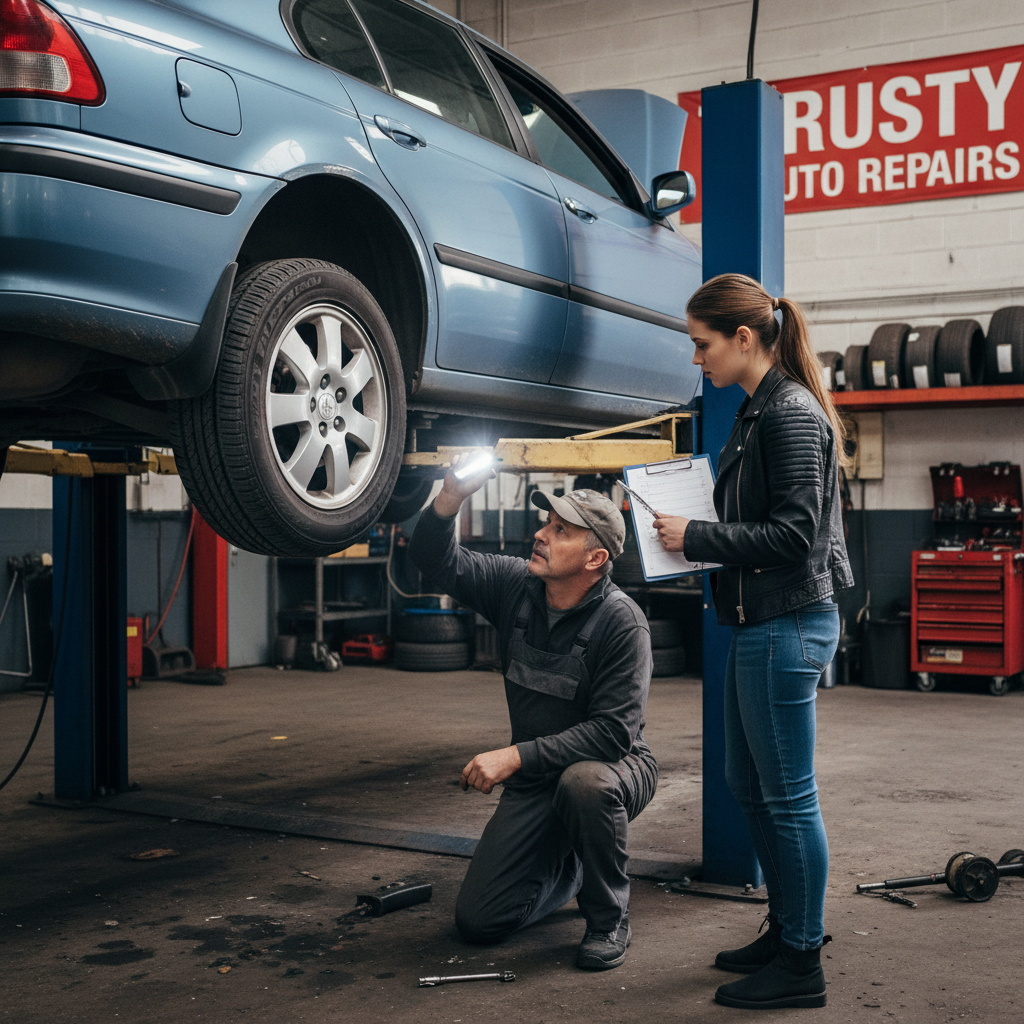
- No obvious fluid leaks under the car (oil, coolant, transmission, power steering).
- No loud clunks or knocks from suspension over bumps during the test drive.
Read more : Best used cars to buy in USA 2026
3. Interior, electronics and safety features
The interior should match the car’s age and mileage, and all equipment should work.
Check:
- Seats, carpets and headliner for stains, tears, sagging or signs of water damage.
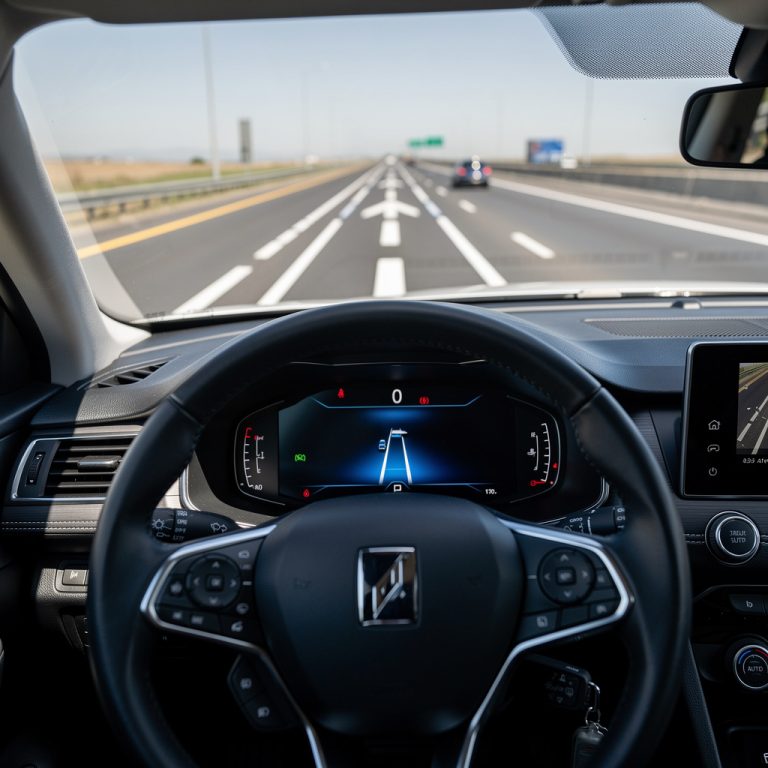
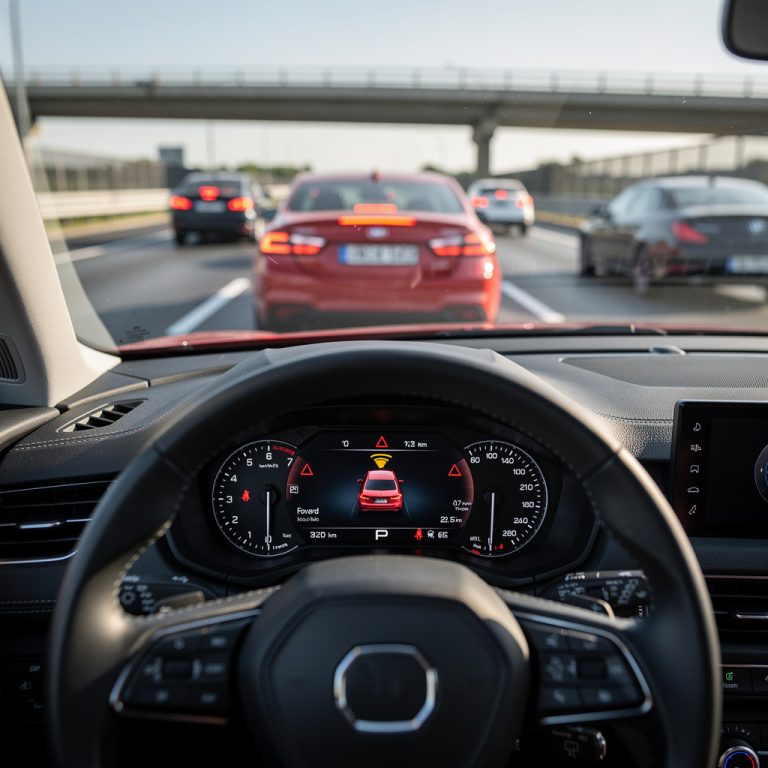
- Dashboard for warning lights that stay on after startup (airbag, ABS, check engine).
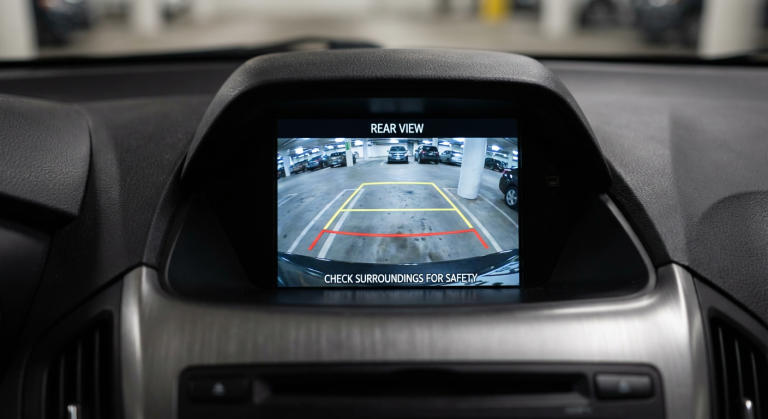
- All controls: windows, locks, mirrors, lights, wipers, climate control, infotainment, parking sensors and cameras.
- Seatbelts and visible airbags for proper function and no obvious tampering.
Unusual odors like strong mold or smoke smells can indicate leaks, flood damage or poor maintenance.
4. Engine bay and fluids
You do not need to be a mechanic to spot some obvious engine issues.
Inspect:
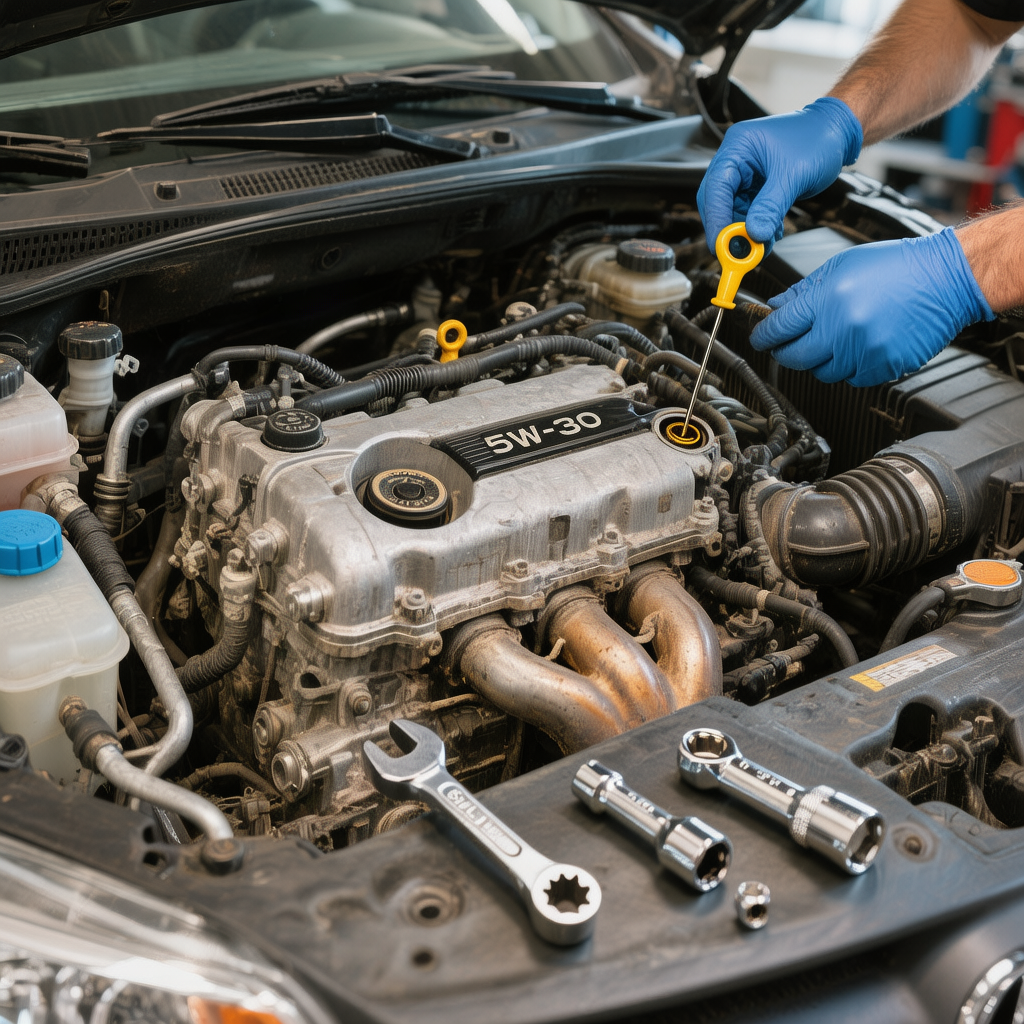
- Under the hood for oil, coolant or other fluid leaks; excessive dirt and sludge can signal neglect.
- Engine oil level and condition (not milky or full of metal flakes).
- Coolant level and color (not rusty, oily or very low).
- Belts and hoses for cracks, fraying or excessive wear.
- Battery terminals for corrosion and signs of age.
Listen for unusual knocking, ticking or grinding noises on cold start and during the test drive.
5. Test drive and final checks
A proper test drive is essential before any used car purchase.
On the drive, pay attention to:
- Engine performance (smooth acceleration, no hesitation or misfires).
- Transmission behavior (smooth shifts, no slipping or harsh engagement).
- Steering feel (no wandering, pulling or vibration at highway speeds).
- Braking (straight stops, no vibration or grinding noises).
Afterward, review the vehicle history report, compare what you saw with the seller’s claims, and if the car passes your checks, schedule a full pre‑purchase inspection with a trusted mechanic for extra assurance.
Read more : Buying used car from dealer