Usage-based car insurance in California: telematics, privacy protections, and real savings
Usage-based car insurance has become one of the most talked-about developments in the auto insurance industry over the past decade. Promoted as a fairer, data-driven alternative to traditional pricing, usage-based insurance programs promise to reward drivers based on how, when, and how much they drive rather than relying solely on generalized risk models.
In California, usage-based insurance takes on a unique role. California’s strict insurance regulations limit the use of many traditional pricing factors such as credit score, income level, and demographic profiling. As a result, telematics-based programs have emerged as a way for insurers to refine risk assessment while still operating within the boundaries of state law.
This article provides a comprehensive, practical, and legally grounded explanation of usage-based car insurance in California. It explains how telematics programs work, what data is collected, how privacy is protected, how discounts are calculated, who benefits most, and when these programs may not be the right choice. For drivers considering telematics-based insurance, understanding these details is essential to making an informed decision.
What is usage-based car insurance?
Usage-based car insurance (UBI) is a pricing model that uses real-world driving data to determine insurance discounts. Instead of relying solely on estimated risk factors, insurers collect data directly from a vehicle or smartphone app to evaluate driving behavior.
The key concept is simple:
Drivers who demonstrate safer driving habits and lower risk exposure may qualify for lower insurance premiums.
Unlike traditional policies, usage-based insurance programs do not replace standard underwriting. Instead, they function as discount programs layered on top of an existing policy.
Why usage-based insurance is important in California
California’s regulatory framework makes usage-based insurance particularly relevant.
Regulatory constraints
Under California law:
- Credit scores cannot be used for pricing
- Gender-based pricing is restricted
- Income and education are prohibited factors
- Certain geographic pricing practices are limited
Because of these restrictions, insurers must rely more heavily on driving behavior and exposure metrics. Telematics data provides a lawful and measurable way to differentiate risk among drivers with otherwise similar profiles.

Consumer protection focus
California law emphasizes:
- Transparency
- Voluntary participation
- Limits on how data can be used
This ensures that usage-based insurance programs in California operate differently than in less regulated states.
How telematics programs work
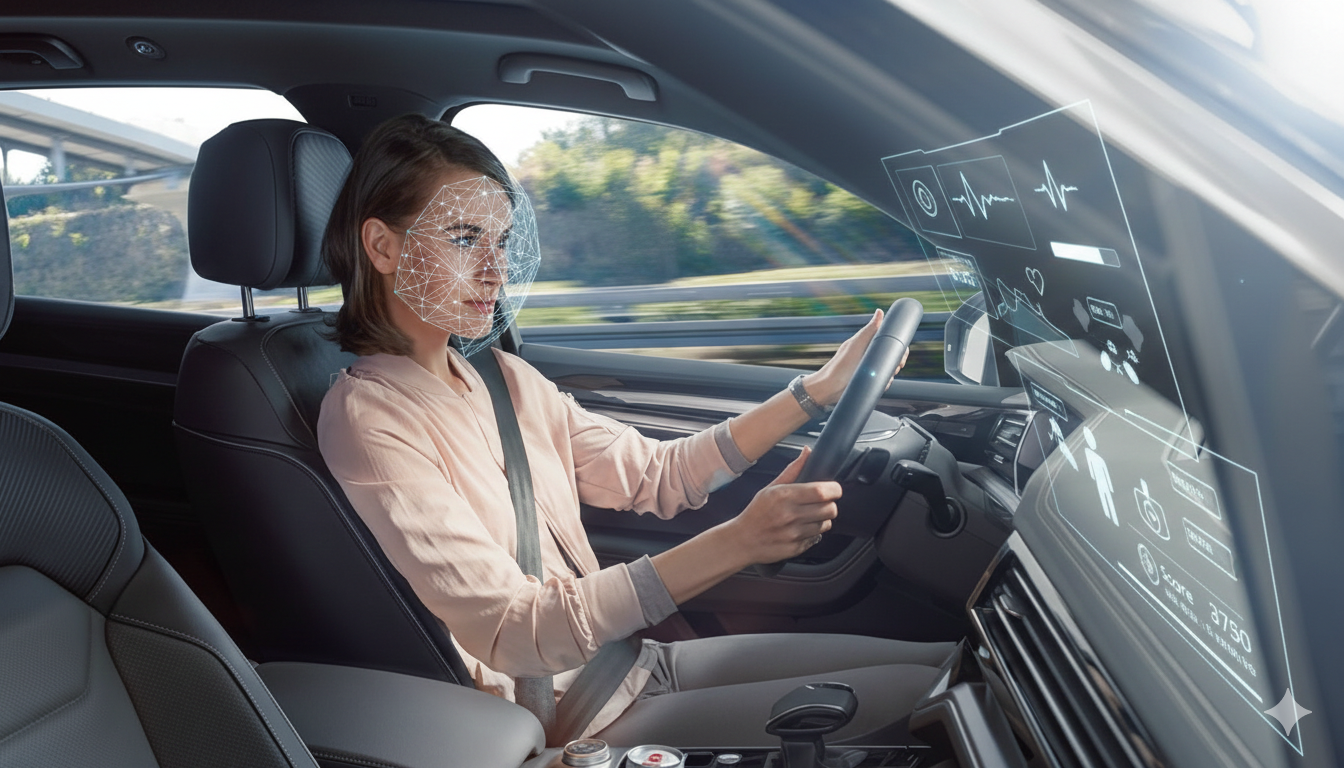
Usage-based insurance programs rely on technology to collect driving data. The method varies by insurer, but the underlying process is similar.
Data collection methods
- Mobile Applications
Smartphone apps use GPS and motion sensors to track driving behavior. - Plug-In Devices
Small devices connected to a vehicle’s onboard diagnostic port collect driving data. - Built-In Vehicle Systems
Some newer vehicles transmit driving data directly through manufacturer systems.
Drivers enroll voluntarily and typically agree to a monitoring period, which may last several weeks or months.
What driving data is collected
Insurers focus on behaviors statistically linked to accident risk rather than personal information.
Commonly tracked factors
- Hard braking events
- Rapid acceleration
- Speed consistency
- Time of day the vehicle is driven
- Total mileage driven
What is not tracked
In California, insurers generally do not use:
- Audio or video recordings
- Phone usage content
- Personal communications
- Non-driving app activity
Data collection is limited to driving-related metrics necessary for risk evaluation.
How discounts are calculated
Usage-based insurance programs in California typically offer discounts based on scoring models.
Scoring process
- Driving data is analyzed over a defined monitoring period
- Drivers receive a performance score
- Discounts are applied based on score thresholds
Discount ranges
- Initial participation discounts may range from 5 to 10 percent
- Strong performance over time may increase discounts to 20 percent or more
Discounts vary by insurer, policy type, and driving behavior consistency.
Legal protections for California drivers
California provides stronger protections for telematics participants than many other states.
Voluntary participation
Drivers cannot be forced to enroll in usage-based insurance programs. Enrollment must be voluntary and clearly disclosed.
No penalty rule
One of the most important protections is that insurers cannot raise premiums solely based on telematics data. Poor driving scores may result in smaller discounts, but they cannot legally be used to increase rates beyond the standard policy pricing.
Data use restrictions
Insurers must disclose:
- What data is collected
- How it is used
- How long it is retained
Drivers may withdraw from programs without losing standard coverage.
Privacy considerations and data security
Privacy is a major concern for drivers considering telematics programs.
Data ownership and access
In most cases:
- Insurers own the collected driving data
- Data is used only for underwriting and discount purposes
- Third-party sharing is restricted
Drivers should review privacy disclosures carefully before enrolling.
Data retention policies
Retention periods vary but typically range from several months to a few years. California regulations require insurers to limit retention to reasonable business purposes.
Who benefits most from usage-based insurance?
Usage-based insurance is not ideal for every driver.
High-benefit profiles
- Consistent, cautious drivers
- Drivers with predictable routines
- Low-mileage drivers
- Drivers who avoid late-night driving
- Suburban or rural drivers with steady traffic patterns
These drivers tend to score well and qualify for meaningful discounts.
Drivers who may benefit less
Certain driving patterns may reduce the effectiveness of telematics programs.
Lower-benefit profiles
- Drivers with unpredictable schedules
- Urban drivers frequently navigating congested traffic
- Drivers required to drive during late-night hours
- Drivers with aggressive acceleration patterns
While these drivers may still qualify for participation discounts, long-term savings may be limited.
Usage-based insurance vs. low mileage discounts
These two concepts are often confused but serve different purposes.
Key differences
Low mileage pricing:
- Focuses on total miles driven annually
- Does not track driving behavior
- Requires periodic verification
Usage-based insurance:
- Focuses on how the vehicle is driven
- Tracks real-time behavior
- Provides ongoing performance feedback
Drivers can qualify for both simultaneously, but they operate independently.
Impact on claims and fault determination
Some drivers worry that telematics data could be used against them in claims.
Claims use limitations
In California:
- Telematics data is generally used for underwriting and discount purposes
- It is not automatically used to assign fault
- Insurers must follow established claims investigation procedures
However, drivers should assume that data may be reviewed if a dispute arises.
Behavioral changes encouraged by telematics
One indirect benefit of usage-based insurance is improved driving behavior.
Common improvements
- Smoother braking
- Reduced speeding
- Increased awareness of driving habits
- Avoidance of high-risk driving times
These changes can reduce accident risk and indirectly protect long-term insurance pricing.
Long-term savings potential
Usage-based insurance is best evaluated over multiple policy periods.
Example scenarios
- A driver earning a 15 percent discount on a $2,000 annual premium saves $300 per year
- Over five years, this results in $1,500 in savings
- Combined with other discounts, savings may exceed 30 percent
Consistency is key to maximizing long-term benefits.
Common myths about usage-based insurance
Myth 1: Insurers can raise rates using telematics data
False in California. Data can only reduce or maintain rates.
Myth 2: All driving is constantly monitored
False. Monitoring is limited to specific driving metrics.
Myth 3: Urban drivers cannot benefit
False. Some urban drivers still qualify for discounts with smooth driving habits.
Myth 4: Telematics replaces traditional insurance
False. It supplements standard underwriting.
How to decide if usage-based insurance is right for you
Drivers should consider:
- Daily driving patterns
- Comfort with data sharing
- Willingness to adjust driving habits
- Existing discount eligibility
Requesting program details in writing before enrolling is strongly recommended.
Best practices for maximizing discounts
- Drive smoothly and predictably
- Avoid hard braking and rapid acceleration
- Limit late-night driving when possible
- Maintain consistent routines
- Monitor app feedback regularly
Usage-based car insurance in California represents a significant shift toward behavior-based pricing in a highly regulated market. Supported by strong consumer protections and privacy rules, telematics programs offer real savings opportunities for drivers willing to participate and drive consistently.
While not ideal for every driver, usage-based insurance can deliver meaningful, long term premium reductions when combined with other California-approved discounts. For informed drivers seeking to optimize insurance costs without sacrificing coverage, telematics-based programs are a powerful option worth serious consideration.