
The ultimate Guide to Auto insurance in the united States

Auto insurance in the United States is not only a legal requirement but also a crucial financial safeguard. Every day, millions of drivers rely on auto insurance to protect themselves, their vehicles, their passengers, and other people on the road. Whether you are a first‑time driver, a new resident, or someone reviewing an existing policy, understanding how auto insurance works is essential.
At first, auto insurance may seem complicated. Policies include unfamiliar terms, coverage limits, deductibles, and optional protections that can confuse many drivers. However, once the fundamentals are clear, choosing and managing auto insurance becomes much easier. This guide explains everything you need to know about auto insurance in the United States, from legal requirements and coverage types to pricing factors and smart decision‑making.
Why auto insurance is important

Auto insurance exists to protect drivers from the financial consequences of accidents and unexpected events. Even a minor collision can lead to costly vehicle repairs, medical expenses, and legal claims. Without insurance, these costs must be paid out of pocket and can quickly become overwhelming.
In most states, auto insurance is mandatory because it ensures that drivers can take financial responsibility for the damage they cause. This system protects accident victims from being left without compensation and helps maintain fairness on the road.
Beyond legal obligations, auto insurance provides peace of mind. Knowing that you are protected allows you to drive with confidence, understanding that financial support is available when things go wrong.
Auto insurance laws in the United States
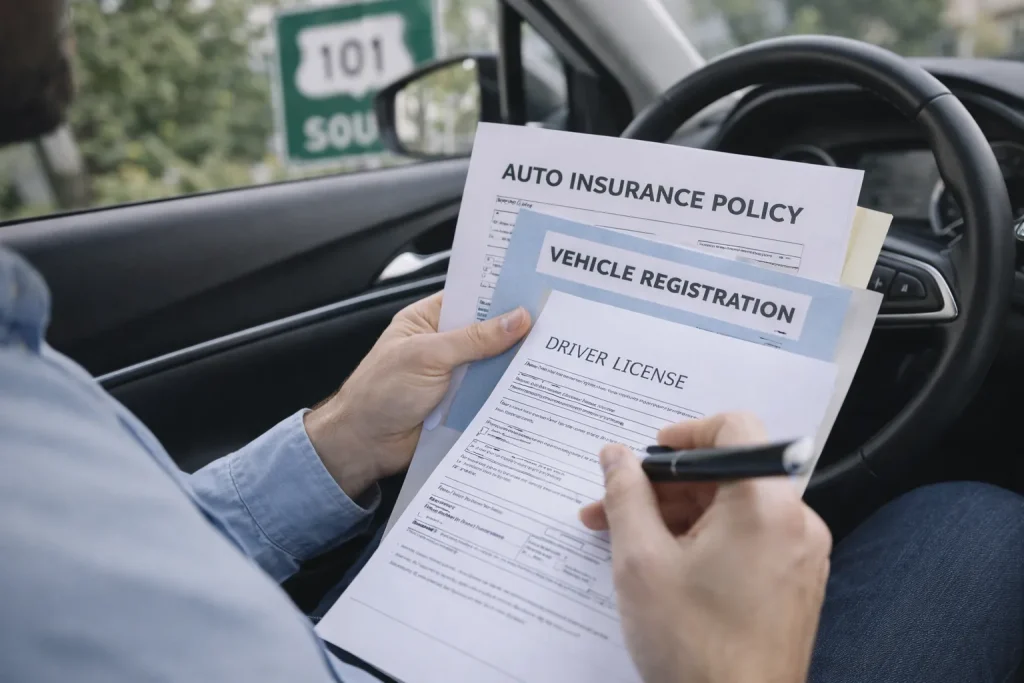
Auto insurance regulations are determined at the state level, which means requirements vary depending on where you live. While the details differ, most states share common coverage expectations.
Liability insurance requirements
Liability insurance is required in almost every state. It covers injuries and property damage that you cause to others in an accident. Liability coverage is usually divided into two parts:
- Bodily injury liability, which pays for medical expenses, lost wages, legal fees, and sometimes funeral costs if someone is injured or killed
- Property damage liability, which covers repairs or replacement of vehicles, buildings, or other property you damage
State‑mandated minimum limits are often low. Many drivers choose higher limits to better protect their assets and reduce personal financial risk.
No‑fault insurance and personal injury protection
Some states operate under no‑fault insurance laws. In these states, drivers are required to carry personal injury protection (PIP). PIP pays for medical expenses and related costs for you and your passengers regardless of who caused the accident.
Uninsured and underinsured motorist laws
Certain states require uninsured or underinsured motorist coverage. This protects you if you are hit by a driver who has no insurance or insufficient coverage to pay for damages and injuries.
Because laws vary by state, understanding your local requirements is essential before purchasing a policy.
Types of auto insurance coverage
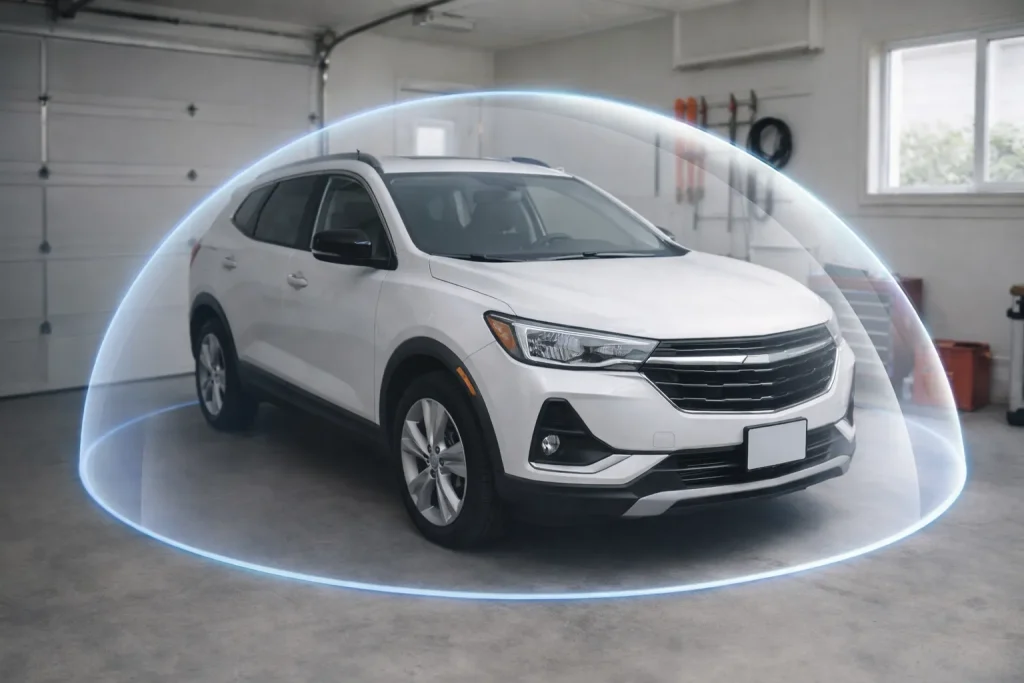
Beyond legal minimums, drivers can customize their auto insurance policies with additional coverage options that provide stronger protection.
Liability coverage
Liability coverage forms the foundation of any auto insurance policy. It protects you financially if you are responsible for an accident. However, it does not cover your own injuries or vehicle damage.
Collision coverage
Collision coverage pays for repairs or replacement of your vehicle after an accident, regardless of fault. This coverage is especially important for newer or higher‑value vehicles and is often required by lenders for financed or leased cars.
Comprehensive coverage
Comprehensive coverage protects your vehicle from non‑collision events such as theft, vandalism, fire, flooding, hail, falling objects, and animal damage. Drivers living in areas with extreme weather or high theft rates often benefit from this coverage.
Uninsured and underinsured motorist coverage
This coverage helps pay for injuries and damages if you are involved in an accident with a driver who lacks sufficient insurance. It can cover medical bills, lost income, and sometimes vehicle repairs.
Personal injury protection
Personal injury protection covers medical expenses, rehabilitation, lost wages, and essential services following an accident. Coverage details depend on state laws and policy terms.
Medical payments coverage
Medical payments coverage, often called MedPay, helps pay medical expenses for injuries sustained in a car accident regardless of fault. It is optional in most states and usually provides more limited benefits than PIP.
How auto insurance works after an accident

When an accident occurs, the insurance claims process begins. Drivers involved in an accident should ensure everyone’s safety first, then document the scene and exchange information.
A claim is filed with the insurance company, which investigates the incident, determines fault if applicable, and evaluates damages. The insurer then pays covered expenses according to the policy’s limits and terms.
Deductibles apply to certain coverages such as collision and comprehensive insurance. A deductible is the amount you pay out of pocket before insurance coverage begins. Policy limits determine the maximum amount the insurer will pay for a claim.
Understanding these elements before an accident helps prevent confusion during stressful situations.
How much auto insurance coverage do you need?

The right amount of auto insurance coverage depends on your personal circumstances. While state minimums meet legal requirements, they may not provide sufficient protection in serious accidents.
Drivers with savings, property, or higher incomes should consider carrying higher liability limits to protect their assets. Medical bills and legal claims can easily exceed minimum coverage amounts.
Collision and comprehensive coverage are usually recommended for newer vehicles or cars with significant market value. Older vehicles with low resale value may not justify full coverage.
Your driving habits, commute length, and location also influence how much coverage you need. High‑traffic areas and frequent driving increase accident risk.
Factors that affect auto insurance premiums

Auto insurance companies calculate premiums based on risk. Several factors influence how much you pay.
Driving history
Drivers with clean records typically pay lower premiums. Accidents, speeding tickets, and violations increase risk and insurance costs.
Age and experience
Younger and less experienced drivers generally pay higher premiums due to increased accident risk.
Vehicle type
Cars with strong safety ratings, lower repair costs, and good theft deterrence are cheaper to insure. Sports cars and luxury vehicles usually cost more.
Location
Urban areas with dense traffic and higher crime rates often lead to higher premiums compared to rural locations.
Credit history
In many states, insurers use credit‑based insurance scores. Drivers with stronger credit histories often receive lower rates.
Coverage choices
Higher coverage limits and lower deductibles increase premiums, while higher deductibles can reduce monthly costs.
Understanding deductibles
A deductible is the amount you agree to pay before your insurance coverage applies. For example, with a $1,000 deductible, you pay the first $1,000 of repair costs, and the insurer covers the rest.
Higher deductibles generally lower premiums but increase out‑of‑pocket expenses after a claim. Choosing the right deductible depends on your financial comfort and risk tolerance.
Choosing the right auto insurance company

Selecting an insurance provider is just as important as choosing coverage.
Financial stability
An insurer’s financial strength reflects its ability to pay claims. Well‑established companies with strong financial ratings provide greater reliability.
Customer service and claims handling
Fast, fair claims processing can make a major difference after an accident. Customer reviews and satisfaction ratings can offer insight into service quality.
Coverage options and flexibility
Choose a company that offers coverage options and limits that match your needs, along with useful add‑ons.
Price transparency
The cheapest policy is not always the best. Comparing quotes carefully ensures you understand what is covered and what is not.
How to save money on auto insurance

Drivers can reduce insurance costs without sacrificing protection by using smart strategies.
- Maintain a clean driving record
- Bundle auto insurance with home or renters insurance
- Increase deductibles if financially comfortable
- Take advantage of safe‑driver and low‑mileage discounts
- Install safety and anti‑theft features
- Review policies annually and shop around
Small adjustments can lead to meaningful long‑term savings.
Common auto insurance mistakes to avoid
Many drivers make mistakes that increase costs or reduce protection.
- Buying only the minimum required coverage
- Ignoring policy exclusions
- Failing to update policies after life changes
- Letting coverage lapse
- Choosing price over protection
Avoiding these mistakes can prevent serious financial consequences.
Auto insurance for different types of drivers
Insurance needs vary depending on lifestyle and driving habits.
- New drivers benefit from education programs and proper coverage limits
- Families often need higher liability coverage
- High‑mileage drivers should prioritize strong collision and liability protection
- Owners of older vehicles may choose simplified coverage
Tailoring insurance to your situation improves value and protection.
Reviewing and updating your policy
Insurance needs change over time. Major life events such as moving, marriage, buying a new car, or changes in driving habits should prompt a policy review.
An annual review ensures your coverage remains appropriate and cost‑effective.
Final thoughts

Auto insurance in the United States is a vital part of responsible vehicle ownership. While laws establish minimum requirements, true protection comes from understanding coverage options and choosing a policy that fits your financial situation and lifestyle.
By learning how auto insurance works, comparing policies carefully, and reviewing coverage regularly, drivers can protect themselves from unexpected expenses and drive with confidence. A well‑chosen auto insurance policy is not just a legal necessity, but a long‑term investment in security and peace of mind.