Teen driver safety programs and their insurance benefits
Last summer my brother enrolled his daughter in a weekend defensive driving course. Cost him $45 and four hours on a Saturday. His insurance dropped $38 a month. Over a year that’s $456 saved from a $45 investment and honestly his daughter drives way better now too.
Most parents don’t realize how much money sits on the table with driver safety programs. Insurance companies want your teen to take these courses because the data shows trained drivers crash less. They’re willing to pay you to do it through premium discounts.
The programs range from basic online courses you finish in an afternoon to intensive multi-day programs with professional instructors. Some focus on defensive techniques, others on handling emergencies. All of them can save you money if you pick ones your insurer actually recognizes.
California’s basic driver education requirement
Anyone under 17.5 in California has to complete driver education before getting a license. It’s not optional so you’re doing it anyway. Might as well get the insurance discount.
The course covers 30 hours of classroom instruction. Traffic laws, road signs, basic vehicle operation, dangers of impaired driving. Pretty standard stuff but it establishes fundamentals.
Most families go with online courses now. DriversEd.com, Aceable, iDriveSafely all meet California DMV requirements. Your teen logs in, watches videos, takes quizzes, completes the course on their own schedule. Costs $20-60 depending on which provider.
Traditional classroom courses still exist through high schools and private driving schools. Some kids learn better in person with an instructor. Either way works for insurance purposes as long as it’s DMV-approved.
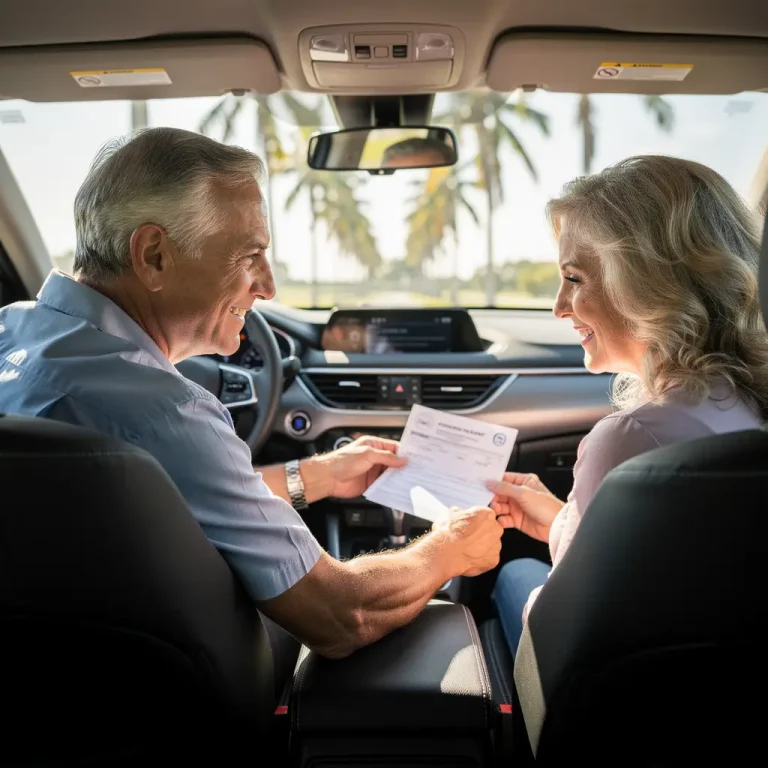
You need the certificate of completion. Insurance companies want proof. Keep the original somewhere safe and make copies. I’ve needed to provide mine three times over the years when switching insurers or updating policies.
The insurance discount typically runs 10-15%. On a $400 monthly teen premium that’s $40-60 back every month. The course pays for itself in the first month and keeps saving you money as long as your teen stays on your policy.
Behind-the-wheel training programs
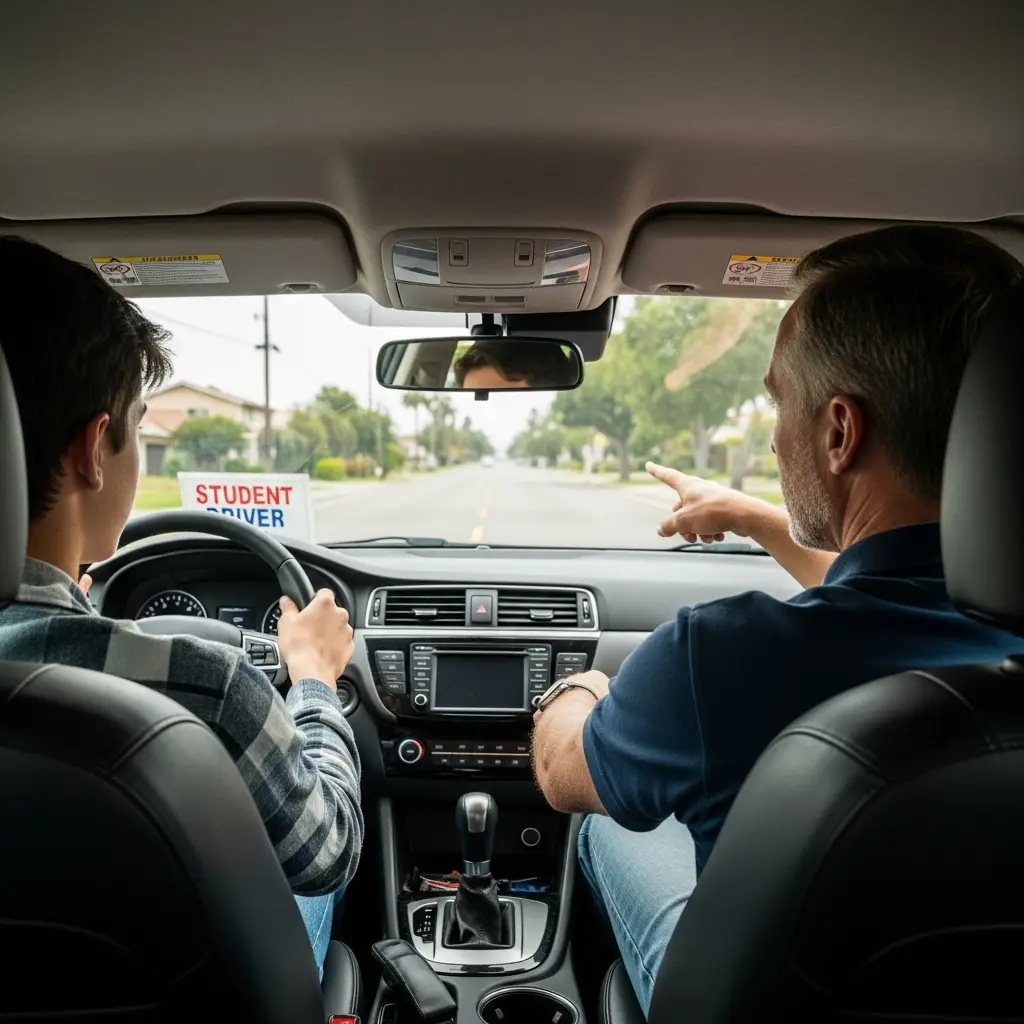
Driver education handles classroom learning. Behind-the-wheel training puts your teen in an actual car with a professional instructor. California requires six hours minimum for anyone under 18.
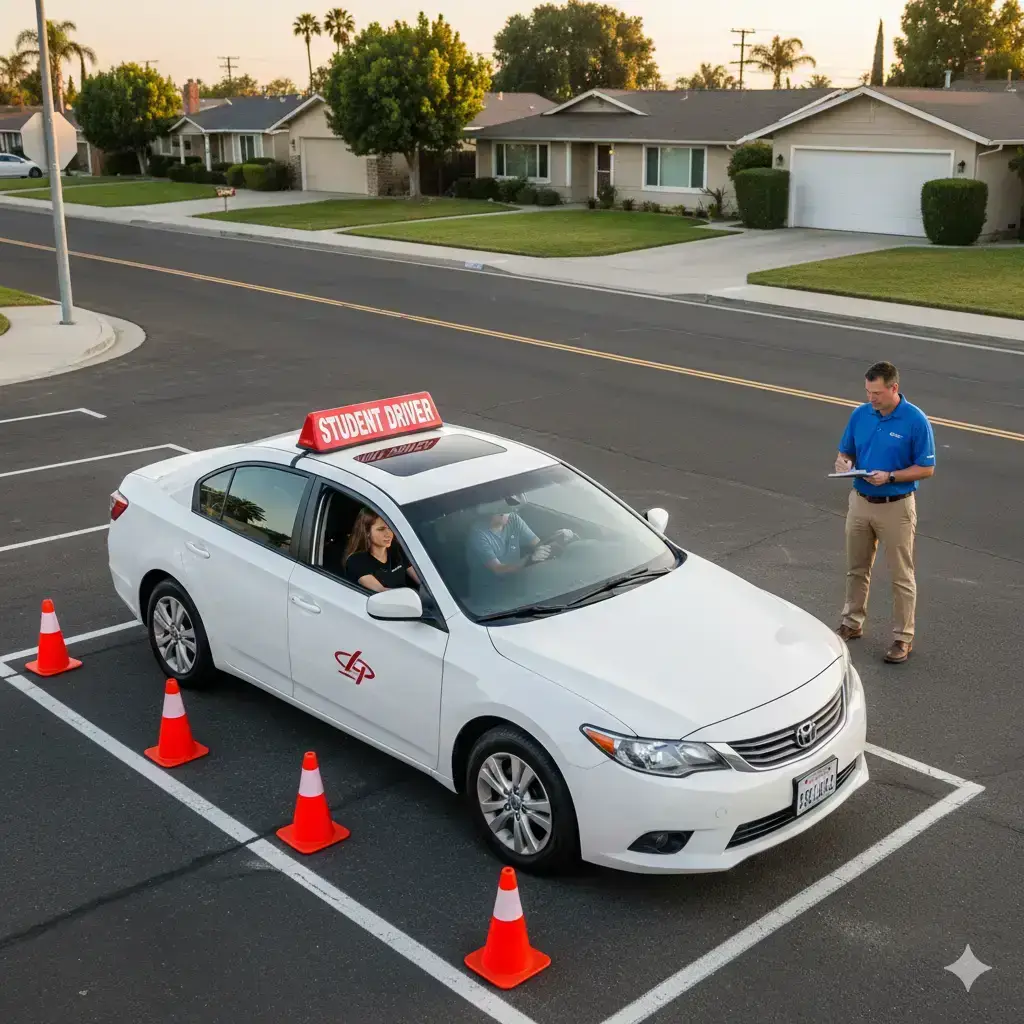
These sessions teach practical skills. Parking, lane changes, freeway merging, navigating intersections. An instructor sits in the passenger seat providing real-time feedback. Way more valuable than practicing with a stressed-out parent who keeps hitting the imaginary brake.
Most driving schools package the six required hours for $300-500. Some include the classroom portion. Others charge separately. Shop around because prices vary wildly.
Insurance companies love professional training. Many offer additional discounts beyond the basic driver education discount if you complete behind-the-wheel with a certified instructor. We’re talking another 5-10% off your premium.
State Farm specifically asks if your teen completed professional behind-the-wheel. So does Allstate. The discount stacks with driver education for combined savings of 15-25%.
My nephew did his six hours through a local driving school. Cost $400 but his parents saved $55 monthly on insurance. Paid back in seven months then pure savings after that. Plus he learned to parallel park which his dad never managed to teach him.
Defensive driving courses
These go beyond basic driver education. Defensive driving teaches advanced techniques for avoiding accidents. Scanning ahead for hazards, maintaining escape routes, handling aggressive drivers, emergency maneuvers.
California accepts several defensive driving programs. The National Safety Council offers a popular one. So does AAA. Many are available online and take 4-8 hours to complete.
Prices run $20-50 for online courses. In-person defensive driving classes cost more like $75-150 but some people prefer hands-on instruction.
The insurance benefit varies by company. Some give 5% discounts for defensive driving. Others go up to 10%. A few don’t offer anything at all so check with your insurer before paying for a course.
Geico recognizes defensive driving courses and typically discounts 5-10%. Progressive does too. State Farm applies it differently by state but California usually qualifies. USAA offers solid defensive driving discounts for military families.
One advantage of defensive driving over basic driver ed is you can retake it. Complete a defensive driving refresher every three years and some insurers extend the discount. Basic driver education is one and done.
I took a defensive driving course myself a few years back after a speeding ticket. Learned techniques I’d never considered. Following distance calculations, properly checking blind spots, reading traffic flow three cars ahead. Actually, useful stuff that makes you a better driver beyond just getting an insurance discount.
Teen-specific advanced driving programs
Some programs target teenage drivers specifically with realistic scenarios teens actually face. Distracted driving dangers, peer pressure situations, impaired driving consequences, nighttime visibility challenges.
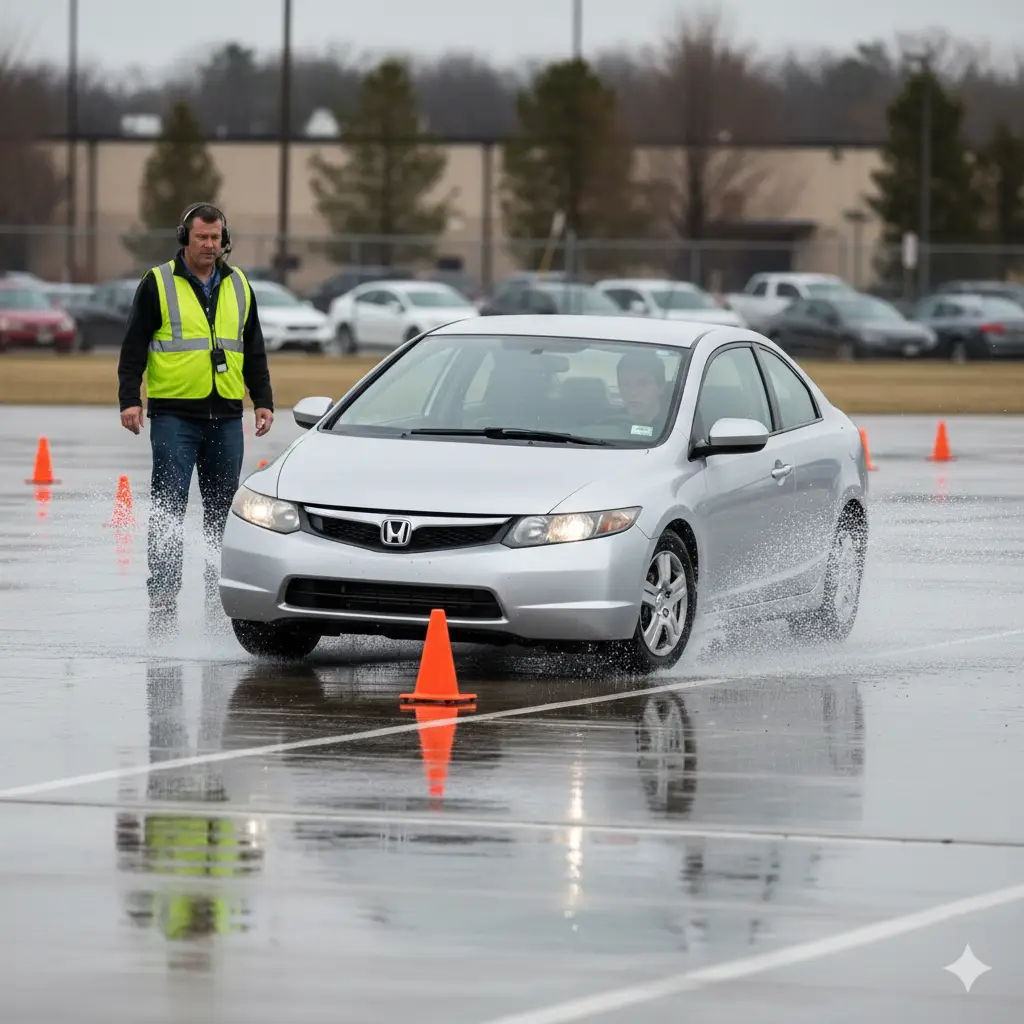
Street Survival is probably the best-known teen program. Run by the Tire Rack and various car clubs, it’s a full-day hands-on course. Your teen drives their own car through emergency scenarios. Hard braking, accident avoidance, skid recovery on wet surfaces.
Street Survival costs around $95-125 and runs in cities across California several times a year. Long Beach, Sacramento, San Jose all host events. Your teen needs a valid license and a car that passes basic safety inspection.
Insurance companies love Street Survival. Many specifically call it out for discounts. I’ve seen 10-15% premium reductions just for completing this one program. State Farm, Nationwide and several smaller carriers recognize it.
B.R.A.K.E.S. is another excellent teen program. Stands for Be Responsible and Keep Everyone Safe. Free four-hour course teaching panic braking, crash avoidance, distraction awareness, vehicle dynamics.
B.R.A.K.E.S. runs events throughout California. Parents attend with their teen which I actually think helps. You both learn the same techniques and can practice together afterward. The program is completely free thanks to sponsor funding.
Not all insurers give discounts for B.R.A.K.E.S. yet but it’s gaining recognition. Call your insurance company and ask if they accept it. Even without a discount the skills your teen learns are worth the four hours.
DrivingMBA offers online courses specifically designed for teen drivers. Modules cover hazard recognition, speed management, space management, impairment effects. Takes about six hours total, costs $65.
Some California insurers recognize DrivingMBA for discounts. It’s newer so adoption isn’t universal but growing. Worth asking about especially if in-person programs don’t fit your schedule.
Telematics programs as learning tools
These aren’t traditional courses, but they teach safe driving through feedback and monitoring. Your teen installs an app or plug-in device, and the insurance company tracks their driving behavior.
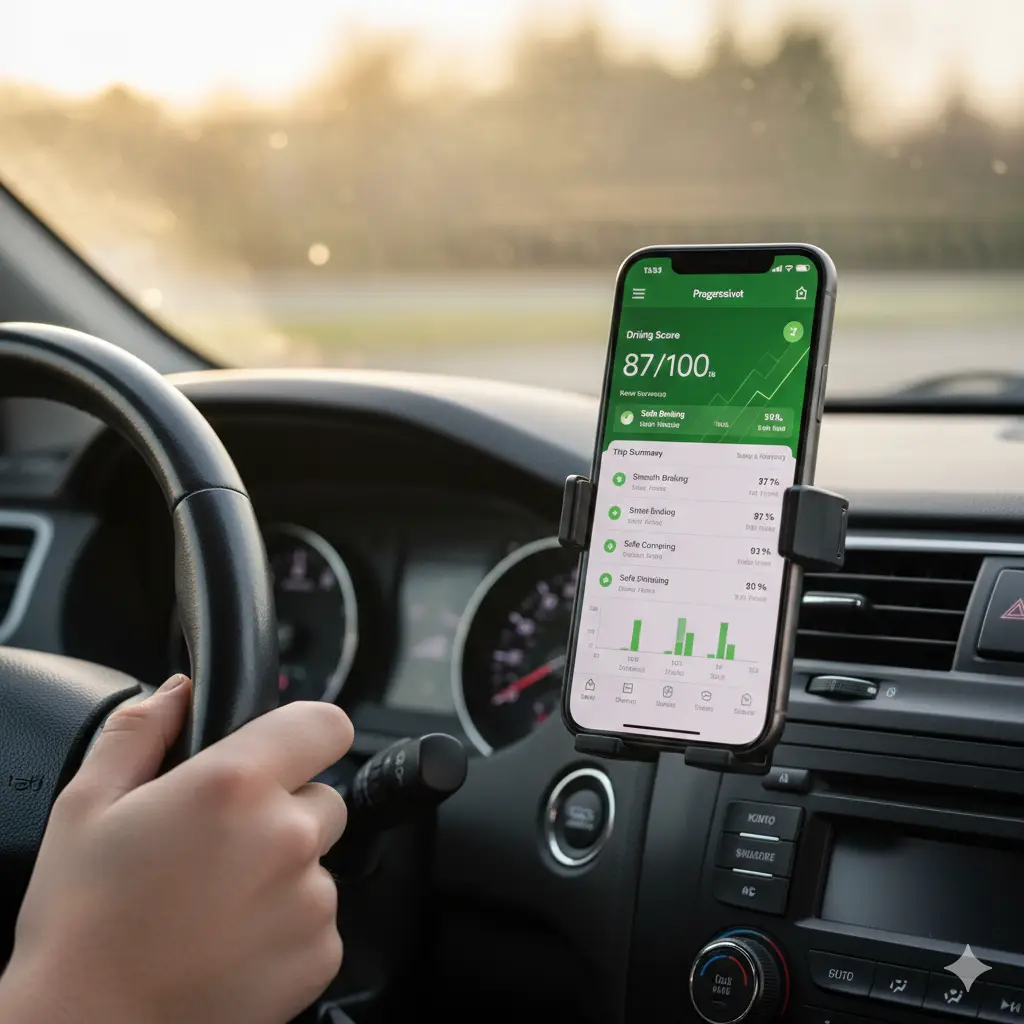
Progressive Snapshot monitors hard braking, rapid acceleration, late-night trips, phone use while driving. After 90 days your discount gets set based on how safely your teen drove. Good drivers save up to 30%.
The app shows your teen exactly what behaviors hurt their score. Slammed the brakes at a yellow light, there it is on the report. Drove at 2 AM on a Saturday, marked down. Touched your phone while moving, recorded.
My nephew improved dramatically using Snapshot. Seeing concrete data on his driving made him way more aware. His parents could review trips with him and discuss specific situations. Led to real behavior changes.
State Farm offers Drive Safe & Save with similar tracking. Allstate has Drivewise. Liberty Mutual runs RightTrack. Most major carriers have some version now.
These programs double as training tools. The constant feedback reinforces good habits. Your teen knows they’re being watched which naturally makes them more careful. The insurance discount is bonus on top of developing safer driving patterns.
Some parents worry about privacy with telematics. That’s fair but the trade-off is 20-30% lower premiums and genuinely safer teen drivers. We opted in and I’m glad we did. Understanding all auto insurance options for teens in California includes knowing how modern monitoring programs benefit both safety and cost.
Specialized skills courses
Beyond general defensive driving, some programs teach specific advanced skills.
High-performance driving schools like Skip Barber or Bondurant offer car control courses. Your teen learns threshold braking, understeer and oversteer correction, proper racing lines. Sounds counterintuitive for teen safety but the car control skills translate to accident avoidance on public roads.
These courses are expensive though. Think $1,500-3,000 for a weekend program. Insurance discounts rarely cover that cost. The value is in skill development not premium savings.
Winter driving courses make sense if your teen drives to ski resorts or mountain areas. Learning to handle snow and ice in a controlled environment beats figuring it out on Highway 50 in a blizzard.
I wouldn’t prioritize specialized courses for most California teens. The money goes further with defensive driving and programs like Street Survival. But if your teen drives in challenging conditions regularly the investment might be worth it.
How to maximize insurance discounts
Stack programs strategically. Complete DMV-required driver education first. That’s mandatory and gets you 10-15% off. Then add behind-the-wheel training with a professional instructor for another 5-10%.
Take defensive driving next. Another 5-10% typically. Now you’re looking at 20-35% total discount from training programs alone. On $450 monthly premium that’s $90-160 in monthly savings.
Add a telematics program if your teen is a good driver. That can push total savings to 40-50%. Suddenly that $450 premium drops to $225-270. Same coverage, half the price, safer teen driver.
Submit all certificates to your insurance company as soon as you get them. Don’t wait. Some companies apply discounts retroactively if you submit within 60 days. Others only apply going forward from submission date.
Keep copies of everything. Certificates, completion records, test scores. You’ll need them when switching insurance companies or if your current insurer loses documentation. I keep mine in a dedicated folder with all our insurance paperwork.
Ask your insurer which specific programs they recognize before enrolling. Not all companies accept all courses. Paying $100 for a defensive driving program your insurer doesn’t recognize wastes money.
Some companies have preferred providers. State Farm might give bigger discounts for certain driving schools. Geico might recognize specific online courses. Get the list from your agent and pick from approved options.
Long-term benefits beyond discounts
The real value isn’t just cheaper insurance. Proper training makes your teen a genuinely safer driver.
Teens who complete defensive driving courses have 30-40% fewer accidents in their first three years according to various studies. That’s huge. Fewer accidents means fewer injuries, less property damage, lower long-term insurance costs.
One serious accident can erase years of discount savings. At-fault accidents typically raise premiums 40-60% for three years. A $5,000 claim could cost you $3,000+ in higher premiums over that period.
Preventing even one accident through better training pays for every course ten times over. My brother’s daughter who did the defensive driving course avoided what could have been a bad accident last month. She recognized a hazard early, had an escape route planned, avoided a car that ran a red light. The instructor’s voice in her head probably saved her life or at least prevented serious injury.
Training also helps with tickets. Better awareness means fewer speeding violations, fewer red light runs, fewer reckless driving citations. Tickets raise insurance just like accidents do.
Teens who understand proper following distance, speed management and hazard recognition simply get in less trouble on the road. That keeps insurance rates low and keeps your kid safe.
State requirements vs insurance requirements
California mandates driver education and behind-the-wheel training for licenses. You have to do these to get your teen legal.
Insurance discounts are separate. You can meet state requirements with cheap online courses but might miss out on bigger insurance discounts from premium programs.
Think about it strategically. If you’re going to spend time on training anyway, pick programs that maximize both legal compliance and insurance savings.
Some driving schools’ package everything together. DMV-required classroom hours, behind-the-wheel training, defensive driving bonus course. More expensive upfront but covers all bases and gets you maximum discounts.
Other families mix and match. Cheap online driver ed for DMV requirements, mid-tier driving school for behind-the-wheel, free B.R.A.K.E.S. program for advanced skills. Total cost might be less with better overall training.
There’s no single right answer. Depends on your budget, your teen’s learning style, your schedule. Just make sure whatever you choose qualifies for insurance discounts before paying.
What actually works
I’ve watched a lot of teens go through various programs over the years. Some make real differences. Others feel like box-checking exercises.
In-person programs with actual driving component work best. Street Survival, B.R.A.K.E.S., professional behind-the-wheel training. Your teen physically practices emergency maneuvers. Muscle memory develops. That stuff sticks.
Online courses are fine for knowledge but don’t build instincts. Knowing theoretically how to handle a skid doesn’t mean you can actually do it when your rear end breaks loose on wet pavement.
Programs that scare teens a little work surprisingly well. Simulators showing crash consequences. Visits from accident survivors. Realistic portrayals of what happens when you drive impaired or distracted. Teens think they’re invincible until confronted with real outcomes.
Ongoing programs beat one-time courses. Telematics monitoring that provides constant feedback changes behavior more than a weekend class. Regular check-ins with parents about driving performance reinforces lessons.
The best approach combines multiple elements. Required classroom education for fundamentals, hands-on training for skills, ongoing monitoring for accountability, periodic refreshers to maintain focus.
Getting your teen to actually care
Biggest challenge is making teens take this seriously. They think they’re already good drivers after a few months. They don’t see the value in extra training.
Money motivates. Show them the numbers. “This $45 course saves us $456 a year. That’s an extra $38 monthly we can put toward your car insurance, phone bill, whatever.” Suddenly they’re interested.
Freedom motivates too. “Complete defensive driving and we’ll extend your curfew by an hour because we trust your skills more.” Or “Finish Street Survival and you can drive to the beach with friends.”
Fear works for some teens. Show them accident statistics for their age group. Not to terrify them but to build healthy respect for driving risks. Some kids respond well to reality checks.
Competition can help. “Your cousin finished defensive driving and got a certificate. Think you can beat her test score?” Teens like proving themselves.
Whatever angle works for your teen use it. Getting them engaged with training makes everything more effective. A resentful teen going through motions learns less than an engaged teen who wants to improve.
Finding programs that offer real benefits both in the cheapest car insurance for teens in California and in actual driving skills creates wins all around. Your teen gets better at staying safe, you save money monthly, everyone sleeps better knowing a well-trained driver is on the road.
Stay covered, stay safe, and happy driving.