Replacing cabin air filters diy: complete car owner guide
Choosing the right cabin air filter is just as important as knowing how to replace it. While the replacement process itself is simple, the filter you install determines how clean the air inside your car will be and how well your HVAC system performs. Many drivers overlook this step and end up installing low-quality filters that do little more than block large debris.
Within Replacing cabin air filters diy: complete car owner guide, selecting the correct cabin air filter is a key decision that affects comfort, health, and long-term value. This guide compares the most popular cabin air filter brands, explains what makes a good filter, and helps drivers choose the best option for their needs.
Why cabin air filter quality matters
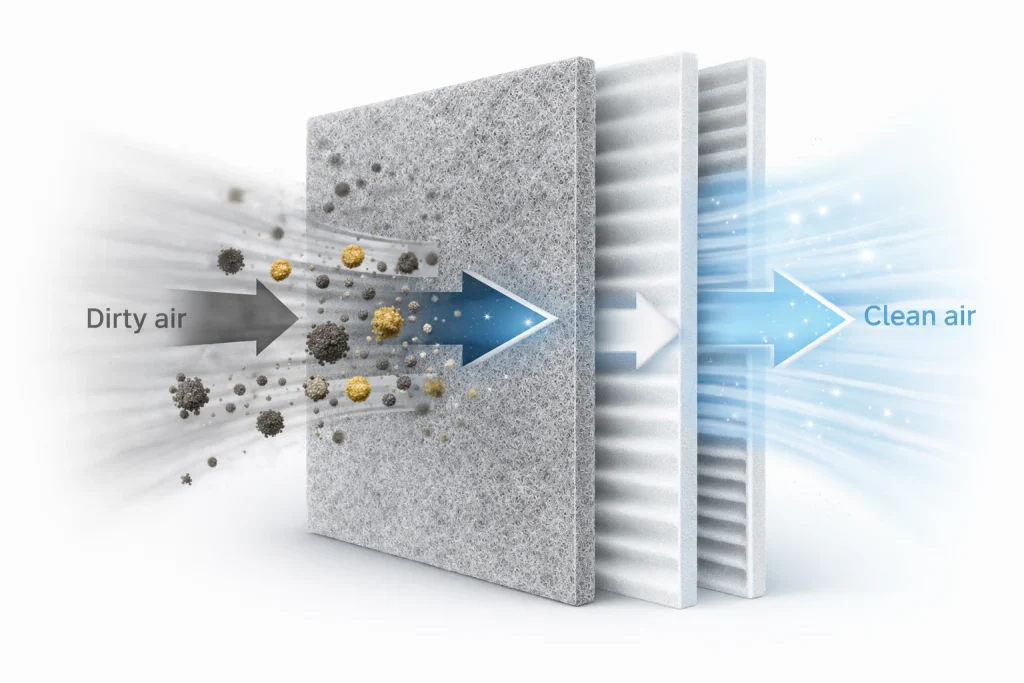
Not all cabin air filters are created equal. A basic filter may stop dust and leaves, but higher-quality filters can block pollen, exhaust particles, and unpleasant odors. The difference becomes especially noticeable for drivers with allergies or those who spend a lot of time in traffic.
Low-quality filters also clog faster, which reduces airflow and puts extra strain on the HVAC system. Over time, this can lead to weaker air conditioning performance and increased fan noise. Investing in a good cabin air filter improves both air quality and system efficiency.
Types of cabin air filters explained
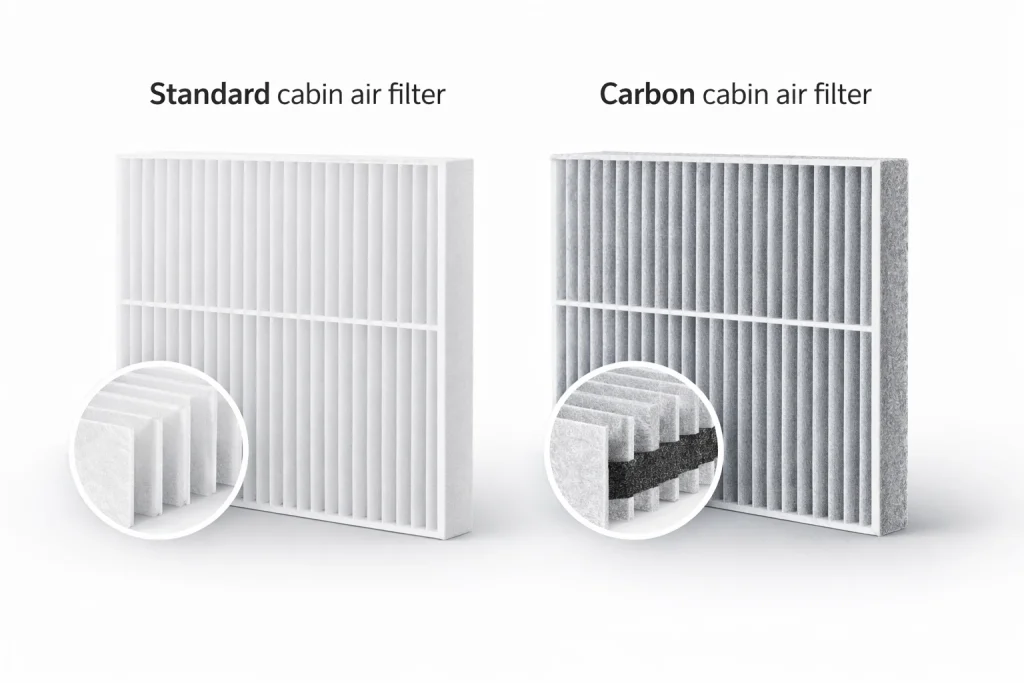
Before comparing brands, it helps to understand the main types of cabin air filters available.
Standard particulate filters are the most basic option. They trap dust, dirt, and debris but offer limited protection against odors and gases.
Activated carbon filters include an extra layer designed to absorb smells and harmful gases. These are ideal for city driving and polluted environments.
Premium or HEPA-style filters offer the highest level of filtration, capturing very fine particles. These are often recommended for allergy sufferers but tend to cost more.
Bosch cabin air filters: balanced performance
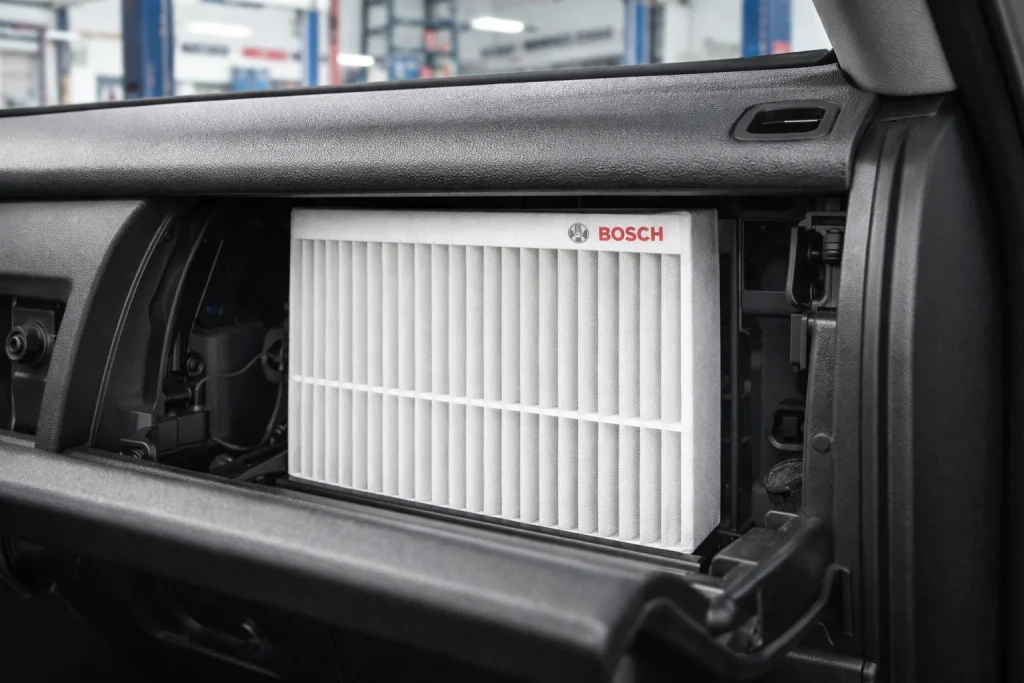
Bosch cabin air filters are widely recognized for their consistent quality and reliable filtration. Many Bosch filters use multi-layer designs that combine particulate filtration with odor-absorbing materials.
Drivers often choose Bosch for its balance between performance and price. The filters are well-constructed, fit precisely, and maintain good airflow even as they collect debris. For most vehicles, Bosch offers both standard and activated carbon options.
Bosch filters are a solid choice for drivers who want dependable filtration without paying premium prices.
FRAM cabin air filters: affordable and accessible
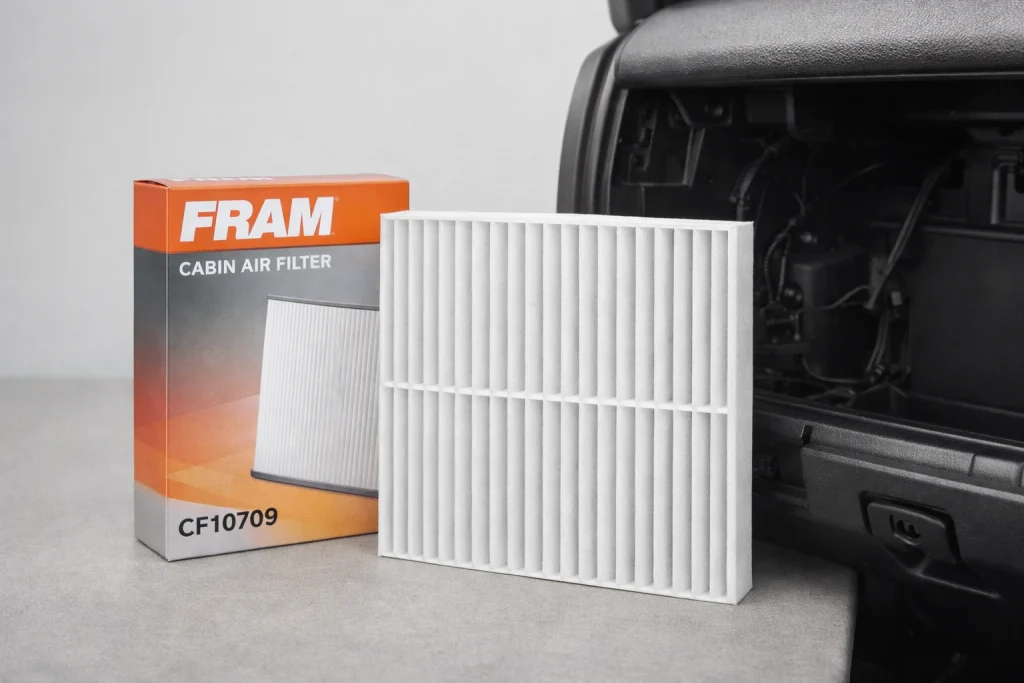
FRAM is one of the most recognizable names in automotive filters. Their cabin air filters are widely available and priced competitively, making them a popular option for budget-focused buyers.
FRAM filters typically focus on basic particulate filtration, though some models include odor-reducing layers. They are easy to install and widely compatible with many vehicle models.
While they may not offer the highest filtration performance, FRAM filters are a practical option for drivers who want a simple and affordable replacement.
EPAuto cabin air filters: value-focused choice
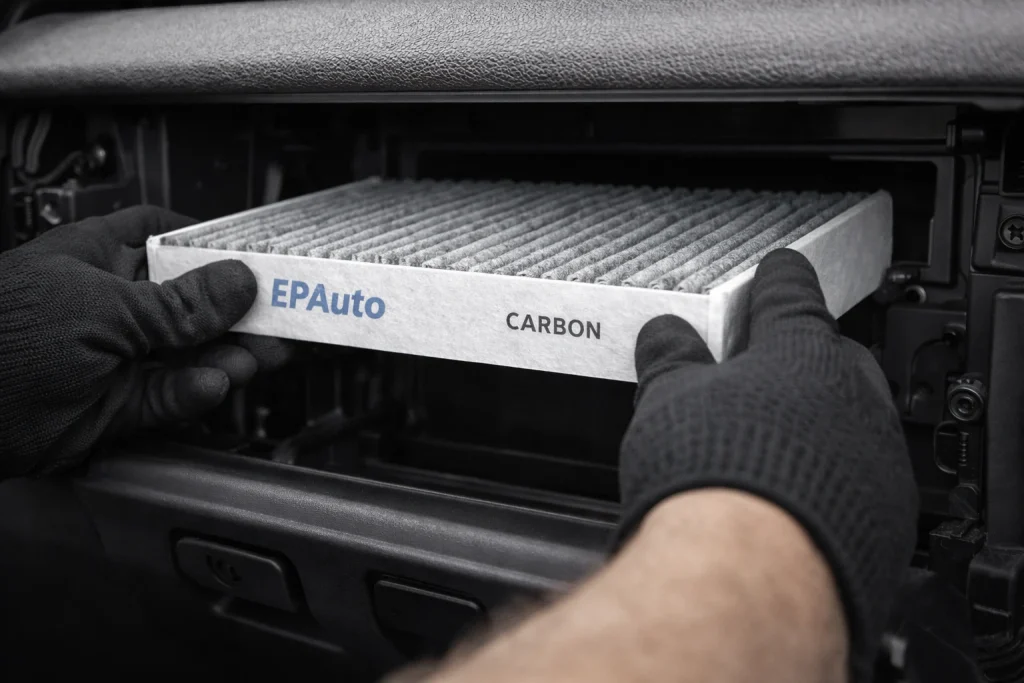
EPAuto cabin air filters are known for offering good performance at lower prices. Many of their filters include activated carbon layers, which help reduce odors and improve cabin air quality.
These filters are popular among DIY car owners who want better filtration than basic options without paying premium brand prices. EPAuto filters often deliver strong value, especially for everyday driving conditions.
For drivers seeking a cost-effective upgrade, EPAuto is worth considering.
K&N cabin air filters: premium and reusable
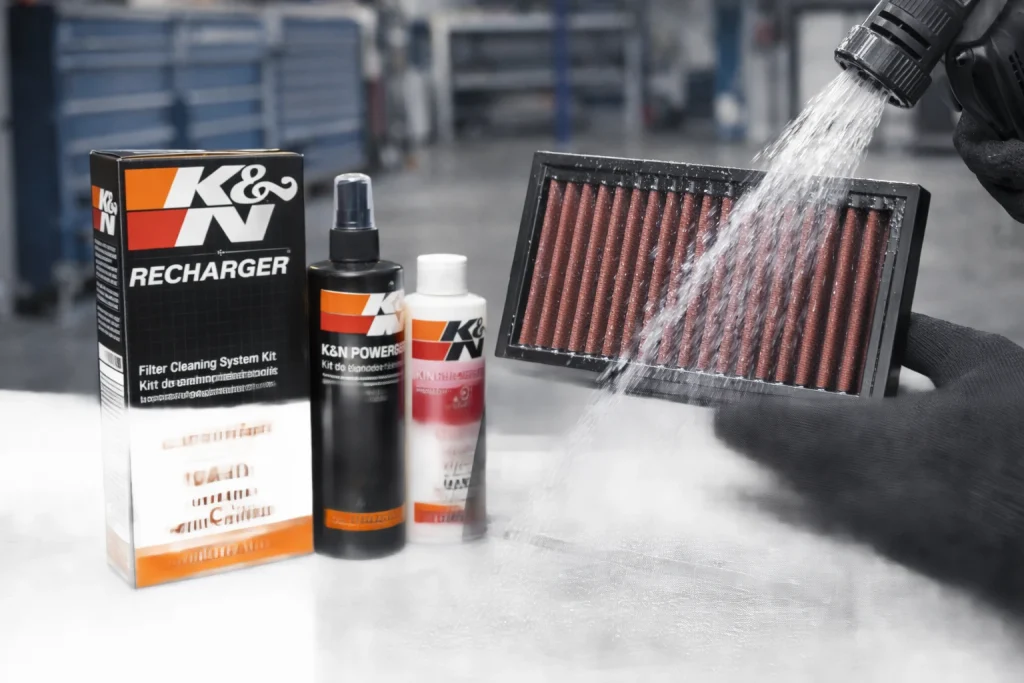
K&N takes a different approach by offering washable and reusable cabin air filters. These filters are designed to last longer than disposable options, reducing waste over time.
While the upfront cost is higher, K&N filters can be cleaned and reused, which may appeal to drivers who keep their vehicles for many years. Filtration performance is generally strong, though maintenance requires periodic cleaning.
K&N filters are best suited for drivers who prefer long-term solutions and are comfortable with occasional maintenance.
Comparing cabin air filter brands side by side
When comparing brands, the right choice depends on priorities. Budget-focused drivers may prefer FRAM or EPAuto, while those seeking premium filtration may lean toward Bosch or K&N.
Activated carbon filters offer the best balance for most drivers, providing improved odor control without excessive cost. HEPA-style filters provide maximum filtration but may slightly reduce airflow.
Understanding how each brand balances cost, filtration, and durability helps make a confident decision.
How to choose the right cabin air filter for your car
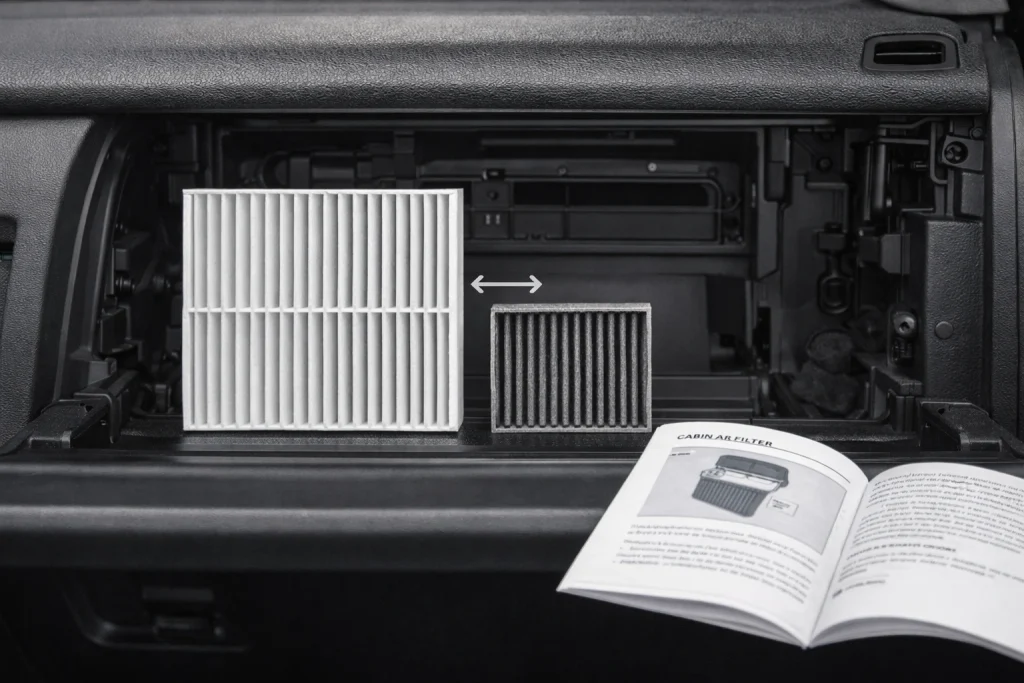
Vehicle compatibility is the first requirement. Always check the exact model and year of your vehicle before purchasing a filter.
Next, consider driving conditions. Urban drivers and allergy sufferers benefit most from activated carbon or premium filters. Rural drivers may find standard filters sufficient.
Finally, think about replacement habits. Drivers who prefer low upfront cost may choose disposable filters, while long-term owners may prefer reusable options.
When paying more makes sense
Spending a little more on a cabin air filter can make sense for certain drivers. Those with allergies, asthma, or frequent exposure to pollution will notice real benefits from higher-quality filtration.
Improved airflow and odor reduction also enhance overall driving comfort. In these cases, the cost difference is often justified by daily benefits.
Conclusion
The best cabin air filter for a car depends on budget, driving environment, and personal comfort needs. While basic filters handle dust and debris, higher-quality options provide cleaner air and better odor control.
As part of Replacing cabin air filters diy: complete car owner guide, choosing the right filter ensures that the DIY replacement process delivers real benefits. With the right brand and filter type, drivers can enjoy cleaner air, better HVAC performance, and a more comfortable driving experience.