My first car accident and the insurance nightmare that followed
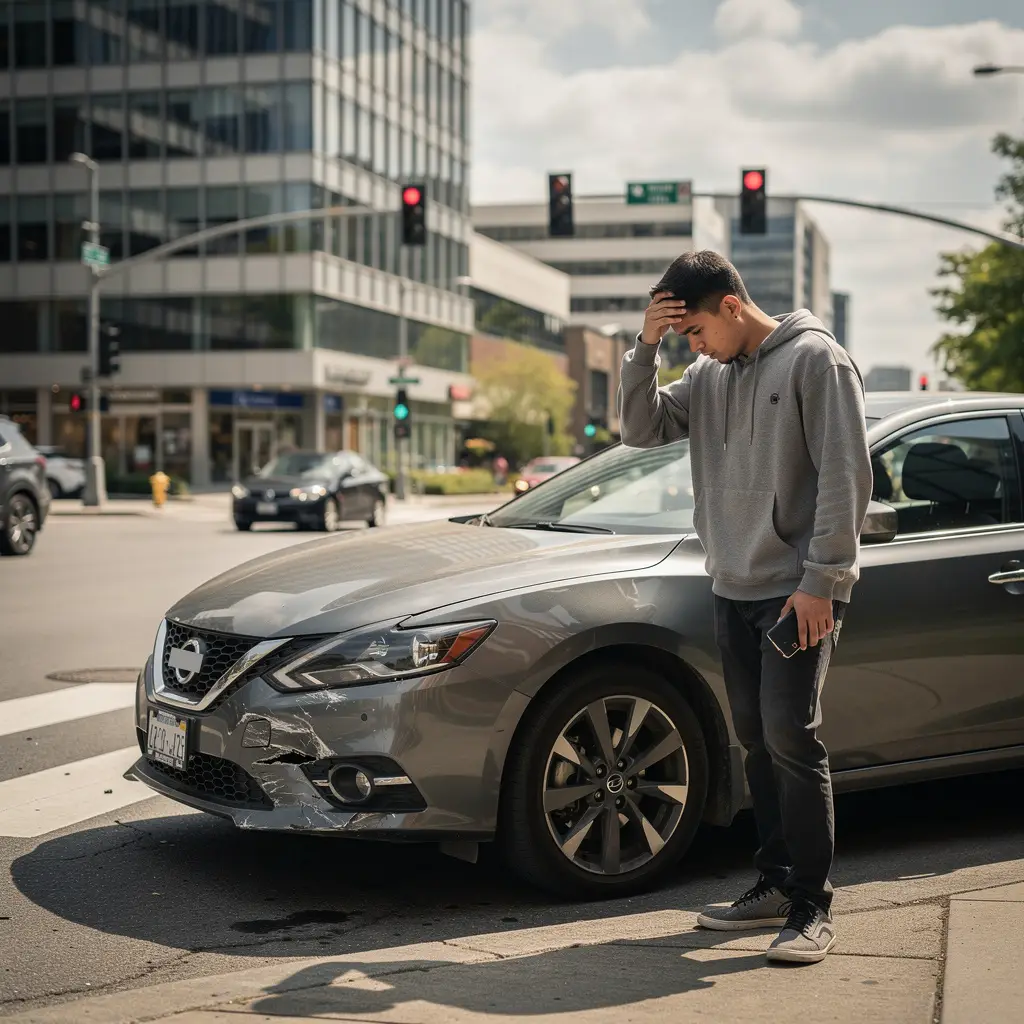
So last March I’m sitting at a red light, scrolling through Spotify trying to find something decent to listen to, when WHAM – this guy absolutely destroys the back of my car.
Didn’t see it coming at all. One second I’m vibing, next second my neck snaps forward and there’s glass everywhere. My first thought wasn’t even about the car or insurance or any of that – I literally thought “shit, I hope my phone’s okay.” Priorities, right?
Anyway, turns out filing an insurance claim is like… way more complicated than I thought it would be? And I made some dumb mistakes that my insurance agent later told me people make all the time. Could’ve avoided a lot of headaches if someone had just explained this stuff to me beforehand. Honestly wish I’d taken the time to actually understand my insurance coverage before I needed to use it.
So, here’s everything I learned, mistakes included, in case it helps anybody else not screw things up like I did.
The first few minutes when everything’s chaos
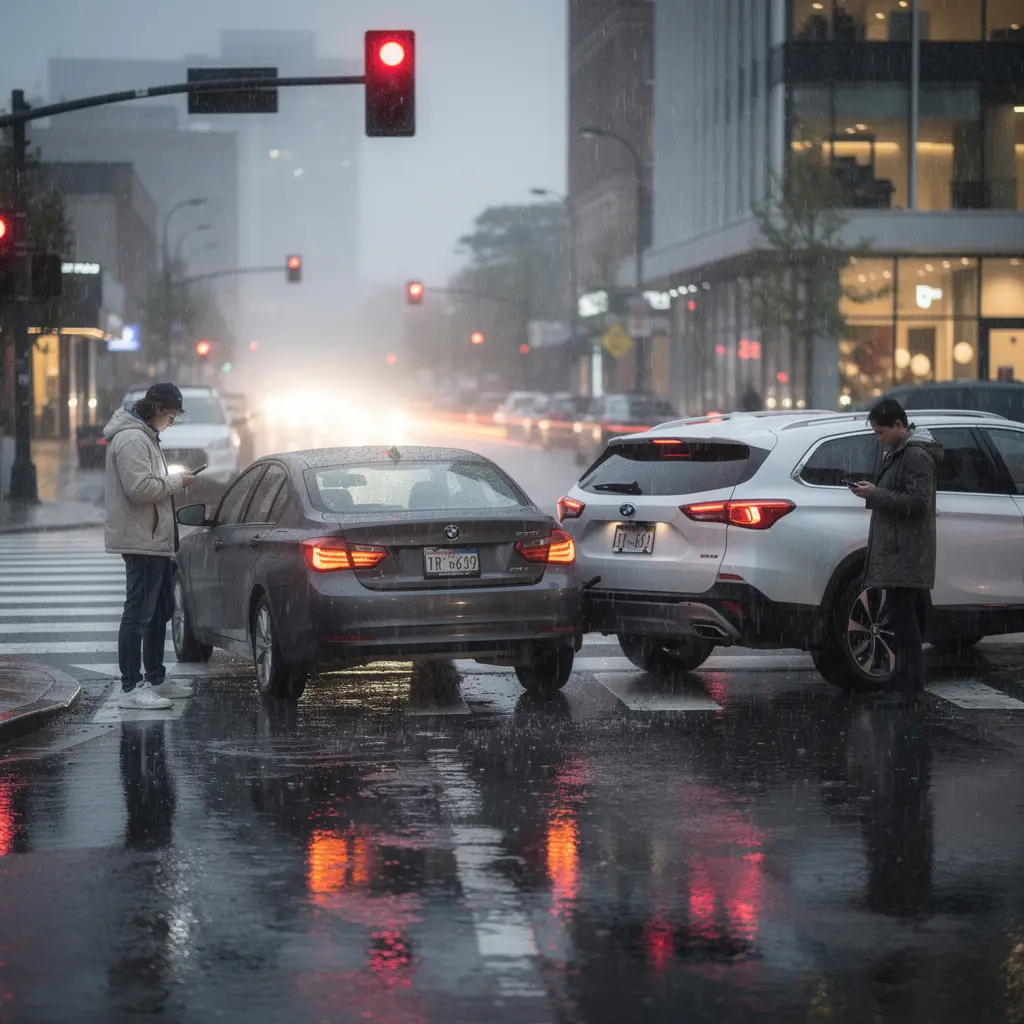
My brain completely shut down. You know that feeling when you’re trying to remember something simple like your phone number and you just… can’t? That’s how my whole body felt.
Quick checklist for those first chaotic minutes:
- ☐ Check for injuries (yours and others)
- ☐ Call 911 if needed
- ☐ Move cars out of traffic (if safe)
- ☐ Turn on hazard lights
- ☐ Don’t admit fault or apologize excessively
- ☐ Start taking photos
Make sure nobody’s actually hurt
Okay so this should be obvious but when you’re in shock, nothing’s obvious.
I sat there for probably 30 seconds just… existing? Then my brain kicked back in and I was like oh crap, I should probably check if I’m hurt. Then check if the other driver’s hurt.
Call 911 if anybody seems injured at all or if the cars are really messed up. In my state they want a police report for anything over $1,000 damage which honestly happens really fast when you’re talking about car repairs. My rear bumper alone was like $1,800 to replace.
Getting the cars out of the way
If the cars can move and nobody’s hurt, get them out of traffic. I’ve seen videos of people leaving their cars in the middle of the highway and then getting rear-ended again. Not trying to deal with a second accident on top of the first one.
But if moving the car might hurt someone or if it’s too damaged to drive, just leave it. Put your hazards on and wait.
Speaking of hazards turn them on. I completely forgot for like five minutes because my hands were shaking so bad I could barely press the button.
The apology thing that screwed me over
Here’s where I really messed up.
The other driver gets out and he’s like “oh my god are you okay” and I’m like “yeah I’m fine, I’m so sorry, I should’ve – ” and he cuts me off like “no no, this is my fault, I wasn’t paying attention.”
But here’s the thing. I KEPT apologizing. Multiple times. “I’m so sorry this happened” and “I feel terrible about this” and my insurance guy later was like “why did you say all that?”
Apparently even though the other driver admitted fault at the scene, my apologies made it seem like maybe I thought it was partially my fault? Which it wasn’t. I was literally stopped at a red light. But insurance companies will twist anything to try and split liability.
My mom’s this super polite Canadian type who raised me to apologize when anything bad happens. That instinct does NOT serve you well in car accidents. You can ask if someone’s okay without saying sorry. Lesson learned.
Taking pictures of literally everything (and I mean Everything)
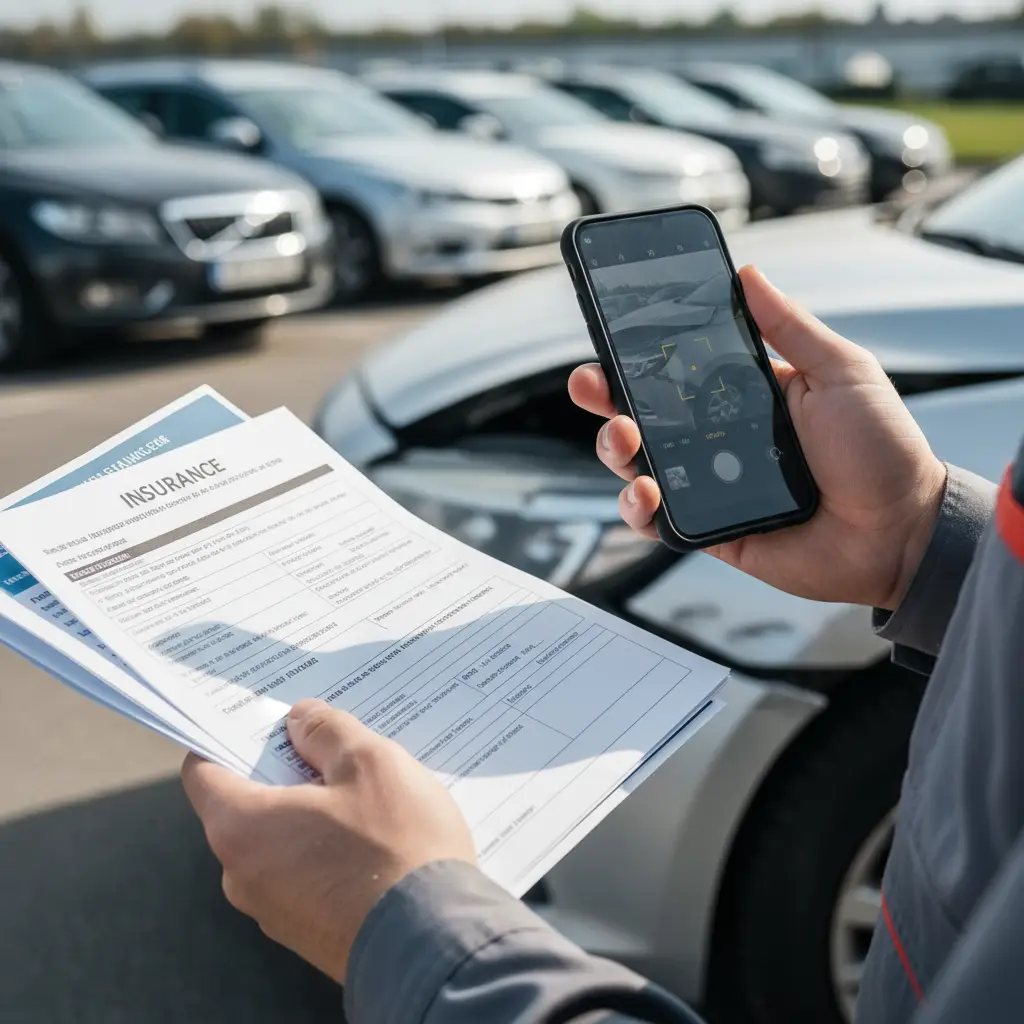
Your phone camera is basically the most important thing you have after an accident. Use it.
Getting their information
Take a photo of their driver’s license. Take a photo of their insurance card. Don’t try to write everything down because:
- Your handwriting’s gonna be illegible when your hands are shaking
- You might copy a policy number wrong
- Photos are just way faster
Get their actual phone number too, not just what’s on the insurance card. Sometimes the insurance companies need you to coordinate directly and it’s helpful to be able to text.
All the damage photos
I thought I took a lot of photos. Took like 15 different shots of the damage. My adjuster later was like “do you have any photos of the left side of your car?”
Nope. Didn’t think to take those because the damage was on the back right. Except apparently there was some minor scraping on the left that must’ve happened during impact and I had no proof it was from the accident.
What to photograph (seriously, all of it):
- Every angle of your car – even undamaged sides
- Close-ups of each dent, scratch, broken part
- Wide shots showing vehicle positions
- Other vehicle’s damage
- License plates of all vehicles
- Street signs and traffic signals
- Road conditions and weather
- Skid marks or debris
- Intersection layout from multiple angles
The body shop ended up finding frame damage they couldn’t see initially and having comprehensive photo documentation from right after the accident helped prove it was all related.
The scene itself
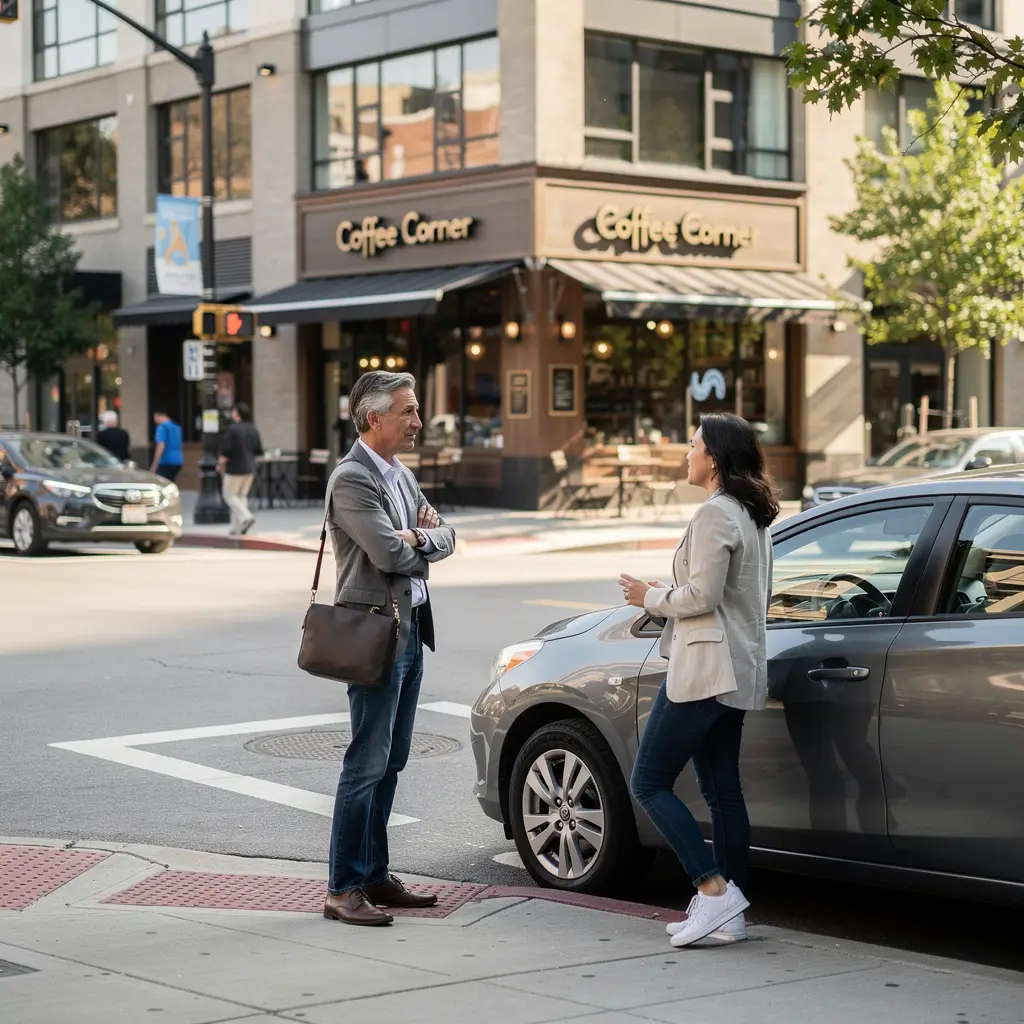
This is what actually saved me.
I walked around the intersection and took photos of:
- Where my car ended up
- Where his car was
- The traffic light (showing I had red)
- Street signs
- Some skid marks from his tires
- Broken pieces of my tail light scattered on the road
One of those photos showed the intersection layout in a way that made it super obvious how the accident happened. The other driver later tried to claim I “backed into him” which makes zero sense, but that photo killed that argument immediately.
Also it was raining that day and the road was wet. Got photos showing that. Ended up not mattering but could have.
Witnesses are clutch
There was this woman standing outside the Starbucks on the corner who saw everything. I walked over and was like “excuse me, did you see what happened?”
She gave me her number and later gave a statement to my insurance that basically sealed the whole thing. The other driver was on his phone when he hit me, she saw it clearly.
Police didn’t get there for like 25 minutes. That woman would’ve been long gone if I hadn’t asked for her contact info.
Don’t assume the cops will get witness statements. Sometimes they do, sometimes they don’t, sometimes they’re too slow.
Write down what happened immediately
I waited until that evening to write down my account of what happened. Big mistake.
Even just a few hours later I was second guessing myself on little details. What time was it exactly? Was I in the left lane or middle lane? How long had I been stopped at the light?
Use your phone’s notes app right there. Or voice memo just talks through what happened while it’s fresh. Your memory gets fuzzy way faster than you think.
Look for security cameras
That Starbucks I mentioned? I went in and asked if they had cameras that might’ve caught the intersection. They did! I got the manager’s contact info and my insurance company followed up with them.
Having actual video footage is like… the holy grail of accident claims. Not everywhere has cameras pointed at the street but it’s worth checking.
Gas stations almost always have them. Businesses with parking lots facing the road. Other drivers might have dashcams. Just ask.
Police showed up eventually
Took forever but a cop finally arrived.
Don’t overthink it
Just tell them what happened. I stuck to the basic facts: “I was stopped at the red light heading northbound. I’d been stopped for maybe 15-20 seconds. Felt a hard impact from behind. Got out and saw the other vehicle had hit my rear end.”
The cop asked if I was hurt. I said I had a slight headache but was okay otherwise.
Huge mistake. That headache turned into neck pain that lasted two weeks. Should’ve told him my neck hurt even though at the time it just felt like stress. Get everything documented in the police report even if it seems minor.
Officer information
Got his name, badge number, and the incident report number. Asked when I could get a copy of the report he said it’d be available online in 3-5 business days.
The other driver got a ticket for following too closely and using a mobile device while driving. Probably helped my case but honestly the evidence was already pretty clear-cut.
Calling my insurance company

I called them that evening around 7pm. Should’ve called sooner like immediately after leaving the scene. Most policies say you have to report “promptly” and I’ve heard of people getting their claims denied for waiting too long.
The initial call was pretty straightforward
Their 24/7 claims line answered in like two rings. Guy was actually really helpful and not ondescending which I appreciated since I had no idea what I was doing.
Info they’ll ask for:
- Policy number
- Date, time, and location of accident
- Basic description of what happened
- Other driver’s information
- Whether anyone was injured
- Whether your car is drivable
Whole call took maybe 10 minutes.
He told me they’d assign a claims adjuster within 24 hours and that person would be my main point of contact. Said I should hear from them tomorrow.
Rental car confusion
I asked about getting a rental since my car was pretty messed up and definitely not safe to drive.
He’s like “you have rental coverage, $30 per day for up to 30 days, but you need to wait for your adjuster to approve it.”
Cool, no problem. Except my adjuster didn’t call me until the next afternoon and by then I’d already Ubered to work twice and it cost me like $40.
Nobody told me I should’ve just not driven my car and stayed home until I heard from them. Or gotten the rental approved same-day if I explained it was urgent. Just… poor communication on their part and me not knowing to push for faster service.
Understanding My Deductible Was Confusing
My deductible is $500. I thought since the other driver was at fault, I wouldn’t have to pay it.
Nope. My insurance guy explained I’d have to pay the $500 initially, then my insurance company would go after the other driver’s insurance for reimbursement, and eventually I’d get my deductible back.
Made sense once he explained it but that wasn’t clear to me at first. Thought I’d just… not have to pay anything if it wasn’t my fault.
My claims adjuster (who I have mixed feelings about)
So, they assigned me this adjuster named Jennifer. First impression she seemed nice enough but also really busy? Like every time I talked to her, she sounded rushed.
They work for the insurance company, not you
This took me a while to fully understand. Jennifer’s job is to process my claim fairly… but also to protect the company’s money. Those two things can conflict sometimes.
I’m not saying she tried to screw me over or anything. But there were definitely moments where she pushed back on things and I had to stand my firm to get what I was entitled to.
Being responsive actually matters
Jennifer asked me to send her all my photos within 24 hours. I was busy with work and didn’t get around to it for three days.
She called me and was like “I need those photos to move forward with your claim. Without them I can’t assess the damage or determine liability.”
Fair enough. After that I made it a priority to respond to her requests immediately. Return calls same-day. Send documents within hours, not days. Show up on time for the vehicle inspection.
Made the whole process way smoother once I got my act together.
I started keeping obsessive notes

After a phone call where Jennifer told me one thing and then later claimed she’d said something different, I started documenting everything.
Made a Google spreadsheet with columns for:
| Date/Time | Contact method | Person | Discussion | Action items | Deadline |
|---|---|---|---|---|---|
| 3/15 2:30pm | Phone | Jennifer | Damage assessment | Send photos | 3/16 EOD |
| 3/17 10am | Jennifer | Rental approval | Authorization sent | – | |
| 3/18 3pm | Phone | Jennifer | Repair estimate | Schedule inspection | 3/20 |
And I started following up every phone call with an email. “Hi Jennifer, just confirming our call today. You said you’d send the rental car authorization by end of day Friday and schedule the vehicle inspection for next Tuesday. Let me know if I misunderstood anything.”
She never responded to those emails but that’s fine I had documentation if anything got disputed later.
My story stayed consistent (thankfully)
One thing Jennifer mentioned was that if your account of the accident changes between what you told police, what’s in the report, and what you tell your adjuster that’s a huge red flag.
Makes them think you’re lying or trying to commit fraud even if you just remembered details differently over time.
I stuck to the same basic facts every time I described what happened. Probably helped that I’d written it down the same day while it was fresh.
Pushing back on the damage estimate
Jennifer initially said my car had $3,200 in damage. Body shop looked at it and gave me an estimate of $4,800.
I forwarded the body shop’s detailed estimate to Jennifer and asked her to explain the $1,600 difference. Tried to be polite but firm about it.
She came back two days later and increased their estimate to $4,650. Said the body shop had found some things their initial inspection missed.
So yeah if something doesn’t seem right, speak up. They’re not infallible and sometimes they lowball hoping you won’t question it.
Getting my car fixed took forever
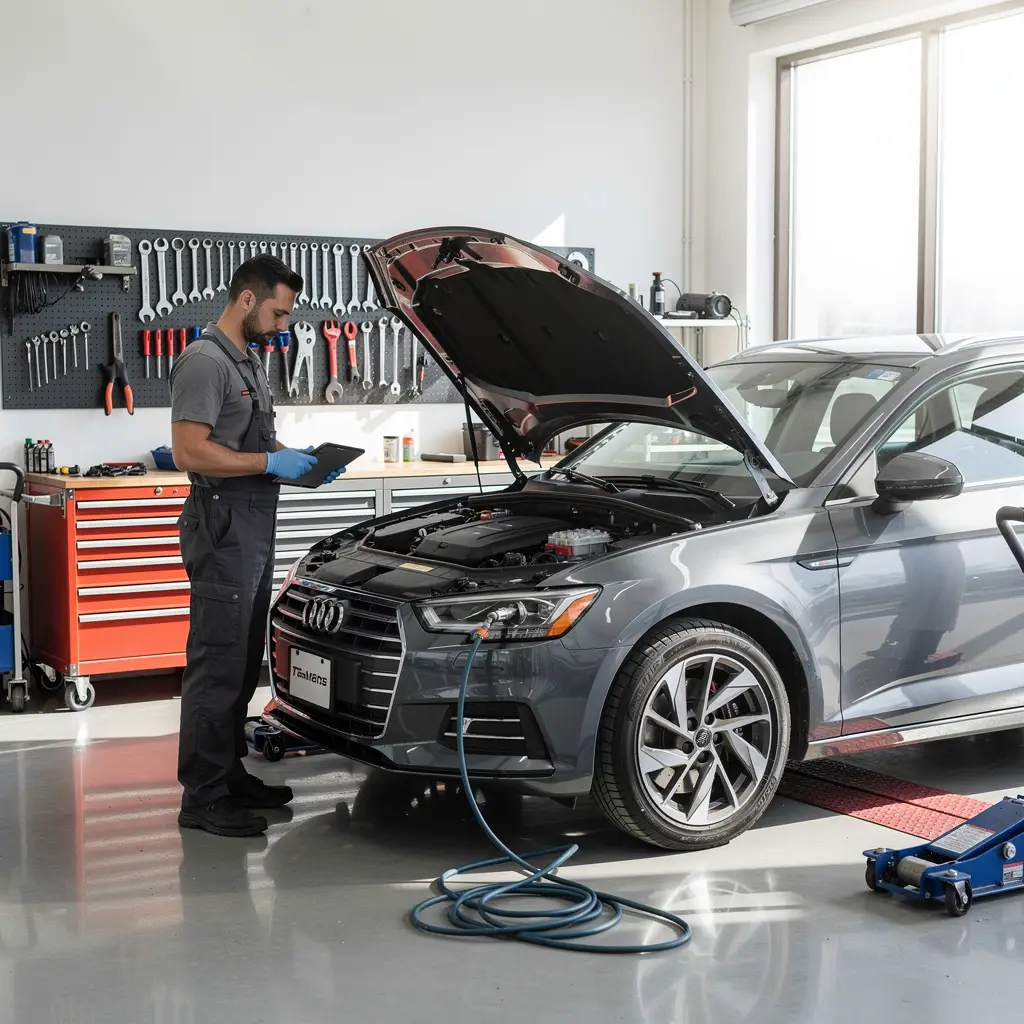
Once the damage was assessed and approved, I had to figure out where to actually get the repairs done.
The preferred shop vs my regular mechanic
My insurance company recommended this body shop they partner with. Said it would be easier – they bill insurance directly, guarantee the work, whole process is streamlined.
But I’ve been going to the same mechanic for like 8 years. I trust him. So I wanted to use his shop instead.
Jennifer was like “you can do that but you’ll need to get multiple estimates and the payment process is more complicated.”
Worth it to me. I’d rather have my guy do the work even if it means extra paperwork.
Everything in writing
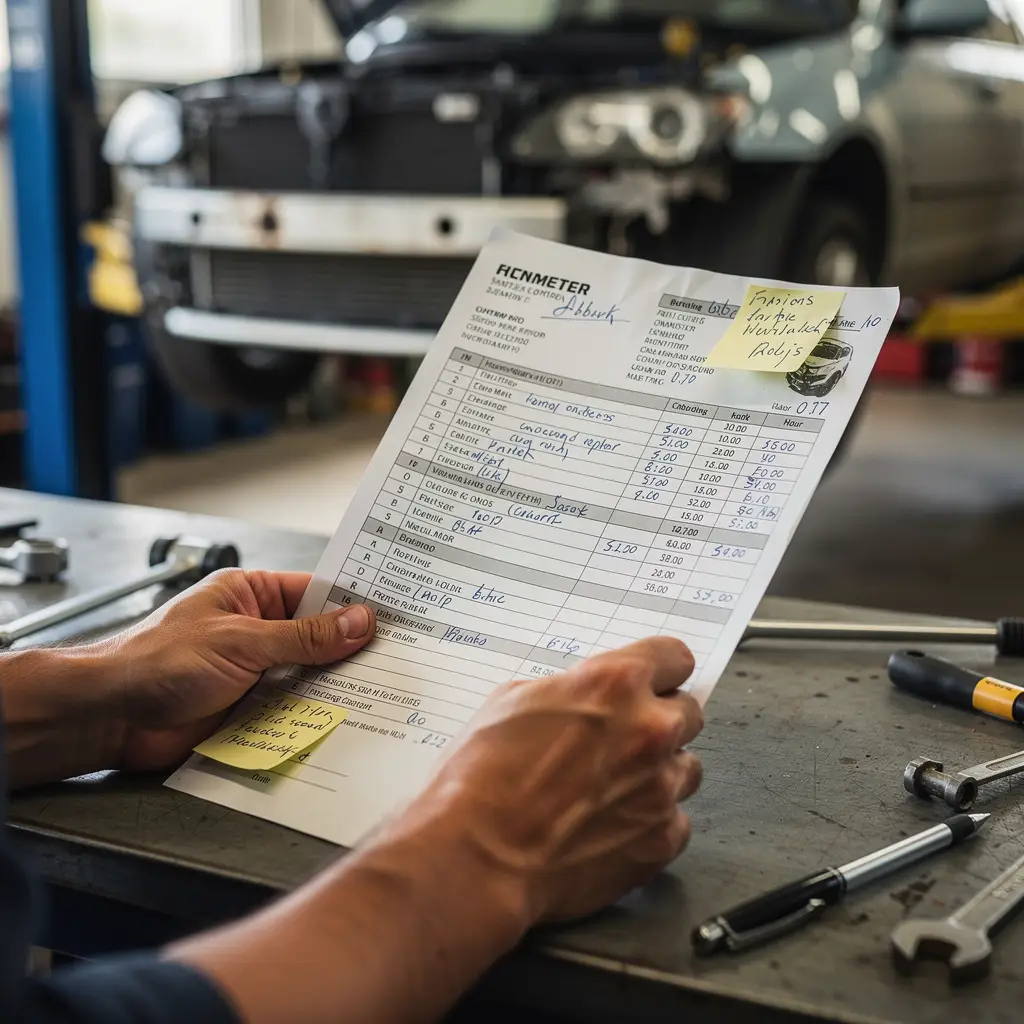
My mechanic gave me a written estimate before starting any work. Went through it line by line to make sure all the damage was included.
Good thing I did because once they started disassembling things, they found frame damage that wasn’t visible during the initial inspection. Had to get a supplemental estimate for an additional $1,400 in repairs.
If we hadn’t been careful with documentation from the start, getting that supplemental approved would’ve been way harder.
What insurance actually covers
My car already had this dent in the passenger door from when I bumped a pole in a parking garage like 6 months ago. Not accident-related at all.
Body shop tried to include fixing that in the estimate. I had to tell them no insurance only covers damage from THIS accident. Not pre-existing stuff. Not unrelated repairs. Not upgrades.
Keep everything strictly related to the accident or insurance won’t pay for it.
My friend Sarah’s car got totaled
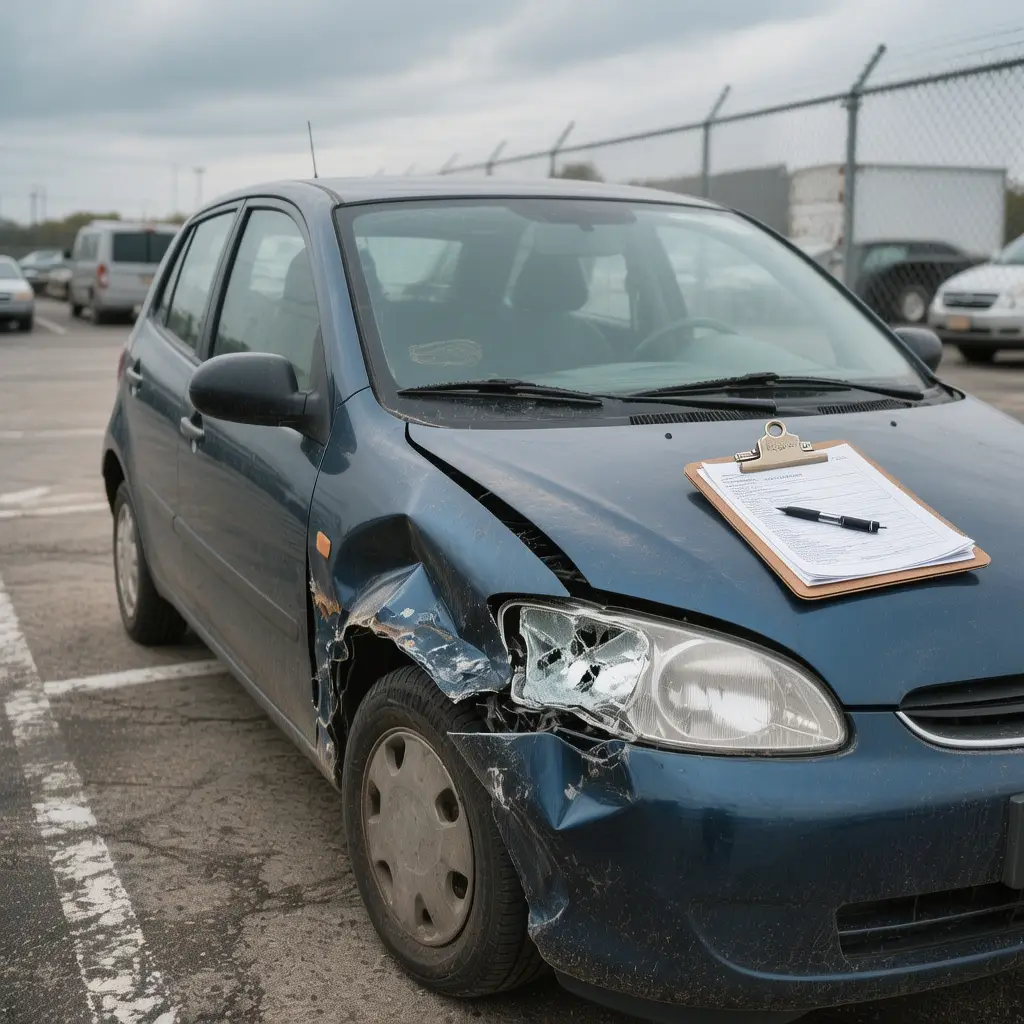
This didn’t happen to me but my friend Sarah had almost the exact same kind of accident a few months before mine. Except hers was way worse.
She got T-boned at an intersection. Other driver ran a red light going like 45mph. Her 2015 Honda Civic got absolutely destroyed.
Car still technically ran but was pretty mangled. Insurance company took one look and was like “yeah this is totaled.”
How they calculate actual cash value
Sarah’s insurance offered her $11,500 for the car. Based on what a 2015 Civic with similar mileage was worth in our area right before the accident.
She thought that was low. I helped her do research and we found eight comparable Civics listed online for $13,000-$14,000. Same year, similar mileage, similar condition.
She sent screenshots and links to her adjuster with a polite email basically saying “these are comparable vehicles in our area selling for significantly more than your offer. Can you explain the discrepancy?”
They came back and increased the offer to $13,100.
So yeah, if you think their valuation is too low, challenge it. Just have actual evidence from comparable vehicle listings in your area.
Sarah’s transmission drama
Three months before the accident, Sarah had paid $2,800 to replace the transmission. Had all the receipts and documentation.
She included that information in her appeal for a higher valuation. Argued that a car with a brand new transmission is worth more than one with an old transmission about to fail.
They considered it and it helped justify the higher offer. So, if you’ve done recent major repairs or maintenance – new tires, new brakes, timing belt, whatever document it and include it in your case for higher value.
The loan payoff situation
Sarah still owed $10,200 on her car loan.
The $13,100 insurance check went directly to her lender. She got the remaining $2,900.
If she’d been upside down on the loan (owing more than the car was worth), she would’ve been stuck with that difference. But luckily she had some equity.
She also had gap insurance from when she first financed the car, but didn’t end up needing it since she wasn’t upside down. But gap insurance would’ve covered any difference if she’d owed more than the payout.
She kept the totaled car
Insurance gave Sarah the option to keep the car and they’d reduce the payout by the salvage value (about $2,400).
She took that option. Got $10,700 instead of $13,100, kept the totaled car, and sold it to her neighbor who’s a mechanic for $3,200.
He wanted it for parts. She ended up making an extra $800 by doing it that way instead of just taking the full insurance payout.
Smart move on her part.
Because the other driver hit me, I had options
The other driver was 100% at fault. He admitted it at the scene, got a ticket, witnesses confirmed it. Pretty clear-cut.
Filing with my insurance vs theirs

I could’ve filed directly with his insurance company. But my agent recommended I file with my own insurance and let them deal with recovering money from the other company.
His reasoning: “We want to keep you happy. We’ll handle your claim quickly and fairly. Then we’ll go after them for reimbursement. The other company has zero incentive to be nice to you or pay you quickly. They’re trying to protect their client and minimize what they pay out.”
Made sense to me. I went through my insurance even though I had to pay my $500 deductible upfront. They reimbursed me for it about six weeks later once they’d recovered money from the other insurance company.
(Side note: if you’re confused about how deductibles and different coverage types actually work, I found this breakdown of auto insurance coverage super helpful when I was trying to understand my policy better.)
My friend Tom dealt with the other insurance
Tom had a similar accident last year and filed directly with the at fault driver’s insurance. Says it was a nightmare.
Their adjuster kept trying to get him to admit partial fault. Asked leading questions like “how fast were you going?” and “did you have time to brake?” trying to build a case that maybe Tom contributed to the accident.
They also pushed him to settle fast. Offered him $7,200 like three days after the accident. Tom accepted it because he just wanted the whole thing over with.
His agent later told him he probably could’ve gotten $9,000-$10,000 if he’d negotiated or let his own insurance handle it.
Tom left like $2,800 on the table because he was impatient and didn’t know better.
Don’t Give Recorded Statements to the Other Insurance

My agent specifically told me: “If the other driver’s insurance calls you and asks for a recorded statement, politely decline and tell them to contact me.”
They’ll use anything you say to try and reduce or deny the claim. They might ask confusing questions or trick questions designed to get you to say something that hurts your case.
All communication should go through your own insurance company if possible. That’s what you’re paying them for.
First offers are always low
Insurance companies expect negotiation. Their first offer is usually their lowest offer.
Don’t just accept it. Review it carefully, compare it to the actual damages and costs you’ve documented, and push back if it’s not fair.
You’re entitled to compensation for:
- Vehicle damage
- Medical expenses
- Lost wages if you missed work
- Rental car costs
- Pain and suffering (depending on the situation)
Document everything with receipts and records. Build your case for why you deserve more than they’re offering.
I didn’t need a lawyer but some people do
My accident was pretty straightforward. Clear fault, minimal injuries, reasonable insurance companies. No lawyer needed.
But there are definitely situations where hiring an attorney makes sense.
Serious injuries and big medical bills
If you’re looking at medical bills over $10,000 or you need surgery or long-term treatment probably talk to a lawyer.
Calculating fair compensation for:
- Future medical costs
- Lost earning capacity if you can’t work
- Long-term pain and suffering
- Permanent disability or disfigurement
That stuff is complicated and insurance companies are really good at minimizing those claims. Lawyers know how to calculate appropriate compensation and how to negotiate.
When fault gets disputed
If the other insurance company is denying your claim or trying to pin significant fault on you when you know it wasn’t your fault legal help might be necessary.
They’ve got investigators and lawyers working to protect their interests. You should have someone working to protect yours.
Bad faith insurance practices
If your own insurance company is acting shady:
- Denying valid claims without good reason
- Stalling and not returning calls
- Offering settlements way below fair value
- Failing to process your claim in reasonable time
That’s called bad faith, and you might need a lawyer to hold them accountable. Insurance companies are supposed to handle claims fairly and in good faith. If they’re not, there can be legal consequences.
The math on contingency fees
Most personal injury lawyers work on contingency they only get paid if you win. Usually 33-40% of whatever settlement or judgment you get.
Initial consultations are typically free so it doesn’t cost anything to at least talk to one and get their opinion on whether your case justifies hiring them.
But you gotta do the math:
If your claim is worth $5,000 and a lawyer takes 33%, you get $3,350. Could you have negotiated that same claim yourself and gotten $4,000? Then the lawyer actually cost you $650.
But if insurance is offering you $6,000 and a lawyer gets you $18,000 and takes 40%, you net $10,800. That’s $4,800 more than you would’ve gotten on your own. Lawyer fees were absolutely worth it in that scenario.
Depends on the situation. For simple cases, you probably don’t need one. For complicated cases with big money or serious injuries, they can be worth every penny.
Mistakes I made that you shouldn’t

Let me save you from my screw-ups. Here’s what I’d do differently:
Apologizing too much at the scene
Already mentioned this but it’s worth repeating. Don’t say it was your fault. Don’t apologize excessively. Be polite and make sure everyone’s okay, but don’t admit liability.
What I said: “I’m so sorry, I should have been more careful”
What I should’ve said: “Are you okay? Let’s exchange information”
Not documenting my headache
I had a headache at the scene and didn’t mention it to the police officer or my insurance company initially. Thought it was just stress.
Three days later my neck was killing me. Turned out to be whiplash. Getting that covered by insurance was harder because it wasn’t documented right away.
Tell the police officer about ANY pain or discomfort, no matter how minor it seems. Get it in the police report. Medical bills add up fast and you want to make sure everything’s properly documented from the start. Actually, understanding what your insurance covers can save you a lot of confusion later too.
Taking too few photos
I thought 15 photos was plenty. Wish I’d taken 50. You can never have too much documentation.
Being slow to respond to my adjuster
Made her job harder and delayed my claim. Just be responsive. Return calls and emails promptly, send requested documents quickly, show up on time.
Almost signing a weird medical release form
Jennifer sent me this form that would’ve given the insurance company access to my entire medical history going back 10 years. For a car accident where I had minor whiplash.
I was about to sign it without reading it carefully. My mom (who works in healthcare) looked at it and was like “absolutely not, don’t sign this.”
They were probably trying to find some pre-existing condition to deny coverage. Only provide medical records directly related to the accident.
What I’d do different next time
Hopefully there won’t be a next time but if there is:
My personal accident checklist:
| Priority | Action | Why It matters |
|---|---|---|
| Critical | Take 50-100 photos of everything | Storage is free, documentation is priceless |
| Critical | Document immediately (within minutes) | Memory fades faster than you think |
| Important | Tell police about ANY discomfort | Even minor pain needs documentation |
| Important | Start tracking spreadsheet day one | Prevents communication issues later |
| Helpful | Ask more questions upfront | Rental process, deductible, timeline |
| Helpful | Be more assertive early | Push back sooner when something seems off |
But honestly? It worked out fine. Took about six weeks total from accident to getting my car back fully repaired. Got reimbursed for my deductible and rental car. Other driver’s insurance covered everything.
Could’ve been smoother if I’d known what I was doing from the start, but it wasn’t a total disaster. Learning how insurance companies actually calculate costs and determine coverage helped me understand the whole process better there’s a pretty comprehensive guide I wish I’d read before all this happened.
Bottom line
Car accidents suck and dealing with insurance companies is nobody’s idea of a good time.
But if you document everything thoroughly from the beginning, stay organized, know your rights, and aren’t afraid to push back when something’s wrong you’ll get through it.
Those first 30 minutes matter more than anything else. What you photograph, what you say (or don’t say), what information you gather. All of that determines how smooth or complicated your claim ends up being.
So even though you’re shaken up and stressed take a breath and make yourself do these things:
- Take tons of photos
- Get witness info
- Write down what happened immediately
- Don’t admit fault
- Call your insurance the same day
And throughout the whole process:
- Keep detailed records
- Be responsive
- Get everything in writing
- Challenge things that don’t seem right
- Know when to get professional help
It’s overwhelming at first but you’ll figure it out. And you’ve got this guide now so you’re already ahead of where I was.
Stay safe out there. And seriously, put your phone down when you’re driving. The guy who hit me was texting. Don’t be that guy.
Stay covered, stay safe, and happy driving.