most fuel-efficient used hybrids and electric cars
Fuel prices bounce around. Commutes do not. That is why used hybrids and EVs keep pulling attention in 2026, especially if you drive a lot or spend time in traffic. The smart move is to shop efficiency and reliability together, not as separate goals. I keep the same baseline process i use for any pre-owned vehicle, and i like having a complete used car buying guide in the background so paperwork, inspection habits, and total cost thinking stay consistent.
The good news is that you do not need a huge budget to cut your fuel spending. The used market has plenty of proven hybrids, and there are EVs with real-world range that works fine for daily driving. The key is knowing what to check before you trust the numbers on a window sticker.
how to think about “fuel-efficient” in 2026
For hybrids, efficiency is straightforward. You will see ratings in mpg. Real-world results depend on speed, temperature, tire pressure, and how often you sit in stop-and-go traffic.
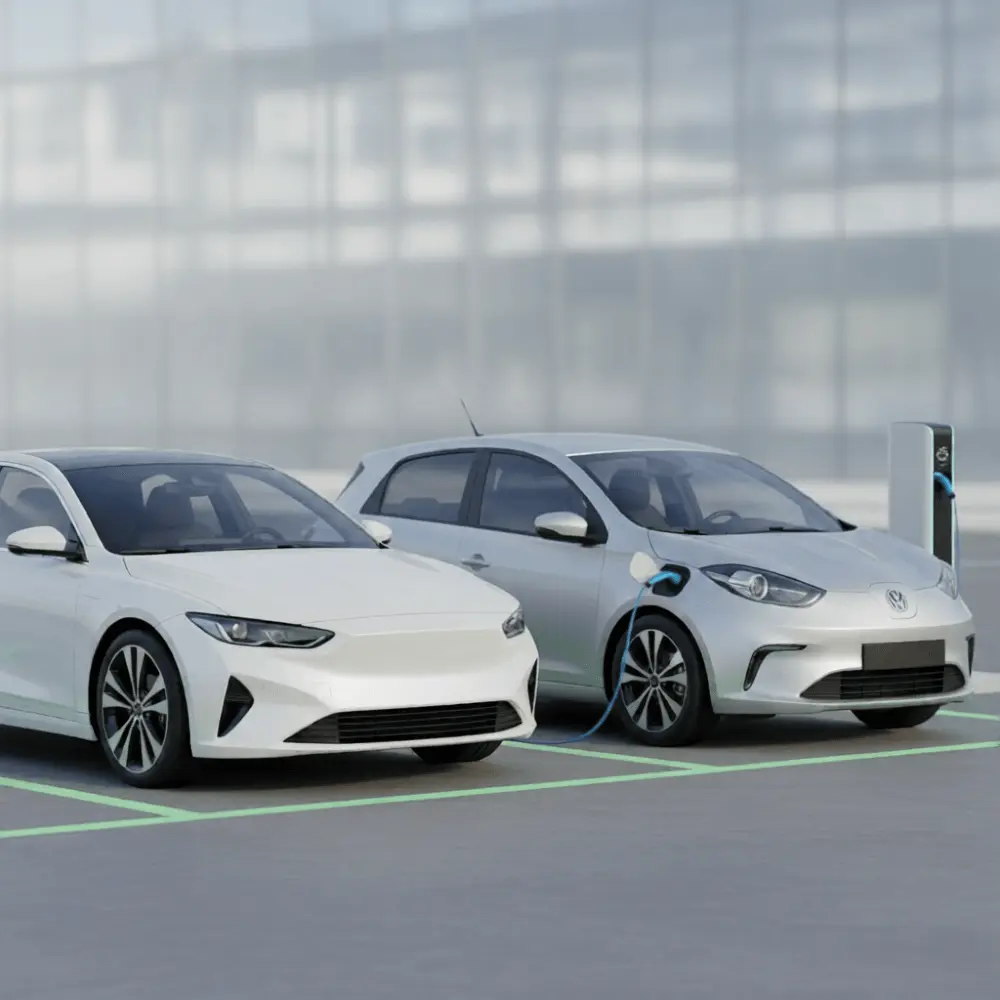
For EVs, the conversation changes. You care about range, charging speed, and energy use in kWh/100mi or miles per kWh. You also care about where you charge. Home charging is usually cheaper and easier. Public fast charging is convenient but can cost more than people expect.
If your driving is mostly short trips with lots of stops, hybrids and EVs both shine. If you drive long highway miles at 75 to 80mph, hybrids still do well, while EV range can drop faster than you think.
used hybrids that deliver the best efficiency per dollar
toyota prius (the classic for a reason)
A used Prius remains one of the easiest ways to cut fuel use without changing your habits. It is efficient in traffic and steady on the highway. It also has a long track record, which helps with parts, repairs, and resale.
What i check on a used Prius:
- Smooth braking feel, because hybrid brake blending should feel natural
- A clean service record, especially oil changes and coolant service
- No warning lights, and no weird fan noise from the rear battery area
If you find a Prius with honest maintenance and a clean interior, it is often a low-drama buy.
toyota corolla hybrid and camry hybrid (simple daily efficiency)
These can be excellent if you want a normal sedan feel with hybrid savings. You usually get good mileage without giving up trunk space or comfort. The Camry hybrid can be a great commuter car if you want more room.
What to watch:
- Tires and alignment, because low rolling resistance tires matter for mileage
- Consistent maintenance, even though hybrids can feel “set and forget”
honda accord hybrid (efficient and comfortable)
A used Accord hybrid can be a strong pick if you want efficiency without sacrificing highway comfort. It tends to feel refined, and it makes a lot of sense for drivers who do 15,000 to 25,000mi a year.
Check:
- A quiet ride at highway speed
- Smooth power delivery during light acceleration
hyundai ioniq hybrid (often undervalued)
The Ioniq hybrid is one of those cars that can be a quiet bargain. It is efficient, practical, and sometimes priced better than the Toyota and Honda equivalents.
Pay attention to:
- Service records
- Any odd behavior from infotainment or driver assist systems
used EVs that make sense for efficiency and daily life
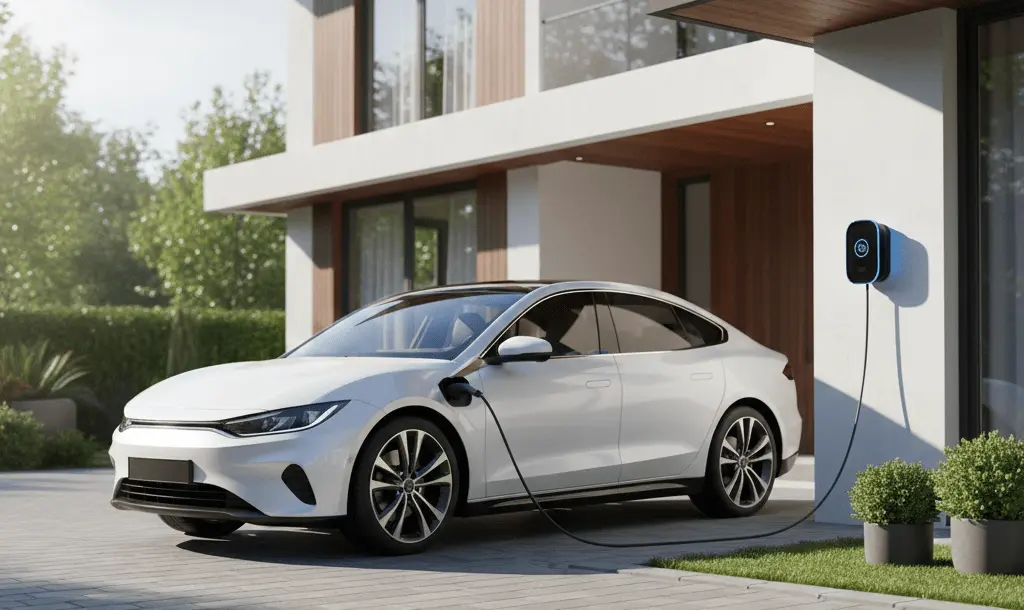
EV value depends heavily on your charging setup. If you can plug in at home, even with a basic 120V outlet, ownership gets easier. A 240V home charger makes it feel almost effortless.
chevrolet bolt ev (practical range, strong used value)
The Bolt EV has become a common recommendation because it often offers good range for the money. It is efficient, and it works well as a daily commuter.
What i check on a used Bolt:
- Battery recall status and documentation
- Smooth operation of the charge port and charging settings
- Tire condition, because efficiency drops fast on worn or cheap tires
nissan leaf (great for short commutes, be honest about range)
A used Leaf can be a very affordable way into EV ownership, but it is best for drivers with shorter commutes and a place to charge at home. Battery health matters a lot here. Some older examples have meaningful range loss.
If you shop a Leaf, you should:
- Verify battery health data if available
- Test real-world range expectations, not just the original rating
- Avoid buying based on price alone if you need highway range
tesla model 3 (efficient, popular, but inspect carefully)
Model 3 efficiency can be strong, and charging access is a plus for many buyers. At the same time, you should inspect build quality items, tires, and any signs of hard use. Used prices vary wildly by year, mileage, and trim.
I focus on:
- Panel alignment and wind noise
- Suspension noise over bumps
- Tire wear, because torque can eat tires
battery health: what matters and what is overhyped
Battery fear is common. Some of it is reasonable. A lot of it is vague.
For hybrids, the battery is usually not a daily concern if the car was cared for. You still want to avoid warning lights and you want a smooth drive. Heat is the enemy, so cars in extreme climates deserve a closer look.
For EVs, battery health affects range and value. You do not need perfect numbers, but you do need realistic expectations. A car that originally did 250mi may not do that today, especially in cold weather or at high speed.
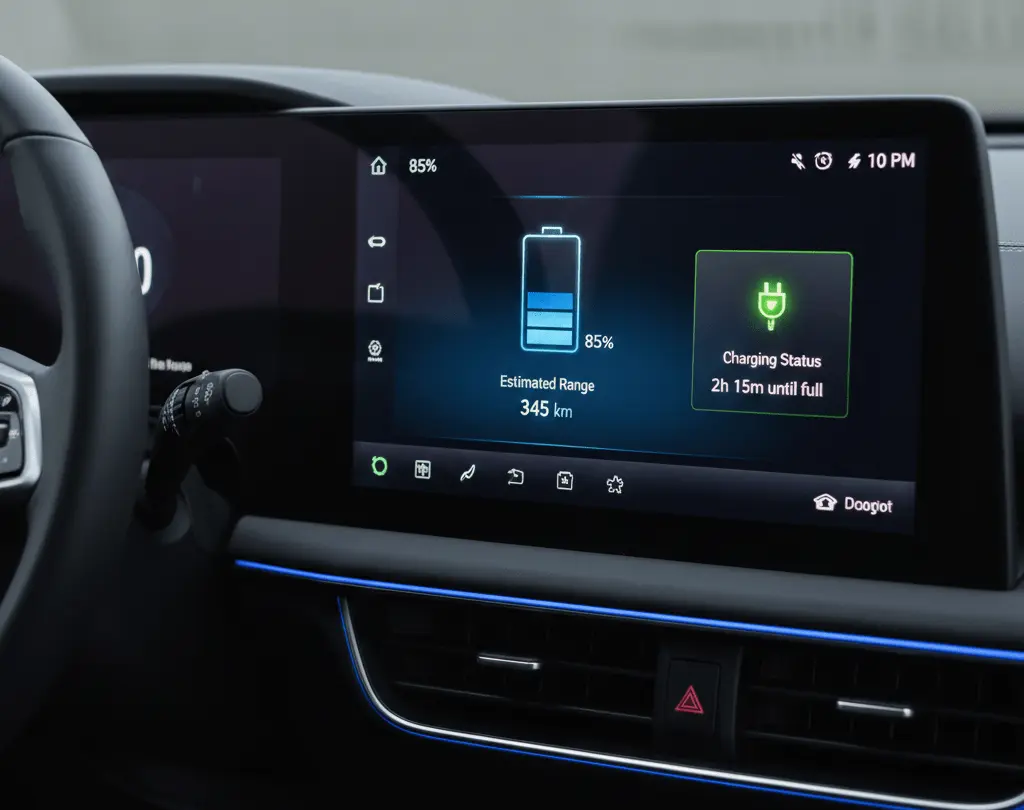
Simple battery-related checks that help:
- Look for recall completion paperwork when relevant
- Confirm charging works normally at both slow and fast speeds if possible
- Check for warning messages and odd charging limits set by the owner
If the seller cannot explain charging behavior, take that as a caution sign.
real running costs: electricity, tires, and maintenance
People buy efficient cars to save money, so it is worth being blunt about where the money goes.
Hybrids typically save on fuel, while maintenance stays fairly normal. You still do oil changes. You still replace brakes and tires. Brakes can last longer because regenerative braking helps, but it depends on driving style.
EVs can save a lot on energy, but costs show up in different places:
- Tires can be more frequent, because EVs are heavy and have instant torque
- Suspension components may wear faster on rough roads due to weight
- Cabin air filters and brake fluid still exist, even if oil changes do not
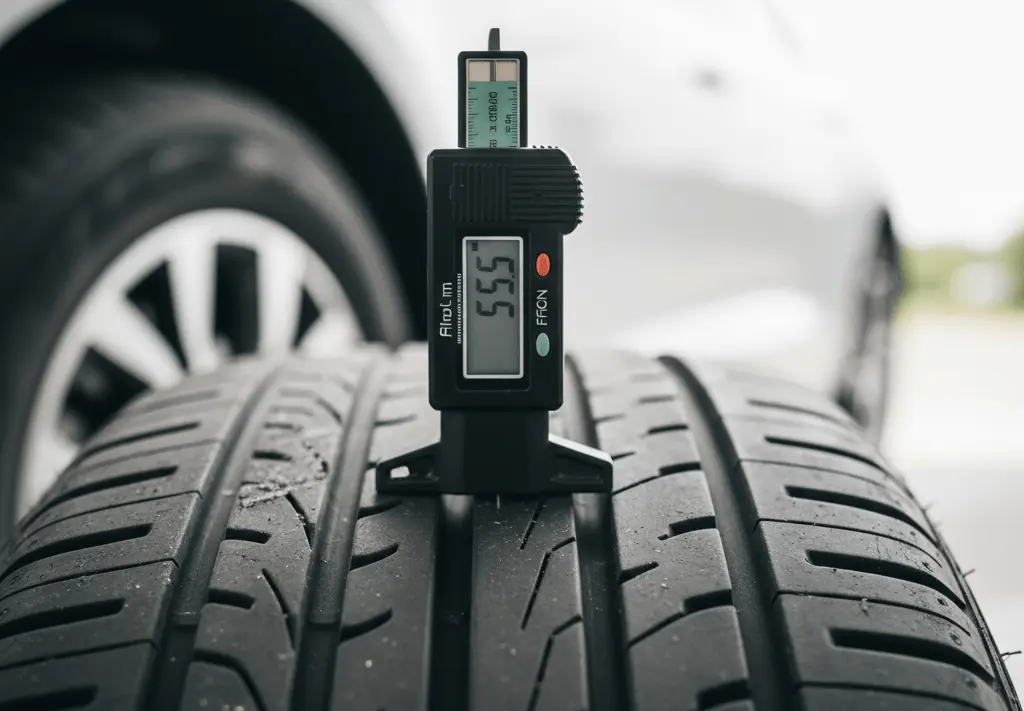
A practical budgeting tip. If you buy a used EV, assume you will buy tires sooner than you want. Check tread depth and brand. Cheap mismatched tires can hurt range and safety.
inspection and test drive checklist for hybrids and EVs
I keep the inspection simple but focused.
For hybrids:
- Test drive in stop-and-go traffic if you can
- Listen for odd engine cycling, rough starts, or vibration
- Confirm the AC blows cold at idle, because hybrid systems behave differently
- Watch for warning lights that appear after a few minutes, not just at startup
For EVs:
- Confirm the car charges, and that the charge port opens and locks properly
- Check for unusual drivetrain noises, EVs should be quiet
- Verify heat and AC performance, because climate systems affect range
- Check underbody condition, especially if the car lived in snow states
If you can only do one extra step, pay for a pre-purchase inspection. EVs and hybrids are still cars, and most expensive surprises are not “battery failures.” They are suspension wear, accident repairs, or neglected basics.
best picks by driver type
If you want the simplest fuel savings with the least lifestyle change:
- Toyota Prius
- Toyota Corolla hybrid
- Honda Accord hybrid
If you have home charging and mostly drive 20 to 60mi per day:
- Chevrolet Bolt EV
- Tesla Model 3 (if the specific example checks out)
If you have a short commute and want a cheap entry into EV ownership:
- Nissan Leaf, but only if battery health matches your needs
closing thoughts
The most fuel-efficient used hybrids and electric cars are the ones that match your routine, not the ones with the most impressive headline number. If you can charge at home, an EV can be a very clean solution for daily driving. If you cannot, a hybrid often gives you 80% of the savings with fewer constraints. Either way, the best deals are the cars with clear history, honest wear, and a test drive that feels calm and consistent.
If you are already thinking about upgrading comfort and features after saving on fuel, comparing ownership costs on brands like BMW, Mercedes, and Audi is a smart next step. A well-planned shortlist of best luxury used cars under $35,000$35,000 can help you avoid turning fuel savings into surprise repair bills.
Do you want the next luxury article to lean more toward lowest maintenance risk, or toward the best driving experience for the money?