Lane Keeping Assist: How It Works and Why It Matters
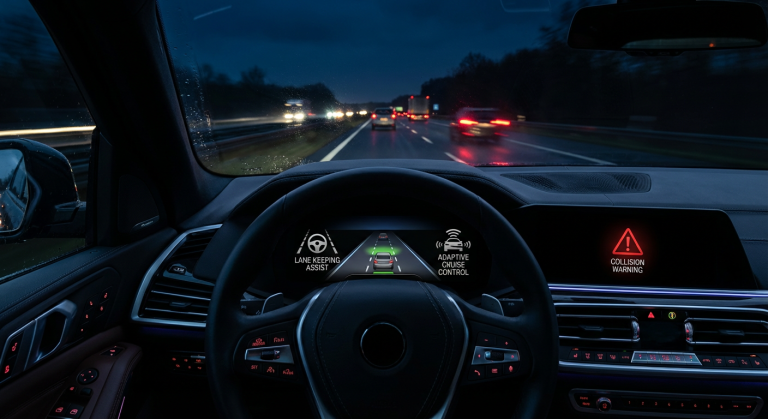
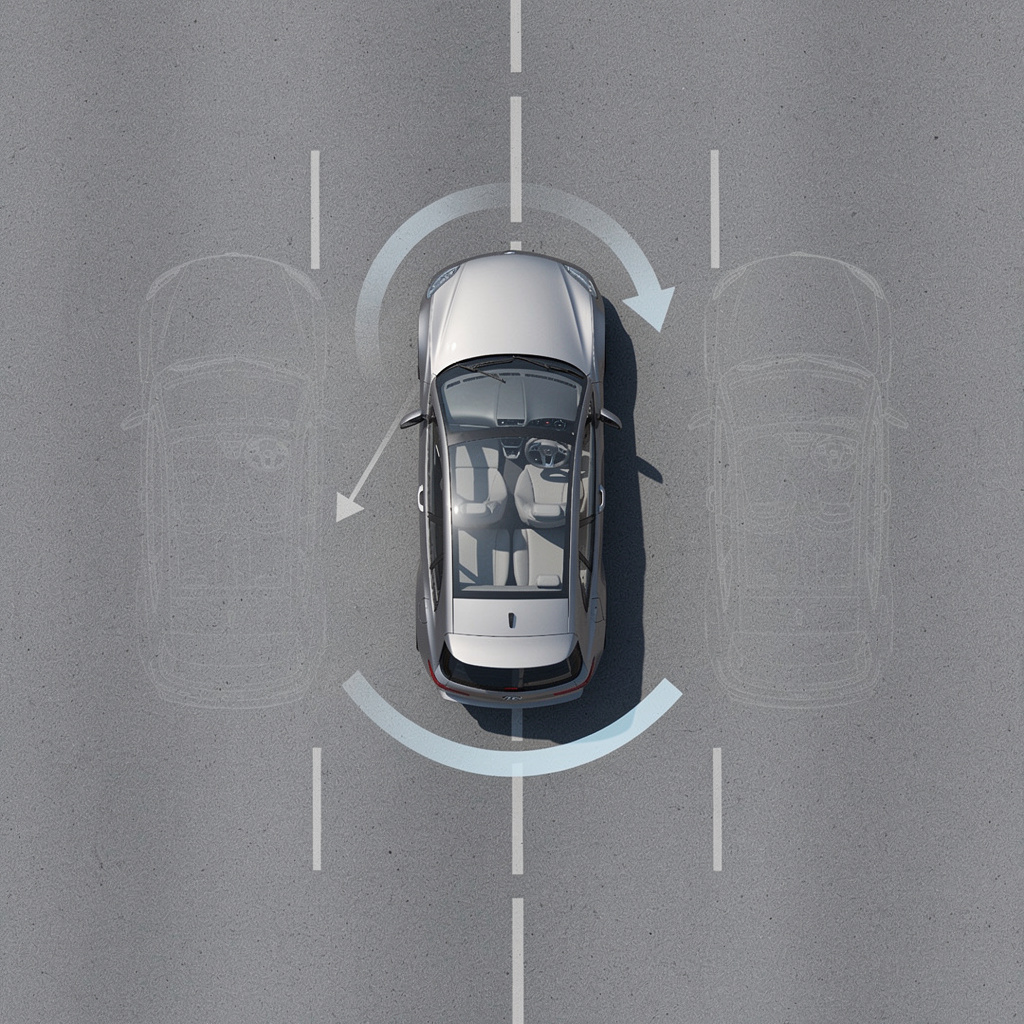
Lane Keeping Assist (LKA) is a driver‑assist feature that helps keep your car within its lane by gently correcting the steering if you start to drift unintentionally. It works together with lane‑departure warning and other ADAS features to reduce crashes caused by wandering out of your lane, especially on highways.
Lane keeping assist vs lane departure warning
LKA and Lane Departure Warning (LDW) are related but not the same thing.
- Lane Departure Warning (LDW):
- Lane Keeping Assist (LKA) / Lane‑keep assist:
The key difference: LDW alerts you; LKA can actually steer briefly to help keep you inside your lane.
How lane keeping assist works
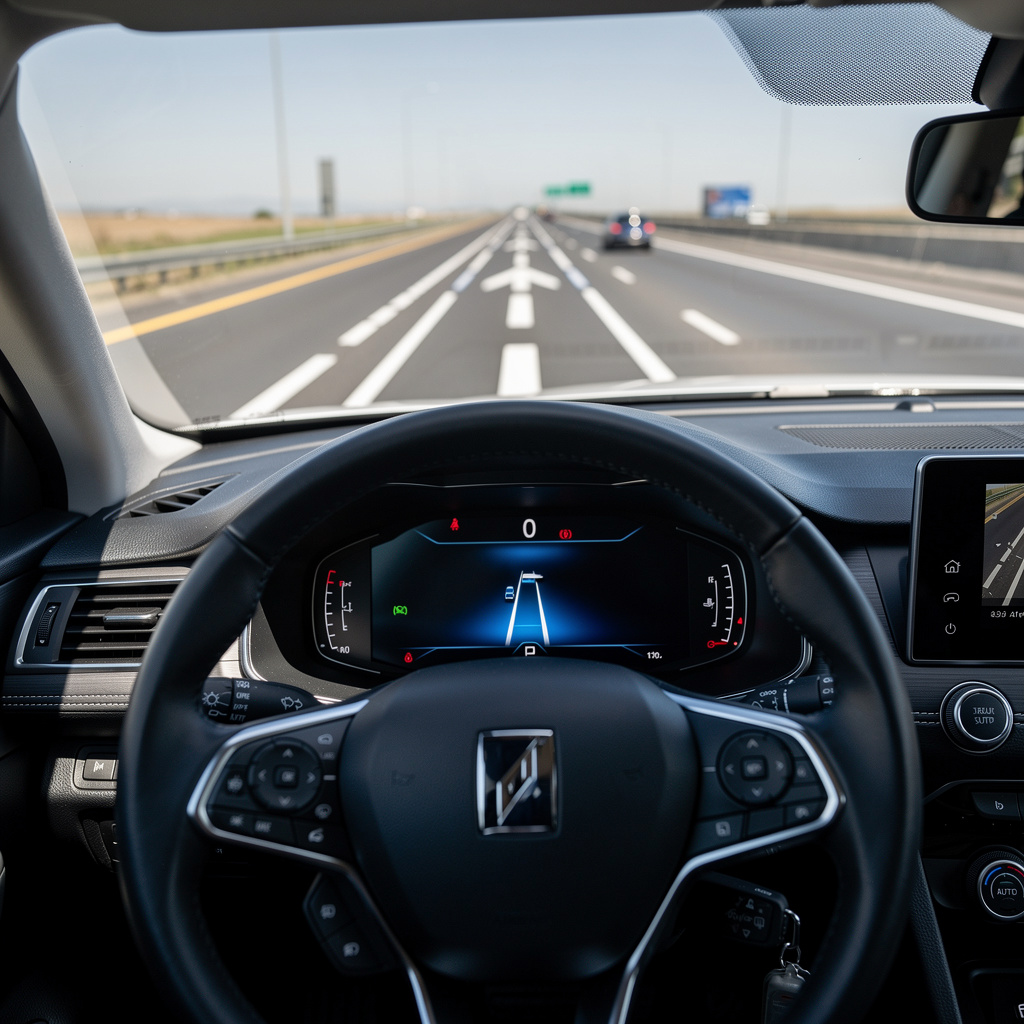
Most LKA systems rely on a forward‑facing camera mounted near the top of the windshield, usually behind the rear‑view mirror.
Basic steps:
- The camera “sees” lane markings and calculates where the center of your lane should be.
- At typical highway speeds (often above about 37–40 mph / 60–64 km/h), the system monitors your position relative to the lane lines.
- If it detects that you are drifting toward a lane line without using your turn signal, it provides a gentle steering correction or brief “push back” to guide you back toward the middle.
- If you continue to leave the lane, the system may also flash a warning and sound an alert or vibrate the steering wheel.
The driver can usually override the steering nudge easily by holding the wheel firmly or signaling a lane change.
Read more :Best car safety features 2026
When LKA helps most – and its limitations
Lane keeping assist is designed mainly for highway and major road use, not for city streets or sharp curves.
It works best when:
- Lane markings are clearly visible and not covered by snow, dirt or heavy wear.
- You’re driving at or above the minimum activation speed (often around 37–40 mph).
Limitations:
- It can struggle with faded or missing lane lines, construction zones and complex intersections.
- It is not a hands‑free or self‑driving system; most setups monitor steering input and will warn you if you let go of the wheel for too long.
Because of these limits, safety organizations stress that drivers must always stay engaged and ready to steer, even when LKA is active.
Why lane keeping assist matters for safety
Unintentional lane departures—especially on high‑speed roads—are a major cause of serious crashes. Lane keeping assist helps by:
- Reducing the chance of drifting out of your lane due to distraction or drowsiness.
- Working together with lane‑departure warning, driver‑monitoring and adaptive cruise to support safer long‑distance driving.
- Providing extra protection at night or in monotonous highway conditions where drivers are more likely to lose focus.
Used properly—as a backup, not a replacement for attention—LKA is one of the most valuable modern safety features to look for in a 2026 car.
Read more : Advanced driver assistance systems explained