
How to get pre-approved for used car financing
Pre-approval gives you a clear budget and stronger negotiating position before visiting dealerships. The process involves submitting financial documents, undergoing a credit check, and receiving a conditional loan offer specifying your maximum amount and interest rate. Most lenders provide pre-approval decisions within 24-48 hours, and it typically remains valid for 30-60 days. This preparation step is crucial for anyone navigating the landscape of used car financing and payment strategies, ensuring you shop with confidence and avoid dealer markup surprises.
what pre-approval actually means
Pre-approval differs from pre-qualification in important ways. Pre-qualification gives you a rough estimate based on self-reported information without verifying your financial details. Pre-approval requires documentation and a hard credit inquiry but provides a formal commitment from the lender up to a specific amount and rate.
When you receive pre-approval, the lender has reviewed your credit history, income verification, and debt-to-income ratio. They’re making a genuine offer to lend you money within stated parameters. This distinction matters because dealers and private sellers take pre-approval seriously while pre-qualification carries less weight in negotiations.
The approval remains conditional until you identify a specific vehicle and the lender verifies its condition and value. If the car passes their inspection standards and meets age or mileage requirements, your pre-approval converts to final approval. Some lenders impose restrictions like refusing to finance vehicles older than 10 years or with salvage titles.
gathering required documents
Lenders need proof of identity, income, residence, and insurance. Start with a government-issued ID like your driver’s license or passport. You’ll also need your Social Security number for the credit check though some lenders accept Individual Taxpayer Identification Numbers for non-citizens.
Income verification typically requires recent pay stubs covering the last 30 days if you’re employed. Self-employed borrowers face more scrutiny and usually must provide tax returns from the past two years plus bank statements showing consistent deposits. Some lenders accept pension statements, disability payments, or other regular income sources.
Proof of residence comes from utility bills, lease agreements, or mortgage statements dated within the last 60 days. Lenders want to confirm your address matches what appears on your credit report. If you recently moved, bring documentation showing both your current and previous addresses.
Insurance requirements vary by lender but having coverage lined up demonstrates you’re serious about the purchase. Some lenders require proof of insurance before final approval while others accept your commitment to insure the vehicle upon purchase.
choosing where to apply
Apply with at least three different lenders to compare offers. Include one traditional bank, one credit union, and one online lender in your comparison. This strategy helps you see the full range of available rates and terms without putting all your eggs in one basket.
Credit unions deserve priority consideration because they consistently offer lower rates than banks. If you don’t already belong to one, research membership eligibility in your area. Many credit unions have relaxed requirements and joining costs little to nothing.
Online lenders process applications faster than traditional institutions. You can complete everything from your phone and receive decisions within hours instead of days. However, they may lack the personal touch and flexibility that local lenders provide when unique situations arise.
Avoid applying with too many lenders within a short timeframe. Credit scoring models recognize when you’re rate shopping for a car loan and typically count multiple inquiries within a 14 to 45-day window as a single inquiry. Still, limit yourself to three or four applications to minimize the impact on your credit score.
completing the application process
Most lenders offer online applications that take 15 to 30 minutes to complete. You’ll enter personal information, employment details, housing costs, and existing debts. Be accurate because discrepancies between your application and credit report raise red flags that can delay approval or result in denial.
The debt-to-income ratio calculation divides your monthly debt payments by your gross monthly income. Lenders prefer ratios below 40% though some accept higher percentages for borrowers with excellent credit. Include your rent or mortgage, credit card minimums, student loans, and other recurring obligations when calculating this figure.
Employment history matters more than many borrowers realize. Lenders prefer at least two years with the same employer or in the same field. Frequent job changes can signal instability even if your income has remained steady. Be prepared to explain any gaps in employment or recent career transitions.
After submission, the lender performs a hard credit inquiry that temporarily drops your score by a few points. They review your credit reports from one or more bureaus looking for payment history, credit utilization, and any red flags like bankruptcies or foreclosures. Decision timelines range from instant online approvals to several business days for manual underwriting.
understanding your pre-approval offer
Your approval letter specifies the maximum loan amount, interest rate, and loan term. The maximum amount might exceed what you want to spend so resist the temptation to stretch your budget just because you’re approved for more. Stick to your predetermined monthly payment limit.
Interest rates on pre-approval offers sometimes include a range rather than a fixed number. The final rate depends on the vehicle you choose because older cars or those with high mileage carry higher rates. Luxury brands sometimes face higher rates too because they depreciate faster than mainstream vehicles.
Loan terms typically range from 36 to 72 months with some lenders extending to 84 months. Longer terms reduce monthly payments but dramatically increase total interest costs. A 60-month loan usually represents the sweet spot between manageable payments and reasonable interest expenses.
Pre-approval validity windows require attention because most expire after 30 to 60 days. Some lenders extend this period upon request while others require a fresh application. Plan your car shopping timeline accordingly to avoid wasting the pre-approval.
leveraging pre-approval at dealerships
Walk into negotiations knowing exactly what you can afford and what rate you’ve already secured. Dealers often present financing as a monthly payment rather than focusing on the total price or interest rate. Having pre-approval lets you evaluate their offers honestly.
Dealers sometimes match or beat your pre-approved rate because they earn kickbacks from captive lenders. If they offer a lower rate, read the fine print carefully. Ensure the terms match your pre-approval and watch for added products like extended warranties that inflate the final cost.
Private party sales require pre-approval from lenders that work outside dealership networks. Credit unions excel at private party financing while some banks restrict loans to dealer purchases only. Verify this detail before getting pre-approved if you plan to buy from an individual.
common Pre-approval mistakes to avoid
Applying for new credit cards or taking on new debt between pre-approval and final purchase can torpedo your loan. Lenders often run a second credit check before funding and significant changes to your debt load may void the original approval.
Making large purchases on credit or missing payments during the pre-approval window creates similar problems. Maintain your financial status quo until you’ve closed on the vehicle and the loan has funded.
Waiting too long to use your pre-approval wastes the opportunity and requires starting over. Set a realistic shopping timeline and stick to it. If circumstances prevent you from buying within the validity window, contact your lender about extension options before it expires.
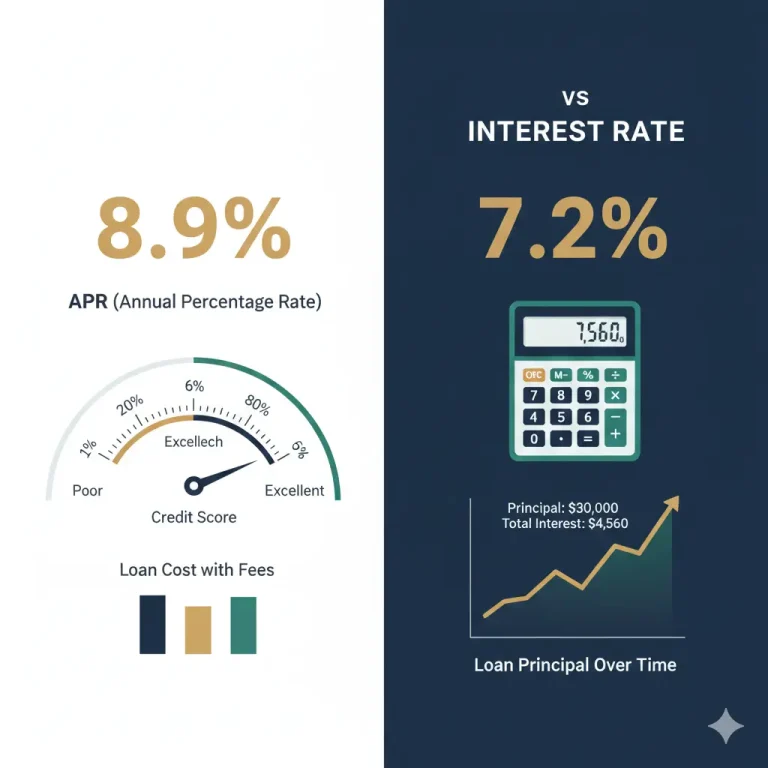
Getting pre-approved puts you in control of the financing conversation whether you’re buying from a dealer or private seller. The next step involves understanding how APR and interest rates work on used car loans so you can evaluate whether the terms you’ve been offered represent a fair deal or if you should continue shopping for better rates.