How to get free auto insurance quotes in California: complete step-by-step guide
Shopping for auto insurance shouldn’t feel like navigating a maze blindfolded. Yet many California drivers either skip comparison shopping entirely overpaying by hundreds or thousands annually or make critical mistakes that invalidate their comparisons and lead to poor decisions.
Getting accurate, comparable auto insurance quotes is a skill that directly impacts your wallet. The average California driver who compares quotes from at least five insurers saves $847 annually compared to those who simply renew with their current company or choose the first quote they receive.
This comprehensive guide walks you through exactly how to obtain free auto insurance quotes in California, compare them effectively, and make an informed decision that balances cost with adequate protection. Whether you’re a first-time insurance buyer, switching companies, or simply ensuring you’re getting the best rate, this step-by-step process ensures you get accurate quotes and identify genuine savings opportunities.
Why getting multiple quotes is non-negotiable
Before diving into the how-to, understand why quote comparison matters so dramatically:
Massive Rate Variations Between Companies
For identical coverage, rates between insurers can vary by 100% or more. A 35-year-old driver with a clean record insuring a 2020 Honda Accord might receive quotes ranging from $1,200 to $2,800 annually a $1,600 difference for the exact same protection.
These variations exist because each insurer uses proprietary algorithms weighing risk factors differently. One company might heavily penalize young drivers while offering excellent rates to seniors. Another might be lenient on speeding tickets but harsh on accidents. You can’t predict which company will give you the best rate without comparing.
Companies Target Different Customer Segments
Insurance companies actively adjust pricing to attract specific demographics while discouraging others. This year, Company A might aggressively pursue new customers in Los Angeles with competitive rates, while Company B focuses on retaining existing policyholders with loyalty discounts.
These strategic shifts mean last year’s best deal might not be competitive today.
Your Profile Changes Over Time
Life events trigger rate changes:
- Turning 25 (rates typically decrease)
- Getting married (usually lowers premiums)
- Moving to a new zip code (could increase or decrease rates)
- Paying off your car (opportunity to adjust coverage)
- Adding or removing drivers
- Accidents or violations falling off your record
Each change creates opportunities for better rates with different insurers.
Industry Data Confirms the Savings
Studies consistently show:
- Drivers comparing 5+ quotes save an average of $847/year in California
- 67% of drivers who switch save money
- The average savings when switching is $416/year
- Only 42% of drivers compare quotes annually (meaning 58% likely overpay)
Thirty minutes of quote comparison translates to $28/minute in average savings better ROI than virtually any other use of your time.
Before you start: Essential information to gather
Requesting quotes goes faster and produces more accurate results when you have all necessary information readily available. Scrambling mid-quote wastes time and increases error likelihood.
Driver Information (for all household drivers)
Compile these details for everyone in your household who will be listed on the policy:
- Full legal names
- Dates of birth
- Driver’s license numbers
- License issue dates
- Marital status
- Occupation (some companies offer professional discounts)
- Education level (sometimes affects rates)
- Whether each driver is primarily assigned to a specific vehicle
Driving History (for all drivers)
You’ll need comprehensive driving records for the past 3-5 years:
- All accidents (at-fault and not-at-fault), including dates and costs
- All traffic violations (speeding, running red lights, etc.)
- DUI/DWI convictions
- License suspensions
- Any at-fault accidents where you didn’t file a claim
Don’t guess or “estimate” these details. Inaccuracies discovered later can void quotes or result in claim denials. If unsure about your driving record, order an official copy from the California DMV before requesting quotes.
Vehicle Information (for all vehicles)
For each vehicle you’re insuring:
- Year, make, and model
- Vehicle Identification Number (VIN) – find this on registration or driver-side dashboard
- Current odometer reading
- Annual mileage estimate (be realistic tracking apps or maintenance records help)
- Primary use (commute, pleasure, business)
- Where the vehicle is parked overnight (garage, carport, street)
- Safety features (anti-lock brakes, airbags, anti-theft systems, backup cameras, automatic emergency braking, etc.)
- Whether the vehicle is owned, leased, or financed
- Lender information (if applicable)
Current Insurance Information
If you currently have insurance:
- Your current policy declarations page (shows all coverages and limits)
- Current premium amount
- Policy effective and expiration dates
- Coverage types and limits
- Deductibles
- Any endorsements or special coverages
- Claims history with current insurer
This information helps ensure you’re comparing equivalent coverage and enables you to negotiate with your current insurer if competitors offer better rates.
Desired Coverage Details
Before requesting quotes, decide:
- Liability limits you want (15/30/5 minimum vs. 100/300/100 recommended vs. higher)
- Whether you want comprehensive and collision coverage
- Deductible amounts you’re comfortable with ($500, $1,000, $2,500)
- Uninsured/underinsured motorist coverage preferences
- Medical payments coverage amount
- Optional coverages (rental reimbursement, roadside assistance, gap insurance)
Having these decisions made beforehand ensures all quotes reflect your actual needs rather than random combinations.
Additional Helpful Information
- Homeowner or renter status (affects eligibility for certain discounts)
- Whether you have other insurance policies to potentially bundle
- Membership in organizations that might qualify for discounts (AAA, alumni associations, professional groups)
- Whether you’re willing to participate in telematics/usage-based insurance programs
- Payment preference (monthly, semi-annual, annual)
Gathering this information upfront transforms quote shopping from a frustrating, hours-long ordeal into a streamlined 30-45 minute process.
Method 1: Using online comparison websites
Comparison websites aggregate quotes from multiple insurers simultaneously, offering the fastest way to see rate variations.
How Comparison Sites Work
You enter your information once, and the site’s algorithm requests quotes from participating insurers. Within minutes, you receive multiple quotes displayed side-by-side for easy comparison.
Best Comparison Sites for California Drivers
The Zebra
- Compares 100+ insurance companies
- Provides instant quotes without requiring contact information upfront
- Shows coverage details side-by-side
- Includes customer reviews and ratings
- Average time: 5-7 minutes
- Pros: Comprehensive, user-friendly interface, no immediate phone calls
- Cons: Doesn’t include all insurers (notably absent: USAA, some regional carriers)
Compare.com
- Partners with major national carriers
- Instant online quotes
- Simple comparison interface
- Average time: 5-8 minutes
- Pros: Quick, straightforward, mobile-friendly
- Cons: Limited carrier selection, may generate follow-up calls
Insurify
- AI-powered comparison platform
- Text and photo-based quote process (can upload license plate for vehicle info)
- Compares 100+ carriers
- Average time: 3-5 minutes
- Pros: Fastest quote process, innovative technology, minimal typing
- Cons: Some users prefer traditional forms, occasional AI misinterpretation
Gabi
- Analyzes your current policy and finds better options
- Ongoing monitoring (alerts you when better rates become available)
- Personal insurance concierge service
- Average time: 10 minutes
- Pros: Continuous monitoring, policy upload feature, expert support
- Cons: Requires policy upload, fewer instant quotes
QuoteWizard (LendingTree Insurance)
- Large network of insurance partners
- Matches you with agents who then provide quotes
- Average time: 5-10 minutes
- Pros: Access to local agents, personalized service
- Cons: Agents contact you (phone calls/emails), not purely DIY
Step-by-Step Process for Comparison Sites
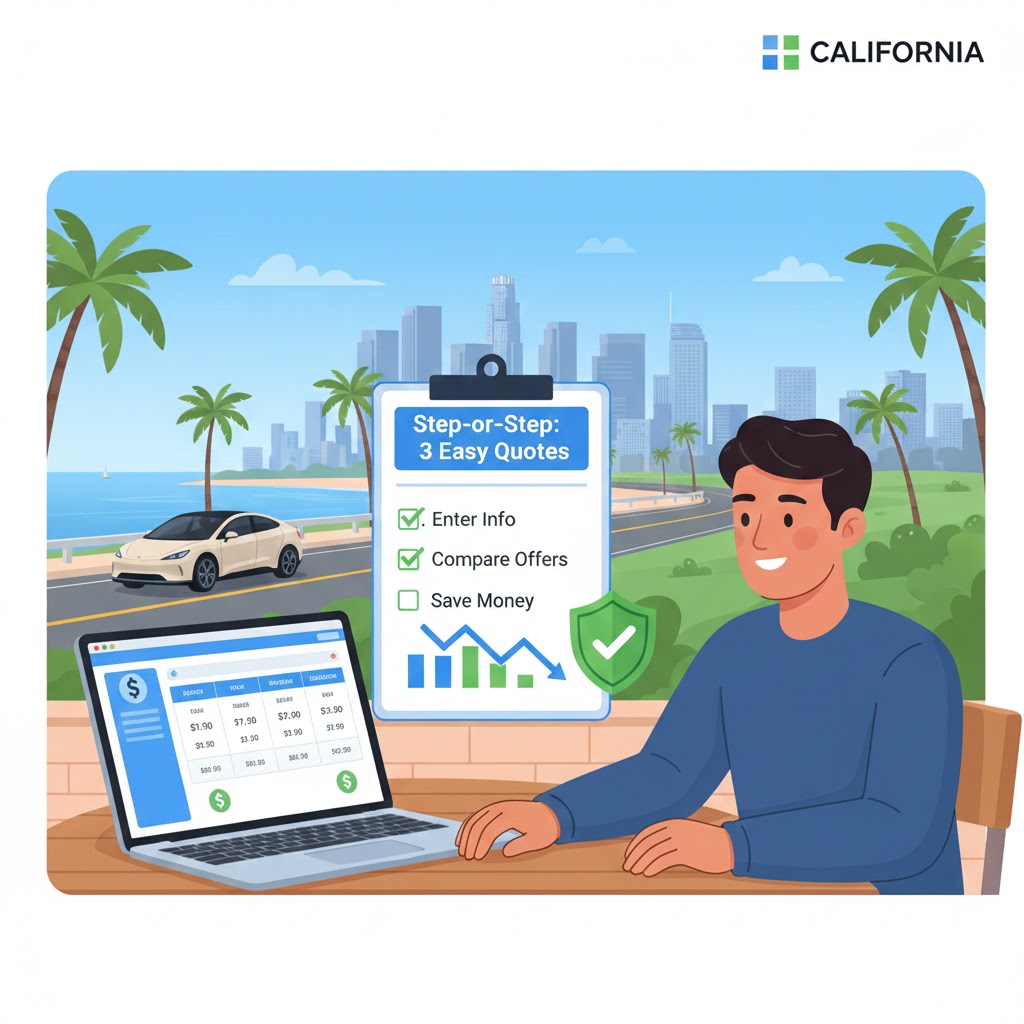
- Choose 2-3 comparison sites – Different sites partner with different insurers, so using multiple sites casts a wider net
- Navigate to the auto insurance section – Most sites prominently feature auto insurance on their homepage
- Enter your zip code – This determines which insurers operate in your area and provides location-based rates
- Input driver information – Add all household drivers with their details
- Enter vehicle information – Use your VIN for accuracy, or manually enter year/make/model
- Specify coverage preferences – Select liability limits, deductibles, and optional coverages
- Answer additional questions – These might include current insurance status, homeownership, education, etc.
- Review preliminary quotes – Most sites display estimated quotes immediately
- Refine and finalize – Some quotes require additional information for accuracy; provide requested details
- Save or screenshot results – Document all quotes for comparison
- Follow up on promising options – Click through to insurers offering competitive rates for final verification
Maximizing Comparison Site Effectiveness
Be Completely Accurate Inaccurate information produces misleading quotes that won’t hold up when you attempt to purchase. Insurers verify everything during underwriting. Discrepancies between your quote request and reality can result in:
- Higher final premiums than quoted
- Policy application denial
- Coverage gaps if you’ve already canceled your previous policy
Use Consistent Information Across Sites Enter identical details on each comparison site. Variations in your answers (different annual mileage estimates, inconsistent accident dates, etc.) make meaningful comparison impossible.
Request Identical Coverage Levels Ensure every quote includes the same liability limits, deductibles, and optional coverages. Comparing a $500 deductible quote from Company A against a $1,000 deductible quote from Company B tells you nothing useful.
Understand “Estimated” vs. “Final” Quotes Many comparison sites provide estimated quotes pending verification. These estimates can change when insurers run your driving record, verify claims history, or discover additional details. Treat initial quotes as ballpark figures; confirm rates before making decisions.
Don’t Stop at Comparison Sites Comparison sites typically don’t include:
- USAA (military members only)
- Some regional insurers (like Wawanesa)
- Certain direct-to-consumer companies
- State-specific programs
You’ll need to visit these companies directly for their quotes.
Manage Follow-Up Communications Be prepared for emails and phone calls from insurers and agents after using comparison sites. If you prefer minimal contact:
- Use a secondary email address
- Provide a Google Voice number instead of your primary phone
- Check “do not call” boxes when available
- Respond only to companies offering competitive rates
Comparison Site Limitations to Understand
Comparison sites provide convenience but have inherent limitations:
- Incomplete carrier coverage – No site includes every insurer
- Potential for sponsored placements – Some sites prioritize partners who pay higher commissions
- Generic algorithms – May miss discounts requiring human verification
- Data sharing – Your information gets shared with multiple companies
- Accuracy variance – Estimates might differ significantly from final binding quotes
Use comparison sites as a starting point, not your sole quote source.
Method 2: Getting quotes directly from insurance companies
Visiting insurer websites directly ensures accuracy and access to companies not on comparison sites.
Why Get Direct Quotes
Direct quotes offer several advantages:
- Most accurate pricing – No middleman interpretation of your information
- Complete discount visibility – You can see and apply for all available discounts
- Access to exclusive online discounts – Many companies offer additional savings for direct online quotes
- Better policy customization – Full control over coverage options and limits
- Immediate policy purchase – Can buy coverage instantly if satisfied with the quote
Top Insurers to Quote Directly in California
Visit these company websites for direct quotes:
GEICO (geico.com)
- Average quote time: 5-7 minutes
- Instant online quotes
- No agent required
- Special online quote discount (typically 7%)
- Mobile-friendly interface
Progressive (progressive.com)
- Average quote time: 5-10 minutes
- Name Your Price tool for budget-based shopping
- Snapshot program information included
- Compare rates from competitors displayed on their site
- Robust coverage customization
State Farm (statefarm.com)
- Average quote time: 10-15 minutes
- Can request online quote then connect with local agent
- Drive Safe & Save program details
- Bundling calculator
- Agent finder for personalized service
Allstate (allstate.com)
- Average quote time: 7-10 minutes
- Drivewise program enrollment option
- Extensive coverage explanations
- Local agent option
- New customer incentives prominently displayed
USAA (usaa.com) – Military Members Only
- Average quote time: 8-12 minutes
- Must verify membership eligibility first
- Excellent interface with military-specific features
- Comprehensive discount calculator
- Deployment-related coverage options
Wawanesa (wawanesa.com)
- Average quote time: 10-15 minutes
- California-focused interface
- Direct customer service access
- Simple, straightforward process
- Homeowner bundling emphasis
Liberty Mutual (libertymutual.com)
- Average quote time: 8-12 minutes
- Accident forgiveness information
- Bundling calculator
- New customer discounts
- Customization tools
Nationwide (nationwide.com)
- Average quote time: 7-10 minutes
- SmartRide program details
- Vanishing deductible feature
- Multi-policy discounts prominent
- On Your Side Review tool
Step-by-Step Direct Quote Process
- Visit the insurer’s website
- Navigate to “Get a Quote” or “Start Quote” – Usually prominently displayed on the homepage
- Enter your zip code – Verifies the company operates in your area
- Choose quote type – Select new policy (not just comparing rates)
- Enter driver information – All household drivers with complete details
- Add vehicle details – VIN entry is fastest and most accurate
- Specify current insurance status – Whether you currently have coverage and with whom
- Select coverage preferences:
- Liability limits
- Comprehensive and collision (yes/no)
- Deductible amounts
- Uninsured motorist coverage
- Medical payments
- Optional coverages
- Answer additional rating questions:
- Homeowner status
- Marital status
- Education level
- Occupation
- Credit authorization (most insurers check credit-based insurance scores)
- Review and apply discounts:
- Multi-policy bundling
- Multi-vehicle
- Good driver
- Good student
- Low mileage
- Safety features
- Anti-theft devices
- Defensive driving course
- Professional affiliations
- Any others offered
- See your quote – Review premium amount, coverage details, and payment options
- Save or screenshot – Document the quote for comparison
- Refine if desired – Adjust coverage levels or deductibles to see price impacts
- Repeat for each insurer – Visit 5-7 company websites for comprehensive comparison
Time-Saving Tips for Direct Quotes
Create a Quote Information Document Before starting, create a document with all your information formatted for easy copying and pasting:
- Driver names, birthdates, license numbers
- VINs
- Current policy information
- All other required details
This eliminates repetitive typing across multiple sites.
Use Browser Autofill Configure your browser’s autofill feature with your address, email, and phone number for faster form completion.
Set Aside Uninterrupted Time Block 45-60 minutes to complete all quotes in one session. Interruptions force you to restart forms or lose progress.
Quote in Private/Incognito Mode Some insurers use cookies to track return visitors and may adjust quotes. Using private browsing ensures each quote reflects first-time visitor pricing.
Take Screenshots at Each Step Capture your quote details, coverage specifications, and discount applications. These records prove invaluable during comparison and if you need to reference details later.
Method 3: Working with independent insurance agents
Independent agents represent multiple insurers and can quote several companies simultaneously while providing personalized guidance.
How Independent Agents Work
Unlike captive agents (who sell only one company’s policies, like a State Farm agent), independent agents partner with multiple insurers. They input your information once and receive quotes from all their partner companies, then present the best options.
Benefits of Using Independent Agents
Time Efficiency Provide your information once; the agent handles quote requests with multiple insurers. This saves significant time compared to visiting 7-10 company websites individually.
Expert Guidance Experienced agents understand:
- Which companies offer best rates for specific profiles
- Coverage nuances and appropriate limits for your situation
- Discount opportunities you might miss
- Local California requirements and recommendations
- Claims processes and company reputations
Personalized Service Agents ask questions to understand your needs, risk tolerance, and budget, then recommend appropriate coverage rather than leaving you to figure it out alone.
Ongoing Support After purchase, your agent handles:
- Coverage questions
- Policy changes (adding drivers, vehicles)
- Claims assistance
- Annual reviews and re-quotes
- Advocacy if disputes arise
Access to More Insurers Some companies only sell through agents, not directly to consumers. Independent agents access these markets.
Finding Reputable Independent Agents in California
Professional Organizations Search these directories for credentialed agents:
- Trusted Choice (trustedchoice.com) – Network of independent agents nationwide
- Independent Insurance Agents & Brokers of California (iiaba.net/ca) – State association directory
- National Association of Professional Insurance Agents (pianet.com) – Find local members
Online Reviews and Ratings Check agent reputations on:
- Google Reviews
- Yelp
- Better Business Bureau (BBB.org)
- Trustpilot
Look for agents with:
- 4.5+ star ratings
- Substantial review volumes (50+ reviews)
- Consistent positive feedback about responsiveness and claims support
- Few unresolved complaints
Referrals Ask friends, family, and colleagues for independent agent recommendations, especially those with similar insurance needs.
Local Community Presence Established local agents often have stronger community connections, better understand regional risks (wildfire zones, flood areas, high-theft neighborhoods), and provide more accessible service.
Questions to Ask Potential Agents
Before working with an agent, verify they’re the right fit:
- “How many insurance companies do you represent?”
- Look for: At least 5-7 companies, including major national and regional carriers
- Red flag: Fewer than 4 companies limits your options
- “Which companies do you most frequently place California auto insurance with?”
- Look for: Mix of well-known carriers (GEICO, Progressive, Nationwide, etc.)
- Red flag: Only obscure or poorly-rated companies
- “How long have you been selling insurance?”
- Look for: 3+ years of experience
- Red flag: Brand new agents might lack expertise for complex situations
- “How do you get paid?”
- Answer should be: Commission from insurers, no direct cost to you
- Red flag: Agents charging fees (uncommon for standard auto insurance)
- “Do any companies pay you higher commissions?”
- Look for: Honest acknowledgment and assurance they recommend based on your needs
- Red flag: Defensive responses or refusal to disclose
- “Will you provide quotes from at least 5 companies?”
- Look for: Yes, with detailed comparison
- Red flag: Only presenting 1-2 options without explanation
- “How do you handle claims assistance?”
- Look for: Personal involvement, advocacy, claims follow-up
- Red flag: “You’ll call the insurance company directly”
- “Will you review my policy annually?”
- Look for: Proactive annual reviews and re-quotes
- Red flag: “Call me if you want to make changes”
Step-by-Step Agent Quote Process
- Contact 2-3 independent agents – Get multiple agent perspectives
- Schedule initial consultation – Phone or in-person, typically 20-30 minutes
- Provide your information – Share all driver, vehicle, and coverage preference details
- Discuss your needs – Agent asks clarifying questions about:
- Your risk tolerance
- Budget constraints
- Coverage concerns
- Claims history context
- Future changes (adding teen driver, buying new car, etc.)
- Agent quotes multiple companies – They input your information into their quoting systems
- Receive quote presentation – Usually within 24-48 hours, sometimes immediately for simple quotes
- Review comparison – Agent explains differences between options, recommends best fit
- Ask questions – Clarify coverage details, discounts, payment options
- Make decision – Choose preferred option or request adjustments
- Purchase policy – Agent handles application, payment setup, and delivers proof of insurance
Cost Concerns: Do Agents Charge Fees?
Standard practice: Independent agents earn commissions from insurance companies you pay nothing extra. Your premium is identical whether you buy directly from the insurer or through an agent.
Rare exceptions: Some agents charge consultation fees for complex commercial policies or difficult-to-place risks (multiple DUIs, numerous accidents). Standard personal auto insurance should never involve fees.
Always confirm upfront: “Is there any cost to me for your services, or are you compensated through insurer commissions?”
Agent Relationship Best Practices
Be Honest and Complete Provide accurate information. Agents can only help when they know the full picture. Omitting accidents or violations doesn’t save money it creates problems during claims.
Ask Questions No question is too basic. Good agents welcome questions and provide clear explanations.
Document Everything Request email summaries of recommendations, quotes, and coverage decisions. This creates a paper trail if disputes arise.
Re-Shop Periodically Even with a good agent, request re-quotes every 2-3 years. Markets change, and you should verify you’re still getting competitive rates.
Provide Feedback If your agent excels or disappoints, tell them. This improves service and, if problems persist, justifies finding a new agent.
Comparing your quotes: How to evaluate apples-to-apples
Collecting quotes is only half the battle. Proper comparison ensures you’re making informed decisions.
Create a Comparison Spreadsheet
Build a simple spreadsheet with these columns:
- Company Name
- Total 6-Month Premium
- Total Annual Premium
- Monthly Payment (if applicable)
- Bodily Injury Liability Limit
- Property Damage Liability Limit
- Uninsured Motorist Coverage
- Comprehensive Deductible
- Collision Deductible
- Medical Payments Coverage
- Optional Coverages (rental, roadside, etc.)
- Discounts Applied
- A.M. Best Financial Rating
- Customer Satisfaction Score
- Notes
Fill in each quote’s details. This visual comparison immediately highlights differences.
Verify Coverage Equivalency
Before declaring Company A “cheaper” than Company B, confirm:
Identical Liability Limits 15/30/5 vs. 100/300/100 dramatically affects premiums. Ensure all quotes use the same limits.
Identical Deductibles A $500 deductible costs more than $1,000. Confirm consistency.
Same Uninsured Motorist Coverage Some quotes include it; others don’t. Standardize this across all quotes.
Equivalent Optional Coverages Rental reimbursement, roadside assistance, and medical payments vary. Include these consistently or exclude them uniformly.
Look Beyond the Premium
Price matters, but isn’t everything:
Financial Strength Ratings Check each company’s A.M. Best rating:
- A++ or A+ = Superior
- A or A- = Excellent
- B++ or lower = Consider carefully
Cheap insurance from a financially shaky company provides no real protection. Stick with A- or better ratings.
Customer Satisfaction and Claims Experience Research each finalist:
- J.D. Power satisfaction ratings
- Consumer Reports insurance company rankings
- California Department of Insurance complaint ratios
- Online reviews (Google, Yelp, Trustpilot)
A company $100/year cheaper isn’t worth it if they deny valid claims or provide terrible service.
Claims Process and Support Consider:
- 24/7 claims reporting?
- Local claims adjusters or remote handling?
- Mobile app claims filing?
- Average claims processing time?
- Reputation for fair settlements?
You buy insurance for claims prioritize companies that excel when it matters most.
Discount Verification Confirm all applicable discounts appear on each quote:
- Are you getting the good driver discount you qualify for?
- Did they apply the multi-vehicle discount?
- Is the good student discount included?
- Are bundling discounts reflected?
Call or email to verify if unsure. Insurers sometimes miss discounts during initial quotes.
Understanding Quote Validity Periods
Insurance quotes typically remain valid for 30-60 days. After that, rates may change based on:
- Time passage (you’re now older, violations aged more)
- Company rate adjustments
- Market changes
When comparing quotes obtained over several weeks, reconfirm the oldest quotes before making final decisions.
Common mistakes that invalidate quote comparisons
Avoid these pitfalls that waste your time and produce meaningless comparisons:
Mistake 1: Providing Inconsistent Information
Entering different annual mileage estimates (7,000 miles on one quote, 12,000 on another) creates incomparable results. Standardize every data point across all quotes.
Mistake 2: Comparing Different Coverage Levels
Mixing minimum liability quotes with full coverage quotes, or varying deductibles across quotes, tells you nothing. Ensure absolute consistency.
Mistake 3: Forgetting to Ask About All Discounts
Online quote forms sometimes miss applicable discounts. Always ask: “Are there any other discounts I might qualify for?” before finalizing.
Mistake 4: Focusing Only on Price
The cheapest quote from a D-rated company with terrible claims service will cost you far more when you actually need coverage. Balance price with quality.
Mistake 5: Not Reading the Fine Print
Some quotes include assumptions or exclusions buried in details. Read carefully:
- Are all drivers covered?
- Are there mileage restrictions?
- Are there coverage limitations you didn’t request?
Mistake 6: Failing to Verify Quote Accuracy
Initial online quotes often state “estimated” or “subject to verification.” These can change significantly after the insurer reviews your driving record. Confirm final binding quotes before canceling existing coverage.
Mistake 7: Ignoring Payment Plan Costs
Monthly payments incur fees. An annual quote of $1,200 paid monthly might actually cost $1,320 ($110/month × 12). Factor these costs into comparisons.
Mistake 8: Not Checking for Hidden Fees
Some insurers charge:
- Policy fees ($25-$75)
- Installment fees ($5-$15 per month)
- Late payment fees
- Payment method fees (credit card surcharges)
Total these into your cost comparison.
Making your final decision
With all quotes collected and properly compared, make your selection:
Rank by Total Cost List quotes from cheapest to most expensive (including all fees).
Eliminate Poor-Quality Options Remove quotes from:
- Companies with financial ratings below A-
- Insurers with notably poor customer satisfaction
- Companies with excessive complaint ratios
Consider Your Top 3-5 From remaining options, identify your top finalists based on:
- Competitive pricing (within 10-15% of cheapest)
- Strong financial ratings
- Good customer reviews
- Coverage features you value
Contact Finalists for Clarification Before deciding, call your top 2-3 choices to:
- Verify the quote accuracy
- Confirm all discounts are applied
- Ask any lingering questions
- Get a feel for their customer service
Make Your Choice Select the option offering the best combination of:
- Price competitiveness
- Financial strength
- Customer service reputation
- Coverage features
- Discount opportunities
Don’t Overthink It If you’ve followed this process, your top 2-3 options are probably all solid choices. Pick one and move forward you can always switch later if better options emerge.
After getting quotes: Next steps
Review Your Current Policy
If you’re currently insured, compare new quotes against your existing coverage. Sometimes your current insurer matches competitive quotes or offers retention discounts.
Call your current agent or insurer: “I’ve been shopping around and received quotes that are $X less than I’m currently paying. Can you review my policy for any additional discounts or better rates?”
Many companies would rather discount your premium than lose you as a customer.
Timing Your Switch
Optimal switching times:
- At your policy renewal (avoids cancellation fees)
- When you’ve had coverage for at least 6 months (some companies charge short-rate cancellation fees)
- Before significant rate increases take effect
- After violations or accidents drop off your record
Avoid switching mid-policy unless savings dramatically exceed any cancellation penalties.
Don’t Cancel Before Securing New Coverage
Never cancel your existing policy before your new policy is active and paid. Even one day without coverage triggers:
- SR-22 requirements in California
- Future rate increases
- License suspension risk
- Personal liability if you’re in an accident
The proper sequence:
- Get quotes and select new insurer
- Purchase new policy with future effective date
- Receive confirmation and proof of insurance
- Then cancel your old policy effective the same date
Maintain Continuous Coverage
Insurance companies heavily penalize coverage gaps. Ensure your new policy effective date is the same day your old policy ends no gaps, no overlaps.
How often should you get new quotes?
Insurance shopping shouldn’t be a one-time event.
Annual Review (Minimum) Get fresh quotes every 12 months. Rates fluctuate, and your circumstances change. Last year’s best deal might not be competitive today.
After Major Life Events Re-quote immediately following:
- Moving to a new address
- Getting married or divorced
- Adding or removing drivers (teen getting license, adult child moving out)
- Buying or selling vehicles
- Changing jobs (different commute distance, professional discounts)
- Violations or accidents dropping off your record
When Rates Increase Significantly If your renewal premium jumps more than 10-15% without claims or violations, get competitive quotes. Insurers sometimes implement rate increases hoping customers won’t notice shopping around keeps them honest.
Every 2-3 Years (Best Practice) Even without changes, re-shop every 2-3 years. Insurance markets constantly evolve, and companies adjust their target demographics. You might find better rates simply because a company has shifted strategy.
Your action plan: Get started today
You now have the complete roadmap for obtaining accurate, comparable auto insurance quotes in California. Here’s your action plan:
Today:
- Gather all necessary information (drivers, vehicles, current policy)
- Decide on desired coverage levels
- Set aside 60 minutes for quote shopping
This Week:
- Visit 2-3 comparison websites and request quotes
- Get direct quotes from 3-5 major insurers
- Contact 1-2 independent agents for additional quotes
Within 2 Weeks:
- Compare all quotes in your spreadsheet
- Research finalist companies (financial ratings, reviews)
- Contact top choices for clarification
- Make your decision
Before Your Current Policy Expires:
- Purchase new coverage with effective date aligned to current policy end
- Receive confirmation and proof of insurance
- Cancel old policy (if switching)
The difference between overpaying and getting the best available rate often exceeds $800 annually money that could fund a vacation, boost your emergency savings, or pay down debt. Thirty minutes of focused effort produces a return unmatched by virtually any other activity.
Start comparing California auto insurance quotes now and discover how much you could be saving:
Don’t leave hundreds or thousands of dollars on the table. Get your free quotes today and join the California drivers who’ve slashed their insurance costs through smart comparison shopping.