How to compare auto insurance quotes in California correctly

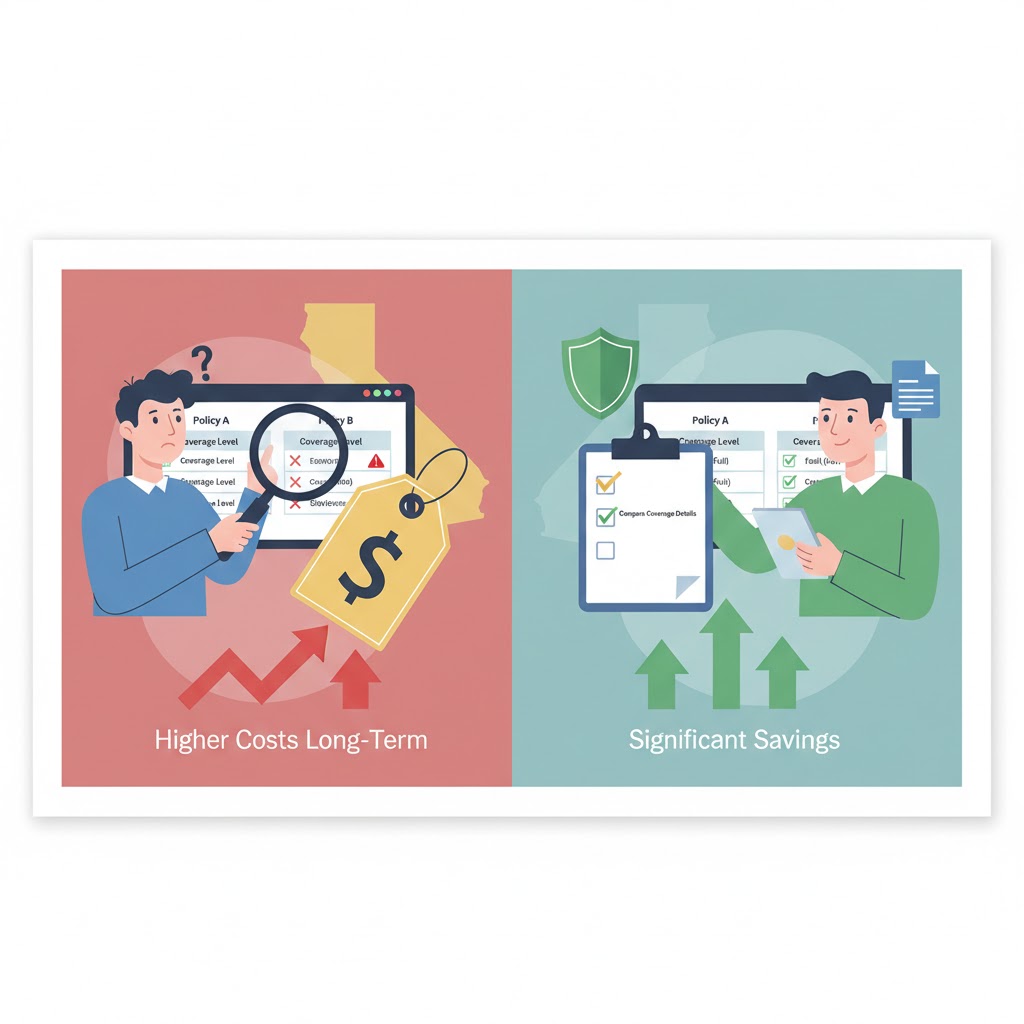
Comparing auto insurance quotes is the most critical step when switching insurance providers in California. Yet it is also the step where most drivers make costly mistakes. Many people compare prices without comparing coverage, overlook California-specific discount rules, or rely on incomplete quote forms that lead to inaccurate pricing.
California’s insurance market is highly regulated. Insurers are restricted in the factors they can use, but they still price risk differently based on mileage tiers, driving history interpretation, discount application, and underwriting philosophy. As a result, two quotes with the same price can represent very different levels of coverage and long-term cost stability.
This article explains how to compare auto insurance quotes in California correctly, step by step. It focuses on coverage equivalence, discount verification, mileage accuracy, claims handling considerations, and long-term value. It is written for drivers who want real savings, not just the lowest number on a screen, and for automotive insurance niche websites seeking evergreen, high-trust content.
Why comparing auto insurance quotes is different in California
California auto insurance is not priced the same way as in many other states.
Regulatory differences
California law restricts or prohibits the use of:
- Credit scores
- Gender
- Income level
- Education
- Occupation stereotypes
Instead, insurers must prioritize:
- Driving safety record
- Annual mileage
- Years of driving experience
Because of this, quote differences often come from how insurers interpret the same legal data, not from hidden demographic variables. This makes careful comparison essential.
Step 1: Compare identical coverage levels
The most common mistake drivers make is comparing quotes with different coverage structures.
Key coverage areas to match
When comparing quotes, ensure all insurers are quoting:
- The same liability limits
- The same collision and comprehensive coverage
- The same deductibles
- The same uninsured/underinsured motorist limits
Even small differences in liability limits can create misleading price gaps.
Why this matters
A cheaper quote may simply reflect:
- Lower liability limits
- Higher deductibles
- Missing optional coverages
Without matching coverage exactly, price comparisons are meaningless.
Step 2: Understand California’s minimum coverage vs. recommended coverage
California’s legal minimum coverage is low compared to real-world accident costs.
Minimum requirements
California minimum liability limits are often insufficient to cover:
- Medical expenses
- Vehicle repairs
- Legal costs
Many drivers carry higher limits for financial protection.
Comparison tip
When comparing quotes:
- Use realistic coverage limits, not minimums
- Compare based on your actual protection needs
This ensures quotes reflect real value, not just compliance.
Step 3: Verify proper application of mandatory discounts
California requires insurers to apply certain discounts when drivers qualify.
The Good Driver Discount
The Good Driver Discount is mandatory and worth at least 20 percent.
When comparing quotes:
- Confirm the discount is applied
- Ask how eligibility was verified
- Request written confirmation
Failure to apply this discount correctly is one of the biggest pricing errors in California quotes.
Step 4: Check mileage estimates carefully
Mileage is one of the most powerful pricing factors in California.
Common mileage errors
Quote tools often:
- Default to high mileage assumptions
- Fail to update lifestyle changes
- Ignore recent reductions in driving
Overestimated mileage can inflate quotes significantly.
Best practice
Provide:
- Accurate annual mileage
- Realistic commute distances
- Updated work arrangements
Always compare quotes using the same mileage estimate.
Step 5: Evaluate how insurers treat claims and violations
Not all insurers weigh driving history the same way.
Key differences
Some insurers:
- Penalize minor violations more heavily
- Are stricter with at-fault accidents
- Apply surcharges longer
Others:
- De-emphasize older incidents
- Offer more forgiveness for first claims
This explains why quotes can vary widely for drivers with similar records.
Step 6: Look beyond the first-year price
The cheapest quote is not always the best long-term option.
Renewal stability matters
Some insurers:
- Offer aggressive first-year pricing
- Increase rates sharply at renewal
Others:
- Price more conservatively
- Offer stable long-term premiums
Ask how pricing typically changes after the first year.
Step 7: Compare optional discounts carefully
Many California discounts are optional and insurer-specific.
Common optional discounts
- Low mileage pricing
- Multi-policy discounts
- Vehicle safety discounts
- Defensive driving discounts
- Usage-based insurance programs
One insurer may offer a lower base rate, while another offers stronger discount stacking.
Step 8: Review claims handling reputation
Price should never be the only factor.
Why claims handling matters
Poor claims service can result in:
- Delays in repairs
- Disputes over fault
- Unexpected out-of-pocket costs
Drivers should consider:
- Customer reviews
- Complaint ratios
- Claims satisfaction data
A slightly higher premium may provide far better claims support.
Step 9: Compare policy exclusions and conditions
Not all coverage details appear in quote summaries.
Areas to review
- Rental car coverage limits
- Roadside assistance terms
- Glass repair coverage
- Custom equipment exclusions
These details affect real-world usability.
Step 10: Understand quote validity and binding conditions
Quotes are not guarantees.
Important considerations
- Quotes may expire
- Underwriting verification may change pricing
- Inaccurate information can trigger adjustments
Always review the final declarations page before canceling an old policy.
Online quotes vs. agent quotes in California
Online quotes
Pros:
- Fast
- Easy to compare multiple insurers
Cons:
- Higher risk of input errors
- Less personalized guidance
Agent quotes
Pros:
- Coverage review assistance
- Discount verification
- Error prevention
Cons:
- May quote fewer carriers
Many drivers use both methods strategically.
How many quotes should you compare?
Best practice:
- At least 3 to 5 insurers
- Include both large and regional carriers
- Avoid relying on a single comparison site
California’s pricing variation makes broader comparison worthwhile.
Common quote comparison mistakes
- Comparing price only
- Ignoring mileage accuracy
- Missing mandatory discounts
- Overlooking claims reputation
- Failing to review policy documents
Avoiding these mistakes protects both savings and coverage quality.
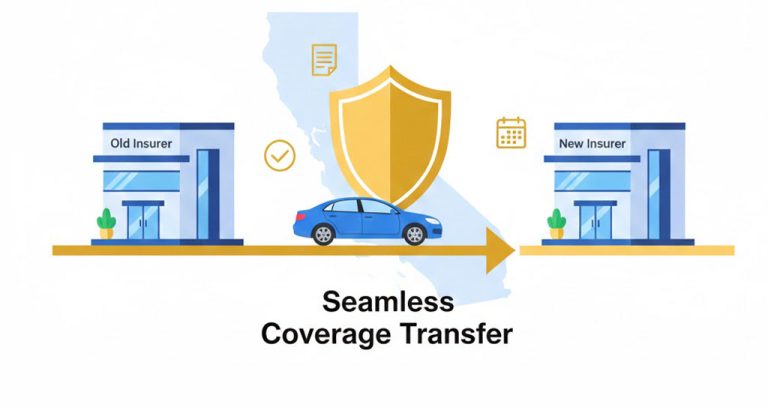
How quote comparison fits into the switching process
Proper comparison ensures:
- No coverage gaps
- Accurate pricing
- Maximum discount application
- Long-term satisfaction
It is the foundation of a successful insurance switch.
Comparing auto insurance quotes in California is not about finding the lowest number it is about identifying the best value under California’s unique regulatory framework. Coverage accuracy, discount verification, mileage precision, and claims handling quality all matter as much as price.
Drivers who compare quotes carefully and strategically consistently achieve better outcomes when switching insurers. In California’s highly regulated market, informed comparison is the key to unlocking real, sustainable insurance savings.