
How to Buy a Used Car from a Dealer in 2026 (Step‑by‑Step)
Buying a used car from a dealer in 2026 can be smoother and safer than buying privately, but only if you follow a clear process. Dealers offer financing, trade‑ins and sometimes warranties, yet you still need to protect yourself on price, condition and paperwork.
Step 1: Set your budget and get pre‑approved
Before visiting any dealer, decide how much you can afford and line up financing.
- Figure out your maximum out‑the‑door price (including taxes and fees), not just a monthly payment.
- Get a pre‑approved loan from your bank or credit union if you plan to finance; this gives you a benchmark to compare with dealer financing offers.
- Include insurance, maintenance and fuel in your budget, not just the purchase price.
Showing up with pre‑approved financing gives you more leverage and helps you avoid overpaying in the finance office.
Step 2: Research cars and prices before you go
The most important work happens before you walk onto the lot.
- Shortlist a few models that fit your needs and budget.
- Use pricing guides and listings to understand market value for the model, year, mileage and trim you want.
- Call or message the dealership in advance to confirm the car is available and ask for a copy of the vehicle history report.
Going in with clear target vehicles and realistic price expectations makes negotiations much easier.
Read more : Best used cars to buy in USA 2026
Step 3: Inspect, test drive and verify history
Even at a dealership, you should never skip inspection and a careful test drive.
- Review the vehicle history report (accidents, title issues, odometer rollbacks, multiple owners).
- Check service records and confirm that VIN numbers on paperwork match the car.
- Inspect exterior, interior, tires and underbody for signs of damage, rust or poor repairs.
- Take a thorough test drive: city + highway, braking, acceleration, steering, noise and comfort.
- If the car looks good, consider a pre‑purchase inspection by an independent mechanic, especially on older or higher‑mileage vehicles.
Dealers may resist outside inspections, but reputable ones usually cooperate; if they refuse completely, that is a red flag.
Step 4: Negotiate the deal the right way
When you’re ready to buy, focus on the total price, not just monthly payments.
Tips:
- Start with an offer based on your research, slightly below the fair market price.
- Negotiate the out‑the‑door price (vehicle + fees + taxes) before discussing trade‑in or extras.
- Use competing offers or listings on similar cars as leverage.
- Be prepared to walk away if the dealer adds unexplained fees or refuses to move on price.
Keeping trade‑in and financing discussions separate from the vehicle price helps you see the real deal clearly.
Step 5: Review paperwork and warranty before signing
The last step is checking all paperwork before you sign.
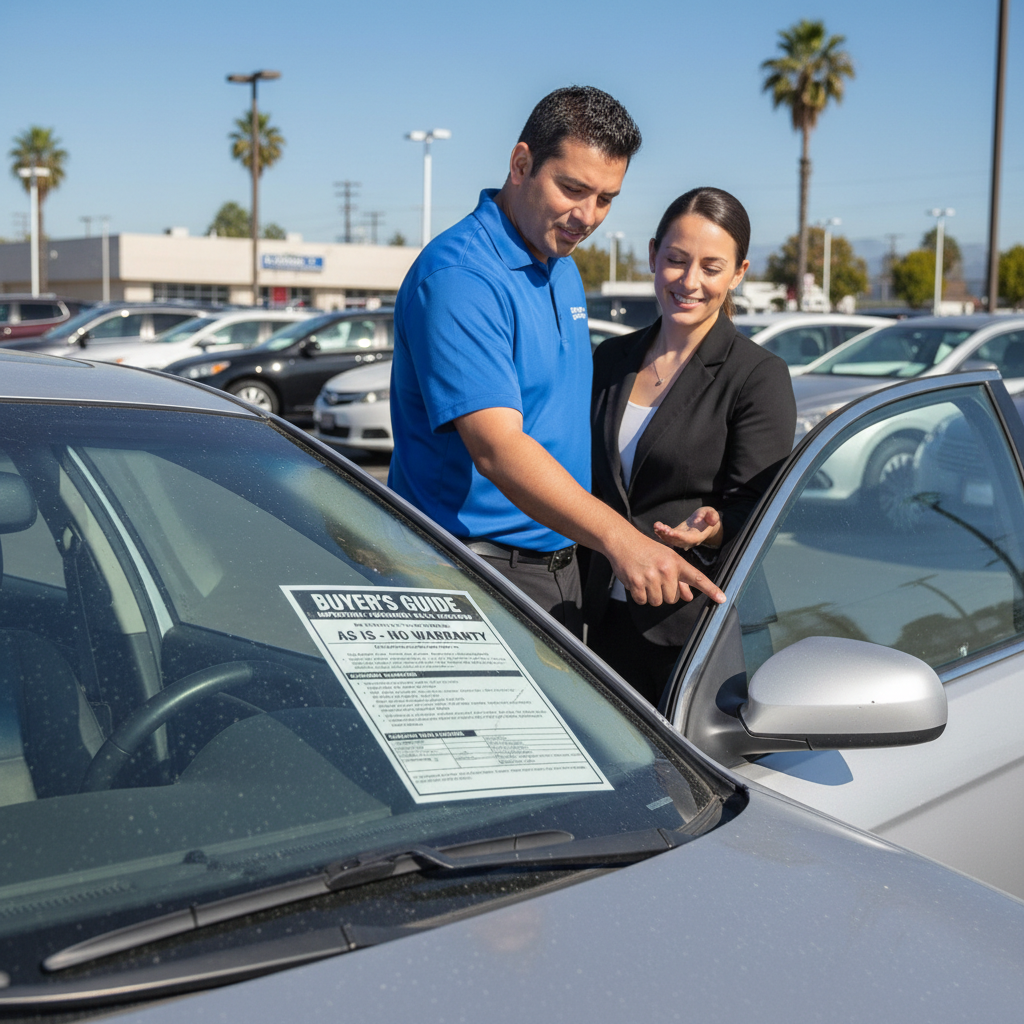
- Read the Buyer’s Guide window sticker (required in the U.S.) to see whether the car is sold “as is” or with a warranty.
- Confirm that the purchase contract matches the negotiated price and that no unwanted add‑ons were added.
- Make sure you receive the title/registration documents, service records and any warranty or CPO documents promised.
Taking time to carefully review contracts and ask questions protects you from hidden costs and misunderstandings that are hard to fix later.
Read more :Used car inspection checklist