

How to add a teenage driver to your car insurance policy
My best friend Sarah called me last month in a panic. Her daughter had just passed her driving test, and Sarah had no idea if she was even supposed to tell her insurance company. Turns out she had 30 days to notify them or risk her entire policy being voided. That conversation made me realize how many parents have zero clue about the actual process of adding a teen to their insurance.
The whole thing seems scarier than it needs to be. Insurance companies make it sound complicated but really, it’s just paperwork and one phone call. The tricky part is knowing when to do it and what information you’ll need ready.
When you’re required to add your teen
California law is pretty clear on this. The second your kid gets their learner’s permit they need to be listed on your policy. Not when they get their provisional license. Not when they start driving alone. The moment that permits hits their wallet.
I know it seems excessive since they can’t even drive without you in the car but insurance companies need to know. If your teen crashes during a practice drive and they’re not listed on your policy you could be looking at a denied claim and a cancelled policy. That’s not a risk worth taking to save a few months of premiums.
Most insurers won’t actually charge you extra during the learner’s permit phase as long as your teen only drives with a licensed adult. The real rate jump happens when they get that provisional license and can drive solo. But you still have to report the permit.
What information you’ll need
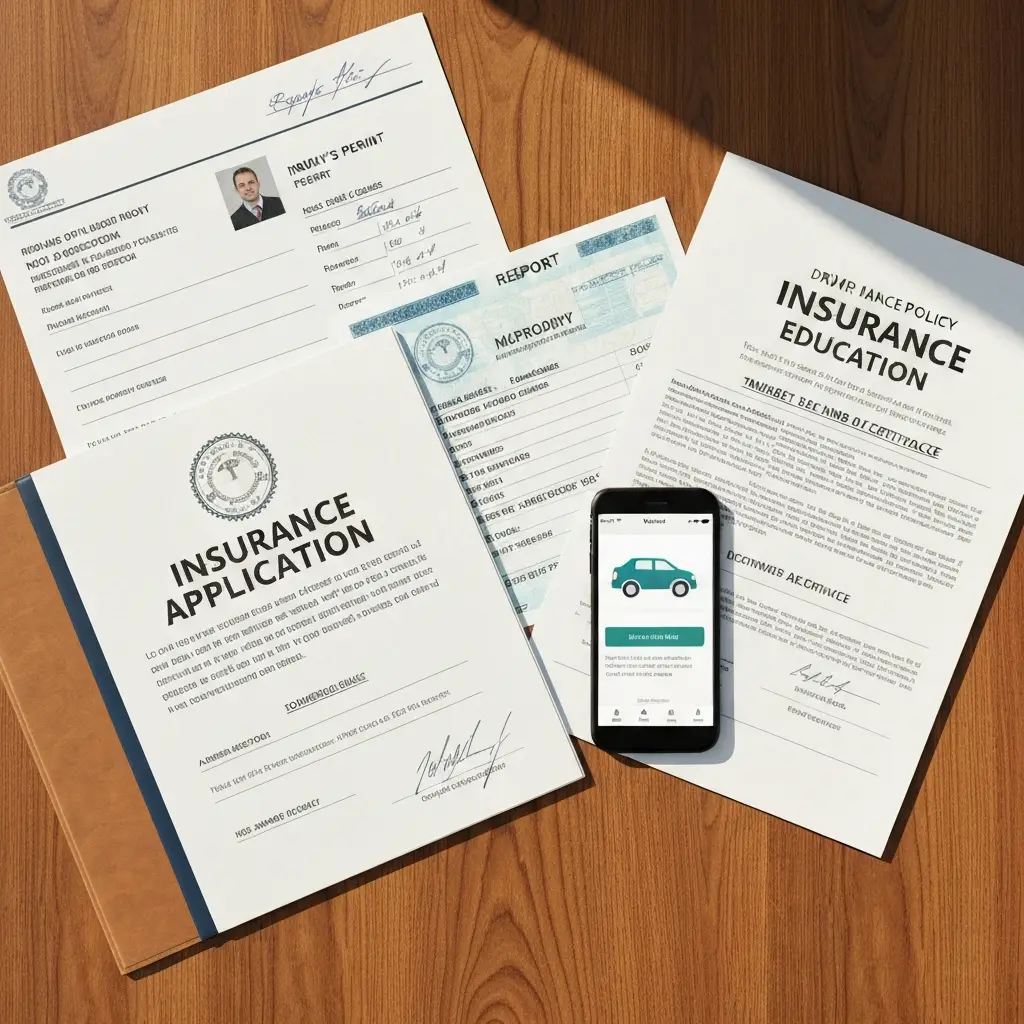
Before you call your insurance company grab these documents. Having everything ready makes the whole process take about 15 minutes instead of an hour of being put on hold while you dig through drawers.
You need your teen’s driver’s license or permit number. The issue date matters too because some companies calculate rates based on how long they’ve been licensed. If your teen took driver’s education bring that certificate of completion. Most carriers give 10-15% discounts for approved courses and you want that applied from day one.
Have your teen’s social security number handy. Some companies need it for the quote, and some don’t but better to have it ready. If your teen is a student bring recent report cards or transcripts. The good student discount can save you hundreds annually and many insurers apply it retroactively if you provide proof within 60 days of adding your teen.
Know which vehicle your teen will drive most often. Insurance rates vary wildly based on the car. A 2015 Honda Civic costs way less to insure than a 2022 Mustang. If you own multiple vehicles assign your teen to the cheapest one as their primary vehicle.
The actual process step by step
Call your insurance company’s customer service number. Don’t try to do this through the app or website. You want a real person who can explain exactly how your rate will change and what discounts you qualify for. Morning calls usually have shorter wait times.
Tell them you need to add a new driver to your policy. They’ll ask for your policy number and verify your identity. Then they’ll want all that information you gathered. License number, social security number, vehicle assignment, driver’s education certificate.
The agent will run a quote with your teen added. This takes maybe five minutes. They’ll tell you your new monthly or annual premium. Don’t just say yes to the first number. Ask about every possible discount. Good student, driver’s education, multi-car, telematics programs, away-at-school discount if applicable.
Some agents are lazy and won’t mention discounts unless you ask. I’ve seen parents save $600 annually just by pushing back and asking what they’re missing. If the agent says you don’t qualify for something, ask why and what you’d need to qualify.
Once you agree to the new rate they’ll send you updated policy documents. Read them. Make sure your teen is listed correctly and all the discounts you discussed actually show up. I’ve caught mistakes three times where promised discounts weren’t applied.
How much your rate will actually increase

Nobody wants to hear this but adding a teen driver typically doubles or triples your premium. If you’re paying $150 monthly for yourself expect $400-600 after adding your 16-year-old. It hurts but that’s reality.
The increase depends on a bunch of factors. Teen boys cost more to insure than teen girls until around age 25. Younger teens cost more than older teens. A 16-year-old costs about 30% more to insure than an 18-year-old. Your location matters too with LA and Bay Area families paying way more than families in Fresno.
Your own driving record affects your teen’s rate. If you have accidents or tickets on your record insurers assume your teen will develop similar habits. Clean record parents get better teen rates than parents with violations.
The vehicle makes a huge difference. Sports cars, luxury vehicles and anything with a V8 engine will cost you extra. Safe reliable cars with good crash ratings save money. Understanding auto insurance options for teens in California helps you see how all these factors work together.
Common mistakes that cost you money
The biggest mistake is waiting too long to add your teen. Some parents think they can get away with not reporting the permit or provisional license. Bad idea. If your teen has any accident and the insurance company finds out they weren’t listed your claim gets denied and your policy gets cancelled. Then you’re stuck trying to find coverage as a high-risk customer paying double.
Another mistake is not shopping around when you add your teen. Your current insurer might have great rates for you but terrible rates for teen drivers. Get quotes from at least three other companies when you add your teen. You might find the same coverage for $200 less per month.
Parents also forget to update their teen’s status. If your teen goes to college more than 100 miles away without a car you can get an away-at-school discount. When your teen turns 18 or 19 ask your insurer to re-rate them because premiums drop at those age milestones.
Don’t lie about where your teen lives or which car they drive to get a lower rate. Insurance fraud is a real crime and they will catch you eventually. The savings aren’t worth the risk of policy cancellation and potential legal issues.
Tips for keeping costs down long term
Raise your deductible if you can afford it. Going from $500 to $1,000 or $2,000 saves 15-20% on your premium. Just make sure you actually have that money in savings in case something happens.
Consider usage-based insurance programs. Progressive Snapshot, State Farm Drive Safe and similar programs track your teen’s driving and reward safe habits with discounts up to 30%. Yeah, it feels like big brother, but the savings are real and it encourages better driving.
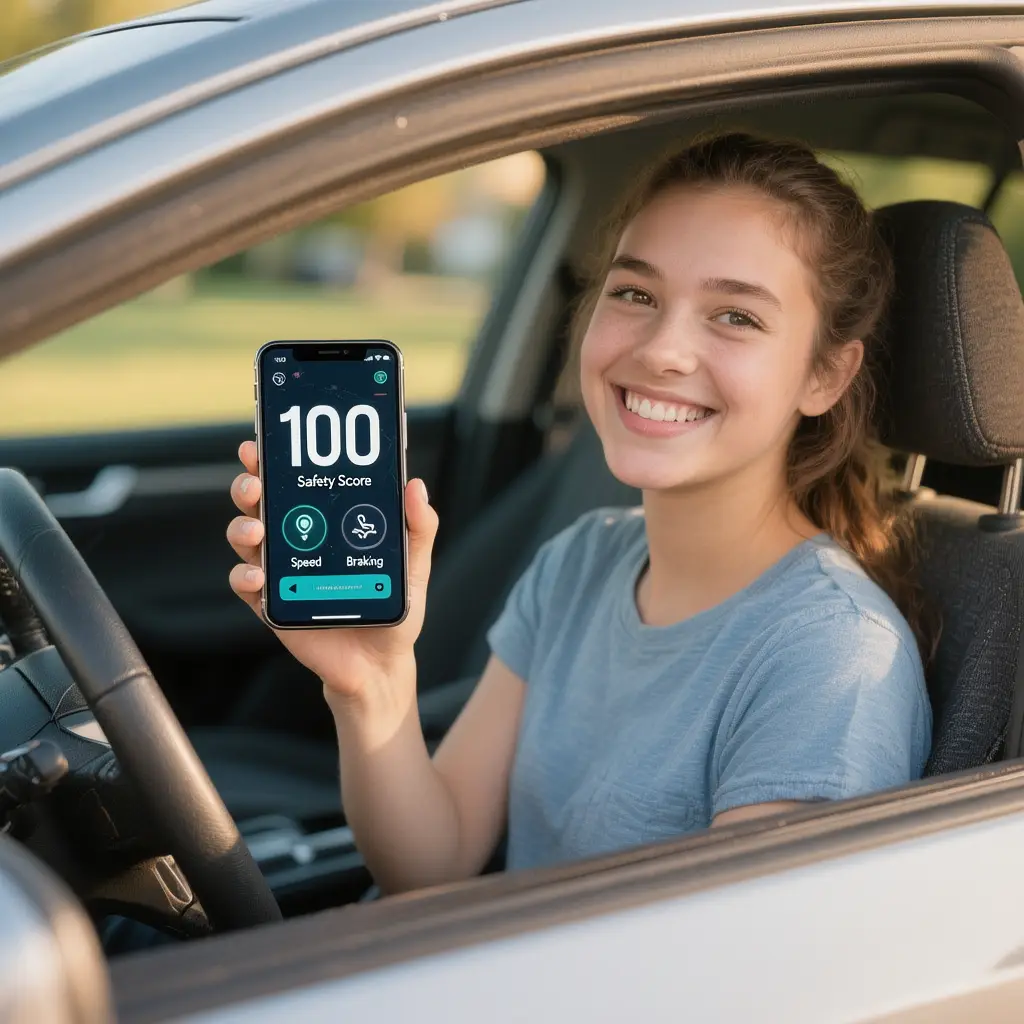
Bundle everything you can. If you have homeowners or renters’ insurance move it to the same company as your auto insurance. Multi-policy discounts can save 15-25%. Some insurers even offer discounts if you bundle with your life insurance.
Keep your teen’s grades up. The good student discount usually requires a 3.0 GPA or B average. That’s pretty achievable for most kids and it’s worth $400-800 annually. Submit new transcripts every semester to keep the discount active.
Buy your teen a safe boring car. I know they want something cool but a used Honda Accord or Toyota Camry costs half as much to insure as anything remotely sporty. Vehicles that cost significantly less to insure for teenage drivers aren’t exciting, but they keep your insurance bill manageable.
What happens if your teen has an accident
When your teen has their first accident and most of them will at some point your rate will increase again. Minor at-fault accidents usually add 20-40% to your premium. Major accidents can double it. The surcharge typically lasts three years.
You have options though. Some companies offer accident forgiveness where your first at-fault accident doesn’t increase your rate. It usually costs extra but if your teen does have an accident it pays for itself immediately.
If the accident is minor consider paying out of pocket instead of filing a claim. If the damage is less than $2,000 and nobody was injured you might save money long term by not having an at-fault claim on your record. Do the math with your agent before deciding.
Removing your teen eventually
The good news is this doesn’t last forever. Once your teen moves out permanently, buys their own car and gets their own policy you can remove them from yours. Your rate will drop back down to what you paid before.
If your teen goes to college you have options. Students who leave their car at home can stay on your policy with that away-at-school discount. Students who take a car to school need coverage but you can sometimes keep them on your policy as a secondary driver if they’re still listed at your address.
When your teen does get their own policy around age 22-25 their rates as an independent adult will be way lower than what you’re paying to have them on your policy. They’ll benefit from their own good driving record and the rates naturally drop as they age.
The bottom line
Adding a teen to your insurance isn’t fun but it doesn’t have to be a nightmare either. Call your insurer the day your teen gets their permit. Have all your documents ready. Ask about every possible discount. Shop around if the rate seems crazy.
Budget for your premium to double or triple and you won’t be shocked when you see the number. Look for ways to cut costs through vehicle choice, higher deductibles and good student discounts. Stay on top of your policy and update information as things change.
Most importantly don’t try to game the system by not reporting your teen or lying about details. The short-term savings aren’t worth the long-term risk. Do it right from the start and you’ll avoid headaches down the road. For families trying to balance protection with affordability, exploring the cheapest car insurance options for teens in California often reveals significant savings opportunities you might have missed.
Stay covered, stay safe, and happy driving.