
Ev tax credits explained: how to pay less than $30k
One of the biggest reasons electric vehicles have become more affordable is the availability of tax credits and financial incentives. For many buyers, these programs are the difference between an EV feeling out of reach and becoming a realistic option. However, tax credits are often misunderstood, misapplied, or ignored entirely.
Understanding how EV tax credits work can significantly reduce the final purchase price of an electric vehicle. In some cases, buyers can bring the effective cost well below $30,000 by combining federal credits with state and local incentives.
Within the broader guide Affordable ev models under $30k in the u.s., tax credits play a critical role in making electric vehicles accessible to everyday drivers.
What is the federal ev tax credit

The federal EV tax credit is designed to encourage the adoption of electric vehicles by reducing the cost for buyers. Eligible vehicles can qualify for a credit of up to $7,500, depending on battery size, manufacturing location, and other requirements.
Unlike a rebate, a tax credit reduces the amount of federal income tax owed. Recent changes have made this credit more flexible, allowing some buyers to apply it directly at the point of sale rather than waiting until tax season.
This shift has made EV pricing more transparent and easier to understand for first-time buyers.
Income limits and buyer eligibility

Not every buyer qualifies for the federal EV tax credit. Income limits apply, and eligibility depends on filing status and adjusted gross income. These limits are designed to target middle-income households rather than high earners.
Buyers must also purchase the vehicle for personal use rather than resale. Understanding eligibility requirements before shopping can prevent disappointment later in the process.
For many households, checking income eligibility early is a crucial step in planning an EV purchase.
Vehicle requirements and manufacturing rules

In addition to buyer eligibility, vehicles must meet specific requirements to qualify for the federal tax credit. These include rules related to battery sourcing, final assembly location, and component manufacturing.
Vehicles assembled in North America are more likely to qualify, while imported models may be excluded. Battery material sourcing has also become an important factor, with incentives favoring domestic or allied supply chains.
These rules change over time, which makes it important for buyers to verify eligibility at the time of purchase rather than relying on outdated information.
How tax credits reduce the real purchase price

Tax credits can dramatically change how an EV fits into a buyer’s budget. A vehicle listed at $32,000 may effectively cost under $25,000 after applying federal incentives, depending on eligibility.
This price reduction often places electric vehicles in direct competition with gasoline cars that have similar features and performance. When combined with lower operating costs, EVs become even more financially attractive.
This is one of the main reasons many models featured in Affordable ev models under $30k in the u.s. remain competitive despite higher sticker prices.
State and local incentives
Beyond federal credits, many states and municipalities offer additional incentives. These may include rebates, tax credits, reduced registration fees, or access to carpool lanes.
State-level incentives vary widely depending on location. Some states offer generous rebates, while others focus on infrastructure or non-financial benefits. Utility companies may also provide discounts for home charger installation or off-peak charging rates.
Stacking state incentives with federal credits can further reduce the final cost of ownership.
Point-of-sale credits vs tax-time credits
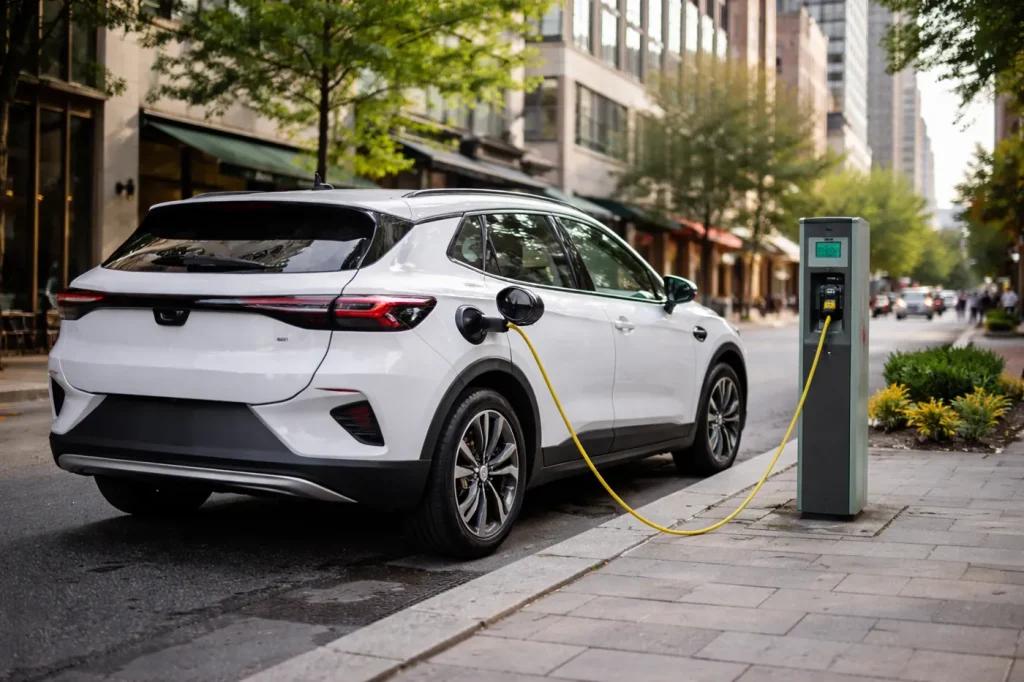
One of the most important changes in recent years is the ability to apply certain tax credits at the point of sale. This means buyers can see the savings immediately rather than waiting until they file taxes.
Point-of-sale credits reduce the upfront cost, which can lower monthly payments when financing or leasing. For buyers who prefer predictable budgeting, this option removes much of the uncertainty traditionally associated with tax credits.
Understanding how and when credits are applied can significantly improve the buying experience.
Leasing as a tax credit strategy

Leasing has become an increasingly popular way to benefit from EV tax credits. In many cases, leasing companies can claim credits that individual buyers may not qualify for, then pass the savings on through lower monthly payments.
This strategy allows more buyers to access incentives regardless of income limits or vehicle eligibility. Leasing also offers flexibility for drivers who want to try electric ownership without long-term commitment.
For budget-focused buyers, leasing can be an effective way to access electric vehicles at lower monthly costs.
Used ev tax credits and second-hand savings
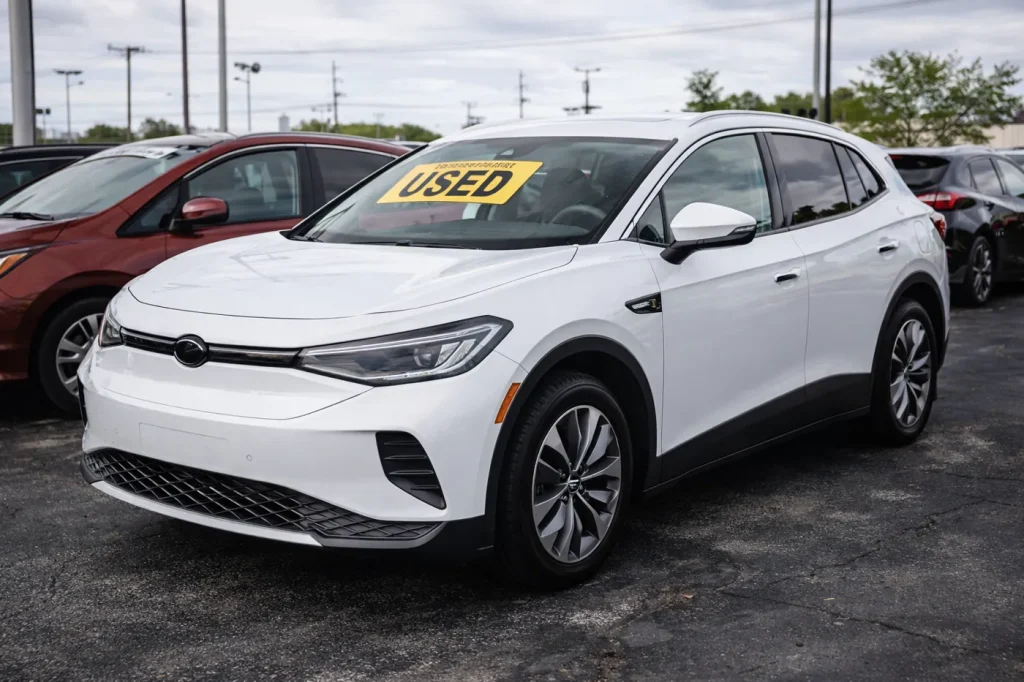
Used electric vehicles may also qualify for tax incentives. Certain used EV purchases can be eligible for credits, provided the vehicle meets price and age requirements.
These incentives help expand access to electric mobility for buyers who prefer the used market. Combined with depreciation, used EV credits can create exceptional value opportunities.
Understanding used EV incentives is especially important for buyers trying to stay well below the $30,000 threshold.
Common mistakes buyers should avoid
Many buyers miss out on EV tax credits due to simple mistakes. These include assuming all EVs qualify, ignoring income limits, or failing to verify vehicle eligibility before purchase.
Another common error is misunderstanding how credits apply to financing or leasing. Buyers should always confirm how incentives affect the final price and monthly payments.
Careful planning and verification can prevent costly surprises.
Who benefits most from ev tax credits
EV tax credits benefit a wide range of buyers, but they are especially impactful for middle-income households and first-time EV owners. Buyers who combine credits with affordable models can significantly reduce total ownership costs.
For drivers willing to research incentives and eligibility, tax credits can turn electric vehicles into financially smart decisions rather than premium purchases.
Conclusion

EV tax credits play a crucial role in making electric vehicles more affordable and accessible. By understanding how federal, state, and local incentives work, buyers can significantly reduce the cost of ownership.
As part of Affordable ev models under $30k in the u.s., tax credits help bridge the gap between sticker price and real-world affordability. With the right approach, paying less than $30,000 for an electric vehicle is no longer an exception, but a realistic outcome.
Written by Michael Carter
Senior Automotive Analyst | Used Car Expert | Lead Editor at AutoBrief USA (g4car.com)
Data-Driven Automotive Insights