DIY vs professional brake service: what is safer and more cost-effective?
When brake pads wear out, many drivers face the same question: should brake service be done at home or handled by a professional? While DIY brake jobs can save money, braking systems are critical to safety, and mistakes can be costly.
This guide compares DIY and professional brake service, explaining safety risks, cost differences, skill requirements, and when each option makes sense.
For a full overview of how service decisions affect safety, review how brake inspection and pad replacement affect safety.
Understanding what brake service involves
Brake service is more than simply swapping pads. A proper job includes inspecting pads, rotors, calipers, brake fluid, hardware, and ensuring correct reassembly and torque.
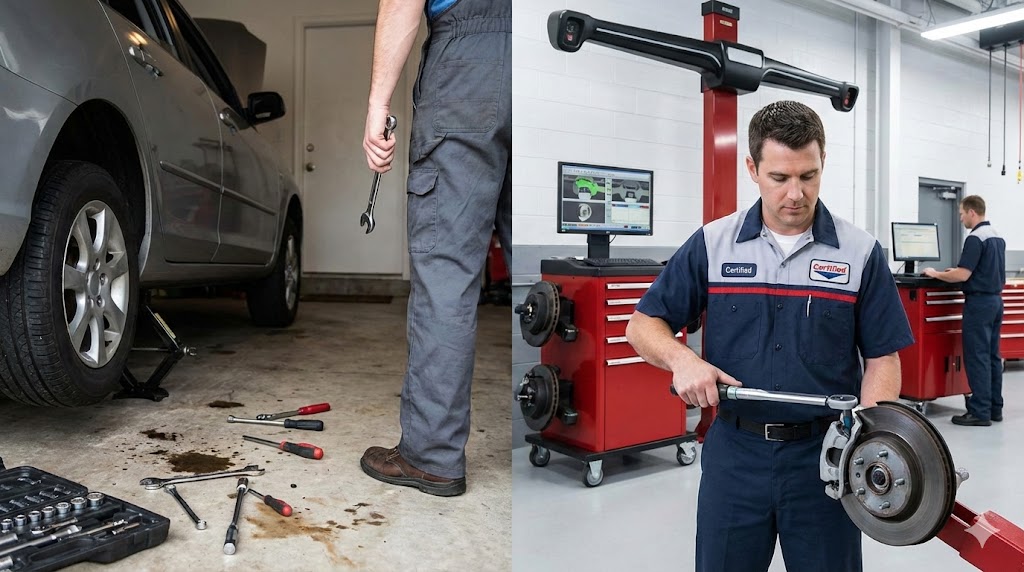
Professional technicians follow standardized procedures and safety checks. DIY service relies entirely on the installer’s knowledge, tools, and attention to detail.
Understanding the full scope of brake work is essential before deciding which option to choose.
When DIY brake service can be appropriate
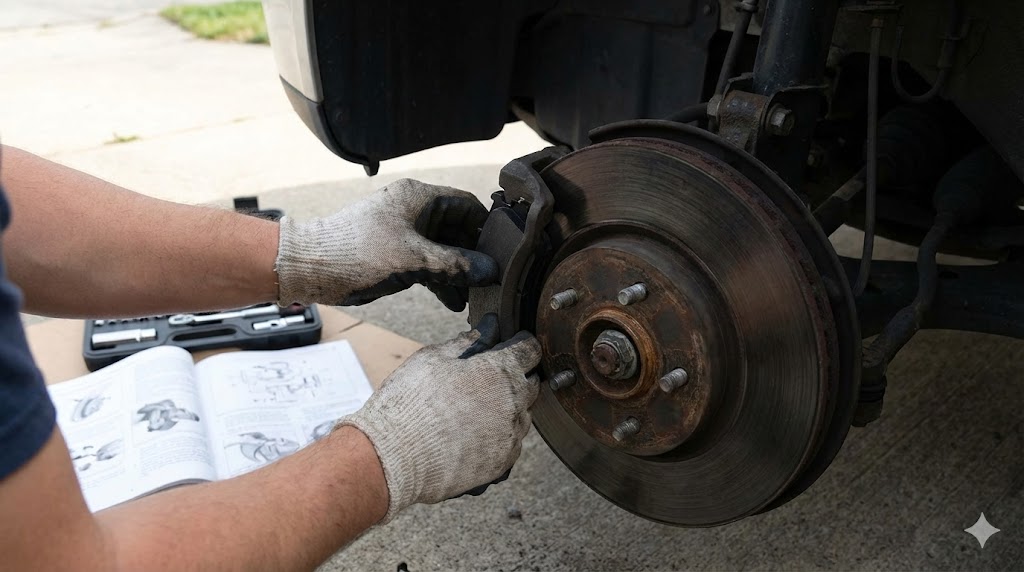
DIY brake service can be suitable for experienced individuals working on basic brake systems. Simple pad replacements on vehicles without electronic parking brakes or advanced driver-assistance systems are generally the most DIY‑friendly.
Drivers who already understand how to inspect your brakes: a step-by-step safety guide and have proper tools may safely perform basic brake work.
DIY service is best suited for:
- Standard pad replacements
- Vehicles with traditional brake systems
- Experienced individuals following manufacturer procedures
Safety risks of DIY brake service
Brakes are a safety-critical system. Improper installation can result in brake failure, uneven braking, noise, or rapid wear.
Common DIY mistakes include incorrect pad installation, improper caliper torque, contaminated friction surfaces, and failure to inspect rotors. These errors can increase stopping distance and compromise control.
If any uncertainty exists, professional service is the safer option.
Benefits of professional brake service
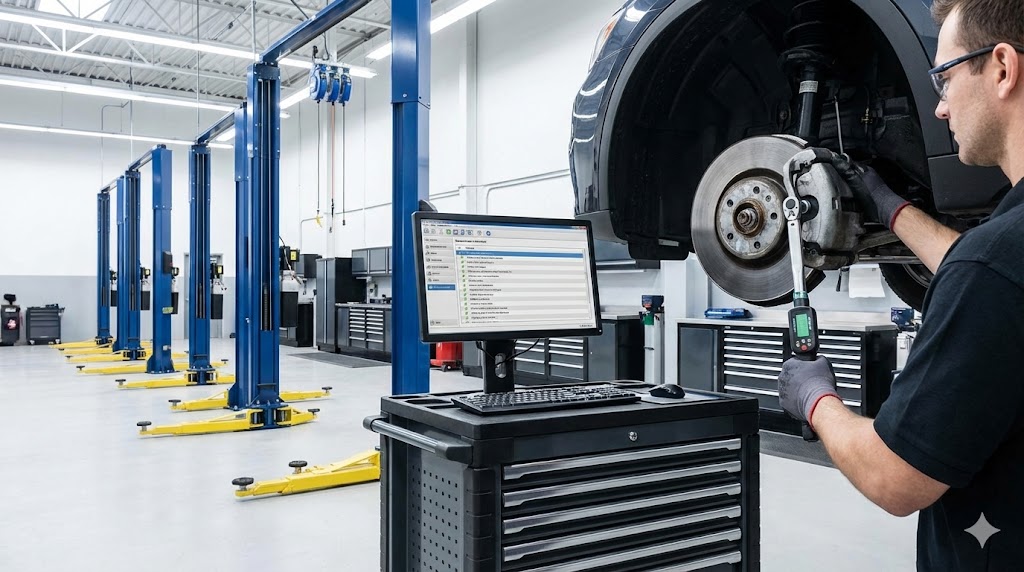
Professional brake service provides experience, proper tools, and accountability. Technicians are trained to identify related issues such as warped rotors, seized calipers, or fluid problems that DIY installers may overlook.
Most shops also offer warranties on parts and labor, providing peace of mind. This is especially important when pads are replaced late, as explained in when should brake pads be replaced?.
Professional service reduces risk and ensures consistent braking performance.
Cost comparison: DIY vs professional brake service
DIY brake service typically costs less upfront. Parts alone usually range from $40 to $150 per axle, depending on pad material.
Professional service costs more due to labor but includes inspection, warranty, and proper installation. Average professional costs are covered in brake pad replacement cost: what drivers should expect in the U.S..
While DIY saves money initially, mistakes can lead to higher long-term costs.
Vehicles that should not be serviced DIY
Many modern vehicles are not suitable for DIY brake service. Electronic parking brakes, integrated sensors, and advanced braking systems often require diagnostic tools.
Luxury vehicles and heavy-duty trucks also have tighter tolerances and higher safety risks. In these cases, professional service is strongly recommended.
Attempting DIY service on incompatible vehicles can cause system faults or brake failure.
How brake pad type affects DIY difficulty

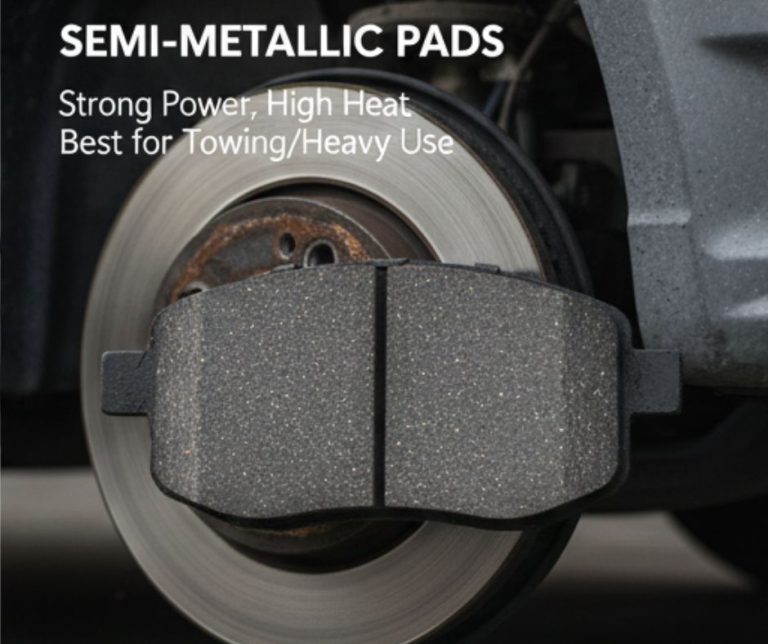
Brake pad material influences installation difficulty. Semi-metallic pads may require additional hardware handling and noise mitigation. Ceramic pads are more forgiving but still require precise installation.
Material differences are explained in brake pad types explained: ceramic vs semi-metallic vs organic, which helps determine whether DIY installation is realistic.
Choosing the right pad material reduces installation challenges.
Long-term safety and liability considerations
Improper brake service does not just affect the driver. It can endanger passengers and other road users. In the event of an accident, faulty brake work may also create legal or insurance issues.
Professional service transfers liability to the repair facility. DIY service places full responsibility on the vehicle owner.
Safety should always outweigh short-term savings.
Common mistakes when choosing DIY brake service
A common mistake is underestimating the complexity of brake systems. Another is skipping proper inspection steps or reusing worn hardware.
DIY installers may also ignore torque specifications or fail to test brakes properly after installation.
Following correct procedures and knowing personal limits is essential.
Final thoughts on DIY vs professional brake service
DIY brake service can be cost-effective for experienced individuals working on simple systems. However, professional service offers higher safety, reliability, and peace of mind, especially for modern vehicles.
When safety is the priority, professional brake service is often the better choice.
For a complete brake maintenance strategy, return to reliable brake pad options for everyday driving.