Common brake problems after pad replacement and how to avoid them
Replacing brake pads should improve braking performance, not create new problems. However, many drivers experience noise, vibration, or reduced braking effectiveness shortly after a brake pad replacement. In most cases, these issues are caused by improper installation, incorrect pad selection, or skipped inspection steps.
This guide explains the most common brake problems after pad replacement, why they happen, and how to prevent them.
For full context on proper brake service, review how brake inspection and pad replacement affect safety.
Why brake issues appear after pad replacement
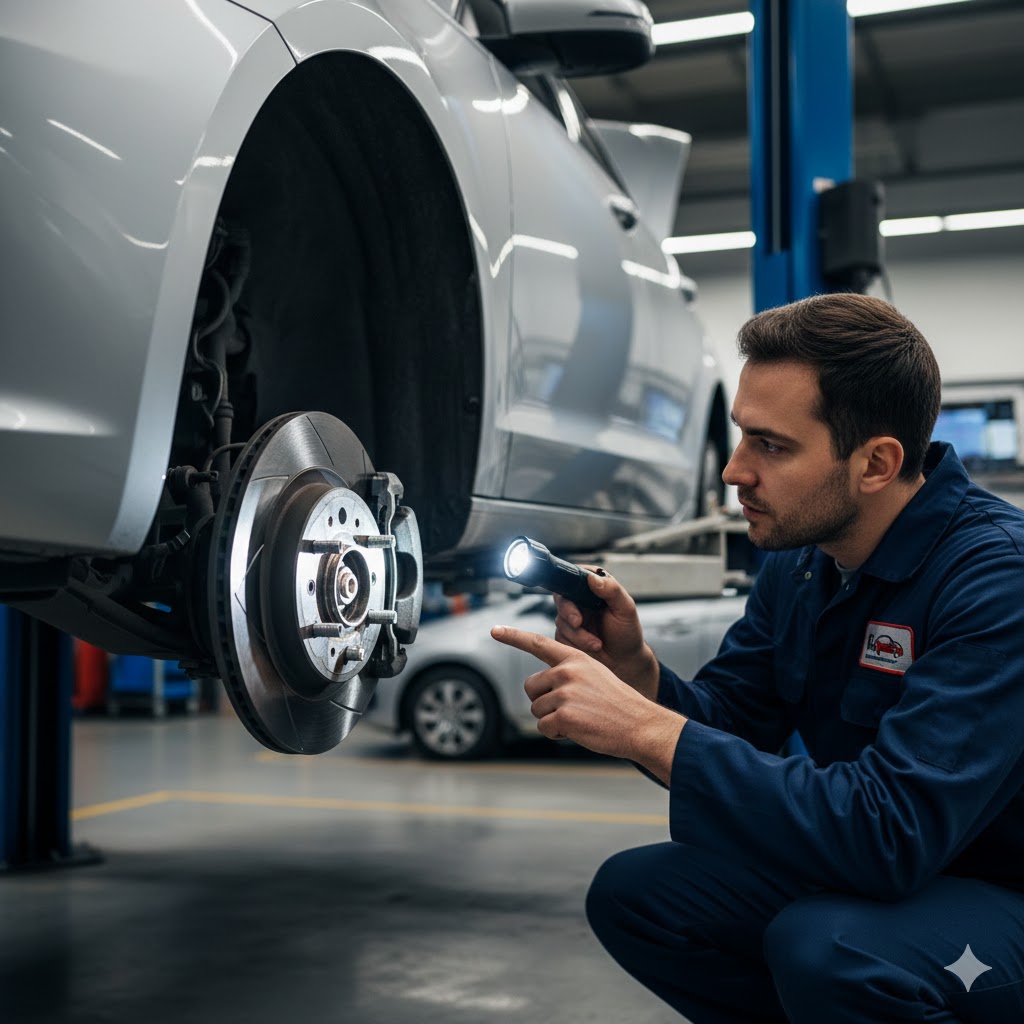
Brake systems rely on precise alignment, correct torque, and compatible components. When any step is rushed or overlooked, problems can appear immediately or after a few hundred miles.
Common causes include poor pad seating, contaminated friction surfaces, worn rotors, or incorrect hardware installation. These issues are preventable with proper procedures and inspection.
Post-replacement problems are not normal and should never be ignored.
Brake squealing or noise after replacement
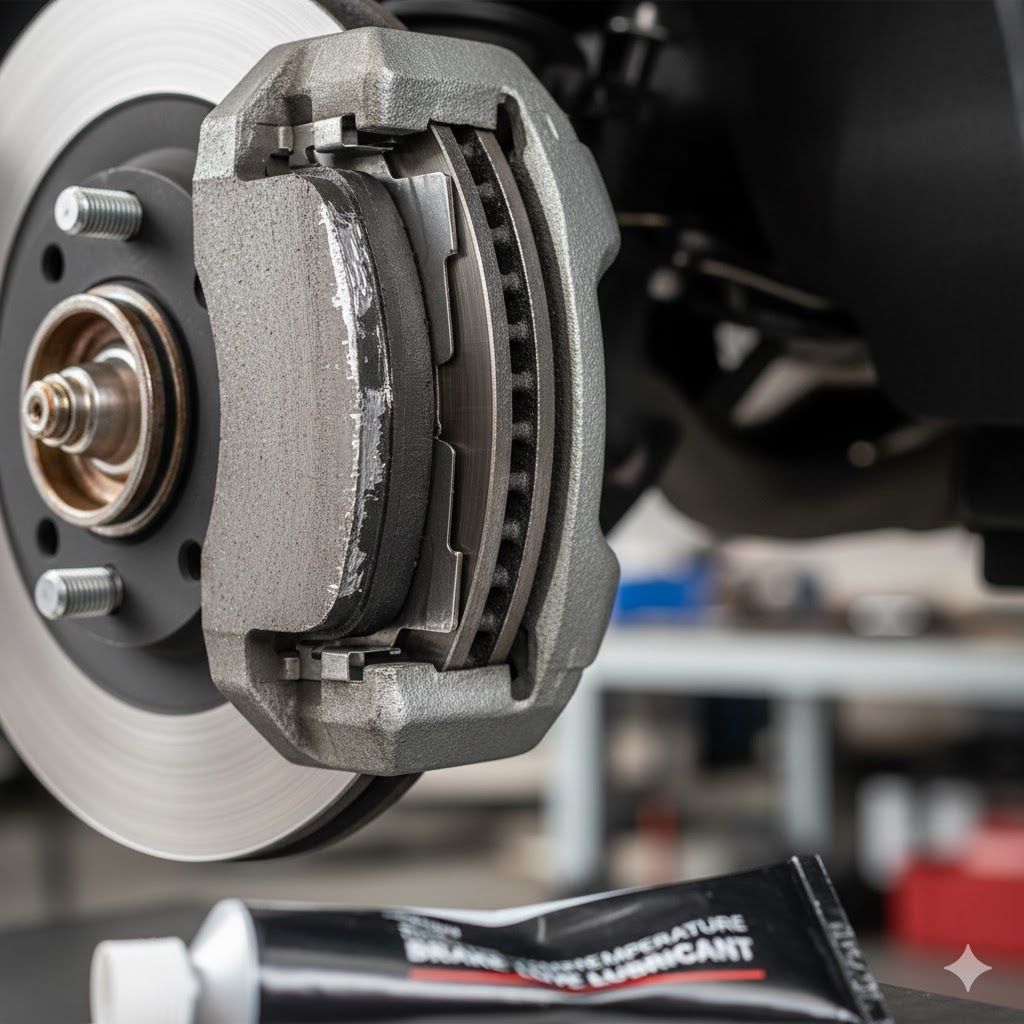
Squealing is one of the most frequent complaints after new brake pads are installed. This noise is often caused by vibration between the pad, caliper, and rotor.
Common causes include:
- Missing or improperly installed shims
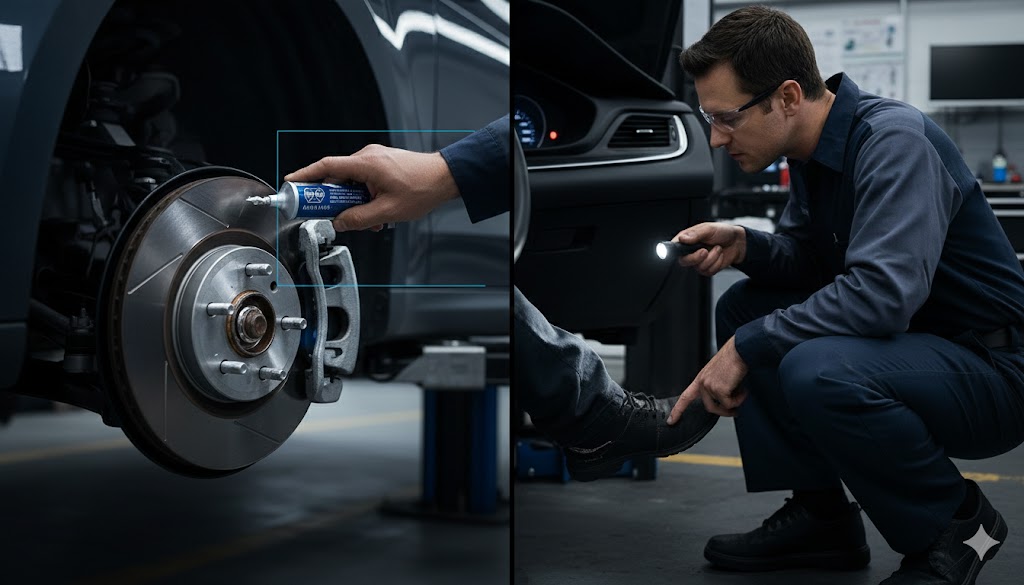
- Lack of brake lubricant on contact points
- Low-quality or incompatible pad material
Understanding material behavior helps reduce noise, which is explained in brake pad types explained: ceramic vs semi-metallic vs organic.
Proper installation and correct pad choice significantly reduce squealing.
Vibration or shaking while braking

Vibration after pad replacement is often linked to rotor issues rather than the pads themselves. Warped or unevenly worn rotors can cause pulsation through the brake pedal or steering wheel.
Installing new pads on damaged rotors usually makes vibration more noticeable. Rotors should always be inspected during pad replacement, as outlined in how to inspect your brakes: a step-by-step safety guide.
Ignoring vibration can lead to uneven pad wear and reduced braking control.
Reduced braking performance or soft pedal
New brake pads require a break-in period, known as bedding-in. Without proper bedding, braking performance may feel weak or inconsistent.
A soft pedal may also indicate air in the brake lines, improper caliper installation, or brake fluid issues. Brake fluid condition should always be checked during service.
If braking performance does not improve after bedding-in, immediate inspection is required.
Uneven or rapid brake pad wear
Uneven wear after replacement usually points to caliper or hardware problems. Seized caliper slide pins, uneven pressure, or reused worn hardware can cause one pad to wear faster than the other.
Rapid wear may also result from aggressive driving habits or incorrect pad material selection.
Replacing pads without addressing underlying causes leads to repeat failures.
Burning smell or overheating brakes
A burning smell after brake service often indicates pads dragging against the rotor. This may be caused by stuck calipers, improper installation, or incorrect pad fitment.
Overheating brakes reduce stopping power and can damage rotors and pads quickly. Any persistent burning smell should be addressed immediately.
Heat-related issues are a serious safety concern.
Brake warning lights after pad replacement
Brake warning lights may appear after replacement due to disconnected wear sensors, improper reset procedures, or low brake fluid levels.
Modern vehicles often require electronic resets after service. Ignoring warning lights can mask serious issues.
Professional service is recommended if warning lights remain on, as explained in DIY vs professional brake service.
How to avoid brake problems after replacement
Most post-replacement issues are preventable by following best practices:
- Inspect rotors and calipers during pad replacement
- Use high-quality, vehicle‑specific pads
- Replace worn hardware and apply proper lubrication
- Follow correct torque specifications
- Perform proper pad bedding-in
Planning replacement timing correctly, as explained in when should brake pads be replaced?, also reduces complications.
When post-replacement problems increase cost
Ignoring early symptoms can turn a simple pad replacement into a costly repair. Continued driving with noise, vibration, or overheating can damage rotors and calipers.
Understanding brake pad replacement cost: what drivers should expect in the U.S. helps drivers recognize when immediate service prevents larger expenses.
Early correction saves both money and safety.
Common mistakes that cause repeat brake issues
Common mistakes include reusing old hardware, skipping rotor inspection, and choosing the wrong pad material. Another frequent error is assuming new pads automatically fix braking problems.
Brake systems must be treated as a complete system, not individual parts.
Attention to detail is critical.
Final thoughts on avoiding brake problems after replacement
Brake pad replacement should restore safe, quiet, and consistent braking. When problems occur, they are usually the result of improper installation, poor inspection, or incorrect component choice.
Drivers who understand common post-replacement issues can act quickly and avoid long-term damage.
For a complete brake maintenance overview, return to reliable brake pad options for everyday driving.