Collision Avoidance Technology: How Modern Cars Prevent Crashes
Collision avoidance systems are advanced safety technologies that help prevent or reduce the severity of crashes by detecting hazards and acting before impact. In 2026, many new cars combine forward‑collision warning, automatic emergency braking, pedestrian/cyclist detection and lane support into integrated crash‑avoidance packages.
What is a collision avoidance system?
A collision avoidance system (CAS) uses sensors and software to monitor the road ahead, behind and sometimes to the sides, looking for situations where a crash is likely.
Typical components include:
- Sensors: Radar, cameras, ultrasonic sensors and sometimes LiDAR to measure distance, speed and relative movement of vehicles, pedestrians and obstacles.
- Control unit: Software that analyzes speed, distance and trajectories to estimate collision risk.
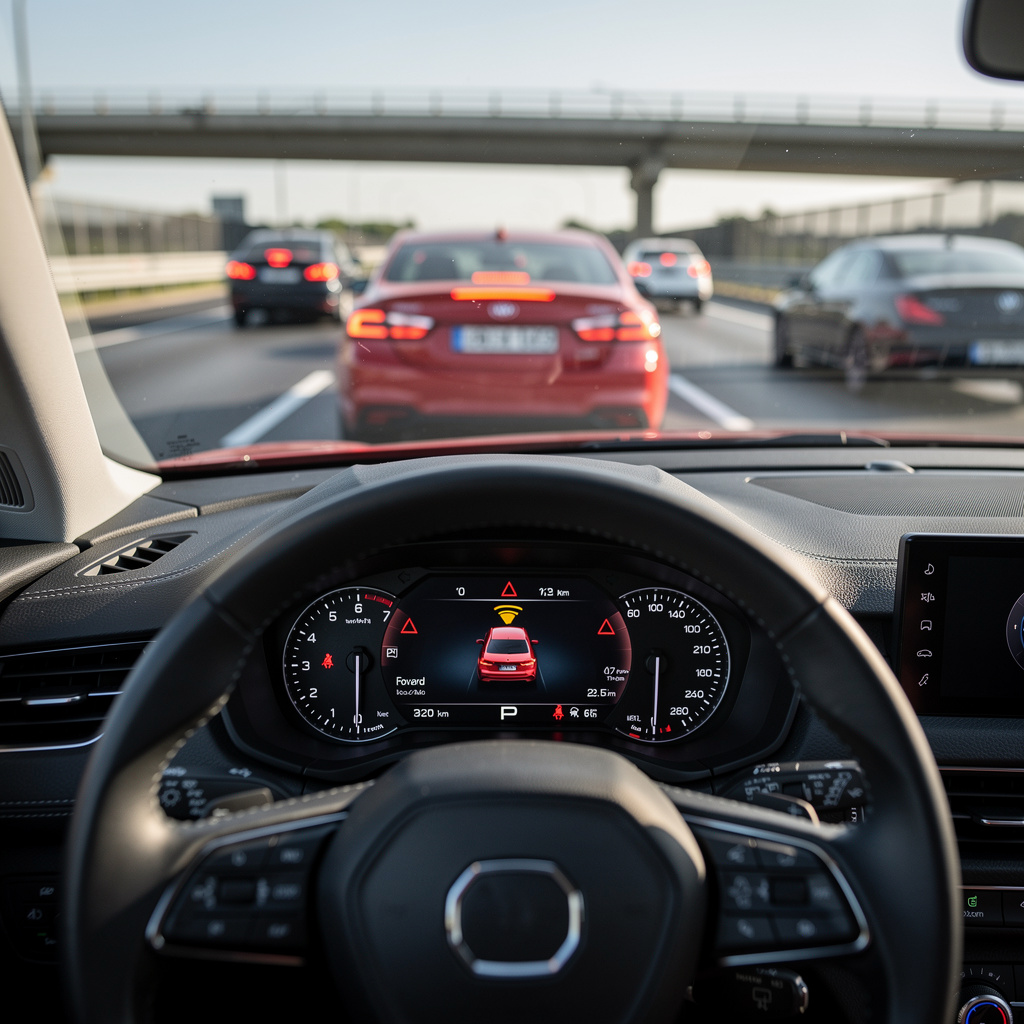
- Warnings and interventions: Visual, audible or haptic alerts, plus automatic braking or steering in advanced systems.
The system’s goal is to give the driver more time to react and, if necessary, take action on its own when a collision appears imminent.
Stages: from warning to automatic braking and steering
Most collision avoidance systems operate in stages as risk increases.
- Detection and warning
- Assisted braking
- Automatic Emergency Braking (AEB)
- Autonomous steering (in some systems)
Collision avoidance by braking is most effective at lower speeds, while controlled steering can help at higher speeds when moving into a clear lane is possible.
Read more : Advanced driver assistance systems explained
Key collision avoidance features: FCW, AEB and vulnerable road user detection
Several specific technologies work together under the “collision avoidance” label.
- Forward Collision Warning (FCW):
- Automatic Emergency Braking (AEB):
- Pedestrian and cyclist detection:
- Rear and cross‑traffic collision avoidance:
These technologies are increasingly considered essential elements of modern crash‑avoidance packages in safety ratings and regulations.
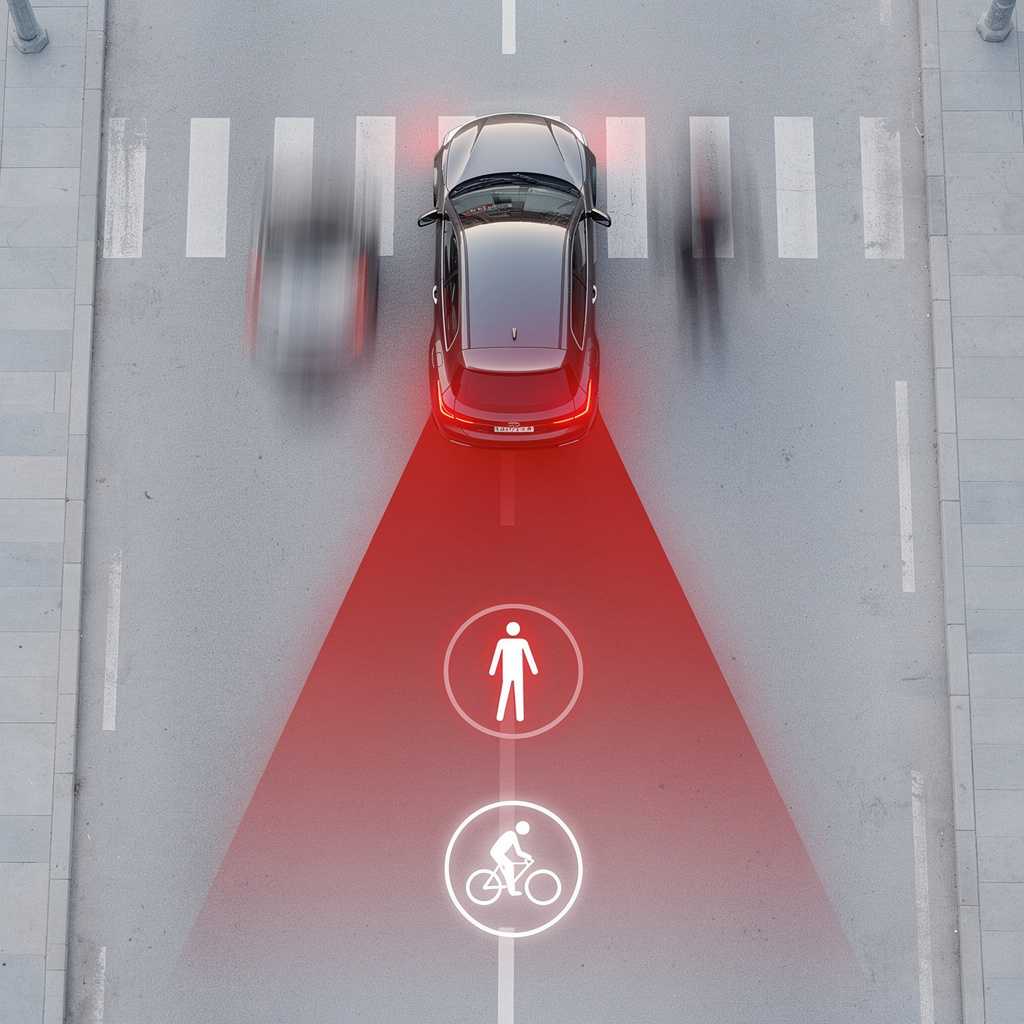
How new 2026 protocols push collision avoidance forward
Safety organizations are tightening testing around collision avoidance to better reflect real‑world risks.
Euro NCAP’s 2026 protocols, for example:
- Expand crash‑avoidance testing to more scenarios, including urban situations with powered two‑wheelers, cyclists and pedestrians.
- Add new “Low Speed Collisions” tests for pedal‑misapplication, reversing with children behind the car and door‑opening (dooring) risks for cyclists.
- Evaluate not just whether systems avoid crashes, but also how smooth and intuitive lane support and braking interventions feel in everyday driving.
These changes encourage manufacturers to design systems that are both effective and user‑friendly, reducing the chance that drivers will switch them off because they feel too intrusive.
Using collision avoidance tech safely
Even the best collision avoidance systems are meant to assist, not replace, the driver.
Best practices:
- Keep sensors and cameras clean and unobstructed; dirt, snow or damage can reduce effectiveness.
- Understand the conditions and speeds where your system works (check the manual); some features do not detect stopped objects or work well in poor visibility.
- Leave AEB and FCW turned on unless you have a specific reason to adjust sensitivity; they have been shown to significantly reduce front‑to‑rear crashes.
When combined with attentive driving, collision avoidance technology can sharply reduce crash risk and injury severity, especially in busy urban environments and on crowded highways.
Read more : Best car safety features 2026