
Cheapest car insurance companies ranked for 2026
Every year around renewal time I do the same thing. I pull up my current rate, tell myself I’ll shop around this time, open four tabs, get overwhelmed by the comparison sites, and end up just renewing with whoever I already have because it feels easier.
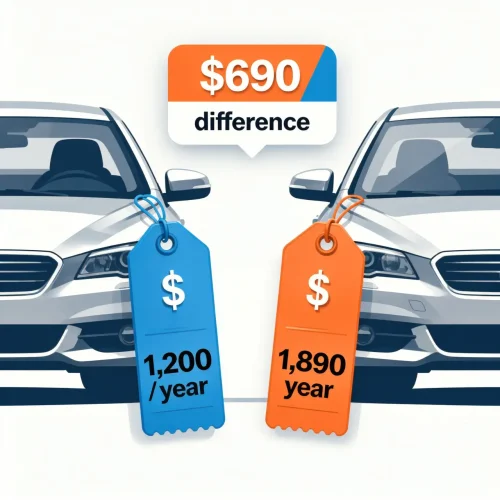
Last year I finally forced myself to actually go through with it. Spent a Sunday afternoon getting real quotes same coverage, same deductibles, same everything from eight different companies. The spread was wild. We’re talking a difference of over $600 a year for literally identical coverage. Same driver, same car, same zip code.
So yes, shopping around is genuinely worth it. And no, the company your parents use isn’t automatically the cheapest for you.
This is my attempt to make that process less annoying. Here’s how the major insurers actually stack up in 2026, based on average annual premiums, customer satisfaction data, and what real drivers tend to experience when they file a claim.
How I put this together
Quick note on methodology because I think it matters.
Average premium data comes from rate analysis across multiple driver profiles clean record, one accident, young driver, senior driver so the numbers reflect what a range of real people actually pay, not just a theoretical perfect driver with a spotless record and a 10-year-old sedan.
I also looked at AM Best financial strength ratings (basically, can this company actually pay your claim), J.D. Power satisfaction scores, and NAIC complaint ratios which track how often a company gets formal complaints relative to their size.
Cheapest on paper isn’t always the best call if the company fights every claim or takes four months to process anything.
The rankings
1. GEICO
Average annual premium: around $1,310 for full coverage
GEICO is consistently the cheapest or near-cheapest option for most driver profiles. Their app is genuinely good, claims are handled relatively fast, and their discount structure is one of the more generous ones out their military discounts, federal employee discounts, good student discounts, multi-policy.
The thing people complain about most is that local agent support is limited. It’s a very digital-first company. If you want to sit across from someone and have them explain your policy in person, GEICO probably isn’t for you.
For everyone else it’s hard to beat on price.
2. State Farm
Average annual premium: around $1,480 for full coverage
State Farm is the largest auto insurer in the country and their rates are competitive without being the absolute lowest. What they have that GEICO doesn’t is an enormous network of local agents. If you want a real human being who knows your name and your situation, State Farm is genuinely good at that.
Their Drive Safe & Save telematics program can knock a meaningful amount off your premium if you’re a careful driver. Worth it for most people.
3. Progressive
Average annual premium: around $1,560 for full coverage
Progressive is interesting because their rates are all over the place depending on your profile. For drivers with an accident or a ticket on their record, Progressive is often one of the cheaper options they’re more tolerant of imperfect records than most. For drivers with clean records there are usually better prices elsewhere.
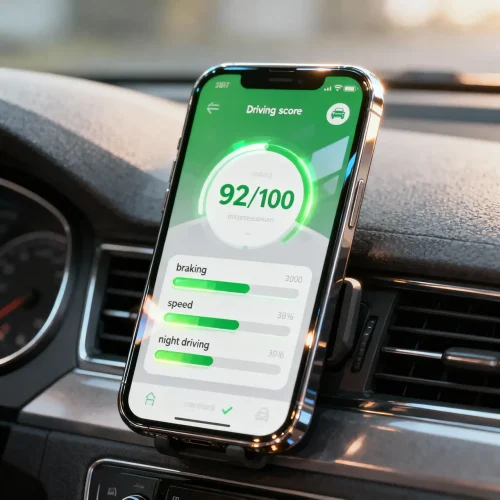
Their Snapshot program tracks you’re driving and adjusts your rate accordingly. If you don’t brake hard and don’t drive at 2am on weekends, you’ll probably see a discount. If you do… maybe skip Snapshot.
4. Nationwide
Average annual premium: around $1,590 for full coverage
Nationwide doesn’t get talked about as much as the big three but they’re worth including. Their SmartRide program is similar to Progressive’s Snapshot but tends to get better reviews for actually reducing premiums rather than mostly just collecting data.
Good option for homeowners who want to bundle the multi-policy discount is solid.
5. Travelers
Average annual premium: around $1,620 for full coverage
Travelers is more of a regional standout. Their rates in certain states particularly in the Northeast and Midwest are very competitive. Nationally they’re not always the cheapest but in the right zip code they can beat everyone on this list.
Strong financial ratings, lower complaint ratio than most, decent claims process. Under-the-radar pick.
6. Allstate
Average annual premium: around $1,890 for full coverage
Allstate is more expensive than most competitors and that’s just the reality. What you’re paying for is arguably better claims support and a wide agent network, though their J.D. Power scores are middling so it’s not like you’re getting a premium experience for the premium price.
I’d use Allstate if I’d gotten a bundling quote that made sense overall, not as a standalone auto policy.
7. USAA
Average annual premium: around $1,200 for full coverage but only if you qualify
USAA is technically the cheapest option available but it’s restricted to military members, veterans, and their immediate families. If you’re eligible and you’re not using USAA already, that’s the first call you should make. Their rates, claims satisfaction, and customer service scores are consistently the best in the industry.
If you’re not eligible, ignore this entry entirely.
What actually moves your rate
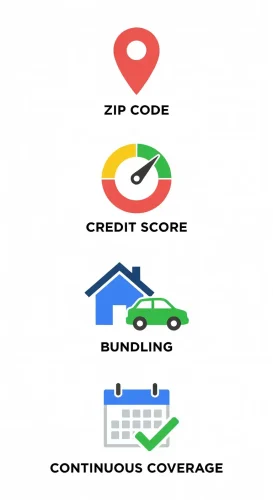
The rankings above are averages. Your actual quote could be higher or lower depending on a few things that matter a lot.
Your zip code is a bigger factor than most people realize. Moving from one part of a city to another can shift your premium by 20%. Insurers look at local accident rates, theft rates, weather patterns, even litigation trends in your area.
Your credit score is used in most states. Improving your credit genuinely does lower your insurance bill over time.
Bundling your auto policy with renters or homeowners insurance typically gets you between 10 and 25 percent off depending on the company. Worth doing the math on.
Continuous coverage matters. Gaps in your insurance history even a month or two can flag you as higher risk and push your rate up. If you’re between cars, look into a non-owner policy to keep coverage active.
The comparison tool question
There are a lot of sites that will pull quotes from multiple companies at once The Zebra, Insurify, NerdWallet’s comparison tool. They’re useful for a first look but I’d always verify directly on the insurer’s website before buying. The quotes from aggregators are sometimes slightly off because they’re pulling from cached rate data rather than running a live quote.
Take five extra minutes to get a direct quote from your top two or three options. The number might surprise you in either direction.
My honest take
If I had to pick one for someone starting from scratch with a clean record and no special circumstances, I’d say get a GEICO quote first and then check State Farm if you want the option of a local agent. For anyone with a blemished record, start with Progressive.
And if any of this is starting to feel like a lot understanding what you’re even comparing before you start shopping makes a real difference. The beginner’s breakdown of how car insurance actually works is a good anchor point if the coverage types are still a little fuzzy.
Stay covered, stay safe, and happy driving.