Best tires for electric vehicles in 2025 (quiet, long-range, low wear)
Tires are one of the most underestimated components in electric vehicle ownership, yet they directly influence range, safety, ride comfort, and long-term operating cost. Because EVs are heavier than comparable gasoline cars and deliver instant torque from a standstill, they place unique demands on tire construction and compound design. As explained in Electric Vehicles (EV) Reviews & Trends: The 2025 Guide for U.S. Drivers, efficiency gains no longer come only from battery improvements or charging speed, but also from optimizing rolling resistance, noise control, and durability at the road surface.
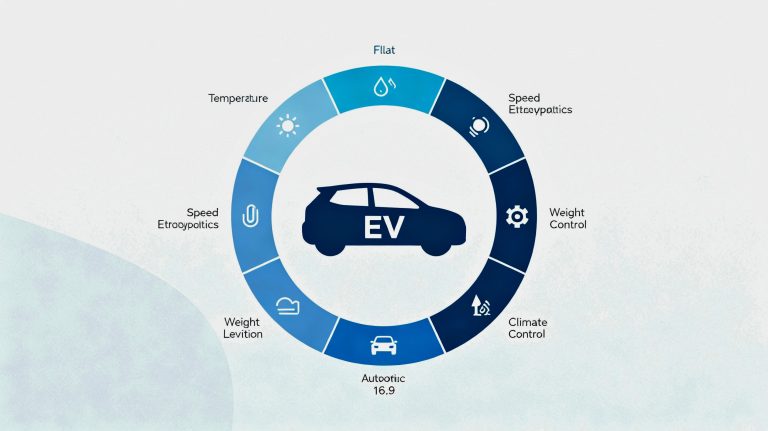
In 2025, most major tire manufacturers now offer models specifically engineered for electric vehicles. These products focus on three priorities: reducing energy loss to extend driving range, reinforcing structures to handle higher curb weight, and minimizing road noise in cabins that lack the masking effect of combustion engines.
This expert guide reviews what makes an EV tire different, which brands lead the U.S. market, and how proper tire selection affects safety, battery efficiency, and total cost of ownership.
Why electric vehicles need specialized tires
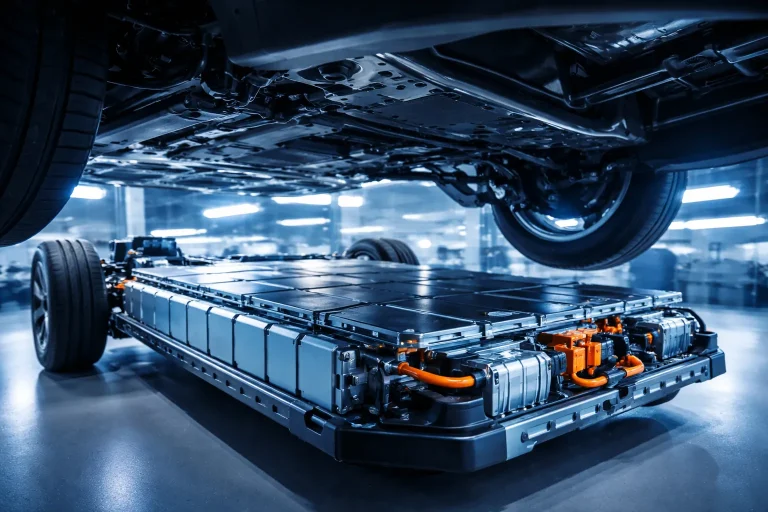
Electric vehicles typically weigh 10 to 30 percent more than equivalent internal-combustion models because of their battery packs. At the same time, electric motors deliver full torque instantly, which increases stress on tread blocks and sidewalls during acceleration.
Three characteristics therefore become critical:
First, load capacity. EV tires must support higher weight without excessive flex, which can cause heat buildup and uneven wear.
Second, rolling resistance. Lower resistance reduces energy loss and can add measurable range on a full charge.
Third, noise control. With no engine vibration, tire noise becomes one of the dominant sources of cabin sound, making acoustic optimization essential.
Standard all-season tires can function on EVs, but models designed specifically for electric platforms provide better efficiency, quieter operation, and longer service life under these conditions.
Key performance criteria for ev tires
Rolling resistance and range impact
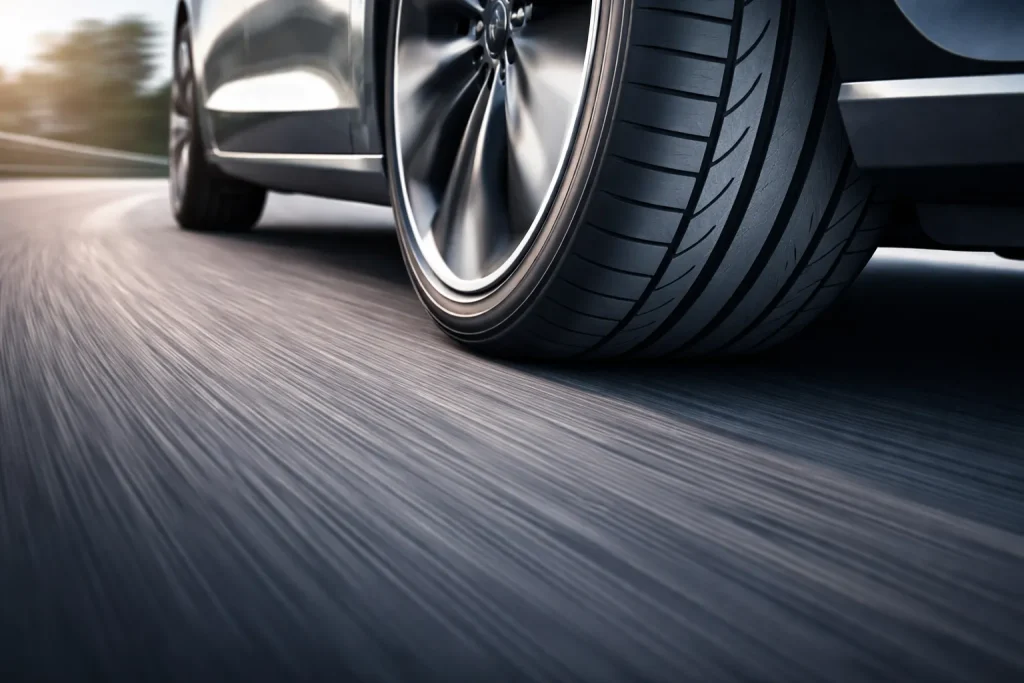
Low-rolling-resistance compounds and optimized tread geometry can improve efficiency by 3 to 7 percent compared with conventional tires. For a vehicle with a 300-mile range, this may translate into 10 to 20 additional miles in mixed driving.
Traction and braking
Instant torque and regenerative braking create different wear patterns than traditional powertrains. High-silica compounds and reinforced shoulders help maintain grip and consistent braking performance, particularly in wet and cold conditions.
Noise reduction
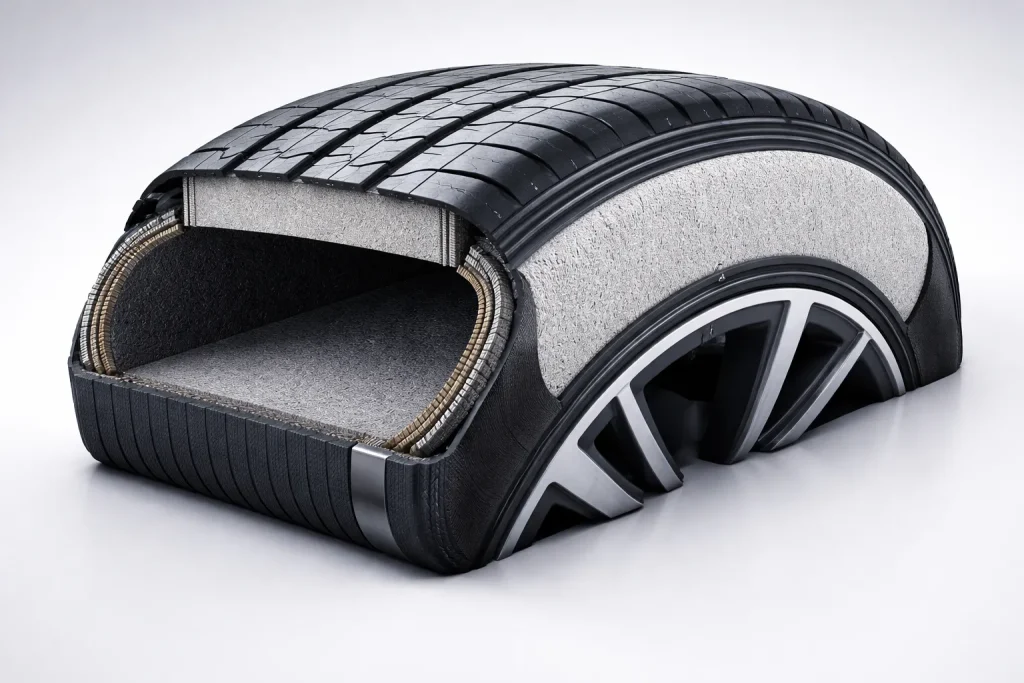
Acoustic foam liners and variable-pitch tread designs reduce resonance inside the tire cavity. This technology is now common in EV-specific models and significantly improves highway comfort.
Tread life and durability
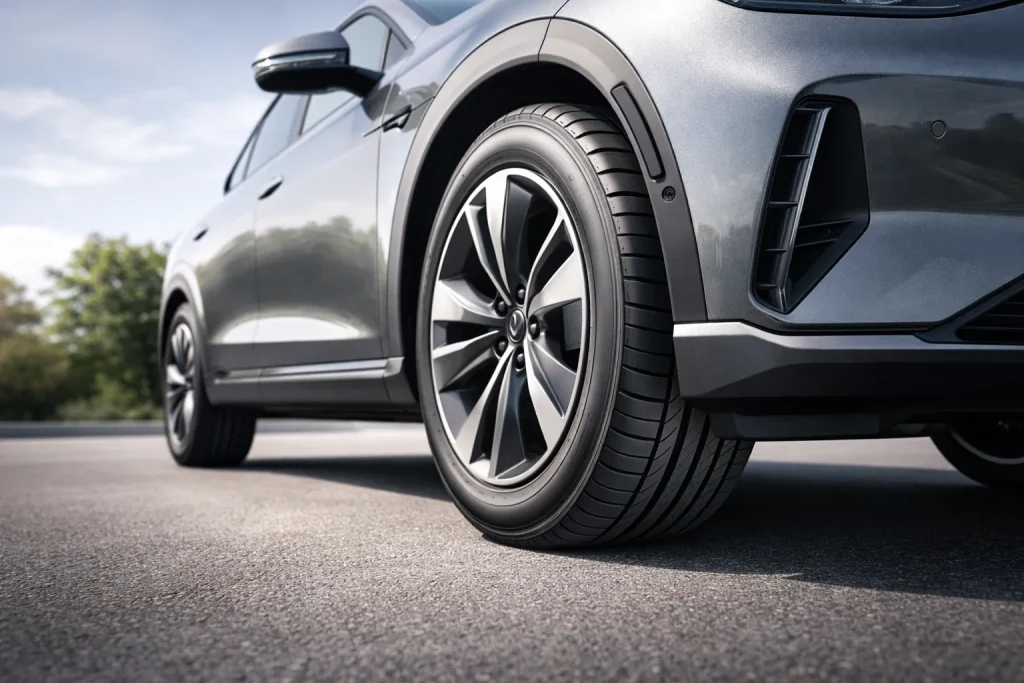
Because of vehicle weight and torque, EVs can accelerate tire wear if low-quality or under-rated tires are used. Choosing models with appropriate load ratings and reinforced construction helps extend replacement intervals and reduce long-term cost.
Leading ev tire brands and models in the u.s. in 2025
Michelin
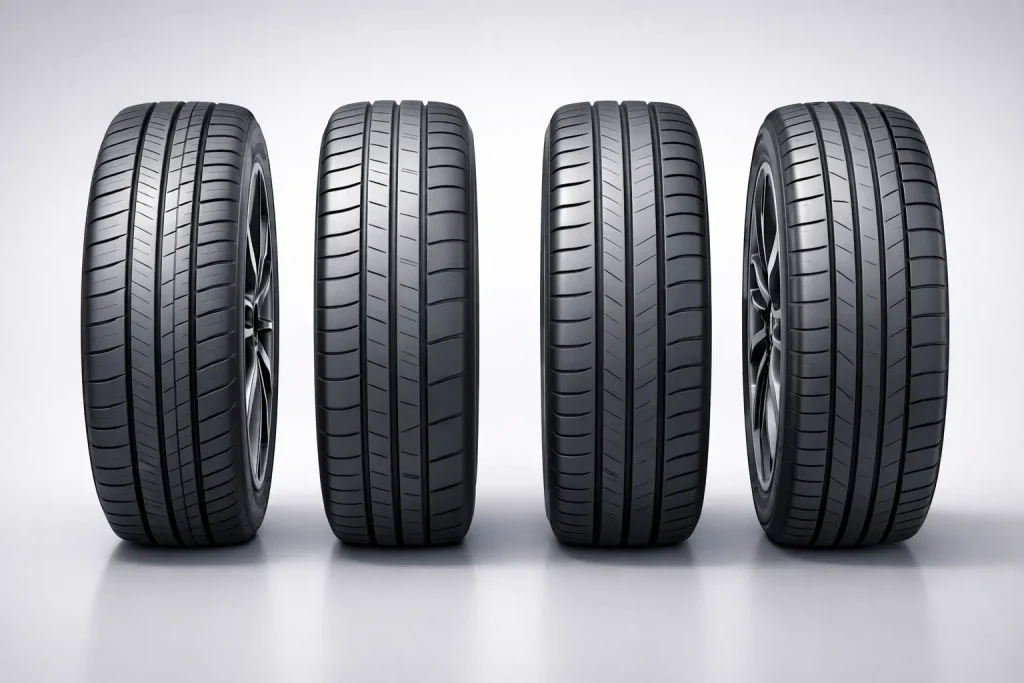
Michelin offers two key EV-focused lines. The e-Primacy emphasizes low rolling resistance and long tread life for daily drivers, while the Pilot Sport EV targets performance sedans and crossovers, combining strong grip with reinforced sidewalls and noise-reduction technology.
Bridgestone
Bridgestone’s Turanza EV and Ecopia EV lines focus on comfort, efficiency, and wet-weather stability. These tires are widely used as original equipment on new electric sedans and compact SUVs.
Continental
Continental provides EV-tuned versions of its EcoContact and PremiumContact series. Advanced silica compounds and acoustic insulation make them suitable for drivers prioritizing quiet operation and balanced all-season performance.
Pirelli
Pirelli’s Elect line, including the P Zero Elect and Cinturato P7 Elect, is designed for higher-performance EVs. Reinforced structures support heavy battery packs while maintaining responsive handling.
Tire Rack and independent testing
U.S. retailers and test organizations consistently show that EV-specific tires outperform conventional all-season models in efficiency and noise control, even when tread patterns appear similar.
Mid-article links to neighboring satellites
Battery efficiency and degradation are influenced not only by charging habits but also by rolling resistance and thermal load during driving. A detailed analysis of long-term capacity retention and replacement cost is available in EV battery warranty & replacement cost comparison by brand (2025), which explains how energy efficiency at the wheel level contributes indirectly to battery longevity.
Tires are also a major component of routine ownership expense. Service intervals, regenerative-braking effects, and long-term maintenance budgeting are examined in EV maintenance cost vs gas cars in the u.s. (5-year ownership study, 2025), showing how proper tire selection and rotation schedules reduce overall operating costs.
Tire pressure and maintenance for evs
Maintaining correct inflation pressure is more critical for EVs than for gasoline vehicles. Under-inflation increases rolling resistance, reduces range, and accelerates shoulder wear. Over-inflation can compromise ride comfort and wet-weather grip.
Best practices include:
- Checking pressure at least once per month
- Following manufacturer-specified load ratings
- Rotating tires every 5,000 to 7,500 miles
- Performing wheel alignment when uneven wear appears
Because regenerative braking reduces brake pad wear, tires often become the primary wear item in an EV’s maintenance schedule.
Seasonal considerations
In cold-weather regions, winter tires with low-temperature compounds and aggressive siping significantly improve traction and braking. However, they typically increase rolling resistance and reduce range. Many manufacturers now offer EV-optimized all-weather tires that balance winter capability with efficiency, providing a practical year-round solution for moderate climates.
Cost and value analysis
EV-specific tires usually cost 10 to 20 percent more than comparable conventional models. However, improved tread life, lower energy consumption, and reduced noise often justify the premium. Over a full ownership cycle, the total cost difference can be minimal when efficiency gains and longer replacement intervals are considered.
Conclusion
In 2025, selecting the right tires is a strategic decision for electric vehicle owners, not merely a routine replacement choice. EV-optimized tires improve driving range, enhance safety, reduce cabin noise, and extend service life under the unique weight and torque characteristics of electric drivetrains.
When evaluated within the broader context of Electric Vehicles (EV) Reviews & Trends: The 2025 Guide for U.S. Drivers, tire choice emerges as a key contributor to overall efficiency and ownership satisfaction. By pairing appropriate EV-specific tires with informed charging practices and regular maintenance, U.S. drivers can achieve better performance, lower operating costs, and greater long-term reliability from their electric vehicles.