Best public charging apps & membership plans compared (2025)
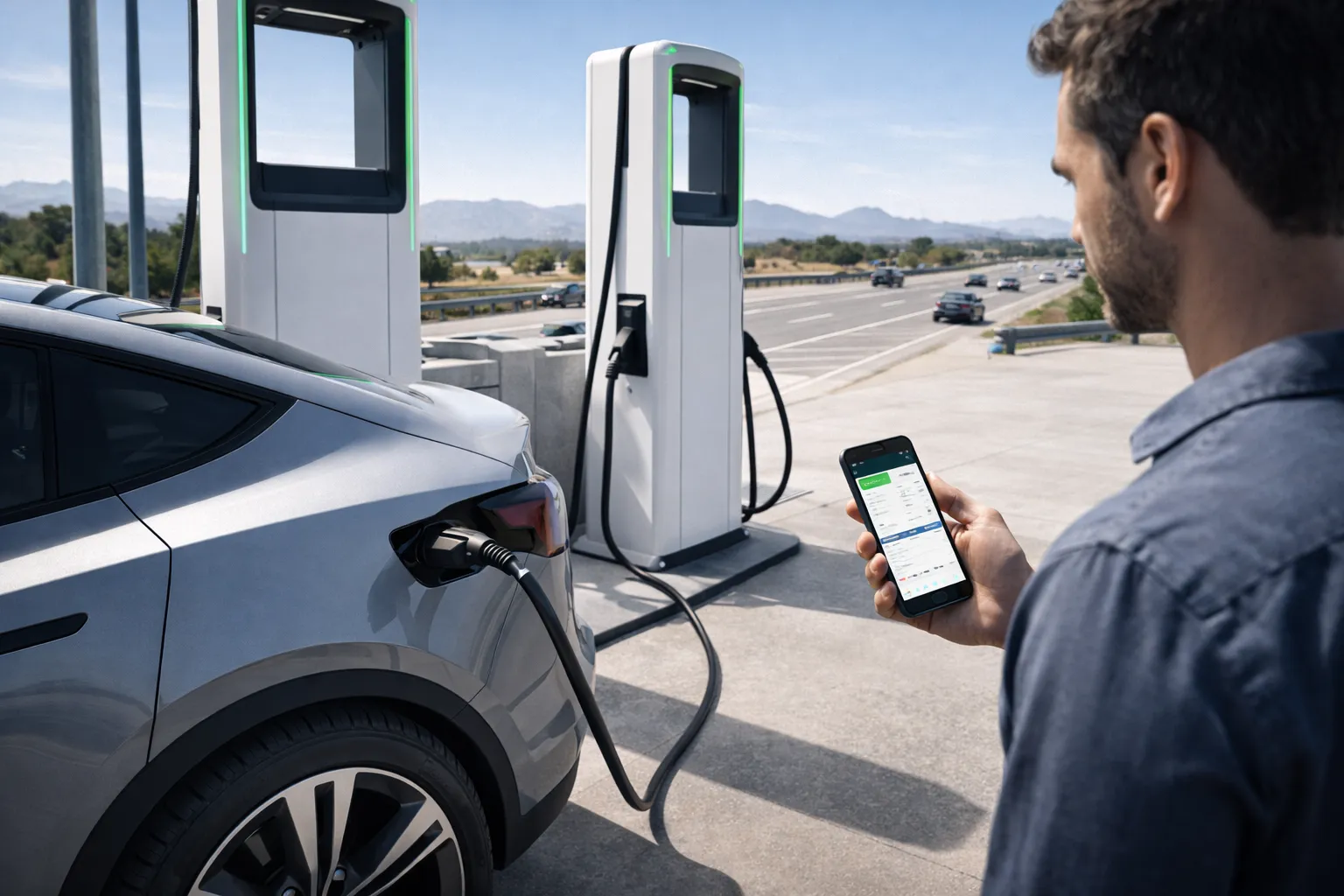
Access to reliable public charging remains a critical factor in the daily usability of electric vehicles, particularly for drivers who frequently travel or do not have a permanent home charging station. While the number of fast-charging stations in the United States continues to grow, the real experience on the road is shaped by software: mobile apps that show station availability, pricing, charging speed, and membership benefits. As detailed in Electric Vehicles (EV) Reviews & Trends: The 2025 Guide for U.S. Drivers, charging infrastructure is not only about hardware, but also about network reliability and digital tools that reduce uncertainty and waiting time.
In 2025, most major charging networks operate their own mobile platforms and subscription programs. These services allow drivers to plan routes, start and stop charging sessions, monitor costs, and access discounted energy rates. Understanding how these apps and memberships differ is essential for minimizing charging time, avoiding congestion, and controlling long-term energy expenses.
This guide compares the leading public charging apps and membership plans in the U.S., focusing on coverage, reliability, pricing models, and real-world usability for daily commuting and long-distance travel.
Why charging apps and memberships matter
Public fast-charging can account for a significant portion of total energy cost for drivers who lack a home Level 2 installation or who travel frequently. Without a structured plan, charging sessions may be subject to:
- Peak pricing
- Idle fees
- Limited station availability
- Inconsistent charging speeds
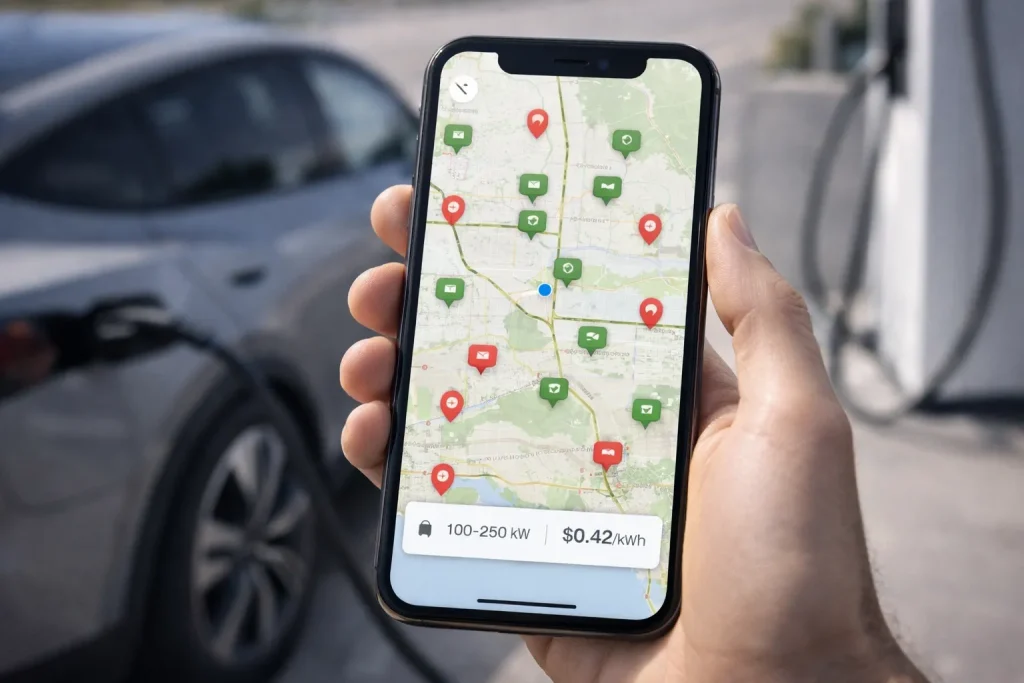
Mobile apps provide real-time visibility into station status and allow drivers to filter by power level, connector type, and cost. Membership plans, in turn, offer reduced per-kWh rates or flat monthly discounts, which can lower total charging expenses over time.
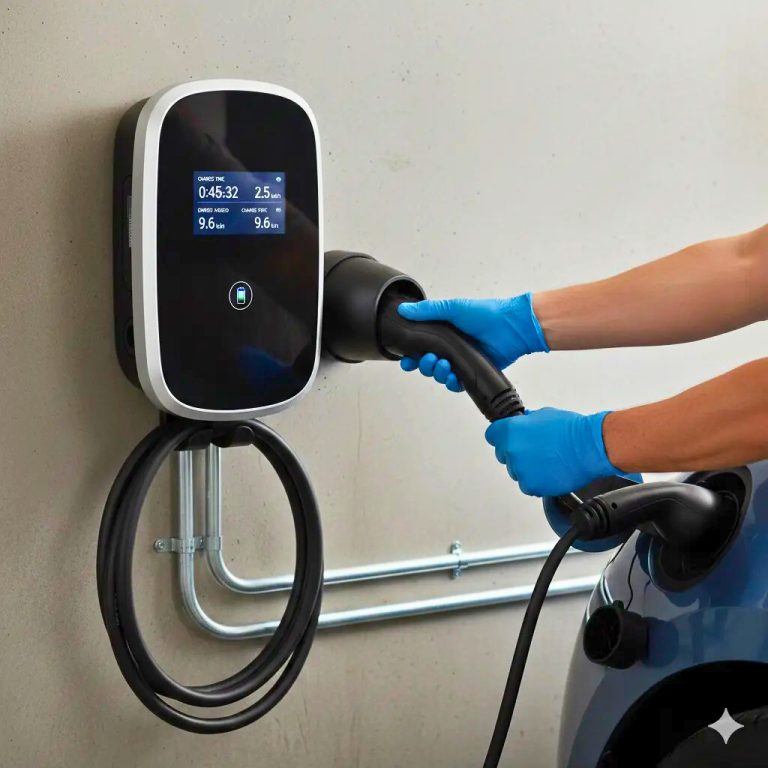
For drivers who already rely on residential solutions such as those reviewed in Best home ev chargers in 2025 (level 2) – reviews & installation guide, public networks act as a complementary layer that supports longer trips and urban charging needs.
Major public charging networks in the u.s.
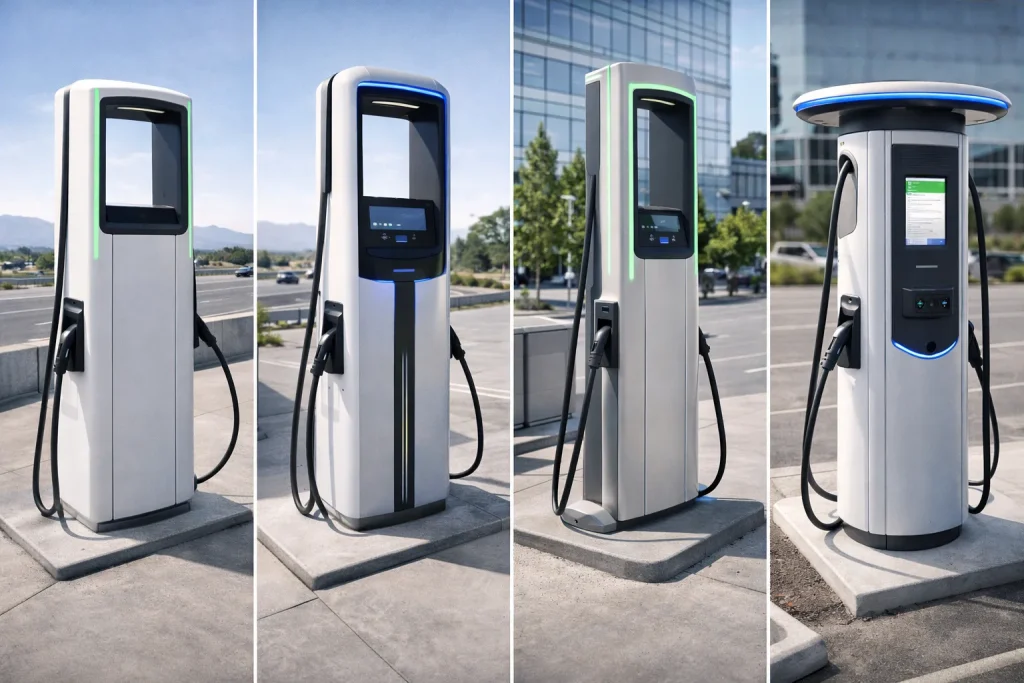
Electrify America
Electrify America operates one of the largest DC fast-charging networks in the country, with high-power stations along major highways and in metropolitan areas. Its mobile app provides:
- Real-time station availability
- Charging speed information
- Session cost estimates
- Route-planning integration
The Electrify America Pass+ membership offers lower per-kWh pricing in exchange for a monthly fee, making it attractive for drivers who frequently use high-power fast chargers.
EVgo
EVgo focuses on urban and suburban coverage, often placing stations in shopping centers and parking facilities. Its app supports reservation features in some regions and detailed session tracking. The EVgo Plus and EVgo Unlimited plans provide discounted rates and, in some markets, flat-fee charging during off-peak hours.
ChargePoint
ChargePoint operates a large network of Level 2 and DC fast chargers, many of which are owned by third parties but accessible through a single app. The ChargePoint Plus program integrates home and public charging accounts, allowing unified billing and energy tracking.
Tesla Supercharger network
While historically exclusive to Tesla vehicles, much of the Supercharger network is now accessible to other EV brands through adapters and app-based access. Tesla’s software remains one of the most reliable for route planning and real-time station monitoring, with high uptime and consistent charging speeds.
Key features to compare
Network coverage
Drivers should evaluate how well a network covers their typical routes and destinations. Highway corridors, urban density, and rural availability vary significantly between providers.
Pricing and subscription value
Membership plans typically reduce per-kWh cost by 10 to 25 percent. For frequent users, these savings can exceed the monthly fee, while occasional users may prefer pay-as-you-go access.
Reliability and uptime
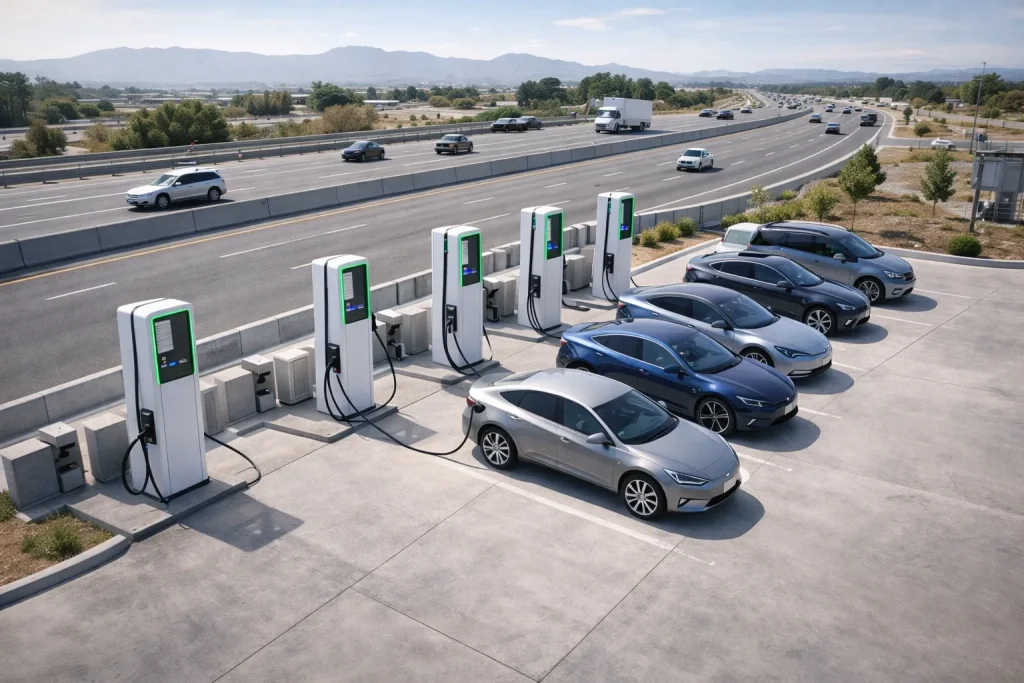
Station maintenance and software accuracy affect real-world usability. Apps that provide live status updates and user-reported issues reduce the risk of arriving at non-functional chargers.
Integration with navigation systems
Seamless integration with in-vehicle navigation and third-party route planners allows drivers to estimate charging time, cost, and optimal stop locations more accurately.
Mid-article links to neighboring satellites
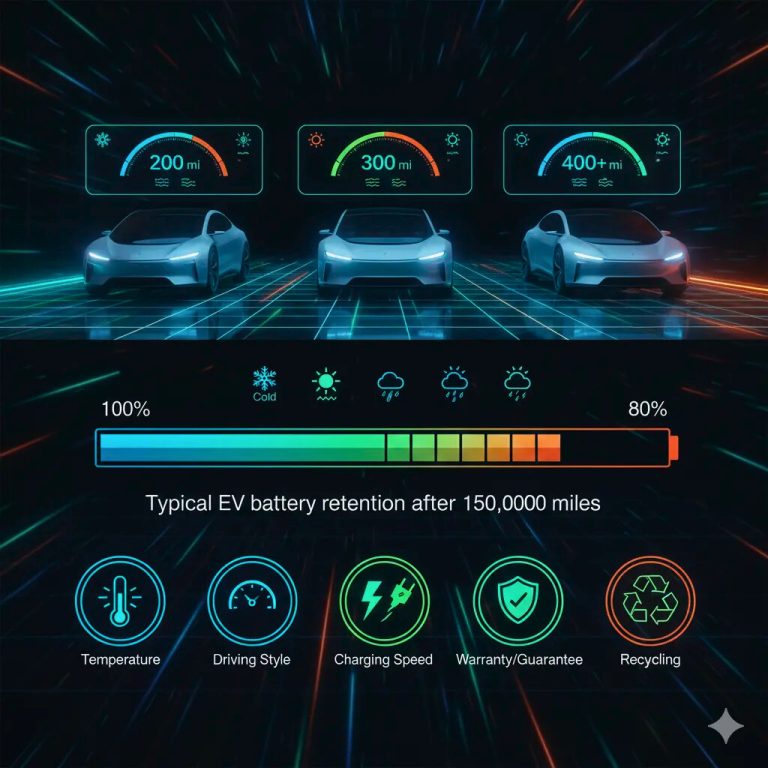
Public charging efficiency depends strongly on vehicle range and battery health. Drivers seeking to minimize fast-charging frequency can benefit from selecting efficient models and understanding degradation patterns, as explained in EV battery warranty & replacement cost comparison by brand (2025).
Portable charging also plays a role in travel flexibility, especially in regions with sparse fast-charging coverage. Outlet compatibility, safety certification, and real-world performance of mobile units are analyzed in Best portable ev chargers for road trips (2025 buyer’s guide), which shows how mobile solutions can supplement public networks during long journeys.
Cost comparison over one year
For a driver who relies on public fast charging for approximately 40 percent of annual energy use, subscription plans can reduce total charging cost by several hundred dollars per year. High-mileage drivers and ride-share operators often recover membership fees within a few months through lower per-session pricing.
Security and payment systems
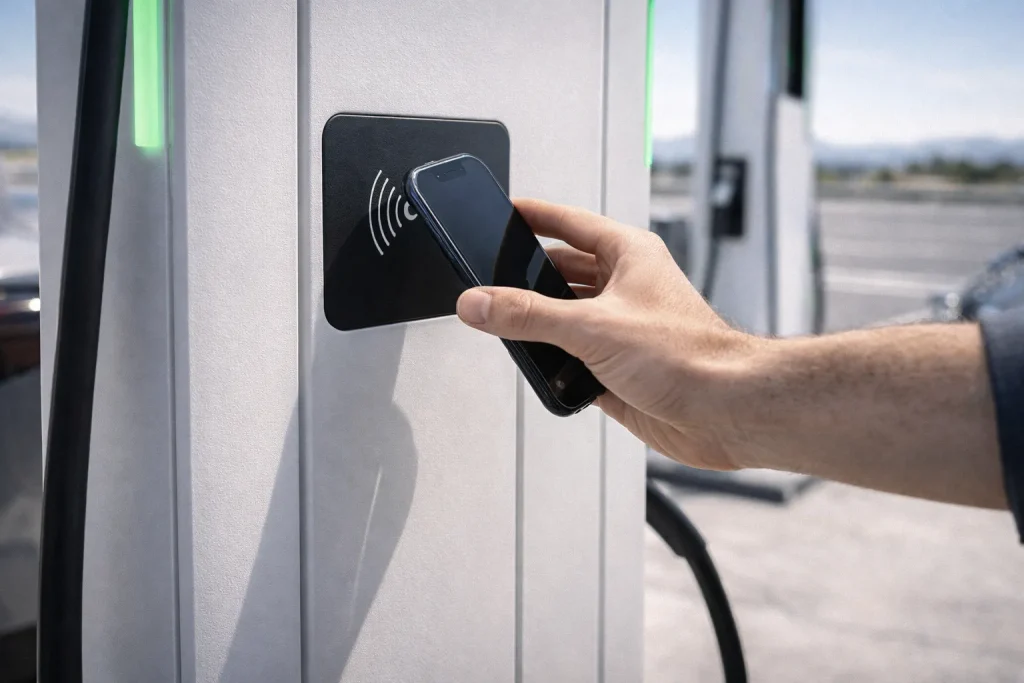
Most modern apps support encrypted payment, RFID cards, and smartphone-based activation. Consolidated billing across multiple networks is becoming more common, reducing the need to maintain separate accounts for each provider.
Future network expansion
Federal and state infrastructure programs continue to fund new fast-charging corridors and urban installations. Software platforms are evolving to integrate these additions more quickly, improving route planning accuracy and reducing range anxiety for new EV owners.
Conclusion
In 2025, public charging apps and membership plans are as important as the chargers themselves. Networks such as Electrify America, EVgo, ChargePoint, and Tesla provide extensive coverage, but their software platforms and pricing structures differ in ways that directly affect cost, convenience, and travel efficiency.
When viewed within the broader framework of Electric Vehicles (EV) Reviews & Trends: The 2025 Guide for U.S. Drivers, it becomes clear that successful EV ownership relies on a coordinated charging ecosystem. Home Level 2 systems, portable backup solutions, and well-chosen public network memberships together create a reliable, cost-effective strategy for both daily driving and long-distance travel across the United States.