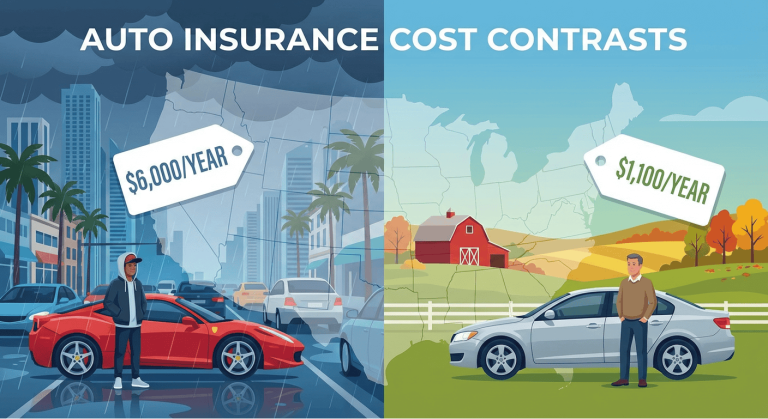

Best low mileage car insurance for retired drivers
My neighbor Carol retired two years ago and kept complaining that her car insurance hadn’t dropped at all despite barely driving anymore. She’d gone from commuting 30 miles daily to maybe running errands three times a week. When I looked at her policy she was still being charged for 12,000 annual miles when she was actually driving closer to 5,000.
I helped her switch to Metromile’s pay-per-mile program and her monthly premium dropped from $142 to $67. Same exact coverage limits, same deductibles. She’s just paying for the miles she actually drives instead of subsidizing people who rack up way more miles than she does.
Most retired drivers are in Carol’s situation. They’ve dramatically reduced their driving but their insurance premiums don’t reflect that reality. Insurance companies won’t automatically lower your rate just because you’re driving less. You have to actively pursue low mileage programs or discounts and prove you qualify.
How low mileage programs work
Traditional auto insurance charges everyone roughly the same base rate adjusted for age, location, vehicle and driving record. Whether you drive 3,000 miles or 15,000 miles annually you pay similar premiums with maybe a small discount for lower mileage.
Low mileage programs flip that model. They charge based primarily on how much you actually drive. The less you’re on the road the less you pay because you have less exposure to accidents.
There are two main types of low mileage programs. Traditional carriers offer tiered discounts based on annual mileage thresholds. Drive under 10,000 miles and save 10%. Under 7,500 miles save 15%. Under 5,000 miles save 20%.
Pay-per-mile insurance takes it further. You pay a low monthly base rate plus a per-mile charge for every mile you drive. Typical rates run $30-50 monthly base plus 5-8 cents per mile. Someone driving 400 miles monthly pays around $60-80 total. Someone driving 1,000 miles pays $100-130.
For retired drivers who genuinely drive minimal miles the pay-per-mile model usually beats traditional low mileage discounts. But you need to actually track your driving to know which makes financial sense.
Metromile pay-per-mile insurance
Metromile pioneered the pay-per-mile insurance model and remains the best-known provider. They operate in several states including Florida, California, Illinois, Pennsylvania and a handful of others.
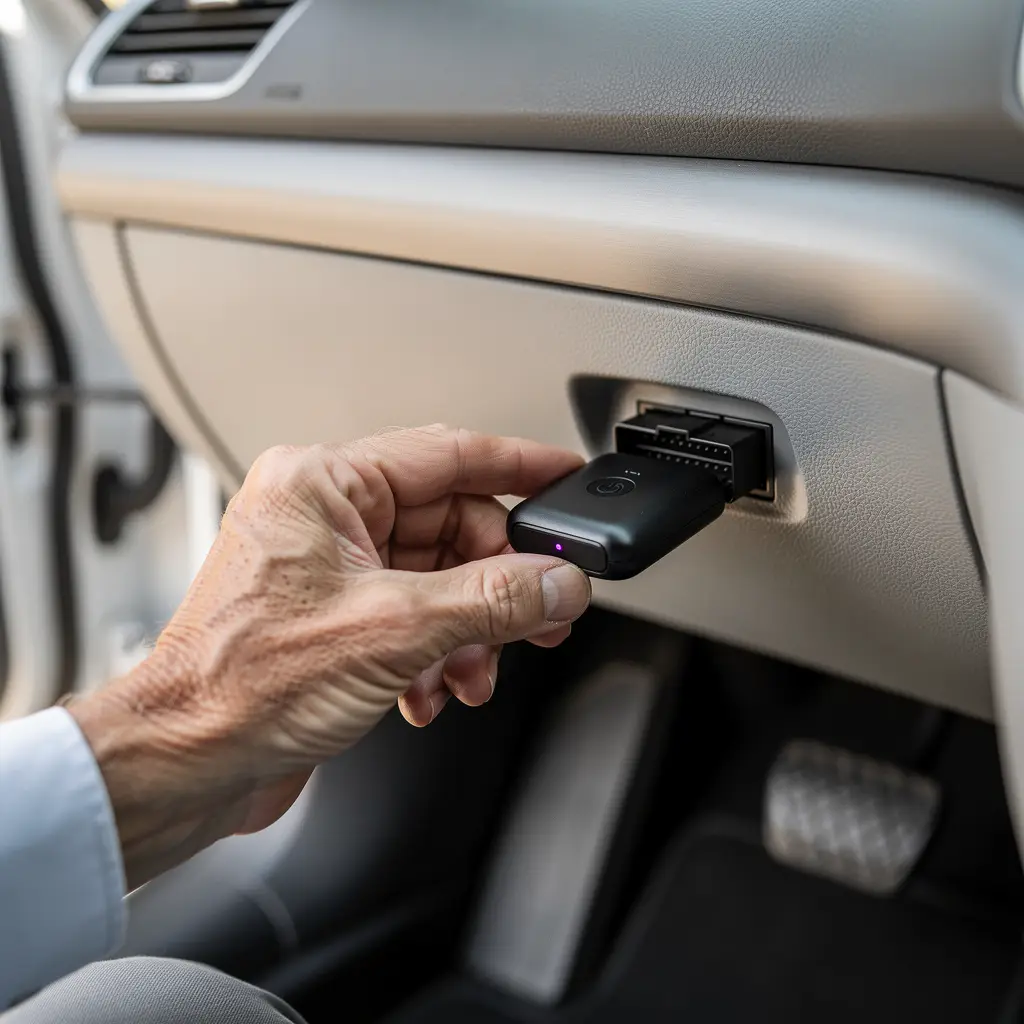
The structure is straightforward. You pay a monthly base rate that covers fixed costs like policy administration and provides your liability protection. Then you pay per-mile charges based on actual driving tracked through a device that plugs into your car’s diagnostic port.
My neighbor Carol pays $42 monthly base rate plus 6.5 cents per mile. She drives about 380 miles monthly on average. Total bill runs around $67 monthly or $804 annually. Her old traditional policy cost $1,704 annually. She’s saving $900 yearly just by switching to mileage-based pricing.
The device plugs into your OBD-II port which every car made after 1996 has. Takes about 30 seconds to install. The device tracks mileage automatically and reports to Metromile. You can see your daily mileage and projected bill through their app.
Metromile caps daily mileage charges at 250 miles. If you take a road trip and drive 500 miles in one day you only pay for 250. This protects against bill shock from occasional long drives. Your monthly bill never exceeds base rate plus 250 miles times 30 days even if you drive cross-country.
Coverage options are standard. Liability, collision, comprehensive, uninsured motorist, medical payments. Same choices as traditional insurance. You pick your deductibles and limits based on your needs and risk tolerance.
Metromile works best for people driving under 10,000 miles annually. The break-even point varies by location and base rate but generally if you’re over 10,000-12,000 miles yearly you’d probably pay less with traditional insurance. Under 8,000 miles and Metromile almost always wins.
Nationwide smartmiles
Nationwide offers a similar pay-per-mile program called SmartMiles. Available nationwide which gives it broader reach than Metromile. The structure mirrors Metromile with a base rate plus per-mile charge.
Nationwide’s base rates tend to run slightly higher than Metromile in my experience. Maybe $50-60 monthly instead of $35-45. But their per-mile charges are often a bit lower at 4-6 cents per mile.
The big advantage of Nationwide is bundling. If you already have homeowners insurance with Nationwide or you want to bundle home and auto you can get significant discounts on the base rate. That bundling discount can make SmartMiles cheaper than Metromile even with a higher starting base.
Nationwide uses a plug-in device similar to Metromile’s. Tracks your mileage automatically and transmits data for billing. The device also monitors driving behavior like hard braking and rapid acceleration. Drive safely and you might qualify for additional discounts.
One nice feature is Nationwide’s SmartMiles program includes roadside assistance automatically. Metromile charges extra for that. For retired drivers who might need a tow or jump start the included assistance adds value.
Nationwide also caps daily mileage though their cap is lower at 150 miles versus Metromile’s 250. If you take frequent long trips that difference might matter. For retirees who mostly drive locally it’s irrelevant.
Mile auto insurance
Mile Auto takes a slightly different approach. Instead of tracking your mileage through a device you submit odometer photos through their app once monthly. They use that to calculate your actual miles driven and bill accordingly.
The advantage is no device installation. Some people don’t want anything plugged into their car constantly. Taking a photo of your odometer each month feels less intrusive. The disadvantage is you have to remember to do it. Miss a month and they estimate based on previous usage which might not be accurate.
Mile Auto’s rates are competitive in states where they operate. Base rates run $40-55 monthly with per-mile charges around 3-5 cents. They’re available in fewer states than Nationwide but expanding.
One concern with Mile Auto is the manual reporting creates opportunities for fraud. Someone could theoretically report false mileage to lower their bill. Mile Auto audits accounts and requires periodic verification but the honor system feels shakier than automatic tracking.
For honest retired drivers who drive minimal miles and prefer not having a device installed Mile Auto works fine. Just set a monthly reminder to submit your odometer reading so you don’t forget.
Traditional low mileage discounts
If you prefer sticking with traditional insurance most major carriers offer low mileage discounts. You won’t save as much as with pay-per-mile but the discounts are meaningful.
State Farm gives up to 15% off if you drive under 7,500 miles annually. You estimate your mileage when you sign up and they verify it periodically through odometer readings. The discount applies immediately and renews as long as you stay under the threshold.
Geico offers similar discounts for low mileage drivers. Their tiers are around 10,000 miles and 7,500 miles. Under 10,000 saves you maybe 8-10%. Under 7,500 gets you 12-15%.
Progressive has snapshot which tracks both mileage and driving behavior. Low mileage helps your snapshot score and can save 10-20% depending on total annual miles. The program requires using their device for an initial rating period then your discount locks in.
Allstate’s Milewise is actually a pay-per-mile program like Metromile. Base rate plus per-mile pricing. It’s Allstate’s answer to the pay-per-mile trend and works well for low mileage drivers.
The challenge with traditional low mileage discounts is you need to be honest and accurate about your estimate. Claim 6,000 miles but actually drive 11,000 and you could face penalties or even policy cancellation for misrepresentation.
Track your odometer for three or four months to establish a baseline. Multiply that monthly average by 12 to project annual mileage. Be conservative. It’s better to slightly overestimate and come in under than to lowball and exceed your stated mileage.
How much retired drivers actually save
The savings depend heavily on your actual mileage and what you’d pay with traditional insurance. Someone driving 4,000 miles annually saves way more than someone driving 9,000.
I looked at real examples from retired drivers I know in Florida. A couple in Tampa driving 5,200 miles yearly switched from State Farm at $1,560 annually to Metromile at $876. They saved $684 yearly or 44%.
Another retiree in Fort Myers drives about 8,500 miles annually. She switched from Geico at $1,380 to Nationwide SmartMiles at $1,140. Saved $240 yearly which is less dramatic but still meaningful on a fixed income.
A third example from Jacksonville drives just 3,800 miles yearly. He moved from Progressive at $1,248 to Metromile at $708. Saved $540 annually which is 43%.
The pattern is clear. Retired drivers logging under 6,000 miles annually typically save 35-50% with pay-per-mile programs. Those between 6,000-10,000 miles save 15-25%. Over 10,000 miles and traditional low mileage discounts usually beat pay-per-mile.
Your specific savings depend on your location, driving record, vehicle and coverage levels. The only way to know for sure is getting actual quotes and comparing total annual costs.
Tracking your mileage

Before pursuing any low mileage program you need accurate data on how much you actually drive. Most people dramatically overestimate their driving and assume they’re ineligible when they’d actually save money.
Write down your odometer reading on the first of each month for three months. Calculate the difference between readings to see your monthly mileage. Multiply by 12 to project annual mileage.
Account for seasonal variation. You might drive more in winter when the weather is nice in Florida and less in summer. Or maybe you visit grandchildren up north every summer and drive more those months. Look at a full year if possible before committing to an estimate.
Most retired drivers I talk to think they drive 10,000-12,000 miles yearly. When they actually track it they’re closer to 6,000-8,000. That gap represents hundreds in potential insurance savings they’re missing.
Be honest about your driving patterns. If you take three road trips yearly to visit family don’t ignore those miles. Include everything. Accurate data leads to correct program selection and avoids problems later when the insurance company verifies mileage.
Some people resist tracking because it feels tedious. It’s literally writing down one number once monthly. That tiny effort could save you $500-800 annually. Worth five minutes per month in my opinion. For comprehensive guidance on reducing insurance costs in retirement, exploring senior driver auto insurance tips in Florida reveals how mileage programs fit into your overall strategy for lower premiums.
Combining low mileage with other discounts
Low mileage programs stack with other senior discounts creating compound savings. You can use pay-per-mile insurance and still qualify for AARP discounts, mature driver course discounts and safe driver rewards.
My neighbor Carol has Metromile pay-per-mile insurance. She also gets a 10% AARP discount applied to her base rate and another 10% for completing the AARP Smart Driver course. Her $42 base rate is actually $42 after those discounts are applied to what would have been a $52 base.
Bundling works with some pay-per-mile programs too. Nationwide SmartMiles lets you bundle with homeowners’ insurance for additional savings. Metromile doesn’t really bundle but their rates are low enough that it often doesn’t matter.
The key is asking about all available discounts when you sign up. Don’t assume pay-per-mile programs exclude other savings. Most carriers still offer the full range of senior discounts on top of mileage-based pricing.
Some programs offer safe driving bonuses in addition to low mileage rates. Drive without accidents for a year and earn an extra 5% off. That incentivizes both driving less and driving carefully when you do drive.
Stack everything you can. Low mileage base pricing plus AARP plus mature driver course plus safe driving record plus paperless billing. Those combined discounts can cut premiums by 50-60% compared to traditional insurance without discounts.
When low mileage programs don’t make sense

Pay-per-mile insurance isn’t ideal for everyone. If you drive over 12,000 miles annually, you’ll probably pay more than with traditional coverage. The per-mile charges add up quickly at higher mileage.
Some retired drivers travel extensively by car. Maybe you road trip to national parks every summer or drive cross-country to visit scattered family. Those miles rack up fast and negate the low mileage savings.
If you hate the idea of being tracked or monitored pay-per-mile programs won’t appeal to you. The devices constantly report your mileage and location. Some people find that intrusive regardless of the savings.
Metromile and similar programs also aren’t available in all states. If you live somewhere they don’t operate you’re limited to traditional low mileage discounts from standard carriers.
For retirees who keep one car in Florida and one up north the tracking gets complicated. Which vehicle has which device? How do your account for seasonal use? The logistics become messier than just having one standard policy. Understanding Florida snowbird auto insurance options helps navigate those multi-state coverage challenges.
Making the switch
If you’re interested in low mileage insurance start by tracking your actual annual miles. Use real data do not guess. Three to six months of tracking gives you solid numbers to work with.
Get quotes from multiple sources. Request pay-per-mile quotes from Metromile, Nationwide SmartMiles and Allstate Milewise. Also get traditional low mileage discount quotes from State Farm, Geico and Progressive.
Compare total annual projected costs not just monthly rates. A pay-per-mile program might show a lower monthly base but if you drive more than expected the total annual cost could exceed traditional insurance.
Ask about device installation and removal. If you decide pay-per-mile isn’t working after a few months can you switch back? Most companies let you remove the device and convert to traditional coverage but confirm before signing up.
Review coverage levels carefully. Make sure the pay-per-mile policy matches your current protection. Don’t accidentally reduce your liability limits or increase your deductibles just to get a lower mileage rate.
Read the fine print on mileage verification. How often do they check? What happens if you exceed your estimated miles? Are there penalties or does your rate just adjust? Understanding the verification process prevents surprises.
Give the program at least six months before deciding if it’s working. Your mileage might vary month to month. One high month doesn’t mean the program is wrong for you. Look at the full six month average.
Low mileage insurance programs offer retired Florida drivers substantial savings if they’re genuinely driving minimal miles. The key is honestly assessing your situation, comparing actual costs and choosing a program that matches your driving patterns. For those also considering coverage adjustments on aging vehicles, learning about when to drop collision coverage provides additional cost-saving strategies to complement your mileage-based savings.
Stay covered, stay safe, and happy driving.