Best affordable electric cars under $30,000 (real cost breakdown)
For many U.S. households, the biggest question about switching to electric is still price. While luxury EVs and high-performance models attract attention, mass adoption depends on vehicles that fall within the budgets of average families and first-time buyers. As outlined in Electric Vehicles (EV) Reviews & Trends: The 2025 Guide for U.S. Drivers, falling battery costs, expanding tax incentives, and growing competition have pushed several capable electric cars below the $30,000 mark.
In 2025, this price segment is no longer limited to short-range city cars. Buyers can now find models that offer more than 200 miles of real-world range, modern safety systems, and access to fast-charging networks, all while remaining eligible for federal and state incentives. The result is a group of vehicles that compete directly with gasoline sedans and compact SUVs on total cost of ownership.
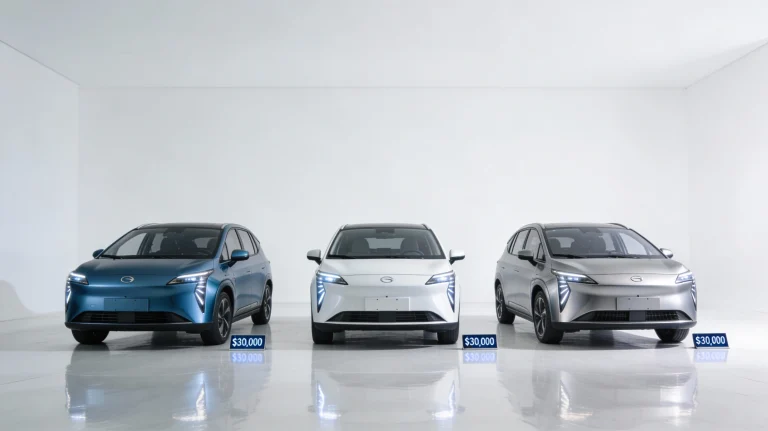
This analysis examines the most affordable electric cars available in the U.S. under $30,000, focusing on real purchase price after incentives, operating costs, range, safety, and long-term value.
Why the sub-$30,000 ev segment matters
The average new vehicle price in the United States continues to exceed $45,000. Against that backdrop, an electric car priced under $30,000 represents a major shift in accessibility. When federal tax credits and state rebates are applied, the effective transaction price of some models can fall into the low-to-mid $20,000 range, directly competing with popular gasoline compact cars.
Beyond the sticker price, ownership economics favor electric vehicles in this category because of:
- Lower energy cost per mile compared with gasoline
- Reduced maintenance due to fewer moving parts
- Long battery warranties, typically eight years or 100,000 miles
For commuters and urban drivers, these factors can translate into thousands of dollars in savings over the first five years of ownership.
Key factors to evaluate in budget evs
Real-world driving range
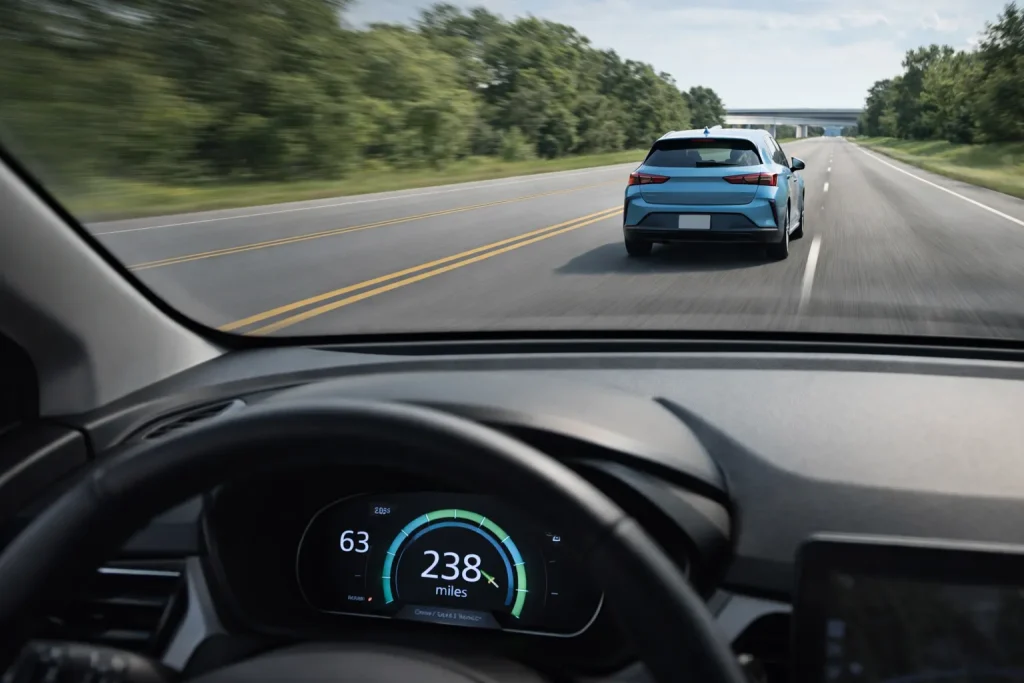
Most affordable EVs advertise between 180 and 260 miles of EPA range. In everyday conditions, weather, highway speeds, and climate-control use can reduce this by 10 to 25 percent. Even so, real-world ranges of 150 to 220 miles are sufficient for the vast majority of daily driving needs in the U.S.
Charging capability
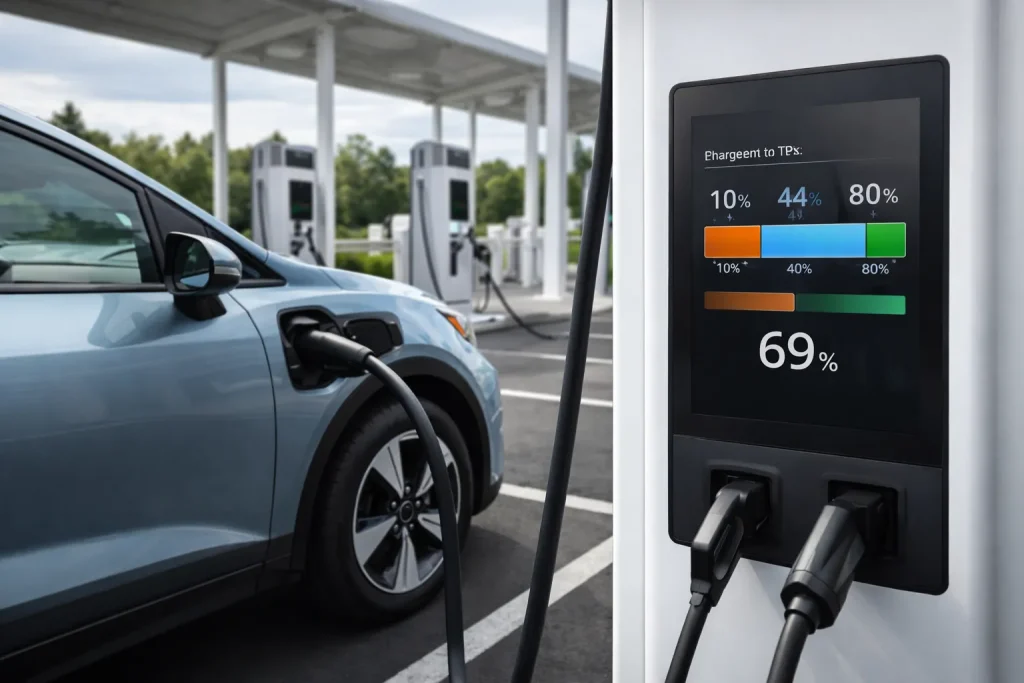
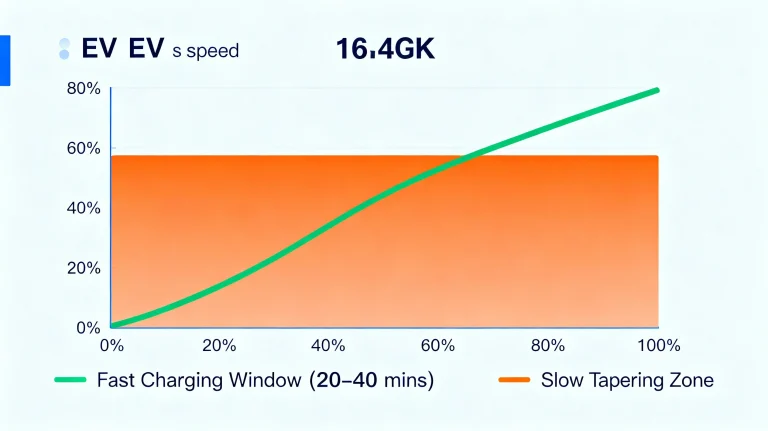
DC fast-charging performance varies widely in this segment. Some models can recharge from 10 to 80 percent in about 30 minutes, while others require closer to an hour. For drivers who rely on public infrastructure or plan regular road trips, charging speed becomes an important consideration.
Safety and driver assistance
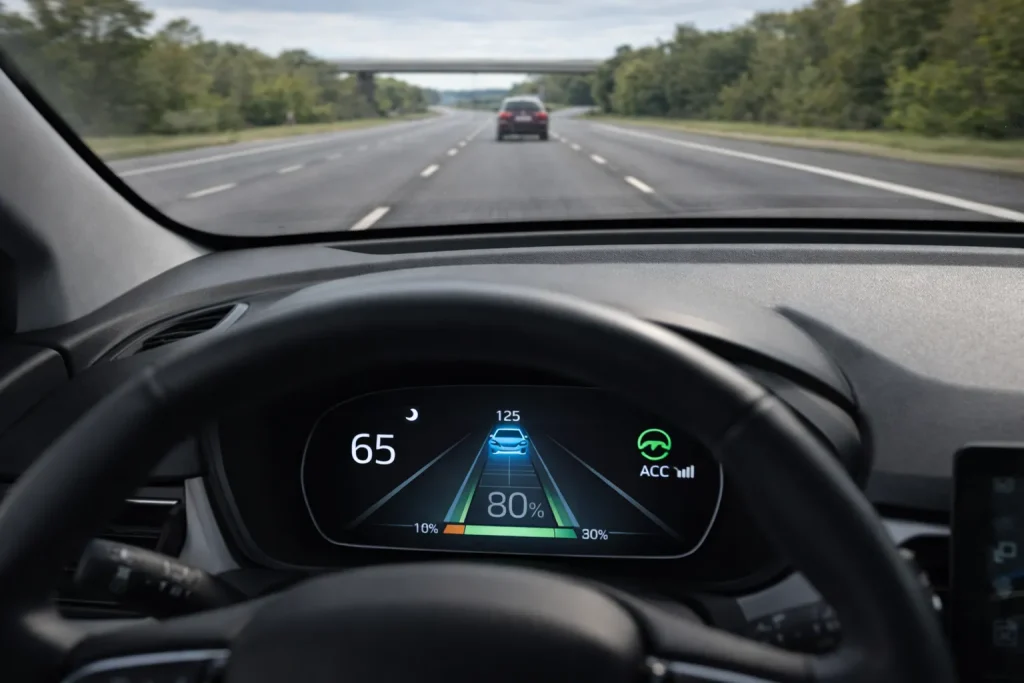
Entry-level EVs in 2025 increasingly include advanced safety features such as automatic emergency braking, lane-keeping assist, and adaptive cruise control. These systems contribute significantly to crash avoidance and overall ownership confidence.
Warranty and resale value
Battery warranty coverage and expected resale value influence long-term cost. Brands with established service networks and proven battery management systems tend to retain value better in the used market.
Leading affordable electric cars in 2025
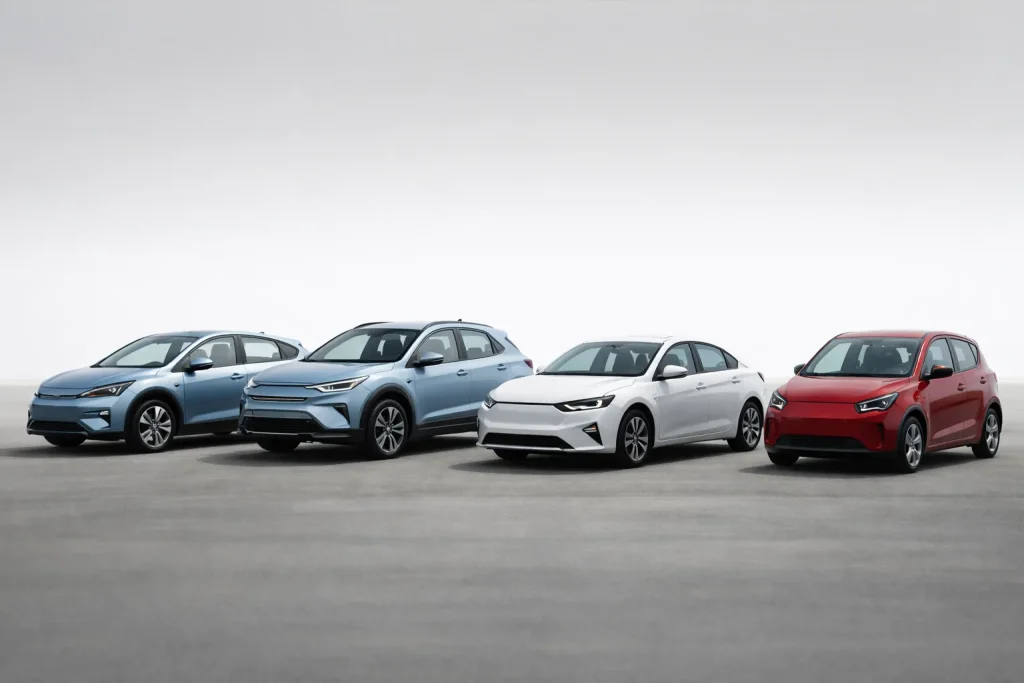
Chevrolet bolt ev
The Chevrolet Bolt EV remains one of the strongest value propositions in the U.S. market. With an EPA range of more than 250 miles and a compact but practical interior, it is well suited for commuting and moderate-distance travel. Aggressive pricing and incentive eligibility often place it well below the $30,000 threshold.
Nissan leaf
The Nissan Leaf continues to attract budget-focused buyers, particularly in urban and suburban areas. While its range is lower than newer competitors, its long production history, widespread dealer network, and frequent discounts make it one of the most accessible entry points into EV ownership.
Hyundai kona electric
When federal and state incentives are applied, certain trims of the Hyundai Kona Electric can approach the $30,000 level. It offers a compact-SUV body style, solid range, and strong safety ratings, appealing to buyers who want more versatility than a traditional sedan.
Mini cooper se
The Mini Cooper SE targets city drivers who prioritize compact dimensions and distinctive design. Its range is more limited, but its driving dynamics and interior quality differentiate it from other low-cost EVs.
Mid-article links to neighboring satellites
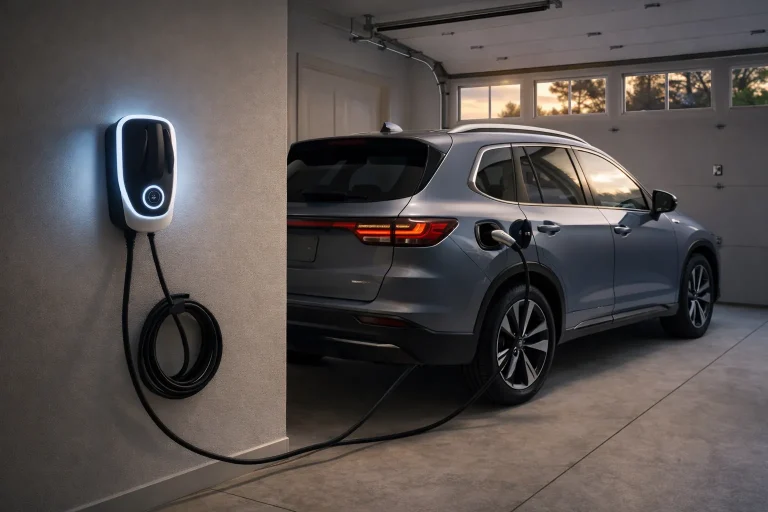
Purchase price is only part of the ownership equation. Charging cost and convenience play a major role in determining real monthly expenses. A full breakdown of residential equipment, installation cost, and smart-charging features is available in Best home ev chargers in 2025 (level 2) – reviews & installation guide, which explains how a proper home setup can significantly reduce operating cost for entry-level EVs.
Public infrastructure also affects usability, particularly for lower-range models. Network coverage, pricing plans, and reliability are analyzed in Best public charging apps & membership plans compared, which shows how affordable EV owners can plan long-distance travel and avoid high peak-rate charging.
Total cost of ownership comparison
When fuel and maintenance are included, most electric cars under $30,000 reach cost parity with gasoline vehicles within three to five years. Electricity typically costs 40 to 60 percent less per mile than gasoline, depending on regional utility rates.
Maintenance savings come from:
- No oil changes
- No exhaust system repairs
- No multi-speed transmission servicing
- Reduced brake wear due to regenerative braking
Over a typical five-year period, these factors can reduce ownership cost by several thousand dollars compared with a comparable internal-combustion vehicle.
Incentives and effective purchase price
Federal point-of-sale tax credits, used-EV credits, and state rebates can dramatically lower the effective price of affordable electric cars. In some states, combined incentives can exceed $8,000 to $10,000, bringing several models well below the $25,000 mark.
Eligibility depends on vehicle assembly location, battery sourcing, and buyer income limits. Buyers should verify current rules and confirm whether a specific model qualifies at the time of purchase.
Conclusion
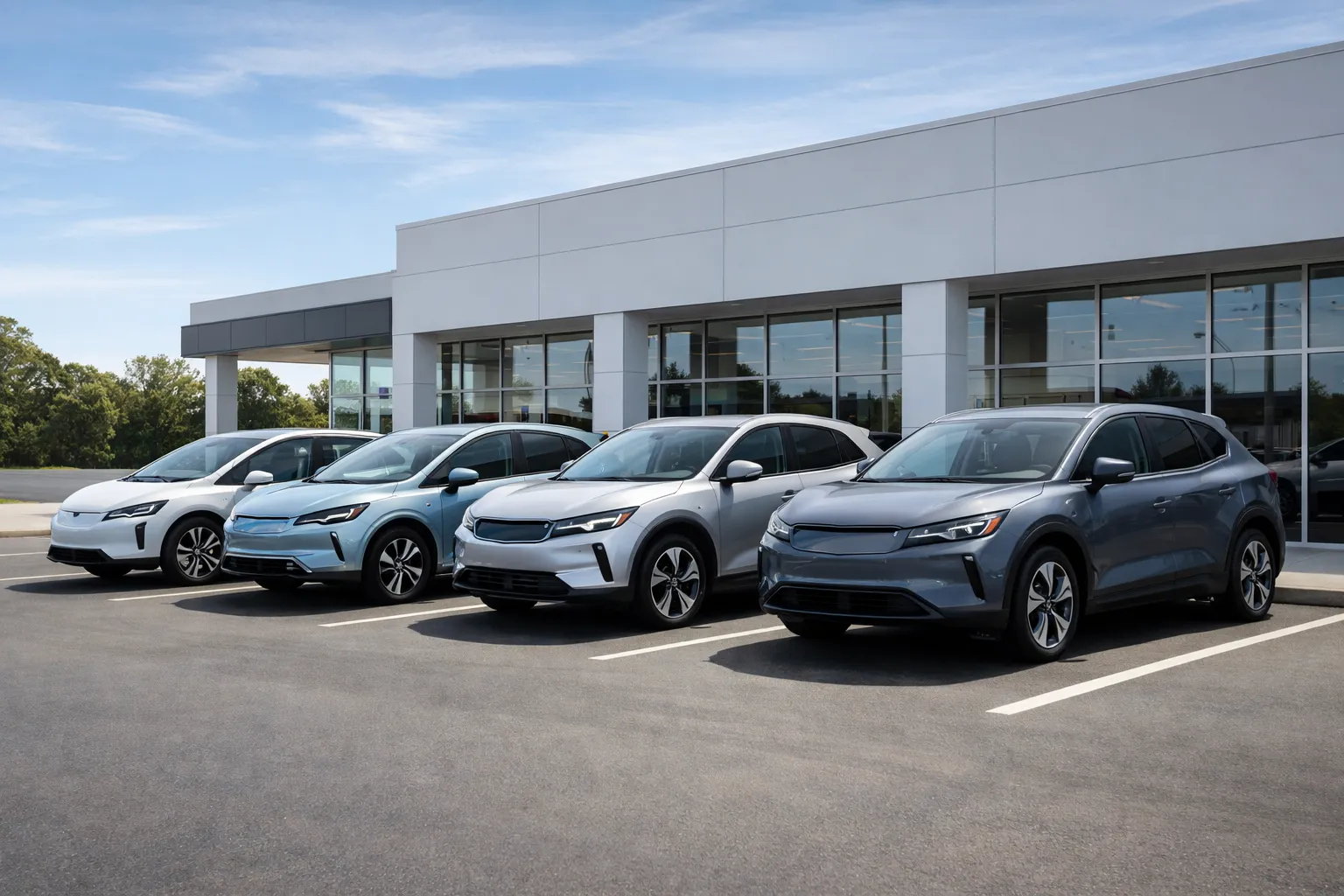
In 2025, electric cars priced under $30,000 represent one of the most important segments in the U.S. market. Models such as the Chevrolet Bolt EV, Nissan Leaf, Hyundai Kona Electric, and Mini Cooper SE demonstrate that practical range, modern safety features, and low operating costs are no longer reserved for higher price brackets.
When evaluated within the broader context of Electric Vehicles (EV) Reviews & Trends: The 2025 Guide for U.S. Drivers, these affordable EVs illustrate how quickly electric mobility is becoming accessible to mainstream buyers. With the right combination of incentives, home charging, and reliable public infrastructure, sub-$30,000 electric vehicles now offer a realistic and financially sound alternative to traditional gasoline cars for millions of American drivers.