best affordable electric cars under $30,000: complete buyer’s guide for 2025
The electric vehicle revolution has finally reached the budget-conscious buyer. For years, going electric meant spending $40,000 or more on vehicles that felt more like technology experiments than practical transportation. That era is over.
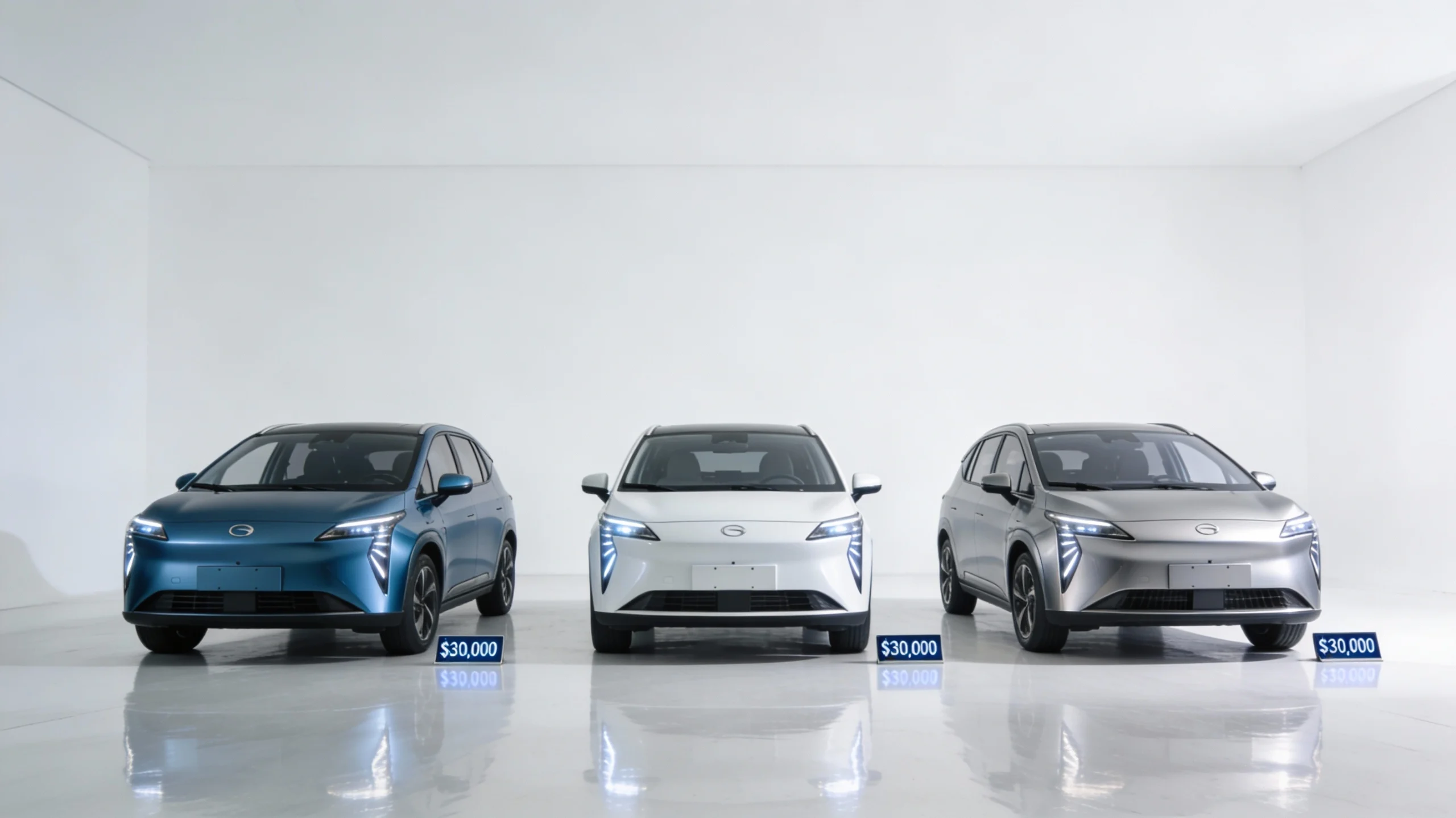
I’ve watched the market transform over the past few years as automakers realized they couldn’t build a sustainable EV industry by only serving wealthy early adopters. Real people with real budgets need affordable options. The 2025 model year delivers exactly that with several compelling electric vehicles priced well under $30,000 after incentives.
The affordability breakthrough comes from multiple directions. Battery costs have dropped by more than 80% since 2010. Manufacturing scale has improved dramatically. Competition has intensified as traditional automakers join Tesla in the electric space. Federal tax credits of up to $7,500 make vehicles that seem expensive suddenly accessible. State incentives and utility rebates pile on additional savings.
But affordability means nothing if the vehicles don’t actually work for everyday life. Range anxiety, charging infrastructure, cold weather performance, and long-term reliability all matter as much as the purchase price. Budget EVs need to function as primary vehicles, not just short-range city cars for wealthy households that own multiple vehicles.
The good news is that today’s affordable electric vehicles deliver genuine utility. Most offer 200+ miles of real-world range. Charging infrastructure has expanded dramatically with over 50,000 public charging stations nationwide. Cold weather performance has improved through better battery thermal management. Reliability data from millions of EVs on the road shows these vehicles hold up well over time.
This guide walks through everything you need to know about buying an affordable electric vehicle in 2025. Which models offer the best value? How do incentives actually work? What does charging really cost? How do the numbers compare to keeping your gas car? These questions deserve honest answers based on real-world experience rather than manufacturer marketing or environmental ideology.
Whether you’re committed to going electric or just curious about your options, understanding the affordable EV landscape helps you make an informed decision. The technology has matured. The infrastructure exists. The prices have dropped. The question isn’t whether budget-friendly EVs work anymore. It’s which one works best for your specific situation.
top affordable ev models under $30K
The market for budget electric vehicles has expanded significantly over the past two years. You’re no longer limited to compliance cars nobody actually wants to drive. Real vehicles with meaningful range and useful features now trade in this price range, especially after federal incentives.
Here’s how the main contenders stack up:
| Model | Effective Price After Credits | EPA Range | Body Type | DC Fast Charging | Key Strength |
|---|---|---|---|---|---|
| Nissan Leaf S | ~$20,640 | 149 miles | Hatchback | 50 kW (CHAdeMO) | Proven reliability, lowest entry price |
| Chevy Bolt EUV (used 2022-23) | $18,000-$22,000 | 247 miles | Crossover | 55 kW | Best used value, 8yr warranty post-recall |
| Hyundai Kona Electric | ~$25,375 | 261 miles | Crossover | 100 kW | Premium build quality, balanced features |
| VW ID.4 Standard | ~$31,495 | 206 miles | SUV | 135 kW | European refinement, roomy interior |
| Ford Mach-E Select | ~$32,495 | 250 miles | SUV | 150 kW | Dealer network access, crossover utility |
The 2024 Nissan Leaf remains the most straightforward entry point into EV ownership. Starting at $28,140 before incentives, the base S trim offers 149 miles of EPA-estimated range. That’s not going to win any range wars, but for daily commuting and local errands it’s sufficient. The Leaf has been around since 2010 with hundreds of thousands sold globally. Parts availability is excellent. Technician familiarity is strong. You’re getting proven technology that works.
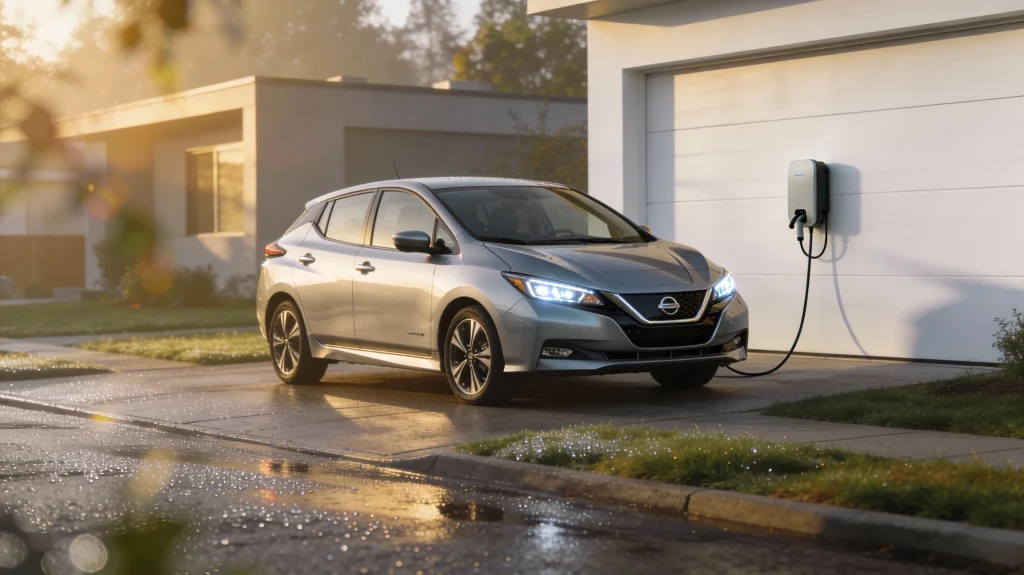
The interior feels dated compared to newer competitors. The infotainment system looks like it was designed in 2015 because it essentially was. But everything functions exactly as you’d expect. Climate controls are physical buttons. The seats are comfortable enough for longer trips. It’s a practical hatchback that happens to be electric rather than trying to be something revolutionary.
One quirk worth understanding is the CHAdeMO charging standard. Most newer EVs use CCS for DC fast charging, but the Leaf sticks with CHAdeMO. This limits your fast charging options somewhat, though the network still exists across most of the country. For home charging and typical daily use this won’t matter much.
Chevrolet discontinued the Bolt lineup after 2023, but used models flood the market at incredible prices. I’m including it here because you can find quality used electric vehicles under $20,000 with the Bolt representing one of the best values available. 2022-2023 Bolt EUVs with low mileage trade for $18,000 to $22,000. That’s remarkable for a vehicle with 247 miles of range.
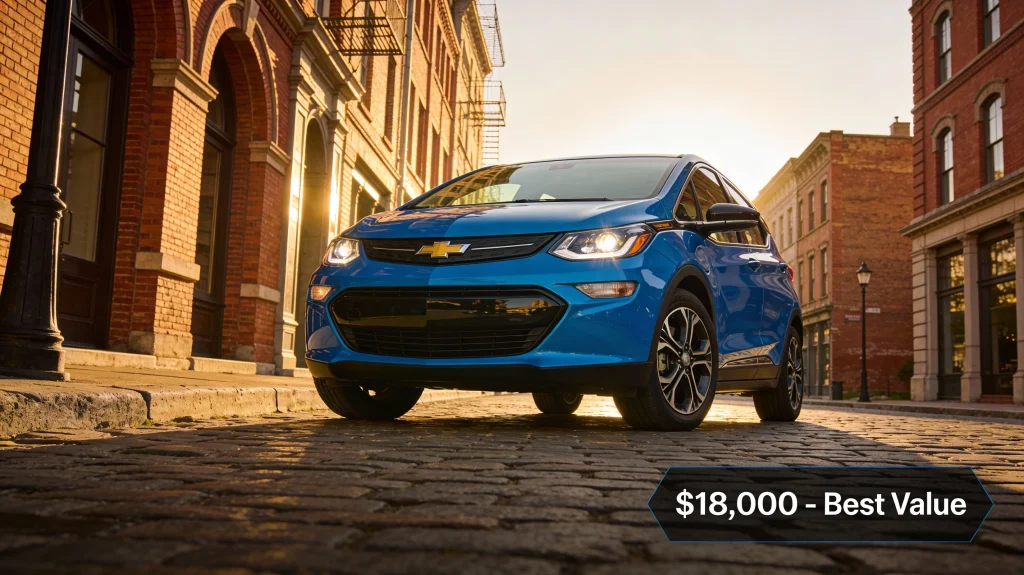
The EUV offers more rear legroom and headroom than the standard Bolt. It’s still compact, but the extra space makes a noticeable difference for passengers. The driving position feels more SUV-like which many buyers prefer. Battery concerns plagued earlier Bolts due to fire risks, but GM replaced affected batteries under warranty. Post-replacement Bolts come with an eight-year, 100,000-mile battery warranty.
Hyundai’s Kona Electric lands in a sweet spot between affordability and features. The 2025 model starts around $32,875, but frequent dealer incentives and the federal tax credit can bring the effective price down significantly. You’re getting 261 miles of range in the base SE trim. Build quality impresses with materials that feel premium for the price point. The tech package punches above its weight class with an 8-inch touchscreen, Apple CarPlay, Android Auto, and a decent suite of driver assistance features.
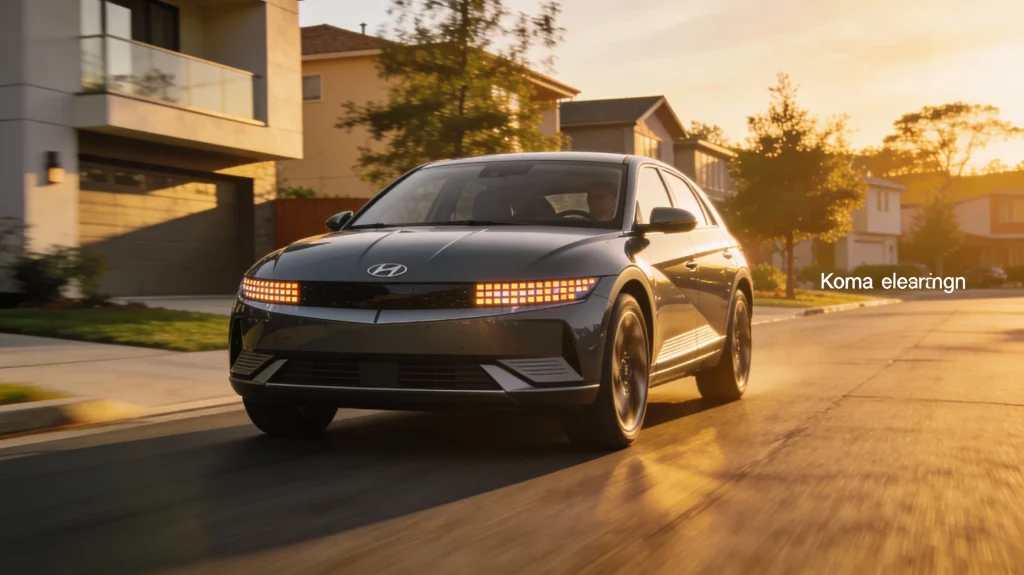
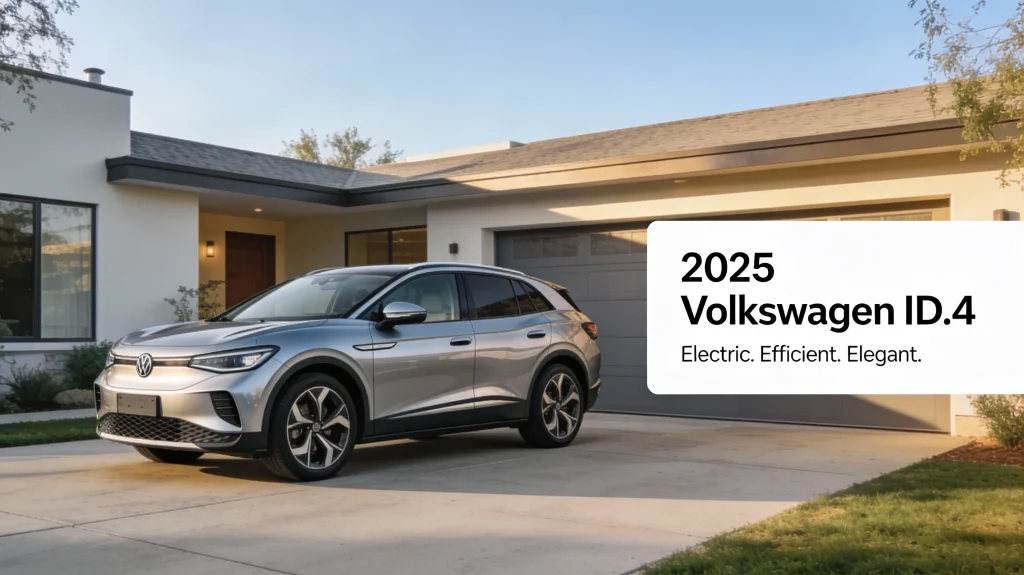
The VW ID.4 sometimes gets overlooked in budget EV discussions, but lease deals frequently make it competitive. Purchase prices for the base Standard trim start around $38,995 before the $7,500 federal credit. What sets the ID.4 apart is the driving experience. This feels like a proper Volkswagen with composed handling, comfortable ride, and intuitive controls. The interior space is generous with a roomy back seat and practical cargo area.
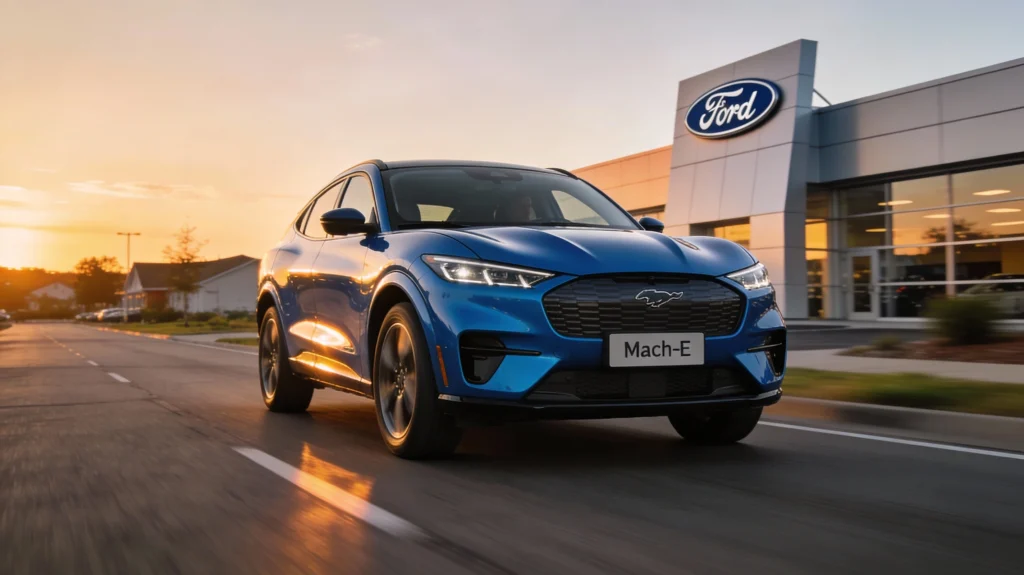
The Ford Mustang Mach-E Select trim starts around $39,995 which seems high until you factor in the full $7,500 federal tax credit. That brings the effective price to $32,495 for a vehicle with 250 miles of range and legitimate crossover utility. Ford’s dealer network provides an advantage over newer EV brands. Service availability matters when something goes wrong.
Each of these vehicles brings different strengths to the table. Your specific needs determine which makes most sense. Exploring the details about each model helps you understand which cheapest electric cars actually deliver the best value for your specific needs.
federal and state ev tax credits and incentives
The sticker price on an electric vehicle tells only part of the financial story. I’ve watched too many potential buyers dismiss EVs as too expensive without understanding how incentives reshape the actual cost. Federal tax credits, state rebates, and utility programs can collectively slice $10,000 or more off your effective purchase price.
The federal government offers up to $7,500 in tax credits for qualifying new electric vehicles. This isn’t a rebate that puts cash in your pocket at purchase time. It’s a credit that reduces your federal income tax liability when you file your return. Understanding this distinction matters because if your total federal tax liability for the year is only $5,000, you can only claim $5,000 of the credit. The remaining $2,500 doesn’t roll over or come back as a refund.
Income limits affect eligibility starting in 2023. Single filers with modified adjusted gross income above $150,000 don’t qualify. The limit is $225,000 for heads of household and $300,000 for joint filers. These thresholds apply to the year you take delivery, not when you order the vehicle. Vehicle price caps also restrict eligibility with sedans needing to cost under $55,000 and SUVs under $80,000.
One of the most significant requirements involves where vehicles are assembled. Only EVs with final assembly in North America qualify for the full credit. This requirement eliminated many popular models from eligibility overnight. The IRS maintains an official list of qualifying vehicles that updates regularly. Always check the current list before committing to a purchase.
main ev purchase incentives by level
| Program | Type | Max Amount | Eligible Vehicles | Key Conditions |
|---|---|---|---|---|
| Federal Tax Credit | Tax credit | $7,500 | New EVs | Assembly in North America, price cap ($55K sedan / $80K SUV), income limits |
| California CVRP | Rebate | $7,500 | New & used EVs | Income-based tiers, used EVs up to $2,500 |
| Colorado | Rebate | $5,000 new / $2,500 used | Licensed dealer sales | Income limits, higher for low-income residents |
| New York | Rebate | Up to $2,000 | New EVs | Varies by MSRP, lower-priced vehicles get more |
| Massachusetts | Rebate | Up to $3,500 | New BEVs under $55K | Plug-in hybrids get smaller rebates |
| Utility programs | Rebates / TOU rates | $250-$800 + rate discounts | Varies by utility | Often require specific chargers or smart charging |
Battery component sourcing adds another complexity layer. Vehicles must meet minimum thresholds for battery components and critical minerals sourced from North America or free trade agreement partners. These requirements phase in over several years, becoming stricter annually. Some vehicles qualify for partial credits if they meet assembly requirements but fall short on battery sourcing.
Leased vehicles follow different rules that create interesting opportunities. The manufacturer receives the credit on leased EVs, not the consumer. Many manufacturers pass this savings to customers through lower monthly payments. This loophole allows vehicles assembled outside North America to effectively offer the same benefit through lease deals.
The real value appears when you combine multiple programs. Federal credits, state rebates, utility incentives, and dealer discounts can collectively cut $10,000 or more from your effective purchase price. A $35,000 EV can effectively cost $22,000 after combining available benefits. That puts it squarely in budget territory for many households.
Successfully claiming incentives requires following specific procedures. For federal tax credits, you’ll file Form 8936 with your tax return. State rebates typically require online applications through program websites with processing times varying from weeks to months. Some programs require pre-approval before purchase, so reading program rules carefully before committing matters.
Understanding and maximizing federal tax credits and state incentives represents a crucial step in making EVs affordable. The programs exist to accelerate adoption, and budget-conscious buyers benefit most from learning how to stack every available dollar of savings.
charging infrastructure and home installation costs
Charging an electric vehicle requires more planning than filling a gas tank. The infrastructure piece determines whether EV ownership works smoothly or becomes a constant source of frustration. Getting this right matters especially for budget buyers who can’t afford to make expensive mistakes.
charging options and real-world costs
| Charging Type | Typical Speed | Installation Cost | Cost Basis | Approx. Cost Per Mile | Best Use Case |
|---|---|---|---|---|---|
| Level 1 (120V home) | 3-5 miles/hour | $0 (standard outlet) | $0.14/kWh avg | $0.04 | Daily commuters under 40 miles, overnight charging |
| Level 2 (240V home) | 20-30 miles/hour | $300-$3,000 | $0.14/kWh avg ($0.08 off-peak) | $0.04 ($0.023 off-peak) | Primary home charging for all drivers |
| Public Level 2 | 15-25 miles/hour | N/A | $1-$3/hour or $0.20-$0.30/kWh | $0.10-$0.12 | Opportunistic top-ups while shopping |
| DC Fast Charging | 100-200+ miles in 20-30 min | N/A | $0.34-$0.48/kWh | $0.12 | Road trips, emergencies only |
Every EV includes a basic charging cable that plugs into standard 120-volt household outlets. This Level 1 charging requires zero installation cost and works anywhere you find an outlet. The catch is speed with only 3-5 miles of range added per hour. That sounds painfully slow until you calculate typical usage. If you drive 30 miles daily and plug in for 10 hours overnight, you’re adding 30-50 miles of range. For many commuters this completely covers daily needs without spending a dollar on installation.
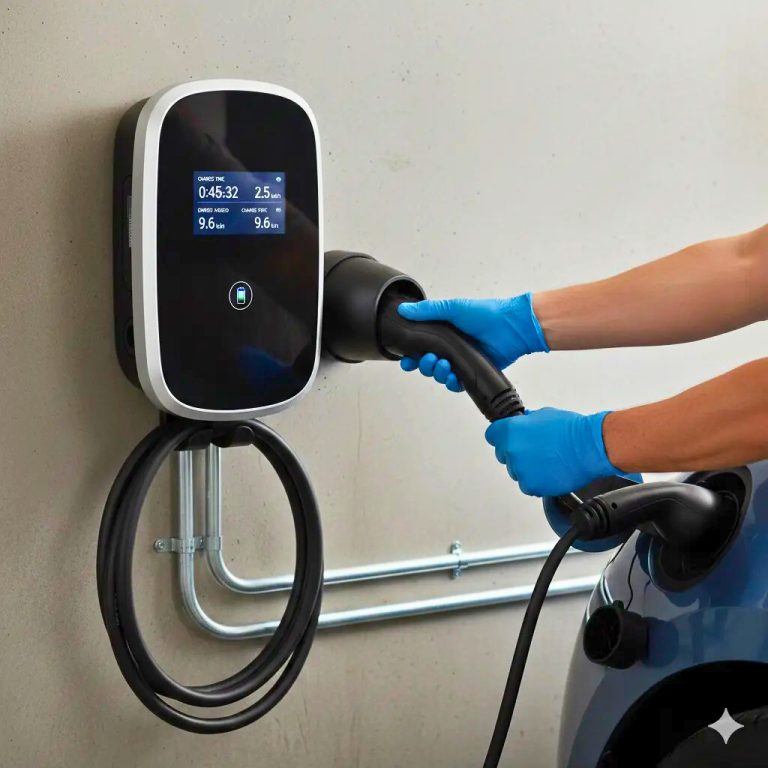
Most EV owners eventually install Level 2 charging at home. This 240-volt charging adds 20-30 miles of range per hour, making it practical for daily use regardless of driving patterns. Installation costs vary dramatically based on your electrical panel location and capacity. If your garage has a 240-volt outlet nearby for a dryer or other appliance, installation might cost $300-$500 for a dedicated circuit and charger. If your panel is across the house and needs upgrades, expect $1,500-$3,000.
I recommend getting three quotes from licensed electricians before committing. Prices vary wildly with one electrician potentially quoting $2,400 for work another does for $800. Shopping around saves real money. Charger units themselves range from $300 budget models to $900 smart chargers with WiFi connectivity and scheduling features. Budget chargers work fine if you don’t need remote monitoring or utility time-of-use optimization.
Utility rebates often offset installation costs. Many electric companies contribute $250-$500 toward Level 2 charger installation. Some require using pre-approved electricians or specific charger models. Checking with your utility before purchasing equipment ensures you qualify for available programs.
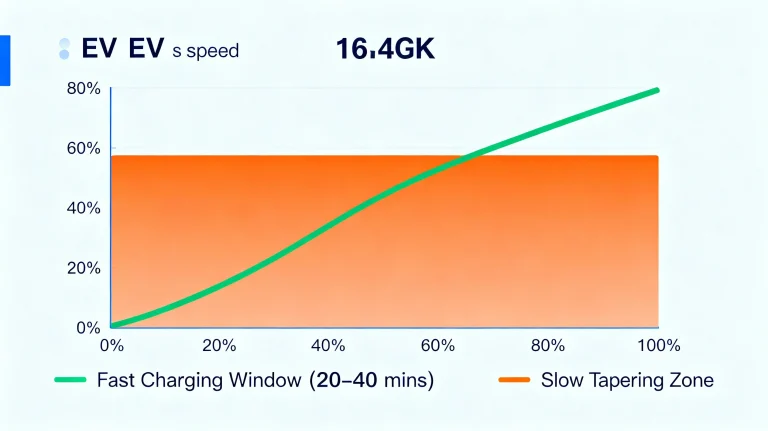
Fast charging uses DC power to bypass your vehicle’s onboard charger and feed electricity directly to the battery. This enables adding 100-200 miles of range in 20-30 minutes. Three main networks dominate the US market with Tesla Superchargers offering the most extensive coverage at over 17,000 stations. Electrify America operates about 800 stations with multiple chargers per location. EVgo runs approximately 850 stations focused on urban areas and highways.
Pricing varies by network and location. Electrify America charges $0.43-$0.48 per kWh in most markets. EVgo ranges from $0.34-$0.44 per kWh. Tesla Superchargers cost $0.25-$0.50 per kWh depending on location and time of day. These costs run about three times higher than home charging, making fast charging practical for road trips but too expensive for daily use.
Thousands of Level 2 public chargers exist at shopping centers, parking garages, hotels, and workplaces. ChargePoint operates the largest network with over 30,000 stations. Pricing varies since individual property owners set rates. Some are free while others charge $1-$3 per hour or $0.20-$0.30 per kWh. Many shopping centers and grocery stores offer free Level 2 charging to attract customers.
Compare charging costs to gasoline at $3.50 per gallon in a 30 mpg car costing $0.117 per mile. Home charging beats gas prices substantially. Fast charging roughly matches gas costs, eliminating the cost advantage but maintaining convenience and emissions benefits.
Not owning a single-family home complicates EV charging but doesn’t make it impossible. Some apartment complexes now include EV charging as an amenity. Workplace charging becomes more critical without home access. Portable Level 2 chargers let you create temporary charging solutions if you have access to a 240-volt outlet in a parking area.
Long-distance travel requires planning with EVs in ways gas cars don’t. Apps like PlugShare and A Better Route Planner help plan charging stops by calculating optimal locations based on your vehicle’s range and charging speed. Building buffer into your planning matters since real-world conditions rarely match EPA range estimates. Allow extra time for charging stops with fast charging adding 30-45 minutes to trips versus gas stops.
Smart charging strategies minimize costs while providing reliable access. Maximize home charging even with Level 1 since the free installation and low electricity costs make it your most economical option. Take advantage of free public charging opportunistically. Avoid fast charging except for trips since the 3x cost premium makes frequent use expensive. Time your charging to off-peak rates with most utilities offering lower overnight rates that can cut electricity costs by 40-60%.
Understanding charging infrastructure and home installation costs thoroughly removes one of the biggest barriers to EV ownership. The initial learning curve feels steep but becomes second nature within weeks of daily use.
total cost of ownership vs gas cars
The sticker price comparison between electric and gas vehicles only tells part of the story. The real financial picture emerges when you track every cost over several years of ownership. This comprehensive view matters more for budget-conscious buyers than anyone else since understanding true long-term costs prevents expensive surprises and reveals opportunities for savings.
Let me break down a concrete comparison using two popular budget vehicles: a 2024 Nissan Leaf S versus a 2024 Honda Civic LX.
five-year cost comparison: budget ev vs gas car
| Cost Category | Nissan Leaf (EV) | Honda Civic (Gas) | EV Advantage |
|---|---|---|---|
| Purchase price (effective after credits) | $20,640 | $24,650 | -$4,010 |
| Fuel (67,500 miles over 5 years) | $2,700 | $7,875 | -$5,175 |
| Maintenance (5 years) | $750 | $2,500 | -$1,750 |
| Insurance (5 years) | $5,500 | $5,000 | +$500 |
| Depreciation (residual value) | -$9,640 | -$12,650 | -$3,010 |
| Registration & fees (5 years) | $500 | $500 | $0 |
| Total 5-year cost | $18,590 | $28,525 | -$9,935 |
The Leaf costs $9,935 less over five years of ownership despite starting at a higher sticker price. The math clearly favors the EV for budget-conscious buyers who can handle the lower upfront range.
Electricity costs dramatically less than gasoline per mile driven. This represents the most significant ongoing savings for EV owners. The average American drives about 13,500 miles annually. A typical gas car averaging 30 mpg consumes 450 gallons per year. At $3.50 per gallon that’s $1,575 annually in fuel costs. Compare that to an EV averaging 3.5 miles per kWh requiring 3,857 kWh annually. At the national average residential electricity rate of $0.14 per kWh you’re spending $540 per year. That’s a $1,035 annual savings or about $86 per month.
Home charging rates vary significantly by region and time of use. California residents might pay $0.25 per kWh without time-of-use rates raising annual costs to $964. Texas residents with $0.11 per kWh rates only spend $424 annually. Time-of-use rates can cut costs further with many utilities offering overnight rates as low as $0.07 per kWh. Charging exclusively during off-peak hours drops annual electricity costs to $270 with savings versus gasoline becoming even more dramatic at $1,305 annually.
Electric vehicles have far fewer moving parts than gas cars. No oil changes, transmission services, spark plugs, or exhaust systems. A typical gas car requires oil changes every 5,000-7,500 miles totaling $100-$240 per year. Add air filter replacements, spark plugs every 30,000 miles, transmission fluid services, and coolant flushes and you’re easily spending $500-$700 annually on routine maintenance.
EVs eliminate most of this. Brake fluid flushes every few years and cabin air filters represent the main regular maintenance items. Regenerative braking means brake pads last 75,000-100,000 miles instead of 30,000-40,000. Annual maintenance typically runs $100-$150 for most EVs. The maintenance savings over five years amounts to $2,000-$2,750 for a typical driver.
Insurance costs for EVs vary more than fuel or maintenance expenses. I’ve found insurance quotes for a Nissan Leaf typically run 5-15% higher than a comparable gas Sentra. The gap narrows for more mainstream EVs as insurance companies accumulate claims data. Some insurers offer EV-specific discounts recognizing lower accident rates and reduced fire risk. Budget about $100-$200 more annually for EV insurance compared to a similar gas car.
Depreciation represents your largest ownership cost regardless of powertrain. Electric vehicles historically depreciated faster than comparable gas cars. The depreciation gap is narrowing for newer EVs with longer range and better technology. Federal tax credits complicate depreciation calculations since if you claimed a $7,500 credit your effective purchase price was lower from day one. That cushions depreciation impact even if the vehicle’s market value drops more steeply.
EVs don’t win every comparison. High annual mileage drivers who can’t charge at home face different math. Rural drivers without reliable home charging access struggle with EV practicality. Cold climate operation reduces EV efficiency by 20-40% in winter affecting fuel savings calculations. Buyers planning to keep vehicles beyond 10 years face battery degradation concerns.
Understanding these real costs of ownership rather than just comparing monthly payments reveals the true financial impact of your vehicle choice. While budget EVs often win on total ownership costs, the advantage varies based on individual circumstances.
financing and leasing options for budget evs
Money matters when you’re buying a car and how you pay often matters as much as what you pay. Electric vehicles add complexity to this equation with unique incentive structures, manufacturer programs, and financing options that don’t exist for gas cars. Most buyers focus on monthly payments without understanding the full financial picture.
typical structures: loan vs manufacturer finance vs lease
| Option | Typical APR / Terms | Term Length | Main Advantage | Main Limitation |
|---|---|---|---|---|
| Credit union loan | 3.99-5.5% for good credit | 36-72 months | Best rates for qualified buyers, you own the car | Requires good credit, higher monthly than lease |
| Manufacturer 0% APR | 0-1.9% promotional | 48-72 months | No interest charges | Often conflicts with rebates, strict credit requirements |
| Standard lease | Money factor ~0.001-0.003 | 24-36 months | Lowest monthly payment, tax credit passed through | No equity, mileage limits, wear charges |
Credit unions typically offer the best rates for borrowers with good credit. I’ve seen credit union rates as low as 3.99% for 60-month terms on new EVs. Compare that to banks charging 5.5-7% for similar loans. The rate difference on a $30,000 loan amounts to hundreds in interest over five years. Your credit score dramatically impacts available rates with excellent credit qualifying for the lowest rates while fair credit pushes rates into double digits.
Loan terms typically range from 36 to 72 months. Longer terms lower monthly payments but increase total interest paid. A $25,000 loan at 5% costs $2,645 in interest over 48 months versus $3,307 over 60 months. The $662 difference buys you lower monthly payments of $471 instead of $589.
Automakers subsidize financing to move inventory and EVs often get aggressive promotional rates. Zero percent financing appears regularly on EVs with manufacturers like Ford offering 0% APR for up to 72 months on the Mustang Mach-E through early 2025. Chevrolet has offered 0% for 60 months on remaining Bolt inventory. These deals eliminate interest charges entirely making them mathematically superior to any traditional loan if you qualify.
The catch is that manufacturer financing often conflicts with other incentives. You might need to choose between 0% financing or a $3,000 rebate. Running the math determines which option saves more money. A $3,000 rebate on a $30,000 vehicle at 5% for 60 months saves you about $900 more than 0% financing with no rebate.
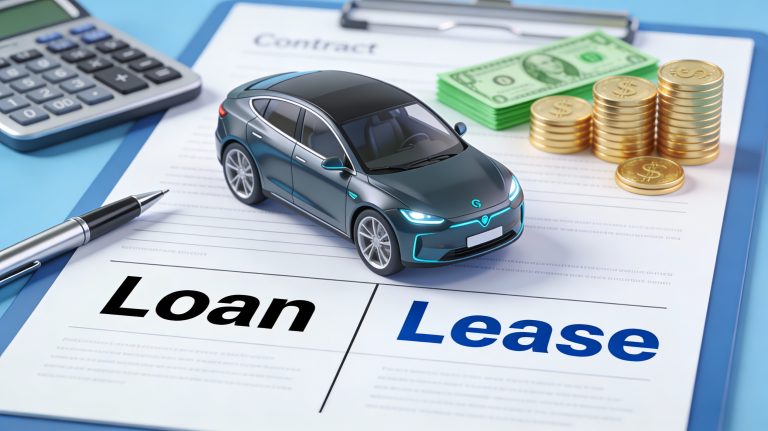
Leasing changes the financial equation significantly for EVs due to how tax credits are applied. The federal tax credit goes to the leasing company not the consumer on leased vehicles. Manufacturers typically pass this savings through reduced monthly payments or reduced capitalized cost. The key advantage is that vehicles assembled outside North America that don’t qualify for consumer tax credits still benefit lessees because the leasing company receives the credit.
This mechanism makes vehicles like the Hyundai Ioniq 5, Kia EV6, and Genesis GV60 effectively eligible for the credit through leasing despite Korean assembly. Lease terms typically run 24 or 36 months with annual mileage limits between 10,000-15,000 miles. Exceeding the mileage limit costs $0.20-$0.30 per mile.
Monthly lease payments for electric vehicles can be as low as $256 for some models with finance interest rates as low as 0% in late 2025. Some manufacturers are offering ultra-low monthly payments to move inventory with deals designed to make ownership more attainable.
Leasing makes sense if you want lower monthly payments and like getting a new car every few years. You avoid maintenance concerns beyond basic items since you’ll return the vehicle before major repairs typically arise. Technology improves rapidly in EVs so leasing lets you upgrade to better range and features regularly.
Buying makes sense for long-term ownership plans. You build equity with each payment and eventually own the vehicle outright. There are no mileage restrictions or wear-and-tear charges.
Getting favorable financing requires preparation and negotiation skills. Get pre-approved before visiting dealers since having a credit union or bank approval in hand establishes your walk-away rate. Dealers need to beat that rate to earn your financing business. Negotiate vehicle price separately from financing terms since dealers love to focus on monthly payments because it obscures the actual price and financing costs.
Consider timing your purchase strategically. Month-end, quarter-end, and year-end create pressure on dealers and manufacturers to hit sales targets. This pressure translates to better deals, more aggressive financing rates, and willingness to negotiate on terms they might refuse at other times.
Understanding financing and leasing options for electric vehicles transforms how you approach your EV purchase. The structure you choose affects everything from your monthly budget to your long-term financial health.
common concerns and practical considerations
Even with lower running costs and stronger incentives, many drivers still hesitate before committing to an affordable EV. The worries are almost always the same: range anxiety, battery life, cold weather performance, and what happens when something goes wrong.
common ev concerns and practical answers
| Concern | What Actually Happens | Practical Mitigation |
|---|---|---|
| Range anxiety | 150-260 mile range sufficient for daily use; highway/winter drops 20-40% | Know your typical daily miles, plan long trips with charging apps, build 20-30% buffer |
| Battery life | 8yr/100K warranty standard; gradual degradation 5-10% in first years | Check battery health on used EVs, understand warranty terms, avoid extreme heat climates for older models |
| Winter performance | 20-40% efficiency loss in cold; heating draws energy | Precondition while plugged in, use heat pump models, assume 60-70% winter range when planning |
| Charging access (apartment/condo) | Home charging difficult without dedicated parking | Prioritize workplace charging, scout nearby public Level 2, portable chargers for 240V outlets |
| Getting stranded | Multiple warnings before empty; small reserve at 0% | Use apps to check charger availability, don’t exceed 70-80% expected range, leave margin for weather |
| Insurance & repair costs | 5-15% higher insurance; limited body shops in some areas | Shop multiple insurers for EV discounts, verify local repair network before buying |
Range anxiety sits at the top of the list. Most budget EVs today offer between 150 and 260 miles of rated range, with real-world numbers shifting up or down based on speed, terrain, and weather. For daily commuting, school runs, and shopping trips, that’s usually more than enough. Where things get tricky is long highway drives at higher speeds or winter conditions that can knock 20-40 percent off the displayed range. Drivers who understand their typical daily mileage and plan occasional long trips around charging stops usually find range anxiety fades after a few weeks. The routine of plugging in at home overnight often feels more convenient than visiting a gas station.
Battery life worries come right after range. Modern EV packs are engineered to last well beyond the typical ownership period, with most manufacturers offering 8-year or 100,000-mile warranties on the battery and electric drive system. Degradation is real, but it’s usually gradual. You might lose a few percent in the first couple of years, then a slower decline over time. For most drivers, that still leaves plenty of usable range for daily life even after a decade.
Cold weather raises another set of questions. EVs lose efficiency in winter because batteries don’t like low temperatures and cabin heating draws more energy than air conditioning. Preconditioning becomes your friend here. Warming the car while it’s plugged in, rather than after you unplug, keeps range loss under control and makes the cabin comfortable from the start. Heat pumps, now common even on many affordable EVs, also reduce the energy penalty for heating.
Charging access is still a practical barrier for some people. Homeowners with a driveway or garage can solve most of their needs with either basic Level 1 charging or a reasonably priced Level 2 installation. Renters or condo owners have a harder job: they may need to rely on workplace charging, public Level 2 near home, or a mix of public fast charging and creative arrangements with landlords or building associations.
Then there’s the fear of getting stranded with a dead battery. In practice, most EVs give multiple warnings as the battery gets low and reserve a small buffer even at 0 percent, much like a gas car’s fuel light. The key difference is that you can’t just walk to a station and come back with a can. Planning helps: using apps to check charging availability, not stretching beyond 70-80 percent of expected range on unfamiliar routes, and leaving a little margin for detours or bad weather.
Finally, cost surprises can show up around insurance, repairs, and resale. Some insurers still charge slightly more for EVs because of higher repair costs and limited repair networks in certain regions. Not every body shop is comfortable working on high-voltage vehicles. On the other hand, brake wear is low, there’s no engine or transmission to fail, and many common service items simply don’t exist.
If you’re still wrestling with these doubts, it often helps to look at real-world experiences from people who have lived with EVs for years and to dig into practical advice on range anxiety and everyday electric driving concerns. That kind of grounded perspective tends to cut through the hype on both sides and shows how an affordable EV actually behaves once the novelty wears off.
Affordable electric vehicles under $30,000 have moved from niche experiments to serious daily drivers that can genuinely replace a gas car for most people. Upfront prices look higher at first glance, but once you factor in federal tax credits, stacked state incentives, lower running costs, and simple maintenance, the total cost of ownership often swings sharply in favor of an EV over five to eight years. The key is matching the right car to your real-world driving: range that comfortably covers your routine, charging that fits your home or work situation, and a monthly payment structure you can live with.
The biggest mindset shift is learning to think about energy and costs over time rather than just focusing on the sticker or the monthly payment. When you account for fuel savings, fewer service visits, and the security of long battery warranties, a well-chosen budget EV stops feeling like a compromise and starts looking like the rational choice for everyday driving. For many shoppers, the fastest way to see whether this makes sense is to run real numbers on used electric cars under $20,000 and compare those totals to keeping or replacing a gas car in the same price range. That single exercise tends to reveal how far affordable EVs have come—and how much money they can quietly save in the background while you just get on with driving.