Auto insurance coverage types explained
Auto insurance can feel confusing because not all coverage types protect you in the same way. While most drivers focus on meeting legal requirements, understanding how each type of coverage works is essential for real financial protection.
This article explains the main auto insurance coverage types in the United States and how to choose the right combination for your situation. For a complete overview of auto insurance rules, costs, and strategies, read the ultimate guide to auto insurance in the United States.
What auto insurance coverage really means

Auto insurance coverage defines what your insurer will pay for after an accident or unexpected event. Some coverages protect other people, while others protect you and your vehicle.
Buying only the minimum required coverage may save money in the short term, but it often exposes drivers to serious financial risk. Knowing what each coverage does helps you avoid costly mistakes.
Liability insurance explained
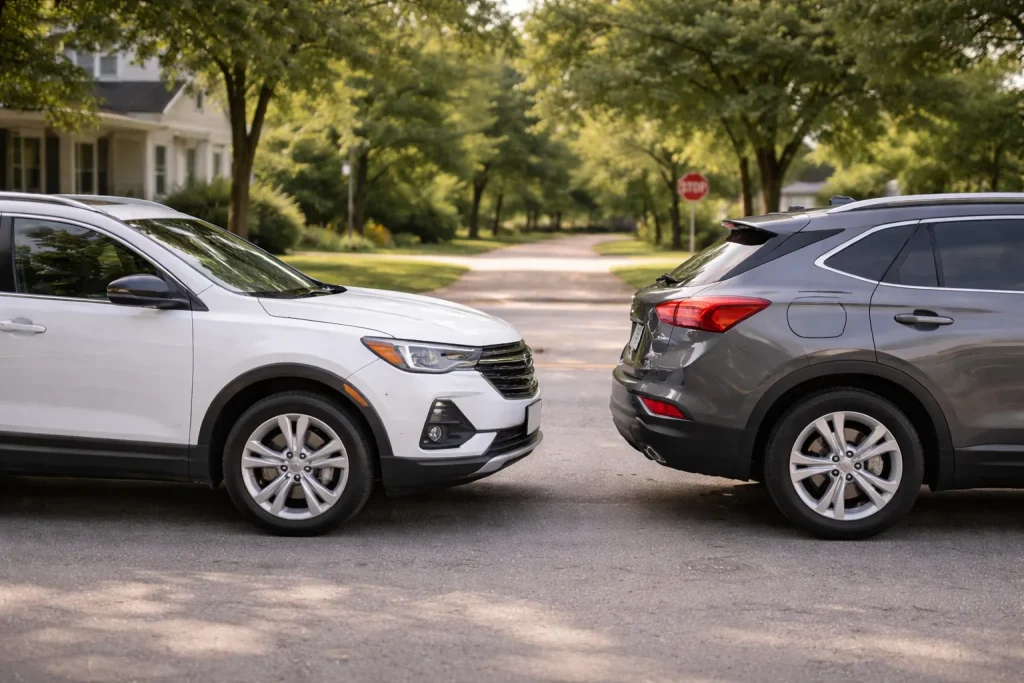
Liability insurance is the foundation of auto insurance and is required in almost every state.
Bodily injury liability
This coverage pays for medical bills, lost wages, legal fees, and sometimes funeral costs if you injure or kill someone in an accident.
Property damage liability
This covers damage you cause to another person’s vehicle, building, fence, or other property.
Important: Liability insurance does not cover your own injuries or car repairs.
State minimum limits are often low. Many drivers choose higher limits to better protect their assets, as explained in the ultimate guide to auto insurance in the United States.
Collision insurance coverage
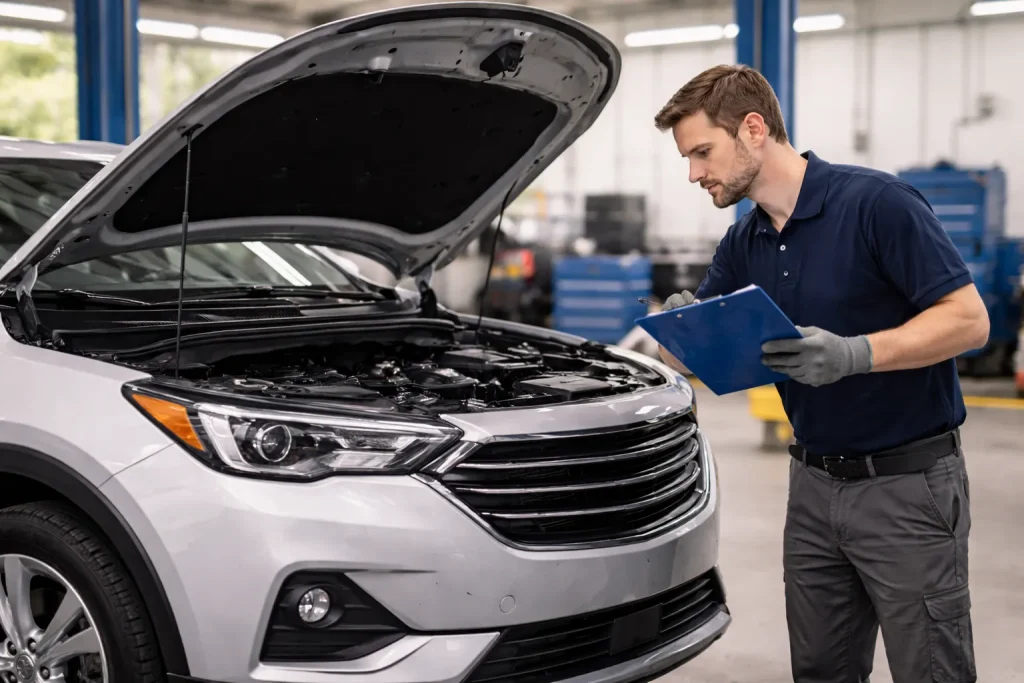
Collision coverage pays to repair or replace your car after an accident, regardless of who caused it.
It covers:
- Crashes with other vehicles
- Single‑car accidents
- Hitting objects like poles or guardrails
Collision coverage is strongly recommended if your car is new, valuable, financed, or leased. Most lenders require it until the loan is paid off.
Comprehensive insurance coverage
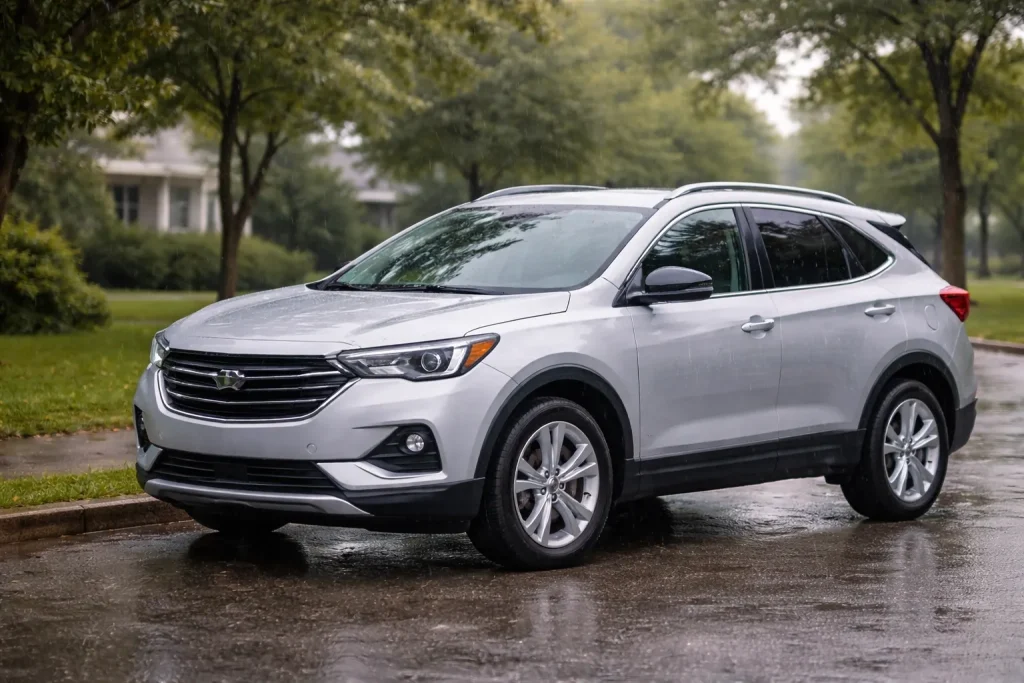
Comprehensive coverage protects your car from non‑collision damage, including:
- Theft
- Vandalism
- Fire
- Floods
- Hail and storms
- Falling objects
- Animal collisions
If you live in an area with bad weather or high theft rates, comprehensive coverage is essential. When combined with collision coverage, people often call it “full coverage.”
Uninsured and underinsured motorist coverage

Some drivers have no insurance or not enough coverage.
- Uninsured motorist coverage protects you if the other driver has no insurance.
- Underinsured motorist coverage applies when the other driver’s limits are too low.
This coverage may pay for:
- Medical bills
- Lost income
- Pain and suffering
- Vehicle damage (in some states)
Its importance is highlighted throughout the ultimate guide to auto insurance in the United States.
Personal injury protection (PIP)

Personal injury protection (PIP) is required in no‑fault states and optional in others.
PIP can cover:
- Medical expenses
- Rehabilitation
- Lost wages
- Essential services like childcare
PIP applies regardless of who caused the accident and provides fast financial support.
Medical payments coverage (MedPay)

Medical payments coverage helps pay medical expenses for you and your passengers after an accident, no matter who is at fault.
MedPay usually covers:
- Hospital visits
- Ambulance fees
- Surgery and follow‑up care
It works as a supplement to health insurance.
How to choose the right coverage mix

Choosing coverage depends on:
- Your car’s value
- Your savings and assets
- Your driving habits
- Your location
- Your deductible comfort level
Drivers with newer cars and higher financial exposure need broader protection. Owners of older vehicles may reduce coverage.
Once you understand coverage types, the next step is deciding how much auto insurance you really need.
Common coverage mistakes to avoid
Many drivers make these mistakes:
- Buying only state minimum liability
- Dropping comprehensive coverage too early
- Choosing deductibles that are too high
- Ignoring uninsured motorist protection
These errors often lead to financial stress after accidents.
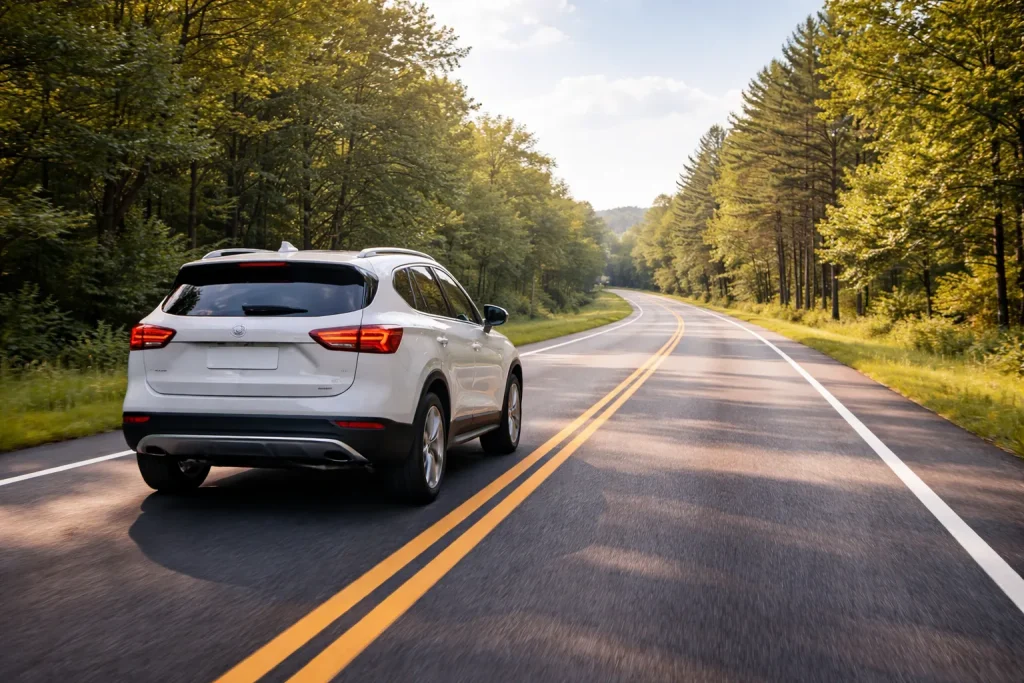
Understanding auto insurance coverage types is essential for protecting yourself, your vehicle, and your finances. Each coverage serves a specific role, and the right mix depends on your personal situation.
Instead of choosing insurance based only on price, focus on real protection. This article works together with the ultimate guide to auto insurance in the United States to help you make smart, confident decisions.