Essential Automotive Tools Every Car Owner Should Have
A small set of reliable tools can change the way you take care of your car. Many drivers depend on shops for every minor issue because they think automotive work always requires expensive equipment. The truth is that a simple toolbox can help you handle basic tasks with confidence. I have worked as a technician for years and I learned that having the right tools at home saves time and prevents stress during unexpected situations. This guide shares the essential tools that help with simple maintenance and small repairs so you stay prepared on the road and at home. These tools also support the basic tasks covered in the Auto Maintenance DIY for American Drivers guide, which makes your routine care much easier.
Why Every Driver Needs a Basic Automotive Tool Kit
A good tool kit gives you independence. When you have the right items, you can check your fluids, tighten loose parts, remove a wheel, or fix a small issue without calling for help. Even if you visit a shop for major repairs, these tools let you handle the small things that keep your car safe.
Drivers often feel nervous when they open the hood. They imagine complicated systems and fear breaking something. Once you use simple tools a few times, the feeling goes away. Basic maintenance becomes natural and you gain a better understanding of your car. This helps you notice early signs of trouble and keep your vehicle running for many years.
A tool kit also helps during emergencies. A flat tire or loose battery terminal can happen at the worst moment. With a few trusted tools, you can solve the problem and continue your day without waiting for roadside assistance.
Core Tools Every Car Owner Should Keep at Home
These tools cover almost all tasks that beginners handle. They are affordable and easy to find in any parts store.
1. Socket Set
A small metric and SAE socket set helps with many parts of the car. You can remove battery brackets, tighten bolts, or replace a few items like headlight housings. Choose a set with a ratchet handle and extensions so you can reach tight spaces.
2. Screwdrivers
You only need a basic set. One flat head and one Phillips head cover most tasks. They help with interior panels, air filter covers, and some hose clamps. Tool brands do not matter too much here. Any strong set with good grip works well.
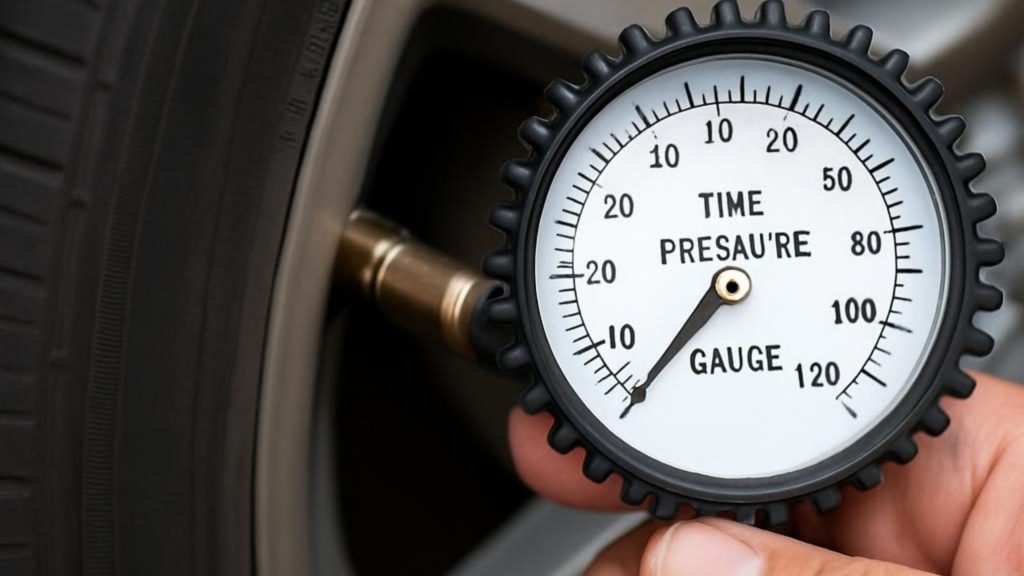
3. Tire Pressure Gauge
Checking tire pressure is one of the simplest habits that protects your tires. A small gauge fits in the glove box. Use it once or twice a month. Proper tire pressure keeps the ride smooth and improves fuel economy.
4. Torque Wrench
A torque wrench helps you tighten wheel lug nuts to the correct level. When you replace a wheel or rotate your tires, this tool prevents overtightening or undertightening. It is a good investment for safety and peace of mind.
5. Jack and Jack Stands
Most cars come with a small emergency jack, but it is weak and not ideal for regular use. A solid hydraulic jack paired with two jack stands is much safer. Use the stands whenever you work under the car. Never trust a jack alone.
6. Work Light
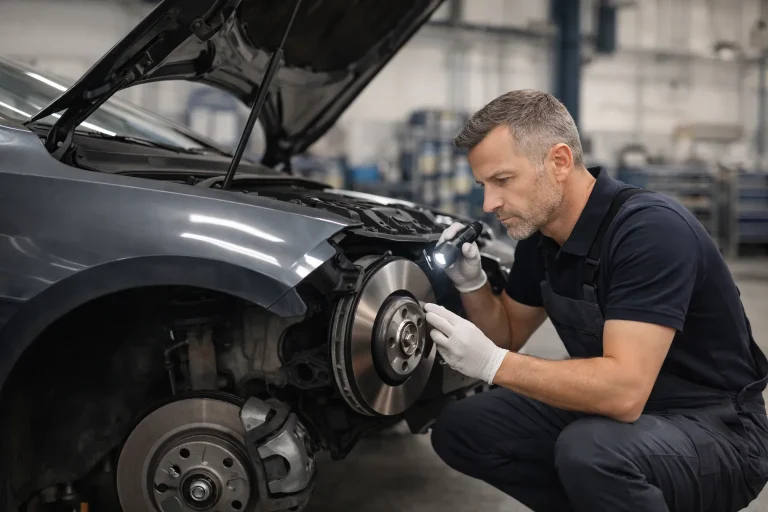
Cars have many dark corners. A portable LED light helps you see the engine bay, wheel wells, or the area under the car. Choose one with a magnetic base so you can attach it while your hands stay free.
7. Gloves and Safety Glasses
Safety gear matters even for simple tasks. Gloves protect your hands from sharp edges. Glasses protect your eyes from dust, rust flakes, and small debris. A small accident happens fast, so it is better to be prepared.
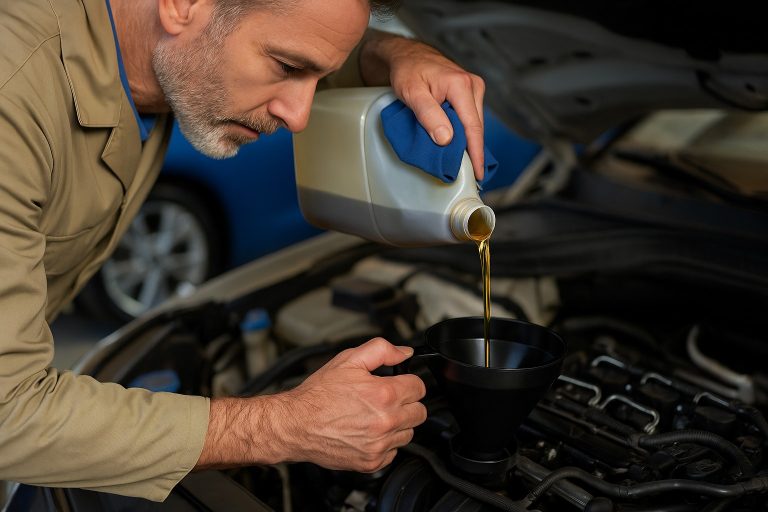
8. Funnel and Fluid Tools
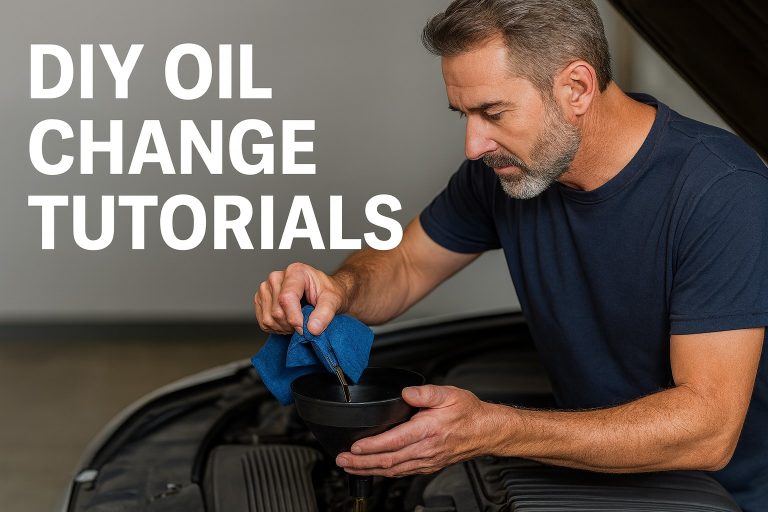
A funnel helps you add oil or coolant without spilling. Keep a small set of rags or shop towels near your tools. You do not need anything fancy. Basic supplies are enough to keep your workspace clean.
9. Pliers and Adjustable Wrench
Pliers help with hoses, clamps, and electrical connectors. An adjustable wrench helps when you need a simple tool for bolts without switching between several sizes. Both are useful in tight areas.
10. Multimeter
If you ever deal with a battery issue or electrical problem, a basic multimeter helps you test voltage. It is easy to use once you learn the simple settings. You can check if your battery is healthy or diagnose a failing alternator.
Tools for Roadside Emergencies
Your home tool kit is important, but you also need a few items in your trunk. These small tools keep you safe during breakdowns and help you handle unexpected issues away from home.
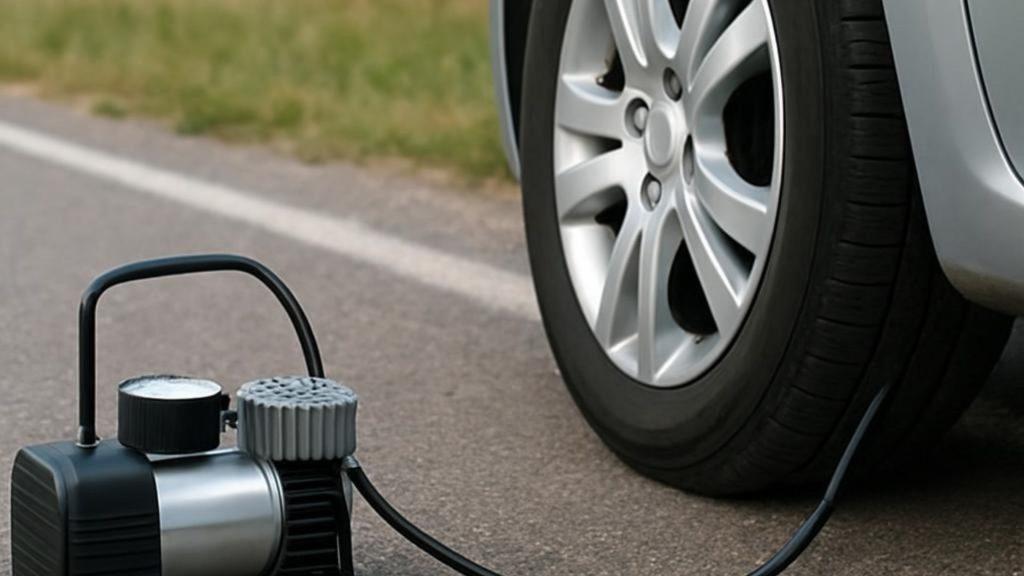
Portable Air Compressor
A small 12-volt compressor plugs into the car and helps you refill a low tire. It is slower than shop equipment but perfect in emergencies.
Jumper Cables or a Jump Starter
Batteries fail at random times. Jumper cables are cheap, but a portable jump starter gives you more independence. You do not need another car to help you.
Basic First Aid Kit
A small first aid kit is always good to have. It helps with cuts or scrapes when you work around the car.
Compact Tool Kit
Keep a small kit with a screwdriver, pliers, adjustable wrench, and flashlight. These simple tools cover most roadside situations.
How to Build a Tool Kit Without Overspending
There is no need to buy everything at once. Start with the essentials. Over time, add tools as you learn more about your car. Many drivers buy large tool sets they never use. Focus on practicality. A few good tools are better than a big box full of items you never touch.
You can also buy tools during seasonal sales. Many stores offer discounts during holidays. Used tools are another option if you find them in good shape. Metal tools last for years when maintained well.
Avoid tools that look too cheap. If a wrench bends during use, it becomes a safety risk. Aim for mid range brands that offer good balance between cost and durability.
Staying Prepared and Confident as a Car Owner
A well built tool kit supports your regular maintenance routine and helps you feel more connected to your car. You start to understand how small parts work together. Basic tasks like checking fluids, tightening bolts, or replacing simple items become part of your routine. You also handle emergencies with more confidence.
These tools also support many of the maintenance steps covered in the Auto Maintenance DIY for American Drivers guide, which gives you a wider view of car care and helps you plan your yearly routine.
Conclusion
A simple automotive tool kit empowers you to maintain your car with confidence. It saves money, prevents breakdowns, and supports safe driving habits. You do not need to be a professional to handle small tasks. With the essential tools listed above, you stay ready for both routine care and unexpected moments. For more hands on help with basic maintenance tasks, you can explore my detailed guide on easy at home car maintenance for beginners, another satellite article that pairs well with this one.