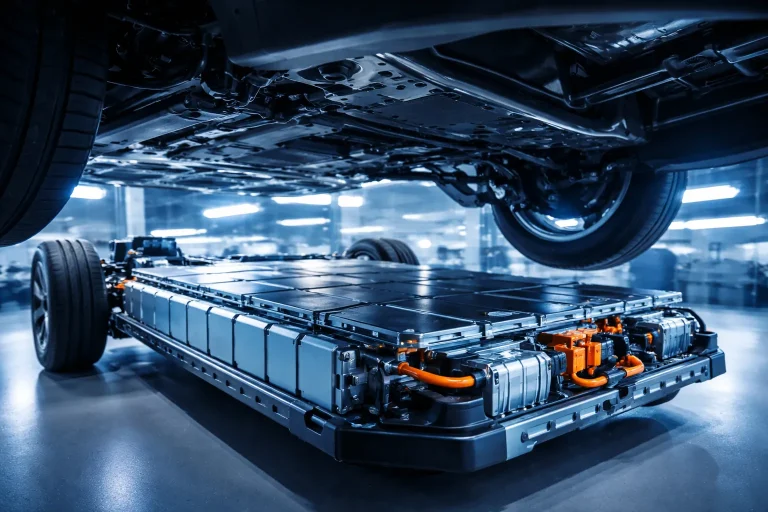
Affordable EV Models Under $30 K in the u.s.
Electric vehicles in the United States have reached a historic turning point. For more than a decade, EVs were often seen as expensive, experimental, and designed primarily for early adopters with higher incomes. That perception no longer reflects the reality of today’s automotive market. Affordable ev models under $30k are now a legitimate and growing category, offering practical solutions for everyday drivers.
This change is not driven by hype or short-term trends. It is the result of deep structural shifts across the automotive industry. Battery costs have declined significantly. Manufacturing processes have matured. Competition among automakers has increased. Together, these forces have made electric vehicles accessible to a much broader audience.
For many American drivers, the key question has changed. It is no longer “Can I afford an electric vehicle?” but rather “Does it still make sense to buy a gasoline car?”
This pillar article provides a comprehensive and unbiased overview of affordable electric vehicles under $30,000 in the U.S. It explores market conditions, real-world usability, ownership costs, charging realities, and the long-term role of affordable EVs in everyday transportation.
Why affordable evs matter in today’s market
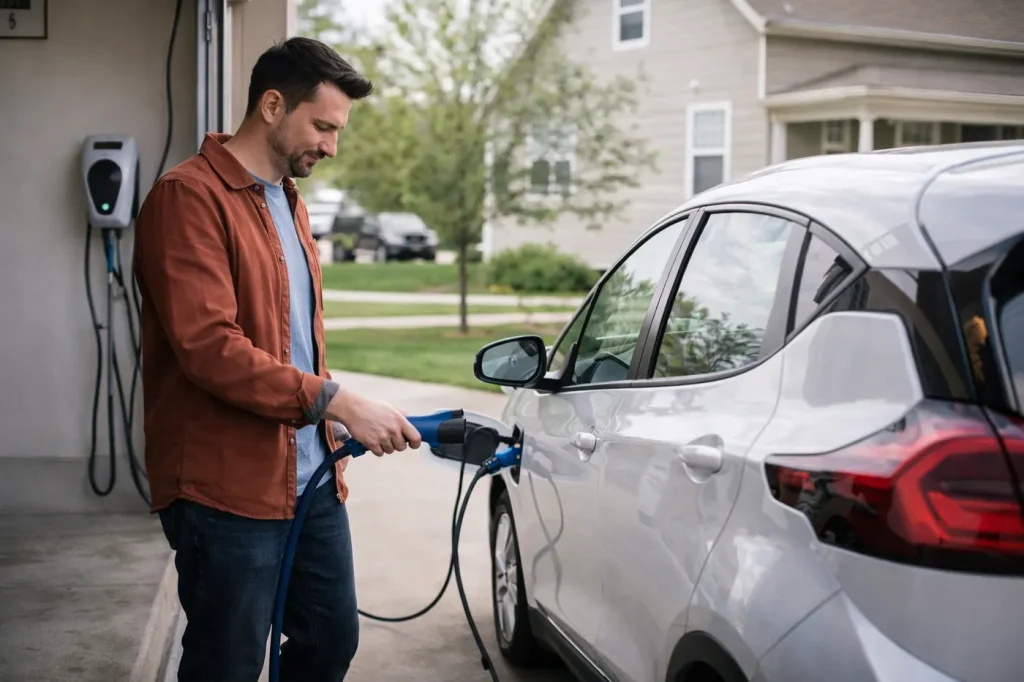
Affordability has become the central factor in vehicle purchasing decisions. Rising fuel prices, increasing maintenance costs, and economic uncertainty have reshaped consumer priorities. Buyers are more cautious, more analytical, and more focused on long-term value than ever before.
Affordable ev models under $30k directly address these concerns. They reduce reliance on gasoline, simplify maintenance, and offer predictable operating costs. For commuters, families, and budget-conscious households, electric vehicles now represent a rational and financially sound option.
Importantly, affordability does not mean compromise. Today’s affordable EVs are designed to handle daily driving demands with comfort, safety, and reliability. They are quiet, smooth, and easy to operate. For many owners, they reduce stress rather than add complexity.
In a market where value matters more than ever, affordable EVs are not a downgrade. They are a practical upgrade.
The economic forces driving ev affordability
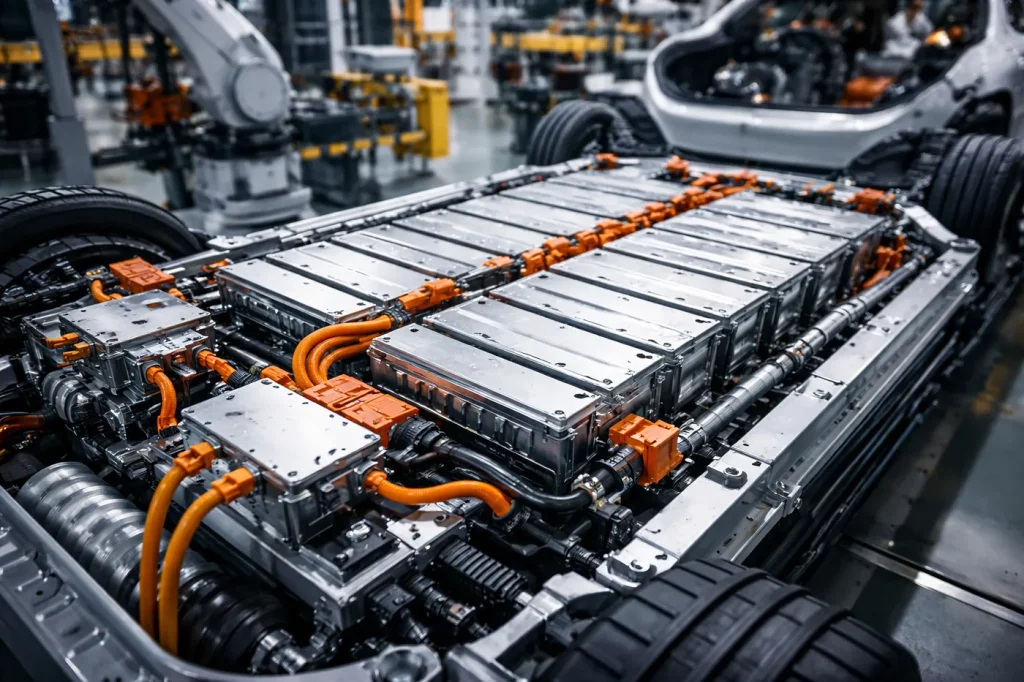
The single most important factor behind the rise of affordable electric vehicles is battery economics. In the early stages of EV development, battery packs were extremely expensive, often accounting for a large share of the vehicle’s total cost. Prices exceeded $1,000 per kilowatt-hour, making mass-market affordability unrealistic.
Over time, major improvements in battery chemistry, energy density, and large-scale manufacturing have driven costs down dramatically. Today, battery prices are a fraction of what they once were, while performance and durability have improved.
At the same time, automakers have rethought how vehicles are engineered. Dedicated electric platforms eliminate unnecessary mechanical complexity. Shared components reduce development costs. Software now replaces many traditional systems, lowering both production and maintenance expenses.
These structural changes have created the conditions necessary for electric vehicles to reach the sub-$30k price range without sacrificing quality.
Government policy and market incentives
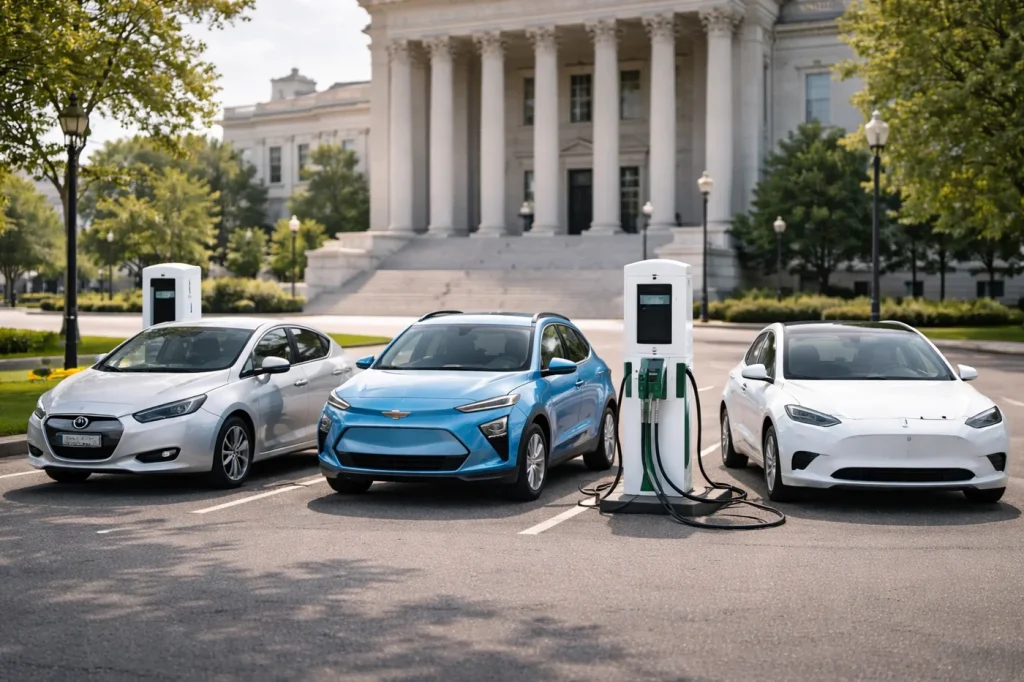
Public policy has played a supporting role in accelerating the adoption of affordable EVs. Federal and state-level incentives have reduced effective purchase prices, particularly for vehicles that meet domestic production and sourcing criteria.
These incentives are designed to encourage widespread adoption rather than luxury consumption. By lowering entry barriers, policymakers aim to bring electric vehicles into mainstream households and accelerate the transition away from internal combustion engines.
For consumers, the result is a more competitive market. Electric vehicles can now be priced on par with, or even below, comparable gasoline vehicles. This has reshaped buyer expectations and intensified competition across segments.
Defining “affordable” in the electric vehicle context
Affordability in the EV market does not mean outdated technology or bare-bones equipment. Vehicles under $30,000 now include features that were considered premium only a few years ago.
Many affordable EVs come equipped with modern driver-assistance systems, touchscreen infotainment, smartphone integration, and strong safety ratings. Battery warranties typically extend for eight years or more, offering long-term reassurance.
Instead of chasing extreme range or luxury finishes, affordable EVs focus on efficiency, durability, and everyday usability. They are designed to fit seamlessly into daily routines, not to impress with excess.
True affordability is about balance, not limitation.
Types of affordable electric vehicles available

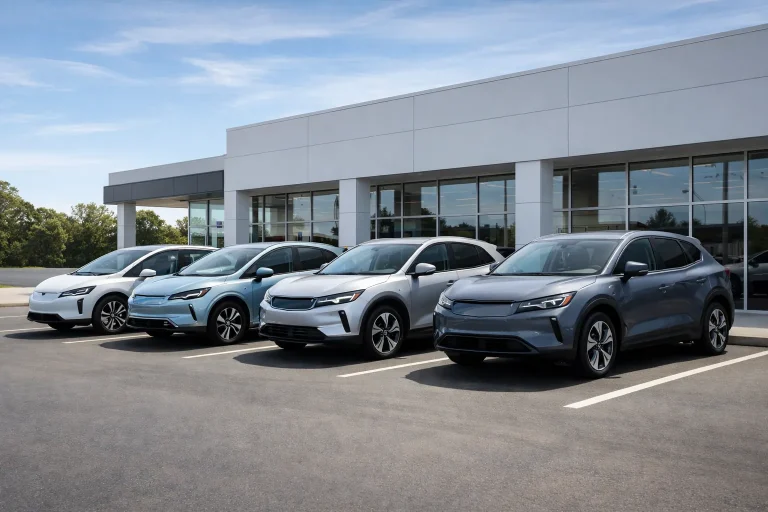
The affordable EV segment now includes multiple vehicle categories, giving buyers flexibility based on lifestyle needs.
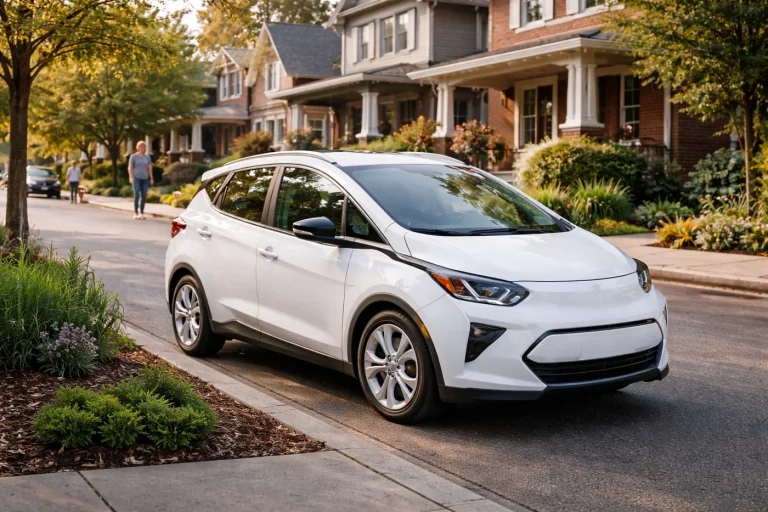
Electric hatchbacks are popular among city drivers and commuters. Their compact size, efficiency, and ease of parking make them ideal for urban environments.
Compact electric crossovers offer additional cargo space and a higher driving position, appealing to families and suburban households.
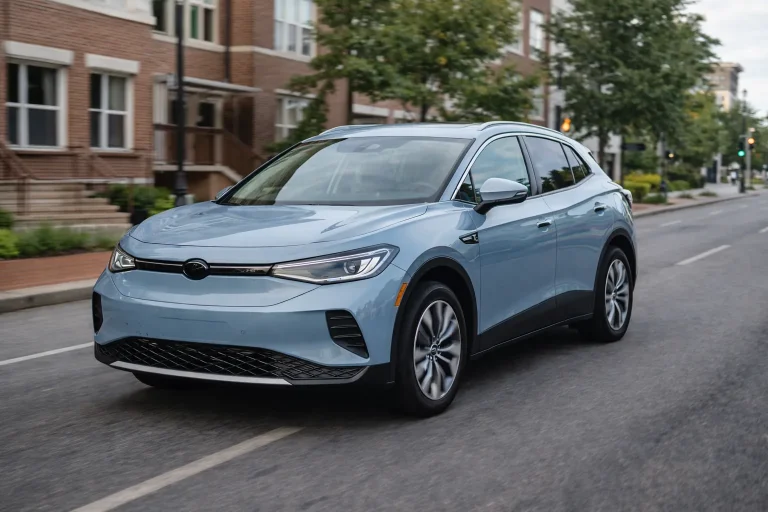
Entry-level electric SUVs provide a familiar form factor for drivers transitioning from gasoline vehicles, combining practicality with electric efficiency.
This diversity reflects the maturity of the affordable EV market and its ability to serve a wide range of drivers.
Real-world driving range and daily use
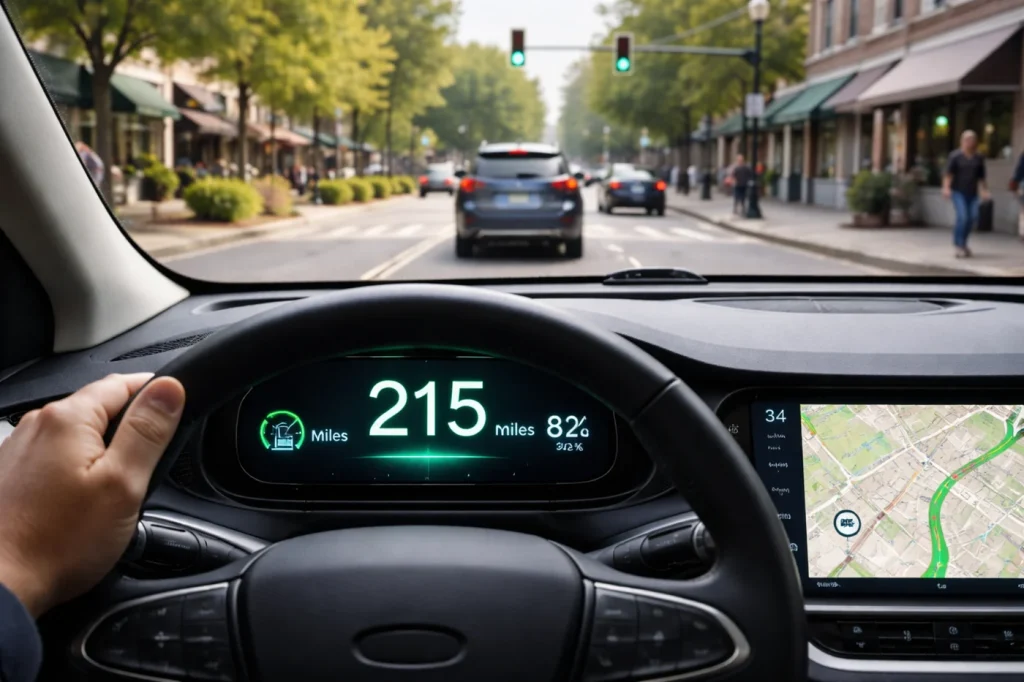
Range remains one of the most discussed topics in EV ownership, yet it is often misunderstood. While maximum range figures attract attention, they do not always reflect real-world needs.
The average American drives fewer than 40 miles per day. For this usage pattern, even modest-range electric vehicles are more than sufficient when paired with overnight charging. The focus shifts from maximum range to charging convenience.
Affordable EVs are designed around everyday driving realities. They provide enough range to cover daily routines comfortably without inflating costs unnecessarily.
Understanding personal driving habits is far more important than chasing the highest range number.
Charging at home and on the road

Charging accessibility has improved significantly across the U.S. Public charging networks now cover most metropolitan areas and major highways. However, home charging remains the most practical and economical solution for daily use.
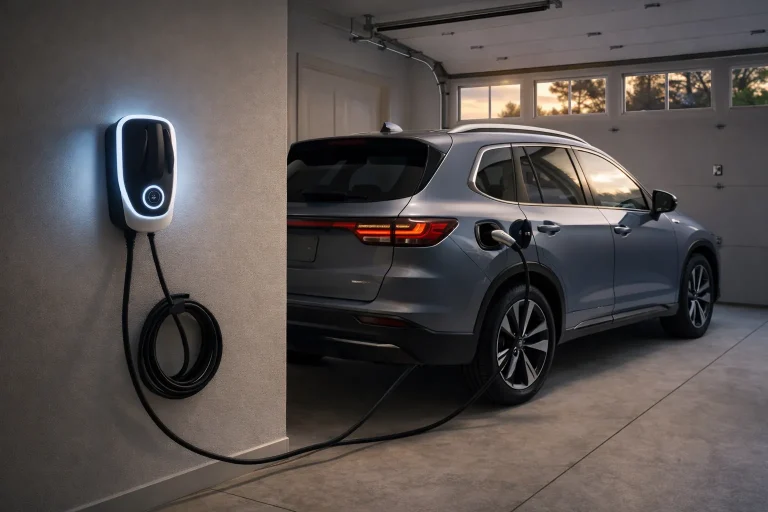
Affordable EVs typically support Level 2 home charging, allowing vehicles to recharge overnight during off-peak hours. This creates a simple routine where the vehicle is always ready in the morning.
Public charging plays a supporting role for longer trips and for drivers without access to home charging. While charging speeds may be slower than premium EVs, affordable models integrate effectively into the growing infrastructure.
Total cost of ownership compared to gasoline vehicles
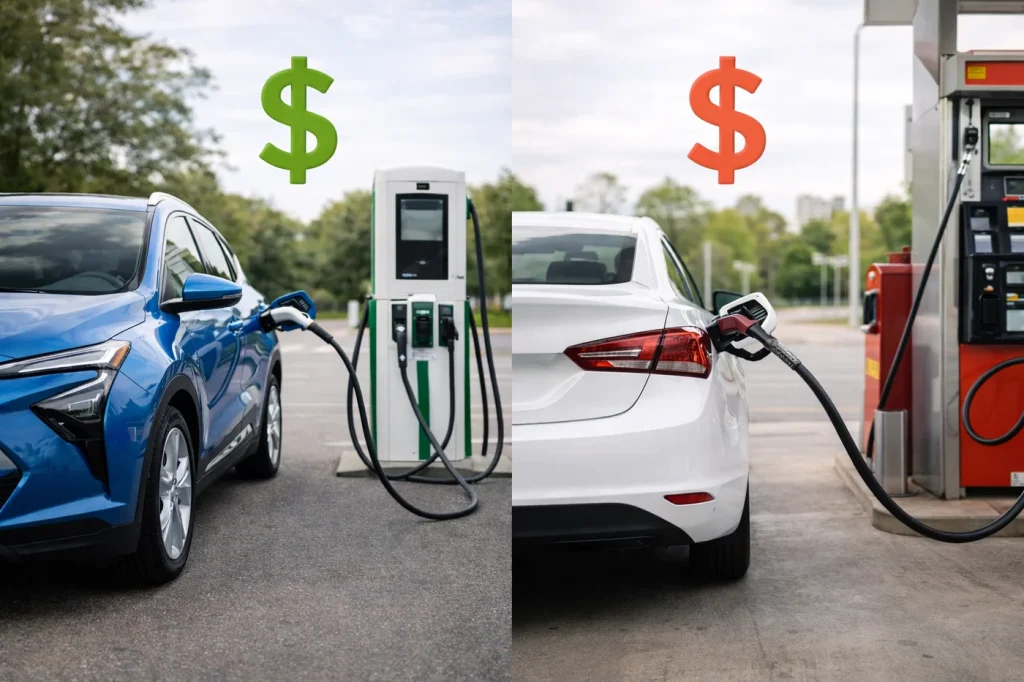
Purchase price alone does not define affordability. Long-term ownership costs play a critical role.
Electric vehicles benefit from lower energy costs, reduced maintenance, and fewer mechanical components that can fail over time. There are no oil changes, fewer fluids, and less wear on braking systems due to regenerative braking.
Over several years, these savings can outweigh small differences in upfront cost. For many drivers, affordable EVs deliver lower total ownership costs than comparable gasoline vehicles.
Predictability is a key advantage. Owners know what they will spend, and surprises are rare.
Reliability, battery life, and durability
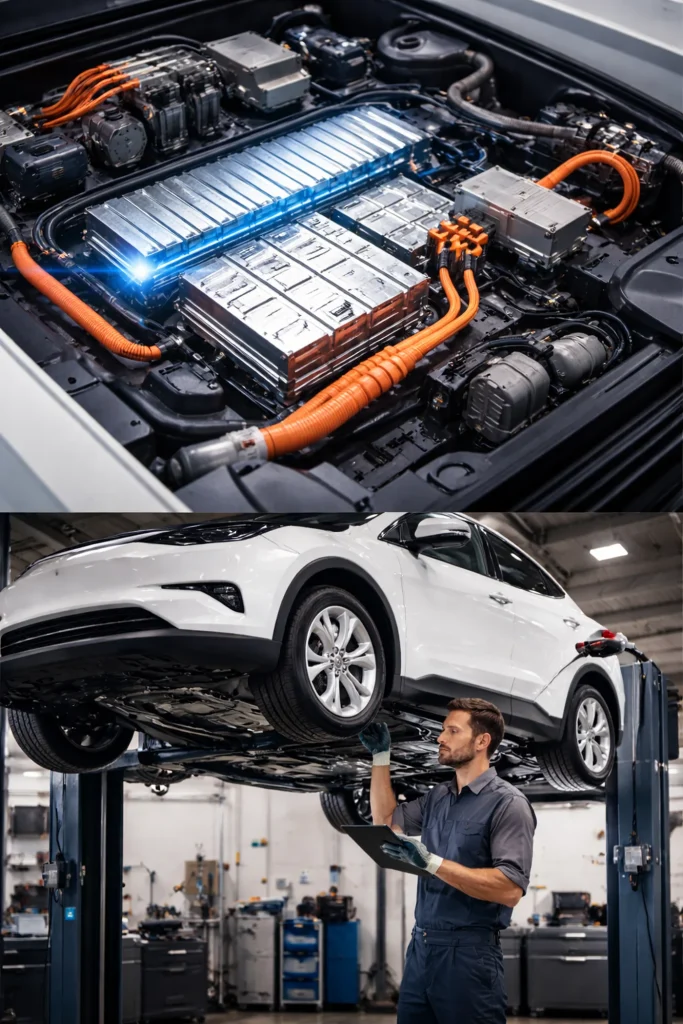
Modern electric vehicles are engineered for long-term reliability. Battery management systems regulate temperature and charging behavior to minimize degradation.
Real-world data shows that battery capacity declines gradually and predictably, often at a slower rate than expected. Manufacturer warranties typically cover batteries for eight years or more, providing confidence for long-term ownership.
Electric motors themselves are simple and durable. With fewer moving parts and less mechanical stress, they often outlast traditional engines.
For buyers concerned about longevity, affordable EVs offer a reassuring ownership profile.
Who affordable evs are best suited for
Affordable EV models under $30k are well suited for drivers who value efficiency, simplicity, and predictable costs. They are ideal for commuters, urban and suburban households, and drivers transitioning from compact gasoline cars.
They work best for those with access to home or workplace charging and for buyers who prioritize value over luxury features.
They may be less suitable for drivers who require heavy towing, frequent long-distance travel without planning, or large multi-row seating configurations.
Choosing the right vehicle remains a matter of aligning needs with daily reality.
Common misconceptions about affordable evs
One common misconception is that affordable EVs lack performance. In reality, electric motors deliver instant torque, making even budget-friendly models feel responsive in everyday driving.
Another misconception is that charging is inconvenient. For most owners, charging becomes a passive habit rather than an active task.
There is also concern about resale value. As adoption increases and infrastructure expands, electric vehicles are becoming normalized, supporting more stable long-term value.
The broader impact of affordable electric vehicles
Affordable EVs play a crucial role in the broader transition to electric mobility. By lowering entry barriers, they expand adoption beyond early adopters and enthusiasts.
This wider adoption drives infrastructure investment, accelerates innovation, and reduces costs further. It creates a positive feedback loop that benefits consumers and the industry as a whole.
Affordable EVs are not just transportation tools. They are enablers of systemic change.
The future of affordable evs
The outlook for affordable electric vehicles remains strong. Battery production capacity continues to expand, competition intensifies, and technology continues to improve.
Vehicles under $30k today are likely to become even more capable in the years ahead. Affordability is no longer a temporary phase. It is becoming a defining feature of the electric era.
Conclusion
Affordable ev models under $30k represent a fundamental shift in the U.S. automotive market. They are no longer niche, experimental, or reserved for a limited audience. They are practical, reliable vehicles designed for real people and real budgets.
Electric mobility is no longer about early adoption. It is about smart decisions, long-term value, and everyday usability.
For the first time, electric vehicles are not just the future of transportation. They are the affordable present.
Written by Michael Carter
Senior Automotive Analyst | Used Car Expert | Lead Editor at AutoBrief USA
Data-driven automotive insights