Brake inspection and brake pad replacement: a complete safety guide
Your vehicle’s braking system is the single most important safety system you rely on every day. While many drivers pay close attention to oil changes, tire pressure, and fuel efficiency, brake inspections and brake pad replacement are often delayed until warning signs become impossible to ignore. By that point, stopping distances may already be compromised and repair costs can increase significantly.
Brake-related failures are a leading cause of preventable accidents, especially in urban traffic and emergency braking situations. Proper brake maintenance is not just about avoiding noise or vibration. It is about ensuring predictable stopping power, consistent pedal feel, and full control of the vehicle in all driving conditions.
This pillar guide explains how brake inspections work, how brake pads wear, when replacement is necessary, how costs are determined, and what drivers should understand to maintain safe, reliable braking performance over the life of their vehicle.
Why brake inspections matter for vehicle safety

Brakes operate on a simple principle: converting kinetic energy into heat through friction. When you press the brake pedal, hydraulic pressure forces the brake pads against the rotors, slowing the vehicle. Over time, this repeated friction causes gradual wear to pads, rotors, and related components.
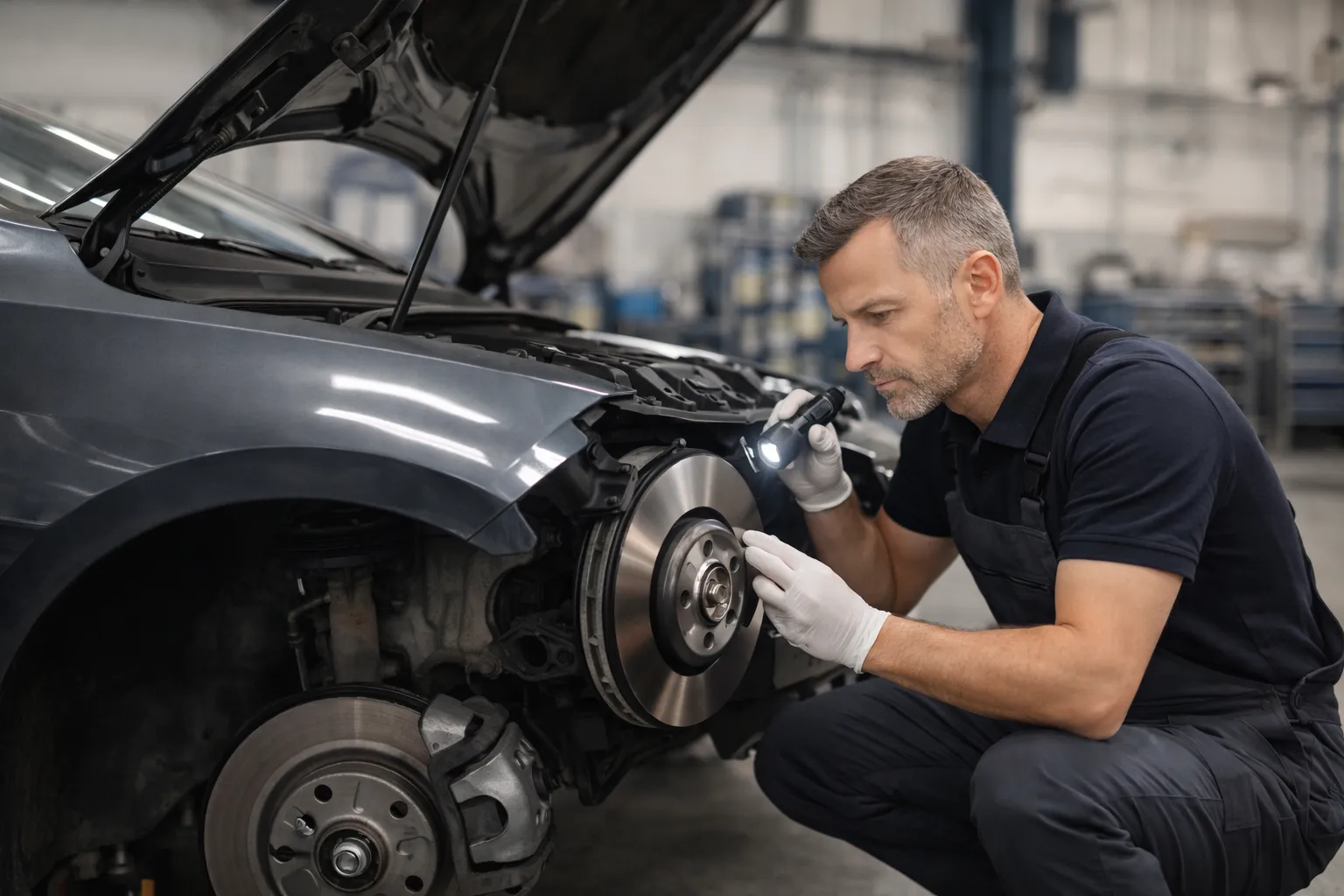
Brake inspections allow technicians to evaluate the condition of these components before performance is affected. Worn pads reduce friction material thickness, which increases stopping distance and heat buildup. Excessive heat can warp rotors, damage calipers, and degrade brake fluid, leading to reduced braking efficiency.
Beyond mechanical wear, inspections help identify issues such as uneven pad wear, seized calipers, fluid leaks, and corrosion. These problems often develop silently and may not trigger a dashboard warning light until they become severe.
Routine brake inspections ensure the system responds consistently during emergency stops, downhill braking, wet conditions, and sudden traffic changes. They are a critical part of preventive vehicle maintenance.
How often brakes should be inspected

Most vehicle manufacturers recommend inspecting the braking system every 12,000 miles or once per year, whichever comes first. However, real-world driving conditions often require more frequent checks.
Drivers who spend most of their time in stop-and-go city traffic typically experience faster brake wear than those who drive primarily on highways. Frequent stops generate more heat and friction, accelerating pad degradation. Vehicles driven in mountainous areas or used for towing are also subject to increased brake stress.
Climate plays a role as well. Cold regions that use road salt can accelerate corrosion on brake components. Wet environments may contribute to rotor rust and uneven pad contact. In these conditions, inspections during seasonal tire changes or oil services are recommended.
A practical approach is to include brake inspections whenever tires are rotated, typically every 5,000 to 7,500 miles. This ensures consistent monitoring without requiring separate service visits.
Warning signs that brakes need attentio
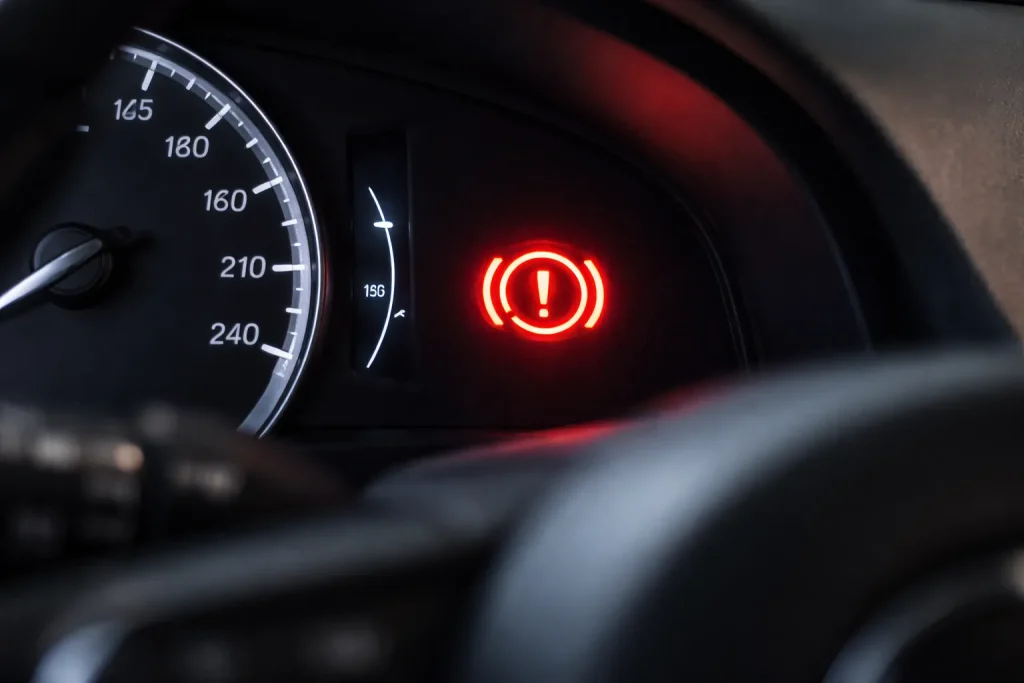
Brake problems rarely appear without warning. Most develop gradually, giving drivers multiple opportunities to address issues before safety is compromised.
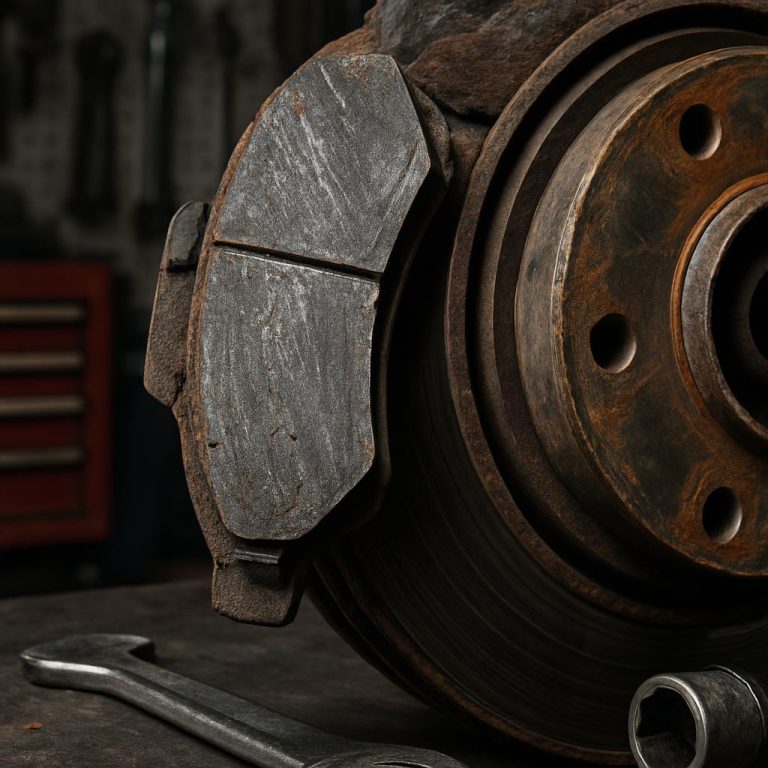
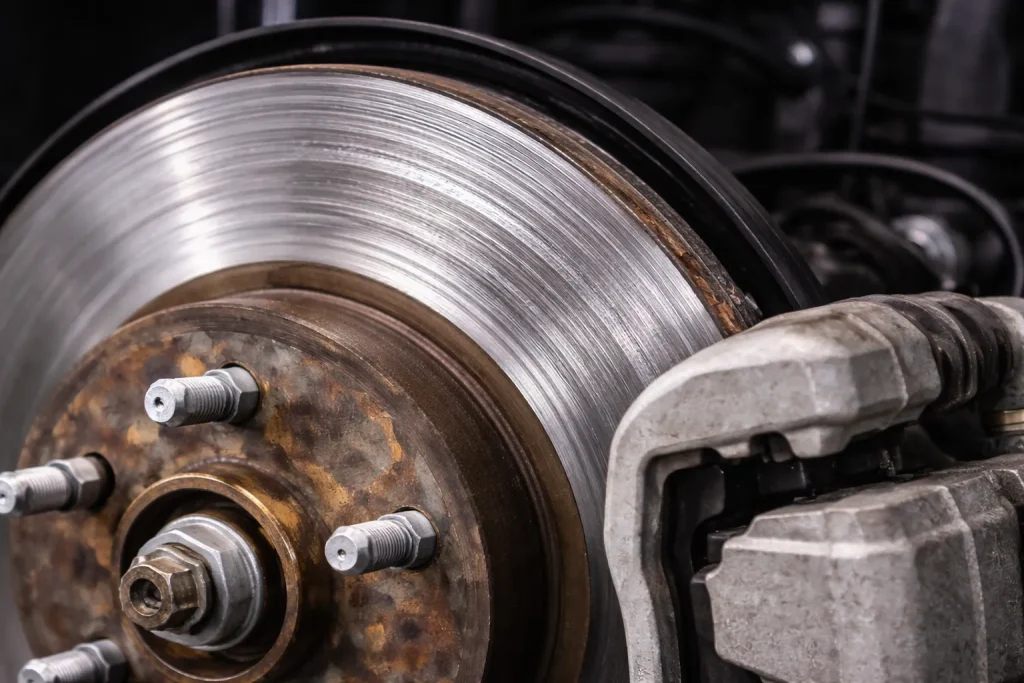
One of the most common signs is brake noise. Squealing often indicates worn pads, while grinding usually means the friction material has worn away completely and metal is contacting the rotor. Grinding should be addressed immediately, as it can cause severe rotor damage.
Vibration or pulsation felt through the brake pedal or steering wheel may indicate warped rotors or uneven pad deposits. A brake pedal that feels soft, spongy, or sinks toward the floor can signal air in the brake lines or fluid leaks, both of which reduce stopping power.
Other warning signs include pulling to one side during braking, increased stopping distance, or a burning smell after driving downhill. Any of these symptoms justify an immediate brake inspection.
Ignoring early warning signs often results in more extensive and expensive repairs.
Understanding brake pad wear and lifespan

Brake pad lifespan varies widely depending on vehicle design, pad material, driving habits, and operating conditions. On average, brake pads last between 30,000 and 70,000 miles, but this range is not universal.
Front brake pads typically wear faster than rear pads because they handle the majority of braking force. In front-wheel-drive vehicles, the front brakes may account for up to 70 percent of stopping power. As a result, front pad replacement is usually required sooner.
Driving behavior has a major impact on pad wear. Aggressive braking, frequent hard stops, riding the brakes downhill, and carrying heavy loads all increase friction and heat, reducing pad life. Conversely, smooth braking and maintaining safe following distances help extend service intervals.
Some vehicles equipped with regenerative braking systems experience slower pad wear, as electric motors assist with deceleration. Even in these cases, regular inspections are still necessary to ensure proper brake function.
Brake pad types and how they affect performance
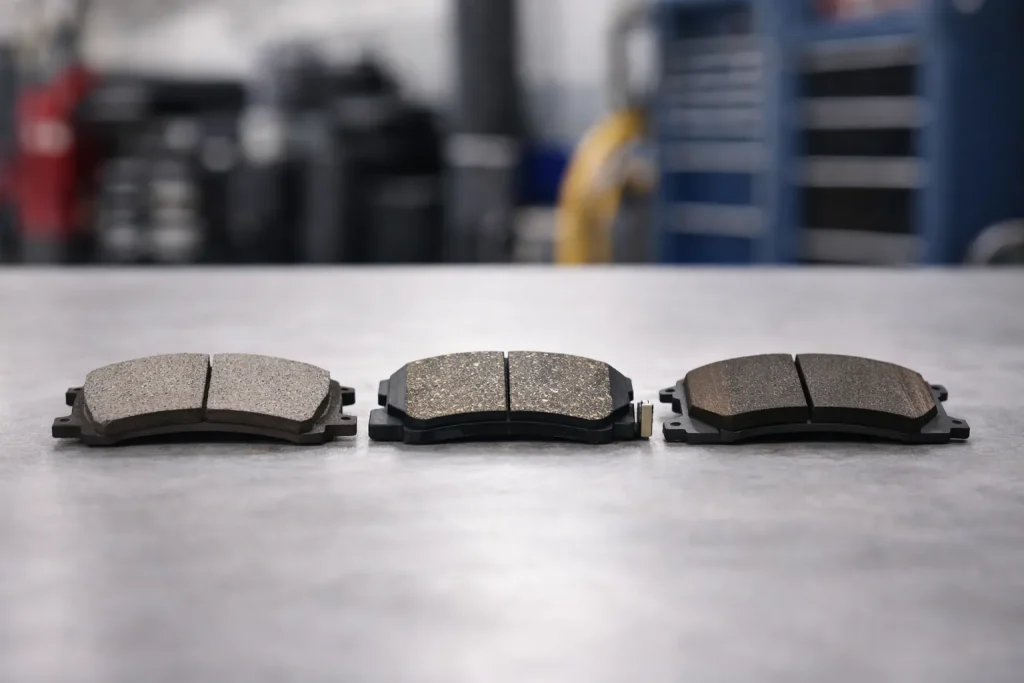
Brake pads are manufactured using different materials, each designed to balance performance, noise, dust, and longevity. Understanding these differences helps drivers choose the most appropriate option for their needs.
Ceramic brake pads are commonly used in passenger vehicles. They provide quiet operation, low dust production, and stable performance in everyday driving conditions. Ceramic pads tend to last longer and are gentle on rotors, though they may cost more upfront.
Semi-metallic brake pads contain metal fibers that improve heat dissipation and durability. They are often used in performance vehicles, trucks, and SUVs that experience higher braking loads. While effective under heavy use, semi-metallic pads may generate more noise and brake dust.
Organic brake pads are made from softer materials such as rubber, resin, and fibers. They are typically quieter but wear faster and are less suitable for high-stress driving. Organic pads are often used in light-duty or older vehicles.
Choosing the right brake pad material affects braking feel, maintenance intervals, and overall cost of ownership.
Brake pad replacement cost explained
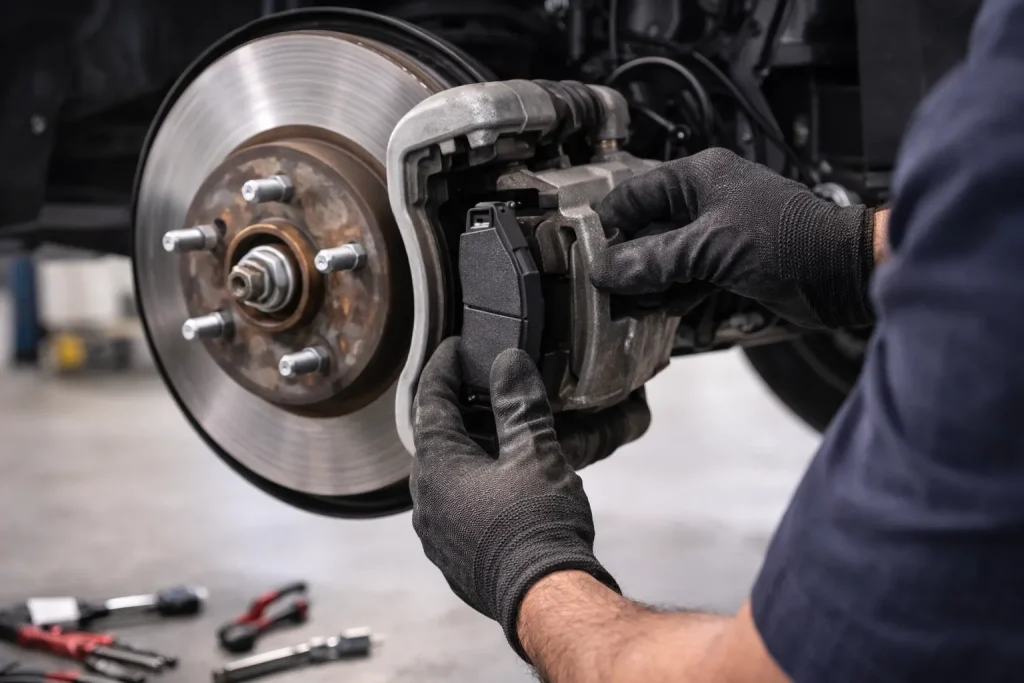
Brake pad replacement costs vary depending on vehicle type, pad material, labor rates, and regional pricing. In the United States, the average cost to replace brake pads ranges from $150 to $300 per axle, including parts and labor.
Front brake pad replacement generally costs more than rear replacement due to higher wear rates and more frequent service intervals. Vehicles with larger brakes or performance-oriented systems may incur higher costs.
Pad material also influences price. Premium ceramic pads typically cost more than organic pads but may reduce long-term expenses by lasting longer and producing less rotor wear. Labor costs vary by location and service provider, with dealership rates often higher than independent shops.
Delaying brake pad replacement can significantly increase total repair costs. Worn pads can damage rotors, requiring resurfacing or replacement, which adds hundreds of dollars to the bill.
DIY brake pad replacement vs professional service
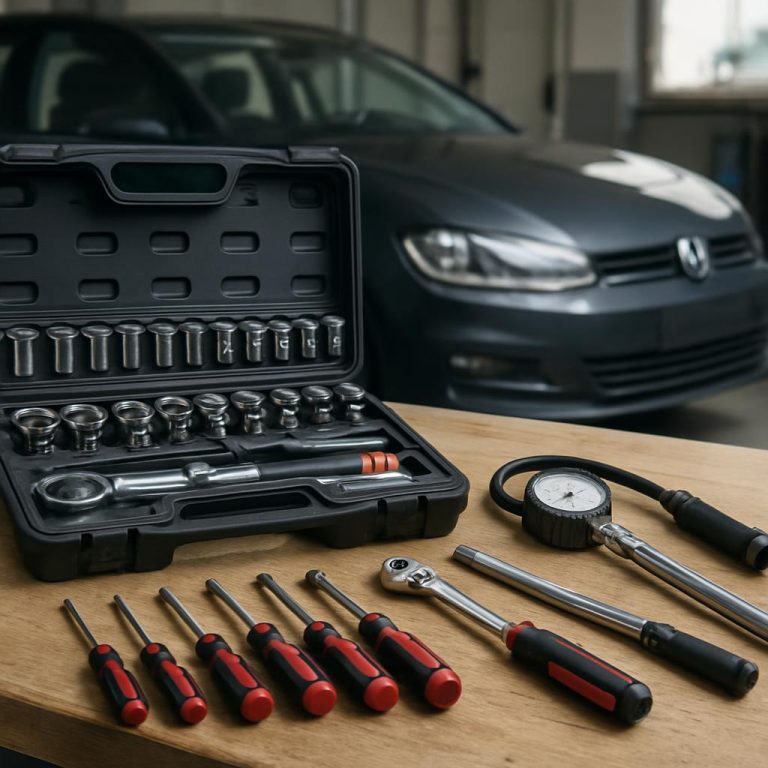
Some drivers consider replacing brake pads themselves to save money. While DIY brake pad replacement is possible on many vehicles, it requires proper tools, mechanical knowledge, and careful attention to safety.
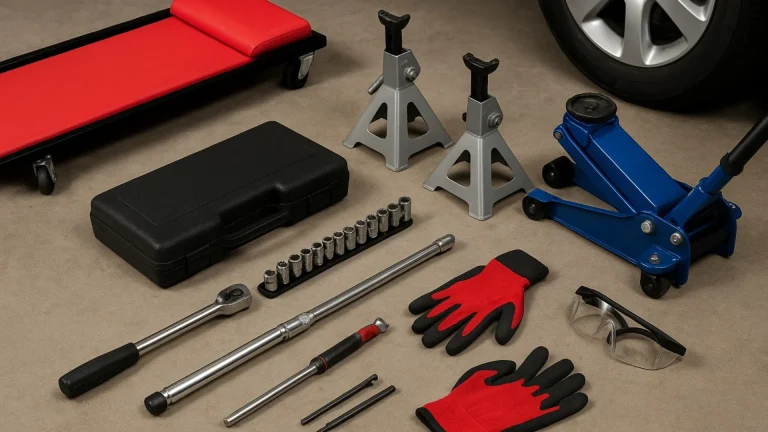
A basic brake job involves lifting the vehicle securely, removing wheels, compressing calipers, installing new pads, and properly torquing all components. Mistakes during this process can lead to brake noise, uneven wear, or reduced braking performance.
Professional brake service offers several advantages. Technicians inspect related components such as rotors, calipers, hoses, and brake fluid. They ensure proper lubrication, correct torque specifications, and proper bedding-in of new pads.
For drivers without experience or access to proper equipment, professional service is often the safer and more reliable option.
What can go wrong after brake pad replacement
Even after brake pad replacement, issues can arise if installation is incorrect or related components are overlooked. Brake noise after replacement is one of the most common complaints.
Squeaking may result from improper lubrication, missing shims, or incorrect pad material. Vibration can occur if rotors are warped or unevenly worn. A spongy brake pedal may indicate air in the brake lines or fluid contamination.
Uneven pad wear often points to caliper issues, such as seized slide pins or uneven piston movement. These problems reduce braking efficiency and shorten pad life.
Post-installation inspections and test drives are essential to ensure proper operation and address issues early.
How to extend the life of brake pads
Brake pad longevity depends largely on driving habits and maintenance practices. Smooth, gradual braking reduces heat buildup and friction wear. Maintaining safe following distances allows drivers to slow down without sudden stops.
Avoid riding the brakes downhill. Instead, use lower gears to control speed and reduce brake load. Carrying unnecessary weight increases braking demand and accelerates wear.
Proper bedding-in procedures for new brake pads help ensure even contact with rotors and reduce noise. Regular inspections allow early detection of uneven wear or mechanical issues.
Consistent maintenance habits improve braking performance and extend service intervals.
When brake issues require immediate attention
Some brake problems should never be ignored. Grinding noises, warning lights, sudden loss of braking power, fluid leaks, or smoke from the wheels indicate unsafe driving conditions.
In these situations, the vehicle should not be driven until the braking system is inspected and repaired. Continuing to operate a vehicle with severe brake issues puts occupants and other road users at risk.
Emergency brake issues require immediate professional evaluation.
Final thoughts on brake safety and maintenance

Brake inspections and timely brake pad replacement are essential components of vehicle safety. Understanding how braking systems wear, recognizing warning signs, and making informed maintenance decisions help drivers avoid costly repairs and maintain reliable stopping performance.
Regular inspections, responsible driving habits, and proper service choices protect both safety and long-term vehicle value.