how to find used electric cars under $20,000
The used electric vehicle market has exploded in ways I couldn’t have predicted five years ago. Back then, finding a decent used EV meant settling for a first-generation Nissan Leaf with questionable battery health or spending nearly new-car money on a Tesla with high mileage. Times have changed dramatically.
Today’s used EV landscape offers genuine opportunities for budget-conscious buyers. Thanks to rapid depreciation and increased supply, many quality electric vehicles now trade for under $20,000. This price point opens up electric driving to a much wider audience. You’re no longer limited to wealthy early adopters or those who can afford a new car payment.
I’ve spent considerable time researching this market because the value proposition has become undeniable. For anyone exploring a complete guide to electric vehicles, the used market deserves serious consideration. The depreciation curve works in your favor, especially with models from 2018-2021. Let me share what I’ve learned about finding quality used EVs without getting burned.
understanding ev depreciation
Electric vehicles depreciate faster than gas cars for several reasons. Technology improvements happen quickly, making older models seem outdated. Range anxiety still influences resale values even though charging infrastructure has improved significantly. Federal tax credits only apply to new vehicles, which pressures used prices downward.
This depreciation benefits used buyers enormously. A Chevy Bolt that sold for $37,000 new in 2020 might trade for $15,000 today with 40,000 miles. That’s a $22,000 drop in just four years. The car still has plenty of life left, but you’re paying a fraction of the original price.
Premium EVs depreciate even more steeply. Early Tesla Model S sedans that commanded $80,000 or more new can be found for under $20,000 with higher mileage. BMW i3s that seemed expensive when new are bargain basement finds today. This creates opportunities if you know what to look for.
battery health matters most
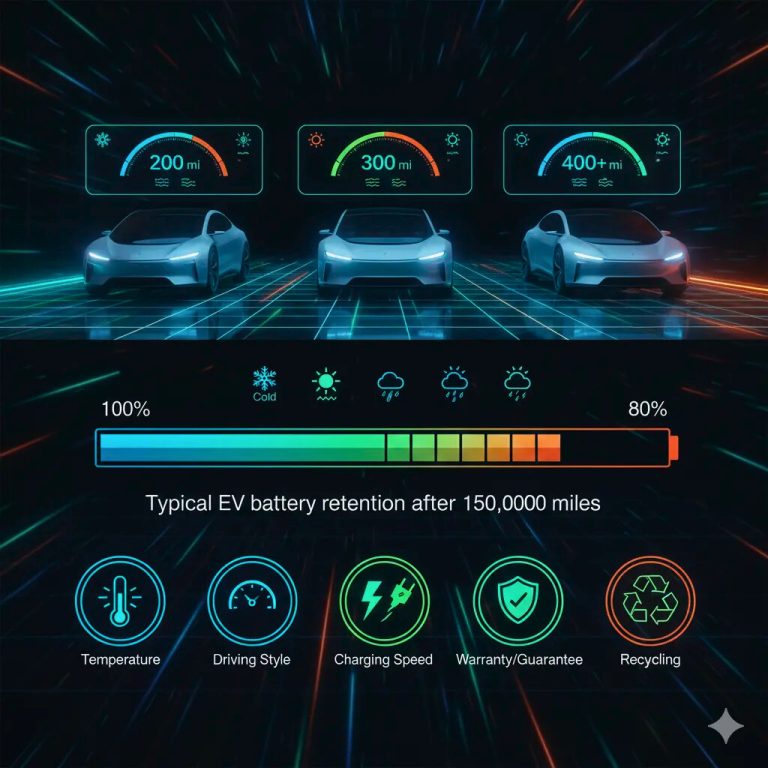
The battery pack represents the heart of any electric vehicle. Unlike a gas engine where wear happens gradually, battery degradation follows different patterns. Most modern EV batteries retain 80-90% of their original capacity after 100,000 miles, but individual results vary.
Request a battery health report before committing to any used EV purchase. Many dealerships can pull this data from the vehicle’s onboard diagnostics. Independent shops specializing in EVs offer similar services. You want to see state of health percentage and any error codes related to battery management.
Acceptable degradation depends on the original range and your needs. A Nissan Leaf that started with 150 miles of range and now shows 120 miles might still work fine for short commutes. A Tesla Model 3 Long Range that’s lost 30 miles from its original 310-mile rating remains highly usable for most drivers.
Watch for signs of battery abuse. EVs that spent their lives in hot climates without thermal management systems degrade faster. Vehicles used exclusively for ride-sharing accumulate many charge cycles quickly. Ask for service records showing how the previous owner maintained the battery.
best models under $20,000
Several models consistently appear in the under-$20,000 range with reasonable mileage and battery health.
| Model | Years | Original Range | Typical Price | Why Buy It |
|---|---|---|---|---|
| Chevy Bolt EV/EUV | 2017-2019 | 238 miles | $14K-$18K | Incredible value, post-recall 8yr warranty |
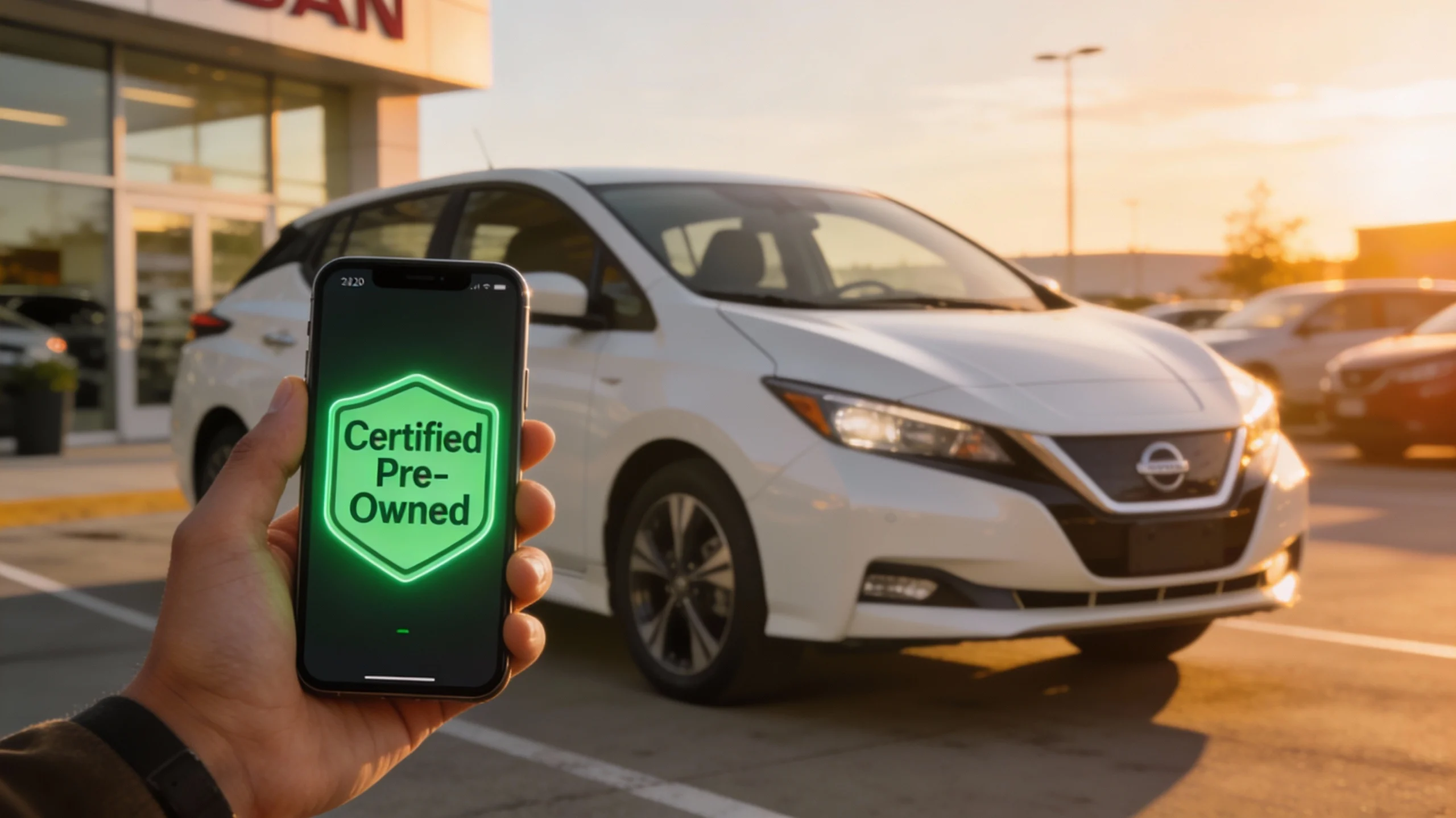
| Nissan Leaf (Plus) | 2018-2020 | 150-226 miles | $10K-$17K | Lowest entry price, proven reliability |
| Hyundai Ioniq Electric | 2017-2019 | 124 miles | $12K-$16K | Excellent efficiency, strong warranty |
| BMW i3 | 2014-2016 | 80-114 miles | $10K-$15K | Unique driving experience, carbon fiber build |
| VW e-Golf | 2015-2019 | 83-125 miles | $10K-$17K | Familiar Golf handling, German quality |
The 2017-2019 Chevy Bolt tops my list for value. You’re getting 238 miles of original EPA range, practical hatchback utility, and GM’s solid build quality. Prices typically run $14,000 to $18,000 depending on mileage and condition.
The Nissan Leaf from 2018-2020 offers even lower entry prices. Base models with 150 miles of range sell for $10,000 to $14,000. The Leaf Plus with 226 miles costs slightly more but still lands under $20,000 easily. These cars work well for city driving and short commutes despite limited range.
Hyundai Ioniq Electric models from 2017-2019 fly under most buyers’ radar. They offer 124 miles of range, excellent efficiency, and Hyundai’s strong warranty coverage. Prices range from $12,000 to $16,000. The small battery size limits their appeal, but for urban drivers who charge at home, they’re practical and reliable.
BMW i3 models present a quirky but compelling option. The carbon fiber construction and unique styling aren’t for everyone, but the driving experience is exceptional. 2014-2016 models with 80-114 miles of range sell for $10,000 to $15,000. Later years with extended range cost more but still fall within budget.
Volkswagen e-Golf models from 2015-2019 offer German engineering at bargain prices. The 2015-2016 versions had 83 miles of range, while 2017-2019 models bumped that to 125 miles. You’ll find them for $10,000 to $17,000. They drive like regular Golfs, which means predictable handling and comfortable interiors.
where to shop
Online marketplaces have transformed used car shopping. Carvana, Vroom, and similar platforms list hundreds of used EVs with detailed photos and vehicle history reports. You can filter by price, range, and location. The buying process feels streamlined compared to traditional dealerships, though you lose the ability to inspect vehicles in person before purchase.
Traditional franchise dealerships sometimes offer surprising deals on trade-in EVs. Sales staff often lack EV knowledge, which can work in your favor during negotiations. However, be prepared to educate yourself about battery health and EV-specific concerns. Don’t rely on the dealer to flag potential issues.
Independent used car lots occasionally have EVs, though selection varies dramatically by region. California, Washington, and other EV-friendly states have more inventory than rural areas. If you live in a low-EV-adoption region, expanding your search radius makes sense.
Private party sales through Facebook Marketplace or Craigslist can yield excellent deals. Individual sellers often price their EVs below market value out of ignorance or urgency. Meeting privately requires more caution and diligence, but the savings can be substantial. Always inspect thoroughly and consider paying for a pre-purchase inspection from an EV specialist.
warranty considerations
Most electric vehicles sold new in the United States came with an 8-year, 100,000-mile battery warranty. This coverage often transfers to subsequent owners, providing crucial protection for used buyers. Verify the original in-service date and current mileage to determine remaining warranty coverage.
Some manufacturers offer additional warranties or extended coverage on specific components. Chevy provided battery replacements for 2017-2022 Bolts affected by fire risks, and those replacement batteries carry fresh 8-year warranties. This actually makes certain used Bolts more valuable than originally thought.
California and several other states mandate longer warranty periods for certain emissions-related components. If you’re buying in these states, you might have more coverage than the standard federal minimum. Check your state’s specific requirements.
Consider purchasing an extended warranty for older EVs or those nearing the end of factory coverage. Companies like CarShield and Endurance offer EV-specific plans, though read the fine print carefully. Some warranties exclude battery degradation or limit coverage to complete battery failure only.
charging infrastructure reality
Before buying any used EV, honestly assess your charging situation. Home charging makes ownership dramatically easier and more economical. If you rent or live in a condo without charging access, relying solely on public charging becomes expensive and inconvenient quickly.
Installing a Level 2 home charger costs $500 to $2,000 depending on your electrical panel’s capacity and distance from your parking spot. Some utility companies offer rebates that offset installation costs. This upfront investment pays dividends in convenience and reduced charging costs compared to public options.
Public charging networks have expanded significantly, but availability varies by region. Apps like PlugShare show real-time charger locations and user reviews. Spend time researching charging density in areas you frequently visit. A 150-mile range EV works fine in Los Angeles with abundant charging. That same car might stress you out in rural Montana.
DC fast charging speeds depend on both the charger and your vehicle’s capabilities. Older EVs often max out at 50 kW charging speeds, which feels slow compared to modern 150-250 kW capable vehicles. Know your prospective EV’s charging curve and plan accordingly for road trips.
inspection checklist
Beyond battery health, inspect used EVs like any other vehicle. Check tire wear patterns for alignment issues. Test all electrical components including windows, locks, and infotainment systems. Look for signs of accident damage or poor repairs.
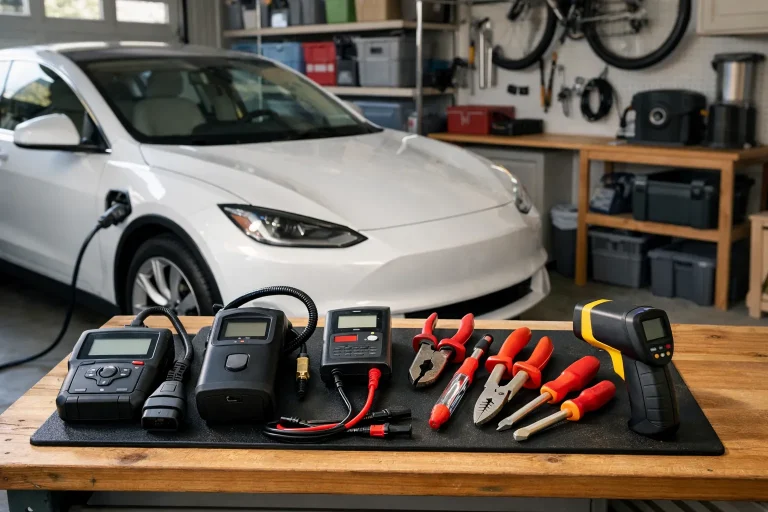
EV-specific items deserve extra attention. Examine charging ports for damage or corrosion. Test both Level 1 and Level 2 charging if possible. Verify the included charging cables work properly. Some sellers keep the good equipment and swap in damaged cables before selling.
Take a substantial test drive covering highway speeds, city traffic, and regenerative braking in various modes. Listen for unusual noises from the motor or inverter. Feel for vibrations or pulling that might indicate suspension or alignment issues. Pay attention to how climate control affects range estimation.
Request all service records and review them carefully. Regular software updates indicate a conscientious owner. Documentation of charging habits and maintenance schedules provides insights into how the vehicle was used. Missing records should raise red flags about overall care and maintenance.
final thoughts
The used EV market offers incredible value for informed buyers willing to do their homework. Understanding battery health, knowing which models hold up well, and recognizing good deals separates successful purchases from regrettable ones.
Your budget of $20,000 or less opens up surprisingly good options if you’re patient and selective. The key is matching the vehicle’s capabilities to your actual needs rather than aspirational wants. A 150-mile range EV that costs $12,000 and fits your daily routine beats a 250-mile model that stretches your budget uncomfortably.
One crucial factor that many first-time buyers overlook involves the various federal tax credits and state incentives available for electric vehicle purchases. While used EVs don’t qualify for the federal tax credit, some state and local programs offer rebates for used EV purchases. Understanding these programs can further reduce your effective purchase price and make budget-friendly electric driving even more accessible.