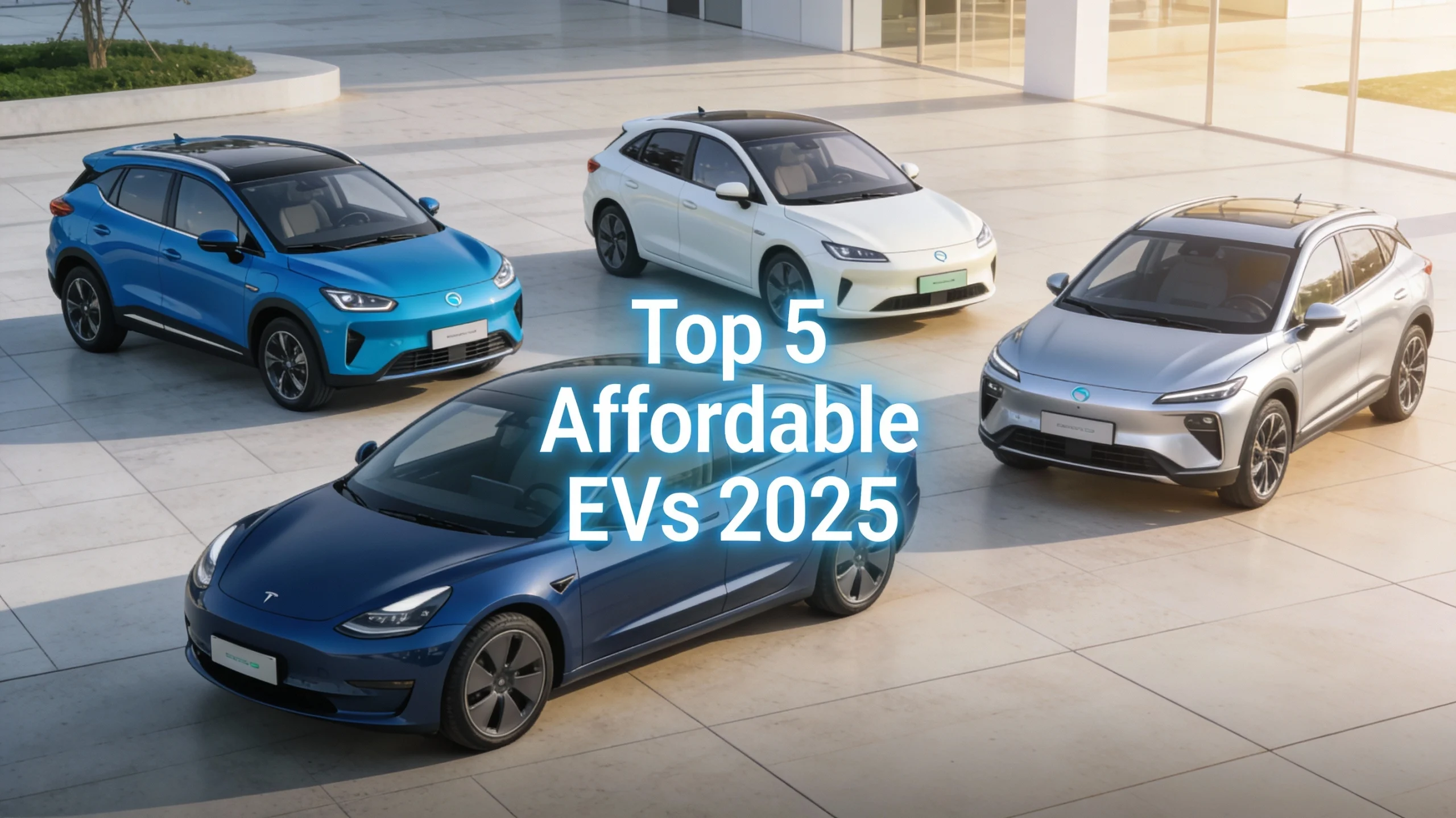
top 5 cheapest electric vehicles you can buy in 2025
The electric vehicle market has transformed dramatically over the past few years. What once seemed like an exclusive club for tech enthusiasts with deep pockets has become increasingly accessible to everyday drivers. I’ve been following this shift closely, and the affordability factor has reached a tipping point that’s hard to ignore.
Budget-conscious buyers now have legitimate options that don’t require compromising on quality or features. The 2025 model year brings several compelling choices with prices starting well below $30,000 after incentives. These aren’t stripped-down compliance cars either. We’re talking about real vehicles with decent range, modern technology, and the kind of driving experience that makes you wonder why anyone would go back to gas.
Understanding your options matters more than ever in this rapidly evolving market. Whether you’re exploring a complete guide to electric vehicles or already committed to going electric, knowing which models deliver the best value helps you make a smart purchase decision. Let me walk you through the five cheapest EVs available right now and what makes each one worth considering.
1. nissan leaf – the original budget ev
The Nissan Leaf remains one of the most affordable new electric vehicles you can buy in 2025. Starting around $28,140 before incentives, the base S trim offers 149 miles of EPA-estimated range. That’s not going to win any range wars, but for daily commuting and local errands, it’s more than sufficient.
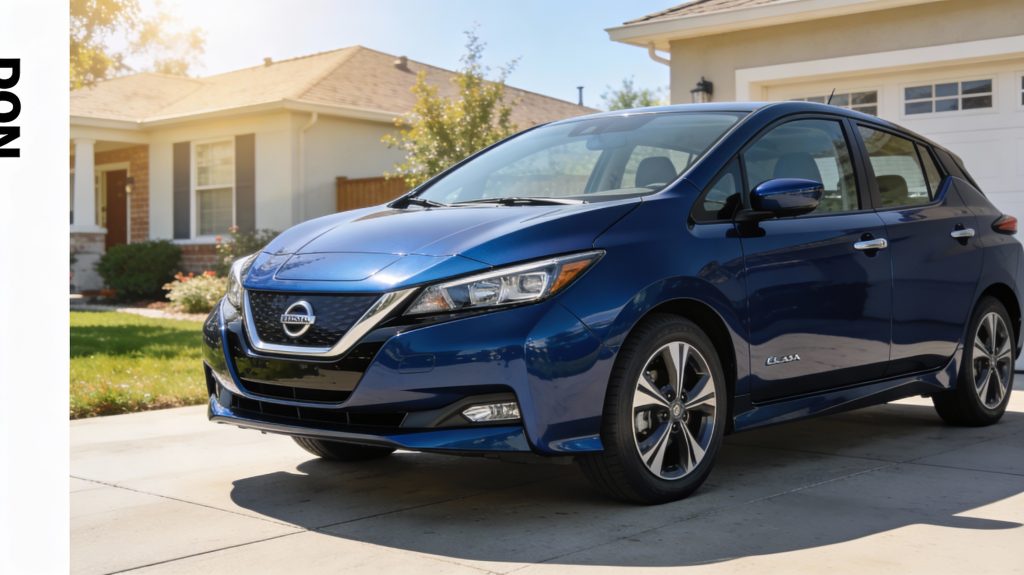
What I appreciate about the Leaf is its straightforward approach. There’s no pretense of luxury or cutting-edge design. It’s a practical hatchback that happens to be electric. The interior feels dated compared to newer competitors, but everything works exactly as you’d expect. Climate controls are physical buttons. The infotainment system responds without lag. The seats are comfortable enough for longer trips.
The SV Plus trim bumps range to 212 miles and adds more features, though it pushes the price closer to $36,000. For budget shoppers, the base model makes more sense. You’re getting proven technology with over a decade of real-world testing. Nissan has sold hundreds of thousands of Leafs globally, which means parts availability and technician familiarity are strong points.
One quirk worth mentioning is the CHAdeMO charging standard. Most newer EVs use CCS for DC fast charging, but the Leaf sticks with CHAdeMO. This limits your fast charging options somewhat, though the network still exists. For home charging and typical daily use, this won’t matter much.
2. chevrolet bolt euv – more space, still affordable
General Motors discontinued the Bolt lineup after 2023, but used models flood the market at incredible prices. I’m including it here because you can find 2022-2023 Bolt EUVs with low mileage for $18,000 to $22,000. That’s remarkable value for a vehicle with 247 miles of range.
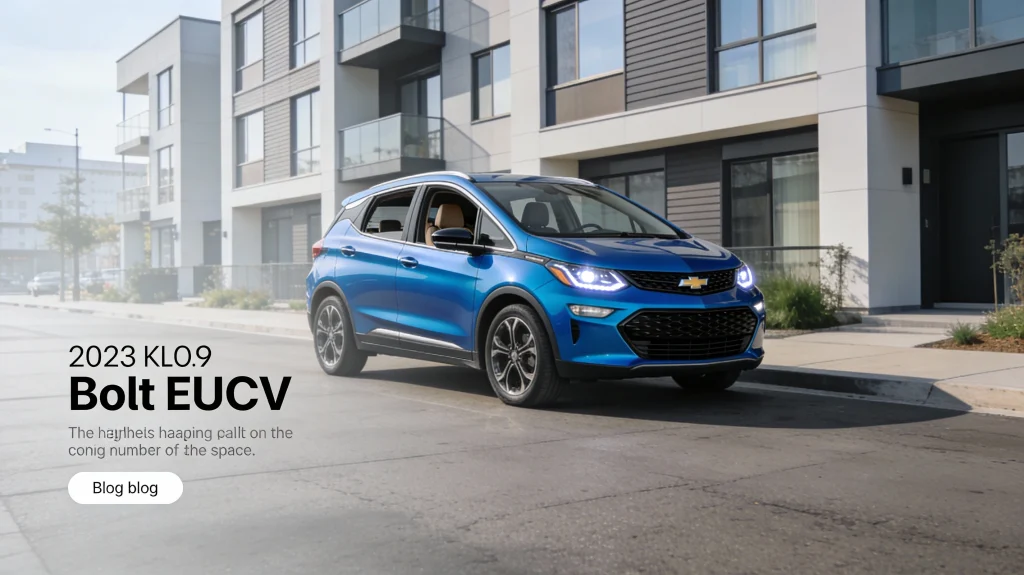
The EUV (Electric Utility Vehicle) offers more rear legroom and headroom than the standard Bolt. It’s still compact, but the extra space makes a noticeable difference for passengers. The driving position feels more SUV-like, which many buyers prefer over the standard Bolt’s lower seating.
Battery concerns plagued earlier Bolts due to fire risks, but GM replaced affected batteries under warranty. If you’re shopping used, verify the battery replacement has been completed. Post-replacement Bolts come with an eight-year, 100,000-mile battery warranty, providing solid peace of mind.
Performance surprises people. The instant torque delivers spirited acceleration that makes merging and passing effortless. Regenerative braking offers one-pedal driving that becomes second nature after a few days. The ride quality leans toward firm, but it handles well for a tall EV.
3. hyundai kona electric – the sweet spot
Hyundai’s Kona Electric lands in a sweet spot between affordability and features. The 2025 model starts around $32,875, but frequent dealer incentives and the federal tax credit can bring the effective price down significantly. You’re getting 261 miles of range in the base SE trim.
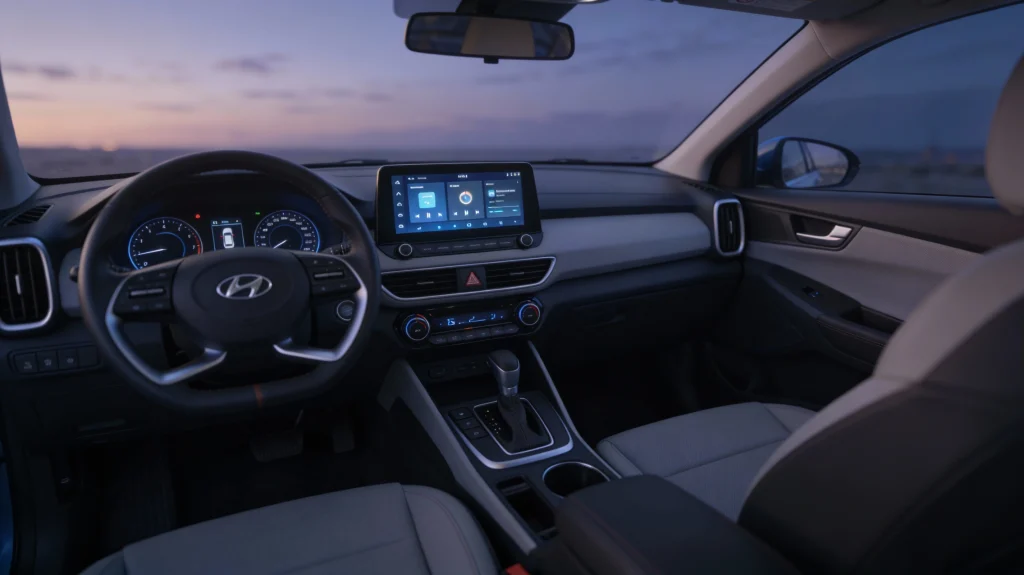
Build quality impresses. Hyundai has refined their EV game considerably, and the Kona Electric benefits from that experience. Materials feel premium for the price point. Panel gaps are tight. Everything has a solid, well-engineered feel that inspires confidence in long-term reliability.
The tech package punches above its weight class. Standard features include an 8-inch touchscreen, Apple CarPlay, Android Auto, and a decent suite of driver assistance features. Higher trims add a larger 10.25-inch display and more advanced safety tech, but the base model doesn’t feel stripped down.
Charging speed matters, and the Kona Electric supports up to 100 kW DC fast charging. That’s not the fastest available, but it’s adequate. You can add about 170 miles of range in 30 minutes at a capable fast charger. For daily use with home charging, this speed rarely becomes a limiting factor.
4. volkswagen ID.4 – european engineering on a budget
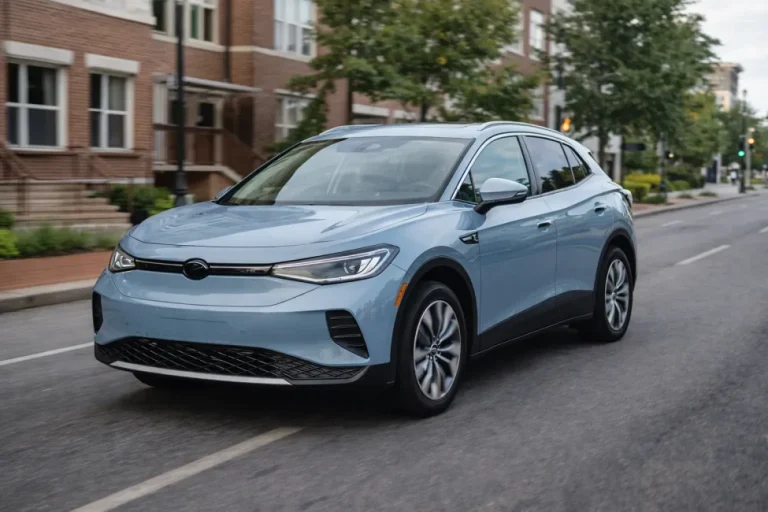
The VW ID.4 sometimes gets overlooked in budget EV discussions, but lease deals frequently make it competitive. I’ve seen offers as low as $299 per month with minimal down payment. Purchase prices for the base Standard trim start around $38,995, though that’s before the $7,500 federal credit.
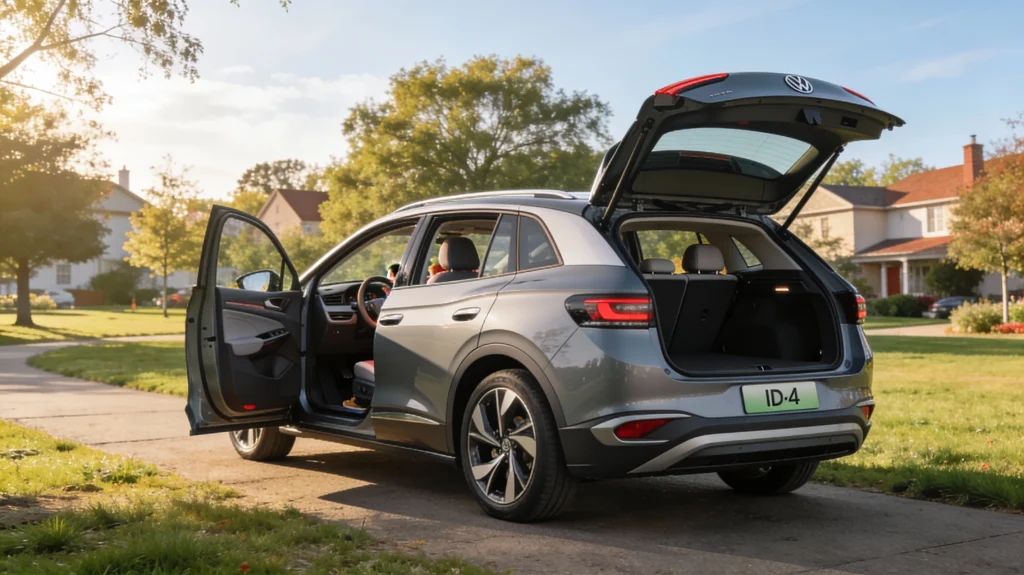
What sets the ID.4 apart is the driving experience. This feels like a proper Volkswagen, with composed handling, a comfortable ride, and intuitive controls. The interior space is generous, with a roomy back seat and a practical cargo area. It’s genuinely family-friendly in ways that smaller EVs struggle to match.
Range depends on trim and battery size. The Standard model offers 206 miles, while the Pro models push that to 275 miles. For budget shoppers, the Standard makes sense if your daily driving stays local. The range gap matters less than you might think for typical commuting patterns.
The infotainment system frustrates some reviewers with its touch-sensitive controls for climate and volume. I found it acceptable after an adjustment period, though I understand the criticism. Physical buttons would be better. This is a minor complaint in an otherwise well-executed package.
5. ford mustang mach-E – surprising affordability
Hear me out on this one. The Mustang Mach-E Select trim starts around $39,995, which seems high until you factor in the full $7,500 federal tax credit. That brings the effective price to $32,495 for a vehicle with 250 miles of range and legitimate crossover utility.
Ford’s dealer network provides an advantage over newer EV brands. Service availability matters when something goes wrong. You’re not shipping your car across state lines or waiting weeks for a mobile technician. Any Ford dealer can handle basic service and many warranty items.
The Mach-E drives better than its size suggests. Ford tuned it for engaging handling without sacrificing comfort. It feels substantial and planted at highway speeds. The interior quality matches or exceeds many luxury crossovers. Attention to detail shows in the materials, fit, and finish.
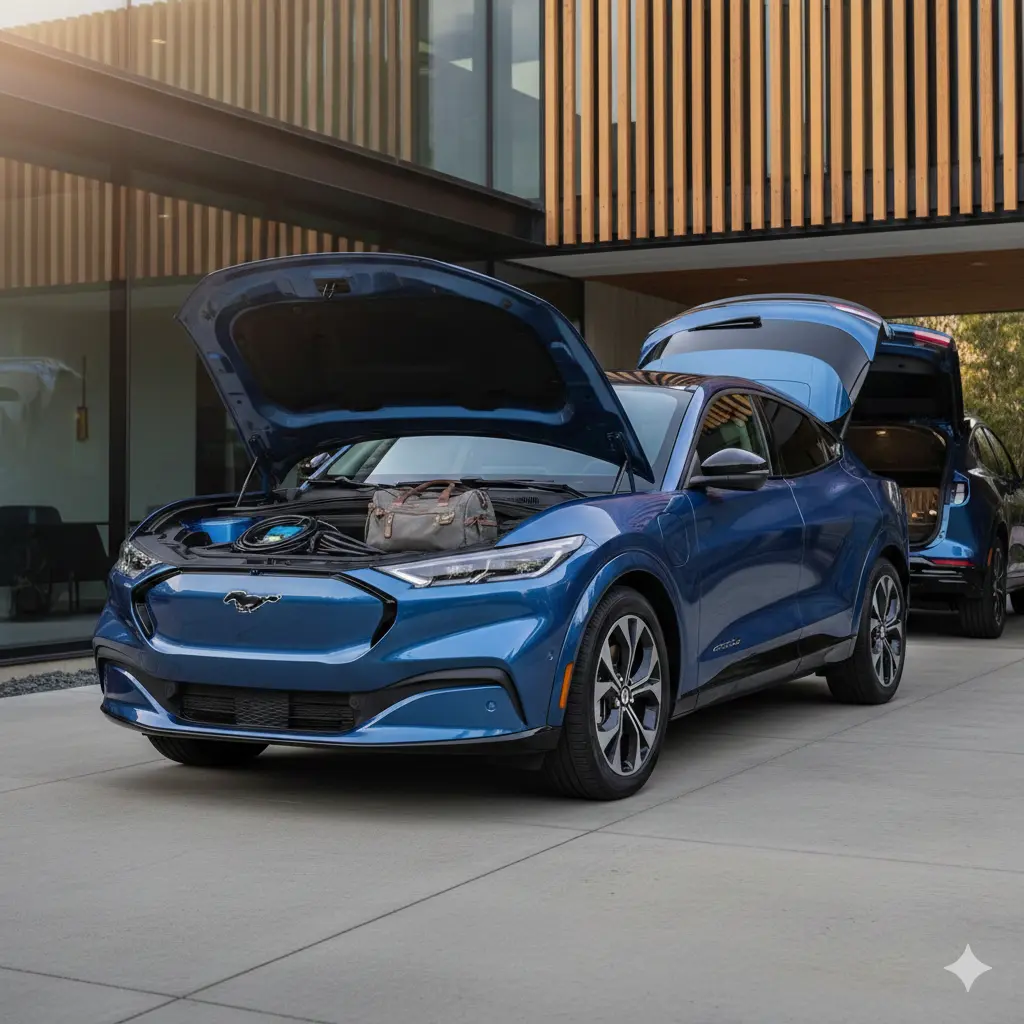
Cargo space is practical with the rear seats up and cavernous with them folded. The front trunk adds extra storage for charging cables and smaller items. This is a vehicle you can actually use for road trips, Home Depot runs, and everything between.
making your choice
Each of these five EVs brings something different to the table. The Nissan Leaf offers proven reliability and the lowest entry price. The Chevy Bolt EUV provides incredible used value. The Hyundai Kona Electric balances features and affordability. The VW ID.4 delivers European refinement. The Ford Mustang Mach-E surprises with its accessible pricing and capability.
Your specific needs matter more than any ranking. Consider your typical driving distances, charging access, passenger requirements, and budget constraints. Test drive multiple options if possible. The right choice depends on how you’ll actually use the vehicle.
One factor that significantly impacts the true cost of any EV purchase involves federal tax credits and state incentives. These programs can reduce your effective purchase price by thousands of dollars, making even mid-range EVs competitive with budget gas cars. Understanding how to maximize these benefits ensures you’re getting the best possible deal on your next electric vehicle.