Is an ev under $30k worth it? buyer decision guide
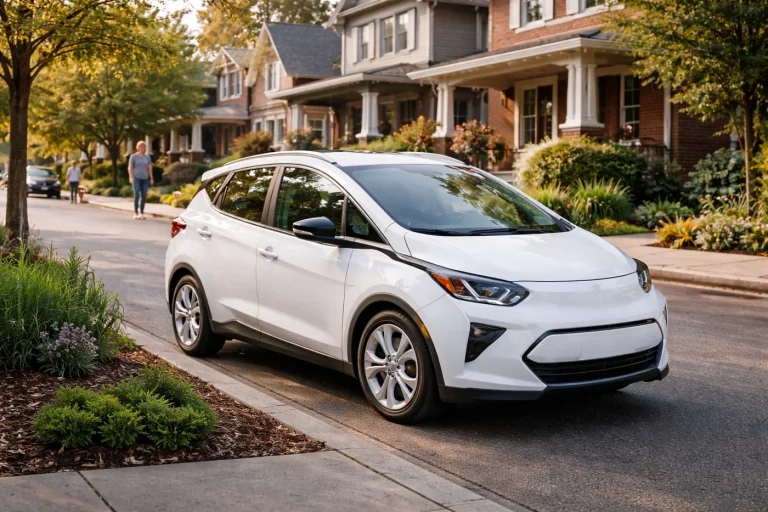
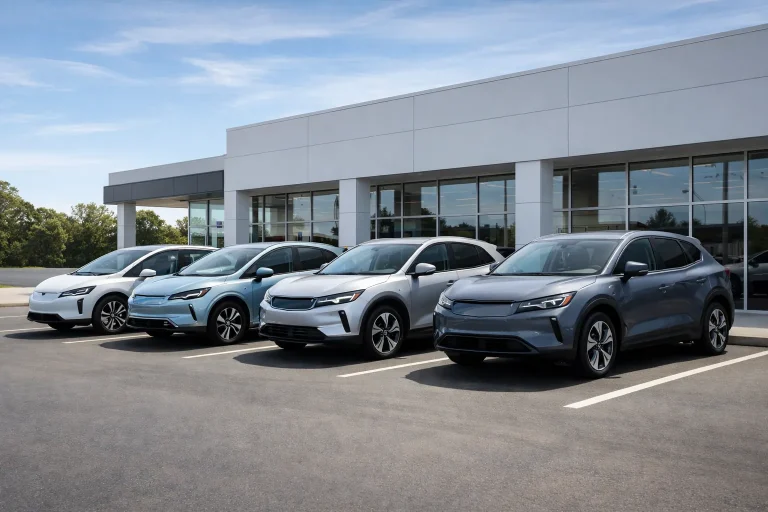
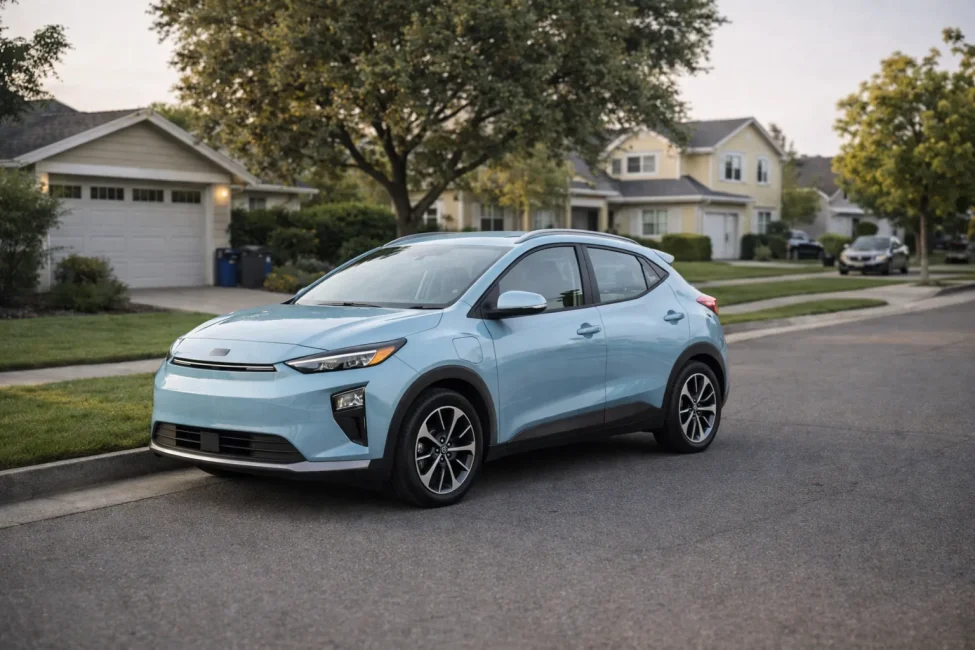
Electric vehicles have become far more accessible than most people realize. Advances in battery technology, lower manufacturing costs, and expanding incentives have pushed prices down to levels that now compete with traditional gasoline cars. Today, many buyers can realistically consider Affordable ev models under $30k in the u.s. without sacrificing reliability, range, or everyday usability.
Compact electric vehicles are no longer niche products for early adopters. They are practical tools for commuting, family use, and daily life. Understanding how these vehicles fit real budgets is the first step toward making a confident buying decision.
What buyers usually worry about
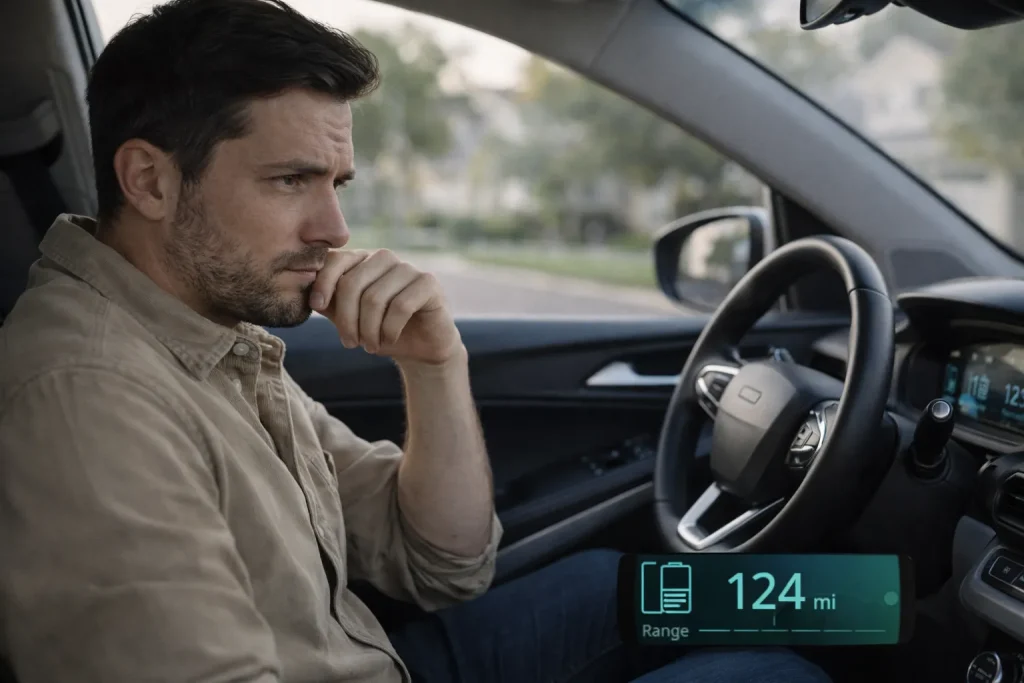
Most buyers considering an affordable EV share similar concerns. Range anxiety is often the first worry, followed by charging availability and battery lifespan. Others wonder whether EVs are reliable long-term or if hidden costs will appear later.
These concerns are understandable, especially for first-time EV buyers. However, many of these fears are based on outdated information rather than current reality.
Understanding what has changed helps clarify whether affordable EVs are a smart choice today.
Real-world range vs daily driving needs
One of the biggest misconceptions about EVs is that they need extreme range to be practical. In reality, most drivers travel far less than they think on a daily basis.
Affordable EVs typically offer enough range to cover commuting, errands, and weekend activities without issue. With home charging, the vehicle starts each day fully charged, eliminating the need to think about range most of the time.
For everyday driving, range anxiety often disappears within the first few weeks of ownership.
Charging convenience and accessibility
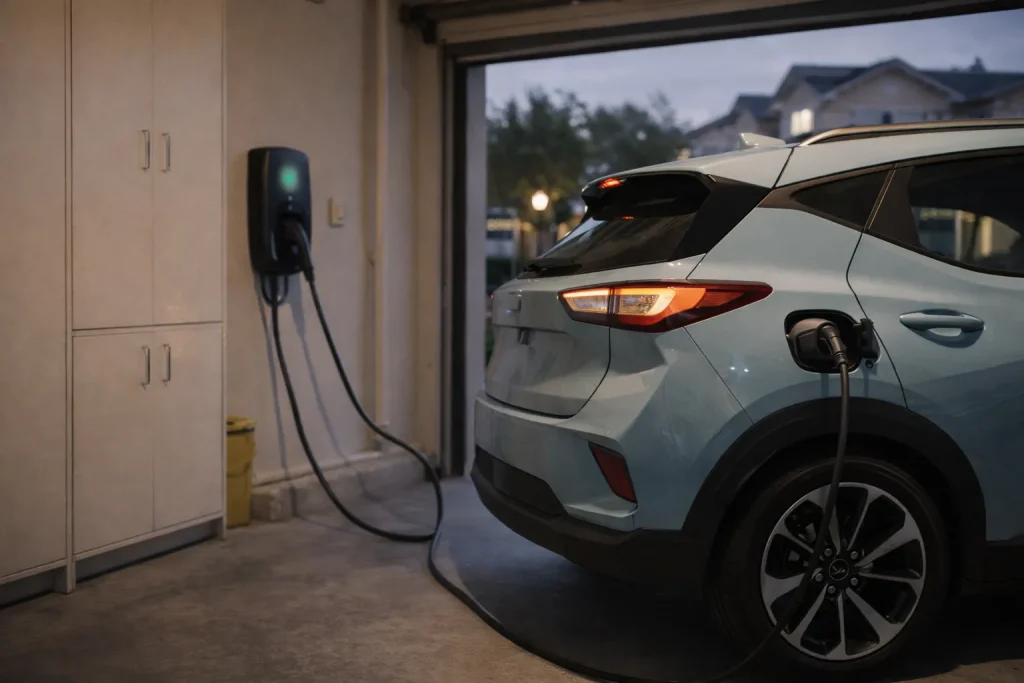
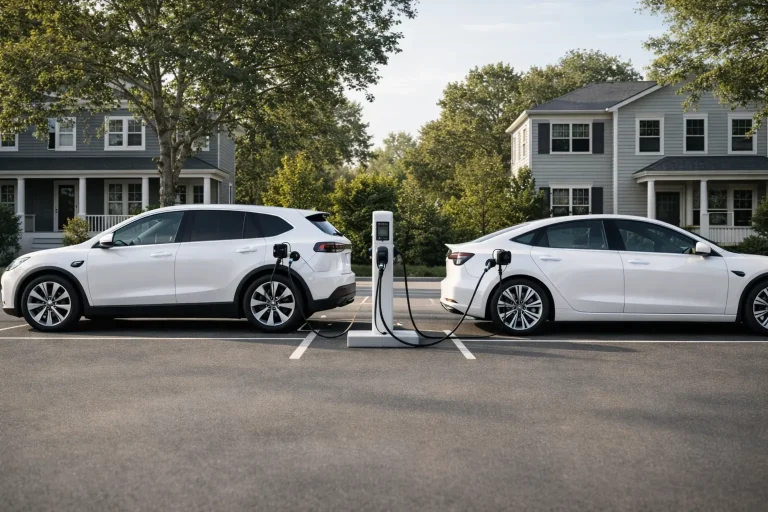
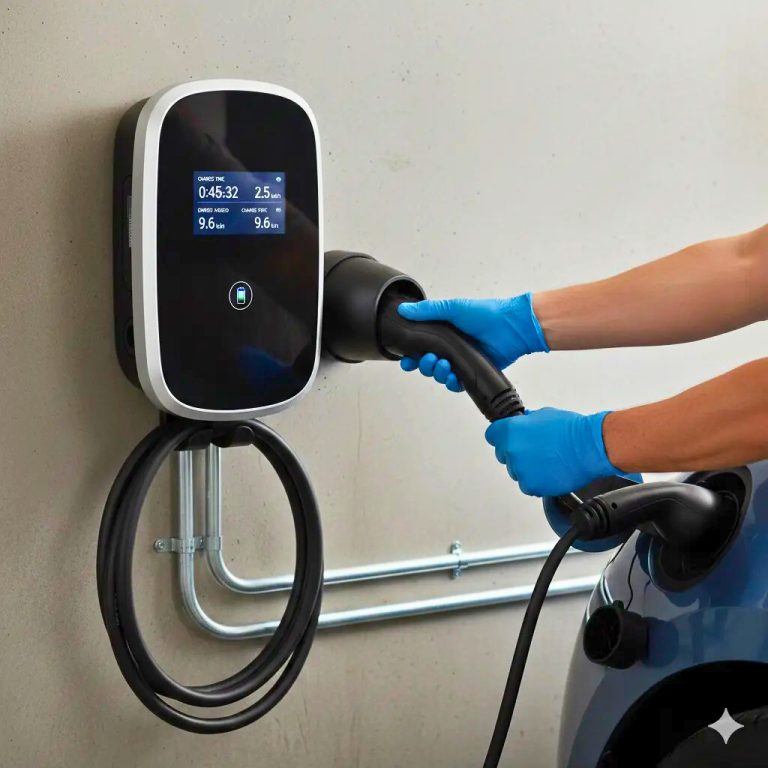
Charging is another area where perception often differs from reality. Home charging changes the entire ownership experience. Plugging in overnight replaces fuel stops entirely for most daily driving.
Public charging continues to expand, providing additional flexibility for longer trips. While fast charging is not always perfect, it is improving steadily and becoming more reliable.
For drivers with access to home or workplace charging, EV ownership is often more convenient than owning a gasoline vehicle.
Cost comparison: ev vs gasoline over time

When evaluating whether an EV under $30k is worth it, total cost of ownership matters more than purchase price alone. Electricity is generally cheaper than gasoline, and EVs require far less maintenance.
There are no oil changes, fewer mechanical components, and reduced brake wear. Over several years, these savings can be substantial.
For many buyers, lower operating costs make affordable EVs financially competitive even when purchase prices are similar to gasoline vehicles.
Reliability and battery lifespan
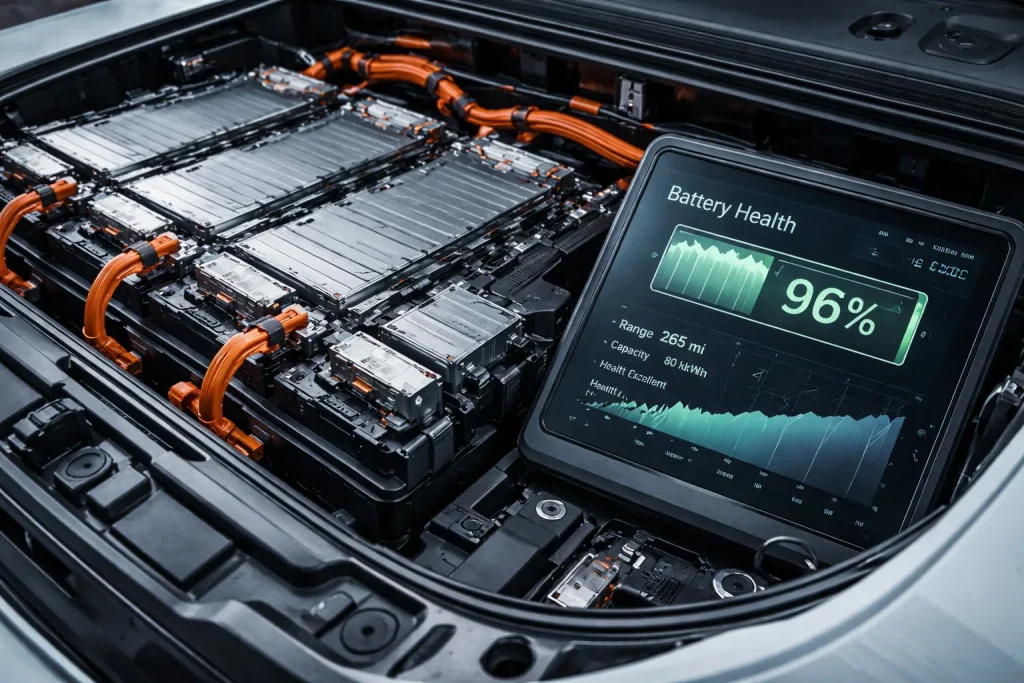
Modern EV batteries are designed to last far longer than many people expect. Most lose capacity gradually rather than failing suddenly. Many vehicles still retain strong range well into their second decade of use.
Battery warranties provide additional peace of mind, often covering major issues for many years. As battery technology improves, long-term reliability continues to increase.
For buyers concerned about durability, EVs have proven to be more resilient than early skeptics predicted.
Lifestyle fit: who benefits most from an affordable ev

Affordable EVs are especially well suited for drivers with predictable routines. Commuters, city drivers, and households with a second vehicle often benefit the most.
Drivers who can charge at home and do not frequently travel long distances without planning tend to have the best experience. For these buyers, EV ownership feels effortless rather than restrictive.
Understanding lifestyle compatibility is more important than focusing on specifications alone.
When an ev under $30k may not be ideal
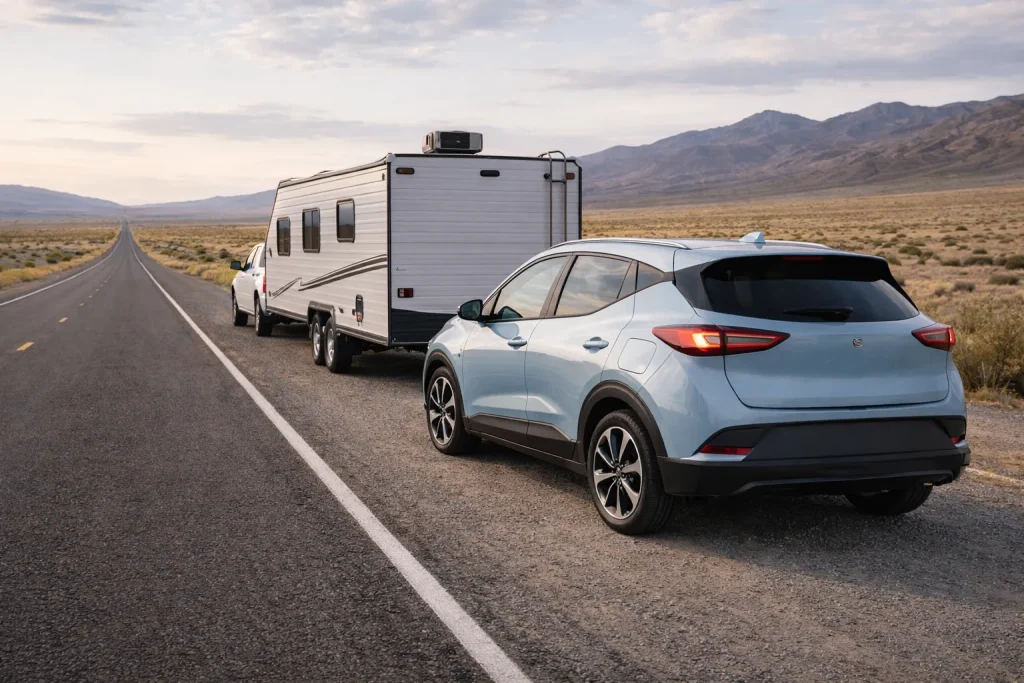
Affordable EVs are not perfect for every situation. Drivers who regularly tow heavy loads, travel extremely long distances without charging access, or live without reliable charging options may face challenges.
In these cases, a hybrid or efficient gasoline vehicle may still be a better fit. Honest assessment of driving habits is essential before making a decision.
Choosing the right vehicle means matching technology to real-world needs.
How incentives and leasing change the equation

Tax credits, incentives, and leasing options can dramatically improve affordability. Many buyers are surprised by how much the final cost drops after incentives are applied.
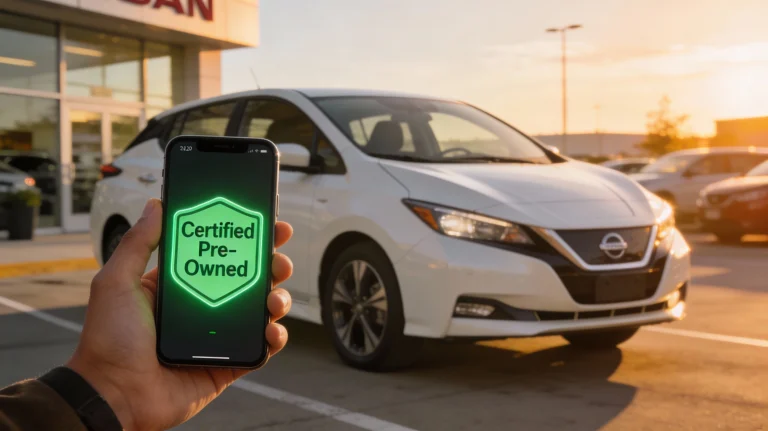
Leasing can further reduce monthly payments and eliminate concerns about long-term ownership. These options make EVs under $30k accessible to a wider audience than ever before.
This is why many models featured in Affordable ev models under $30k in the u.s. now compete directly with traditional vehicles on price.
Final decision checklist for buyers
Before deciding, buyers should consider:
- Daily driving distance
- Access to home or workplace charging
- Long-term cost savings
- Lifestyle compatibility
- Available incentives or lease offers
Answering these questions honestly helps clarify whether an affordable EV is the right choice.
Conclusion

An EV under $30k is absolutely worth it for many drivers. When matched with the right lifestyle and charging access, affordable electric vehicles offer lower operating costs, quiet driving, and reduced maintenance without sacrificing practicality.
As part of Affordable ev models under $30k in the u.s., these vehicles prove that electric mobility is no longer a premium concept. For the right buyer, an affordable EV is not just worth it — it is often the smarter long-term choice.
Written by Michael Carter
Senior Automotive Analyst | Used Car Expert | Lead Editor at AutoBrief USA (g4car.com)
Data-Driven Automotive Insights