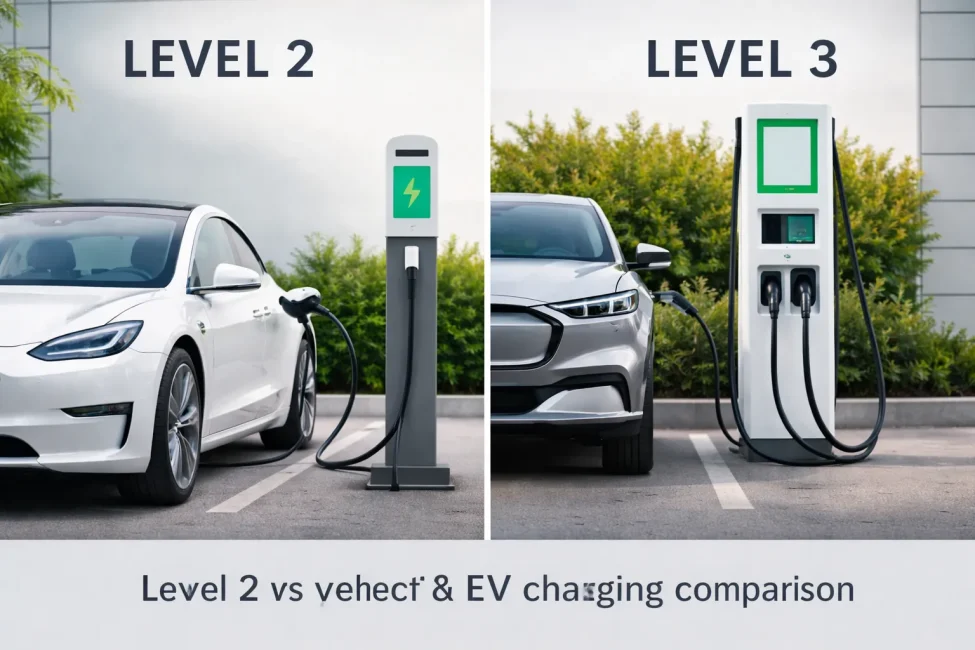
Level 2 vs level 3 EV charging — which one fits uour lifestyle?
Charging is one of the most important topics for anyone considering an electric vehicle. While range often gets the spotlight, the reality of EV ownership depends heavily on how and where you charge. For most drivers, the choice comes down to two main options: Level 2 charging and Level 3 charging.
Understanding the difference between these charging levels can help drivers avoid unnecessary costs, reduce anxiety, and choose a setup that fits their daily routines. Each option serves a different purpose, and neither is universally better than the other.
Within the broader guide Affordable ev models under $30k in the u.s., charging choices play a key role in determining how convenient and affordable electric ownership really is.
What is level 2 ev charging

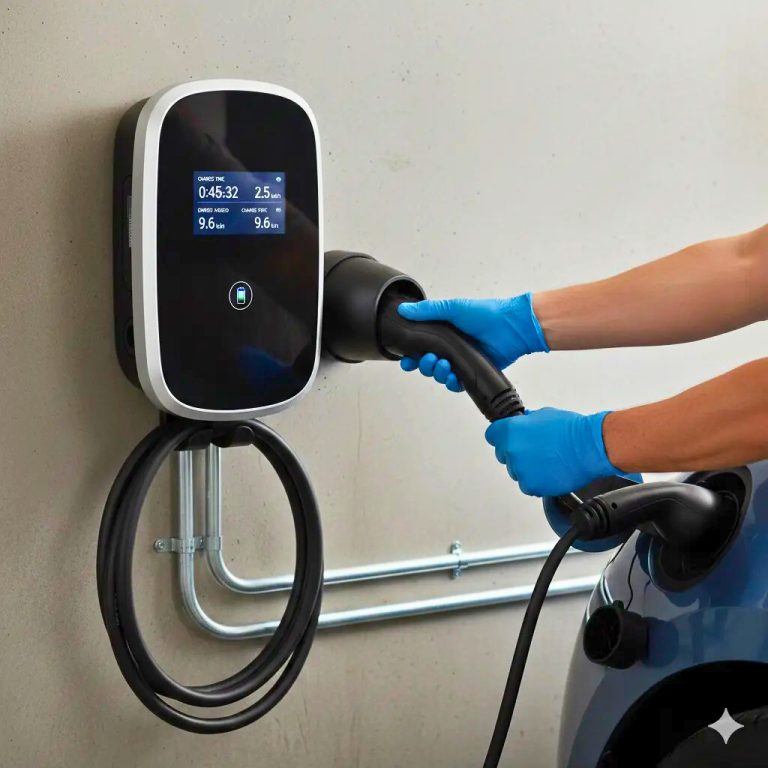
Level 2 charging is the most common form of home and workplace charging for electric vehicles. It uses a higher-voltage connection than a standard household outlet and significantly reduces charging time compared to basic plugs.
Most Level 2 chargers can fully recharge an electric vehicle overnight. This makes them ideal for daily use, especially for commuters who drive predictable distances. Plugging in at night and starting each day with a full battery quickly becomes routine.
Level 2 charging is often installed at home, apartment complexes, offices, and public parking areas.
What is level 3 ev charging
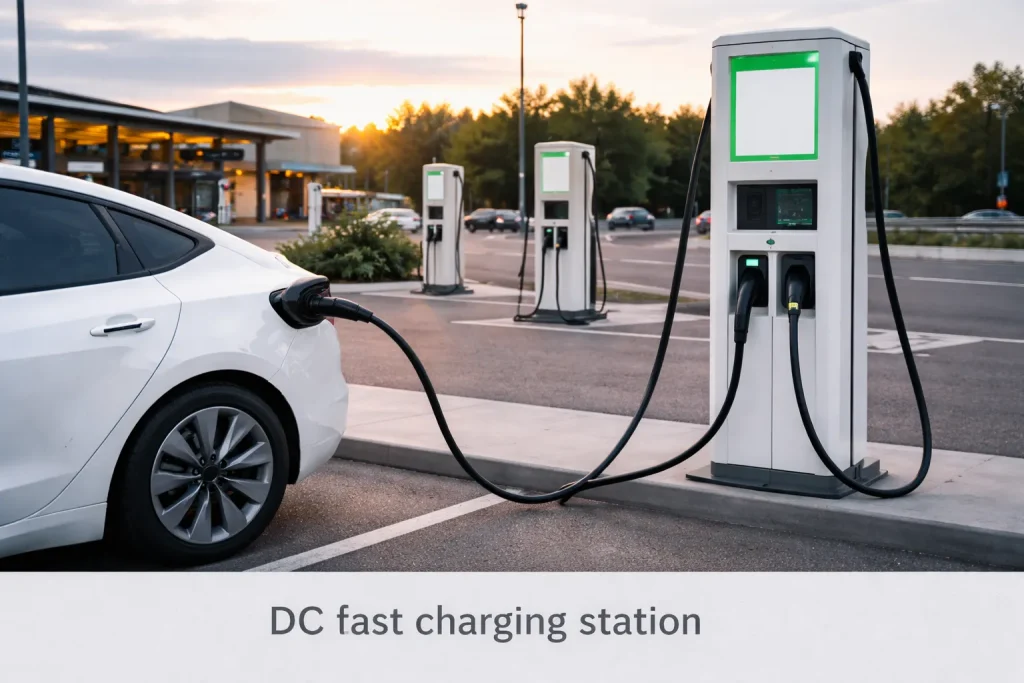
Level 3 charging, also known as DC fast charging, is designed for speed. These chargers deliver high power directly to the vehicle’s battery, allowing drivers to add significant range in a short amount of time.
Level 3 charging is most commonly found along highways, at major travel hubs, and in urban fast-charging stations. It is especially useful for long trips or situations where drivers need to recharge quickly.
While convenient, Level 3 charging is not typically used for daily charging due to higher costs and limited availability compared to Level 2.
Charging speed: the real-world difference
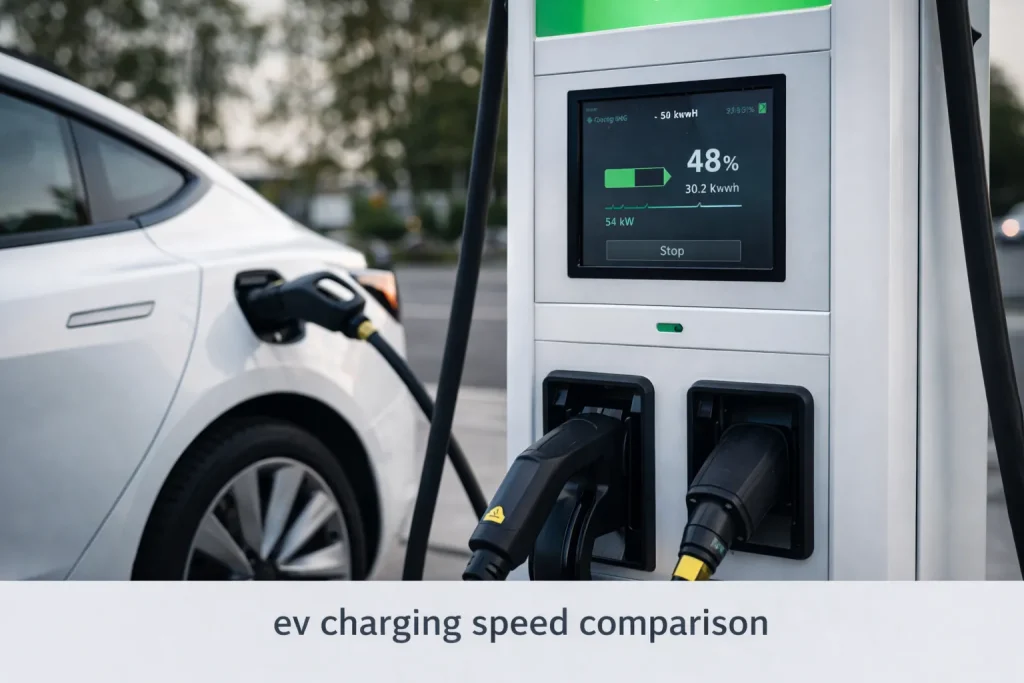
The biggest difference between Level 2 and Level 3 charging is speed. Level 2 charging typically adds enough range overnight to cover daily driving needs. For most commuters, this is more than sufficient.
Level 3 charging can add hundreds of miles of range in under an hour, depending on the vehicle and charger. This makes it ideal for road trips or unexpected longer drives.
In everyday life, most drivers rely primarily on Level 2 charging and use Level 3 charging occasionally.
Cost comparison: home vs fast charging
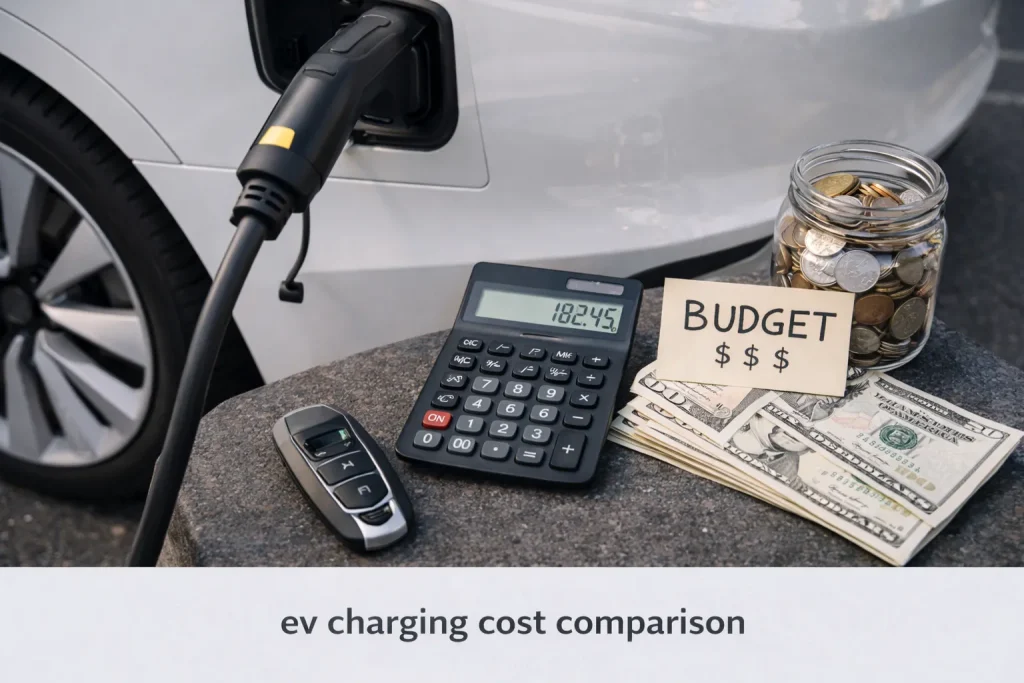
Cost is another important factor when choosing between Level 2 and Level 3 charging. Level 2 charging at home is generally the most affordable option. Electricity rates are lower than gasoline costs, and overnight charging often takes advantage of off-peak pricing.
Level 3 charging is more expensive. Public fast chargers typically charge per kilowatt-hour or per session, and prices can vary widely by location. While still cheaper than gasoline in many cases, fast charging is not the most cost-efficient option for daily use.
For budget-focused drivers, minimizing reliance on Level 3 charging helps keep ownership costs low.
Convenience and daily habits
Level 2 charging fits naturally into daily routines. Drivers simply plug in at home or work and rarely think about charging again. This convenience is one of the biggest advantages of electric ownership.
Level 3 charging requires more planning. Drivers must locate fast chargers, consider availability, and sometimes wait for access. While useful, it is less seamless than home charging.
Choosing the right charging method depends largely on driving habits and access to home or workplace charging.
Battery health considerations
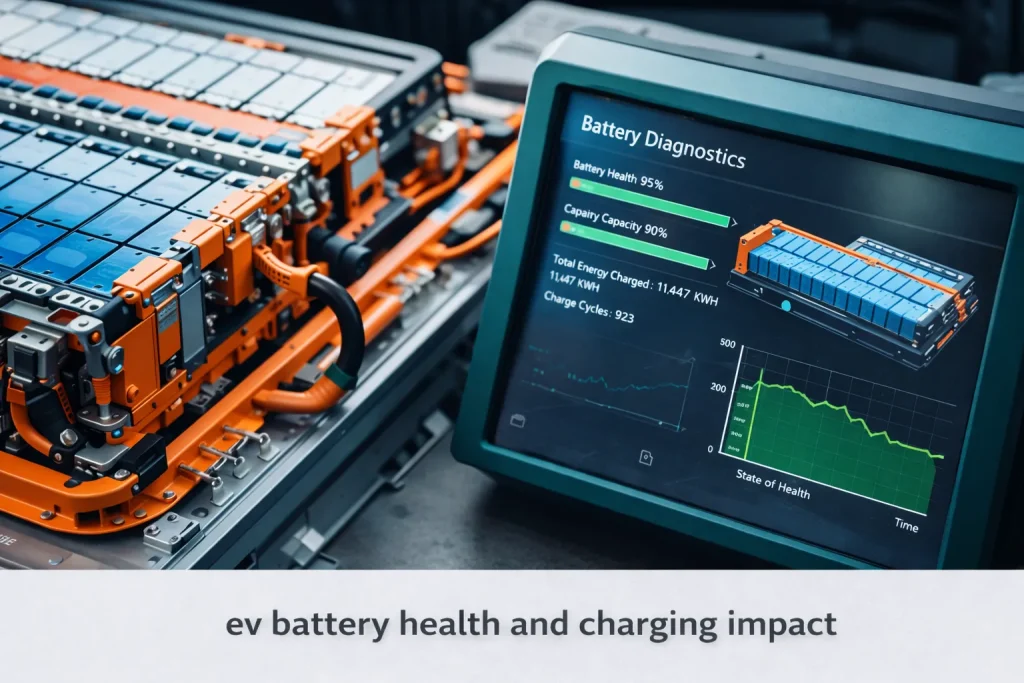
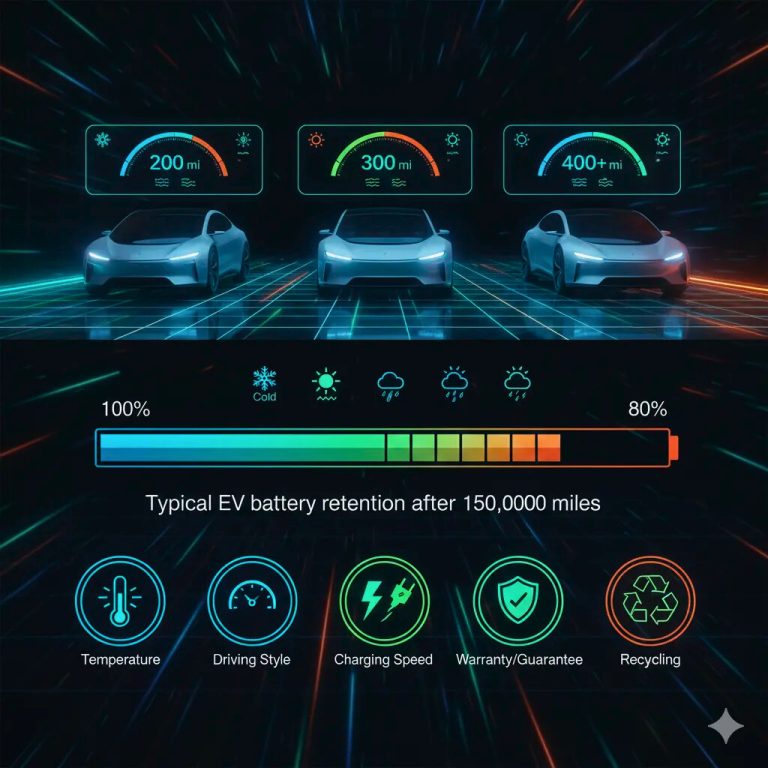
Frequent use of Level 3 fast charging can affect battery health over time. While modern EV batteries are designed to handle fast charging, repeated high-speed charging generates more heat and stress.
Level 2 charging is gentler on batteries and is generally recommended for regular use. Many manufacturers suggest using fast charging primarily when needed rather than as a daily habit.
For drivers planning long-term ownership, balancing charging speed and battery care is important.
Which charging option fits different lifestyles
Level 2 charging is best suited for drivers who have access to home or workplace charging and drive consistent daily distances. It supports predictable routines and keeps costs low.
Level 3 charging is ideal for drivers who travel long distances frequently, live without home charging access, or need quick top-ups on the road.
Most EV owners benefit from using both options strategically rather than relying exclusively on one.
How charging choice affects affordable ev ownership
Charging decisions directly impact the affordability of electric vehicles. Drivers who rely primarily on Level 2 charging enjoy the lowest operating costs and the most convenient ownership experience.
For buyers considering Affordable ev models under $30k in the u.s., understanding charging options helps avoid unexpected expenses and ensures that electric ownership remains budget-friendly.
Charging infrastructure continues to improve, making both options more accessible over time.
Common mistakes new ev owners make
Some new EV owners overestimate their need for fast charging and underestimate the convenience of home charging. Others delay installing Level 2 chargers, relying too heavily on public infrastructure.
Planning charging early and understanding real-world needs can prevent frustration and unnecessary costs.
Conclusion
Level 2 and Level 3 charging serve different purposes, and the best choice depends on lifestyle, driving habits, and access to charging locations. Level 2 charging offers affordability and convenience for daily use, while Level 3 charging provides flexibility for longer trips and time-sensitive situations.
As part of Affordable ev models under $30k in the u.s., understanding charging options helps drivers make smarter, more confident decisions about electric ownership. Choosing the right charging strategy ensures that owning an electric vehicle remains simple, practical, and affordable.
Written by Michael Carter
Senior Automotive Analyst | Used Car Expert | Lead Editor at AutoBrief USA (g4car.com)
Data-Driven Automotive Insights