Warning signs of transmission problems in used cars
Transmission failures rank among the most expensive repairs facing used car owners, often costing $3,000 to $7,000 to rebuild or replace. During test drives, subtle symptoms like delayed engagement, hard shifting between gears, or unusual whining noises signal developing problems. Fluid condition tells an equally important story—dark, burnt-smelling transmission fluid or visible metal particles indicate serious internal wear. A complete pre-owned vehicle checklist always includes thorough transmission evaluation through multiple driving scenarios. Identifying these red flags early protects your investment and provides powerful negotiation leverage or reasons to walk away entirely.
delayed engagement: the first warning sign
The moment you shift from park into drive or reverse should produce immediate transmission engagement. I mean immediate. If you’re counting seconds between shifting and feeling the transmission engage you’ve got a problem developing.Normal engagement happens within half a second. Anything longer indicates worn clutch packs in automatic transmissions or hydraulic pressure issues. I test this every time I look at a used car. Shift to drive and count. Shift to reverse and count. Do this with a cold transmission and again after driving 15 minutes.
The delay often worsens as transmissions warm up or happens only when cold depending on the specific failure mode. Some transmissions show 2-3 second delays that feel like the car isn’t going to move at all. That’s a transmission living on borrowed time.
This problem rarely fixes itself. Delayed engagement progressively worsens until the transmission fails completely. Budget $2,500 to $5,000 for rebuild or replacement if you’re experiencing consistent delays. Better yet walk away from any used car showing this symptom unless the price reflects a needed transmission replacement.
harsh or erratic shifting
Smooth shifting is the hallmark of healthy automatic transmissions. You should barely notice the transmission moving between gears during normal acceleration. Shifts should feel like gentle waves not abrupt jolts.
Hard shifts that jerk the vehicle indicate transmission control problems. These can stem from failed solenoids, worn clutch packs, or computer control issues. Sometimes a software update fixes erratic shifting but usually it signals internal wear requiring major service.
Pay attention to shift points too. Transmissions should upshift at consistent engine RPMs under similar throttle conditions. If the transmission randomly shifts at 2,500 RPM sometimes and 4,000 RPM other times something is wrong with the control system or internal components.
Downshifts matter equally. When you accelerate moderately the transmission should downshift smoothly to provide power. Hesitation followed by a harsh downshift or refusal to downshift at all points to problems. I test this by accelerating moderately at 40 mph then pressing the accelerator halfway down. The transmission should smoothly drop one or two gears.Manual transmissions have their own shifting issues. Grinding when shifting even with the clutch fully depressed indicates synchronizer wear. This repair costs $1,200 to $2,500 depending on how many gears are affected. Difficulty getting into specific gears like reverse or first also signals synchronizer problems.
slipping between gears
Transmission slipping feels like the engine revs increase without corresponding vehicle acceleration. You press the accelerator and the RPMs climb but the car doesn’t speed up proportionally. Then suddenly the transmission catches and the car lurches forward.
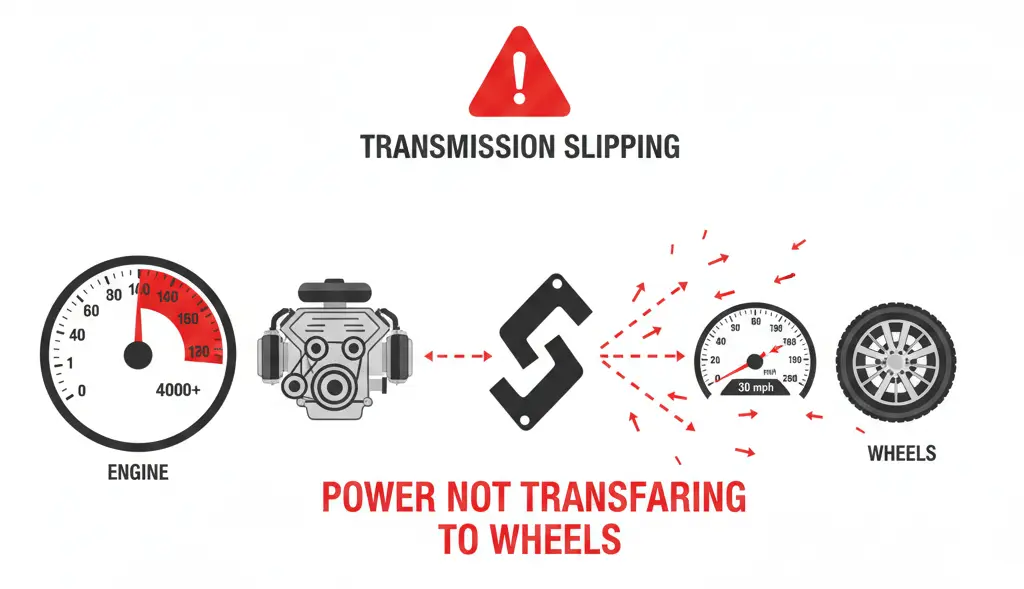
This happens when clutch packs or bands inside the transmission can’t maintain proper grip. Worn friction material causes slipping under load. The problem typically worsens over time and eventually leads to complete transmission failure.
Testing for slipping requires moderate to heavy acceleration. On a highway on-ramp I accelerate firmly watching the tachometer and feeling the vehicle response. The RPMs should climb steadily in proportion to vehicle speed. Any sudden RPM jumps without speed increases indicate slipping.
Some transmissions slip only in specific gears. You might notice second to third gear slips but other gears work fine. This doesn’t mean the transmission is mostly good. It means one clutch pack is failing and the others will follow. Rebuilding addresses all internal components not just the currently slipping parts.
Slipping causes additional damage quickly. The friction from slipping generates heat that breaks down transmission fluid and damages other components. What starts as minor slipping in one gear rapidly becomes complete transmission failure across all gears.
unusual noises and sounds
Transmissions should operate nearly silently. Any whining, grinding, or clunking noises deserve immediate investigation. Different sounds indicate different problems and some are more serious than others.
Whining that increases with engine RPM often indicates pump problems or low fluid levels. I check the transmission fluid immediately when I hear whining. Low fluid causes pump cavitation creating the whining sound. If fluid level is correct the pump itself may be failing.
Grinding noises during shifting in manual transmissions mean synchronizer or gear damage. This is expensive to repair requiring transmission disassembly. Grinding in automatic transmissions indicates severe internal damage usually requiring complete replacement.
Clunking when shifting from park to drive or reverse suggests worn transmission mounts or internal component damage. I test this by shifting between drive, neutral, and reverse while someone listens near the transmission. Distinct clunking with each shift change indicates mount or internal problems.
Humming or buzzing that changes with vehicle speed rather than engine RPM often points to differential or bearing issues within the transmission housing. These components live in the same fluid as transmission gears and their failure contaminates everything requiring full transmission service.
fluid condition tells the story
Transmission fluid condition reveals internal health better than almost any other indicator. Healthy automatic transmission fluid is bright red or pink and smells slightly sweet. Any deviation from this indicates problems.
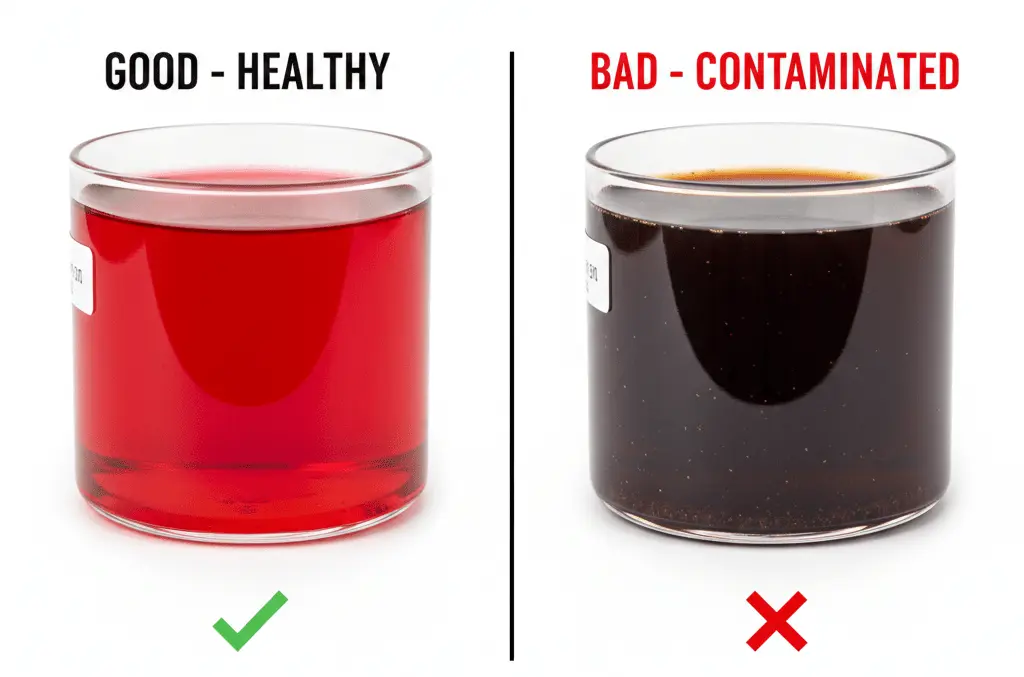
Dark brown or black transmission fluid means overheating has broken down the fluid. This happens from towing heavy loads, aggressive driving, or internal transmission slipping that generates excessive heat. Once fluid darkens its protective properties diminish and transmission wear accelerates.
Burnt smell is even worse. If transmission fluid smells burnt the transmission has experienced severe overheating. Burnt fluid indicates damaged clutch packs, bands, or seals. This damage rarely exists in isolation. Where there’s burnt fluid there’s usually extensive internal damage.
Metal particles in fluid confirm internal wear. I check this by rubbing fluid between my fingers feeling for grit or by holding a magnet in the fluid looking for metallic debris. Any metal particles mean components are wearing and contaminating the entire system.
Milky or foamy fluid indicates coolant contamination. Transmissions cool through a heat exchanger in the radiator. When this heat exchanger fails coolant mixes with transmission fluid. This contamination destroys transmission components rapidly and requires immediate service before complete failure.
leaking fluid and fluid levels
Transmission fluid leaks create multiple problems beyond just low fluid levels. Leaks indicate failing seals or gaskets and low fluid causes slipping, overheating, and premature wear.
Check for transmission fluid under vehicles after they’ve been parked. Red or pink fluid puddles mean transmission leaks. Common leak points include the pan gasket, output shaft seals, cooler lines, and torque converter seal.
Small leaks seem manageable but they worsen over time. A seal leaking drops today will leak ounces tomorrow and quarts next month. I’ve seen transmissions fail completely because owners ignored small leaks until the fluid level dropped too low.
Checking transmission fluid level varies by vehicle. Many newer cars don’t have dipsticks requiring dealer equipment to check levels. Older vehicles have dipsticks that should show fluid level in the crosshatch area when hot. Low fluid regardless of cause requires immediate attention and leak repair.
Some people just add fluid without fixing leaks. This masks the problem temporarily but doesn’t address the root cause. Leaks also expose transmission internals to dirt and moisture contamination through the same gap that fluid escapes. Fix the leak properly rather than constantly adding fluid.
warning lights and diagnostic codes
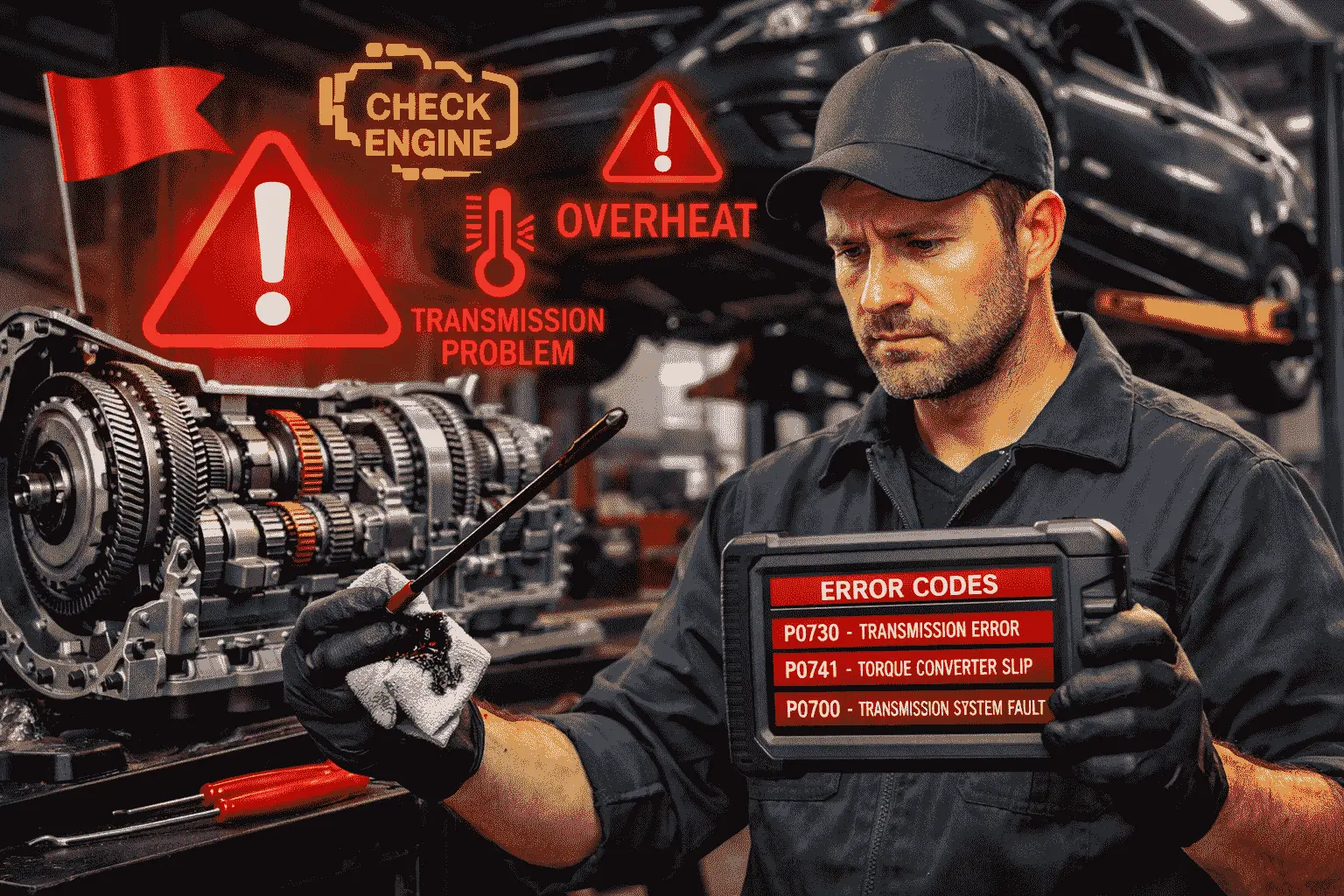
Modern vehicles monitor transmission function electronically and illuminate warning lights when problems occur. The check engine light often triggers from transmission issues. Some vehicles have dedicated transmission warning lights.
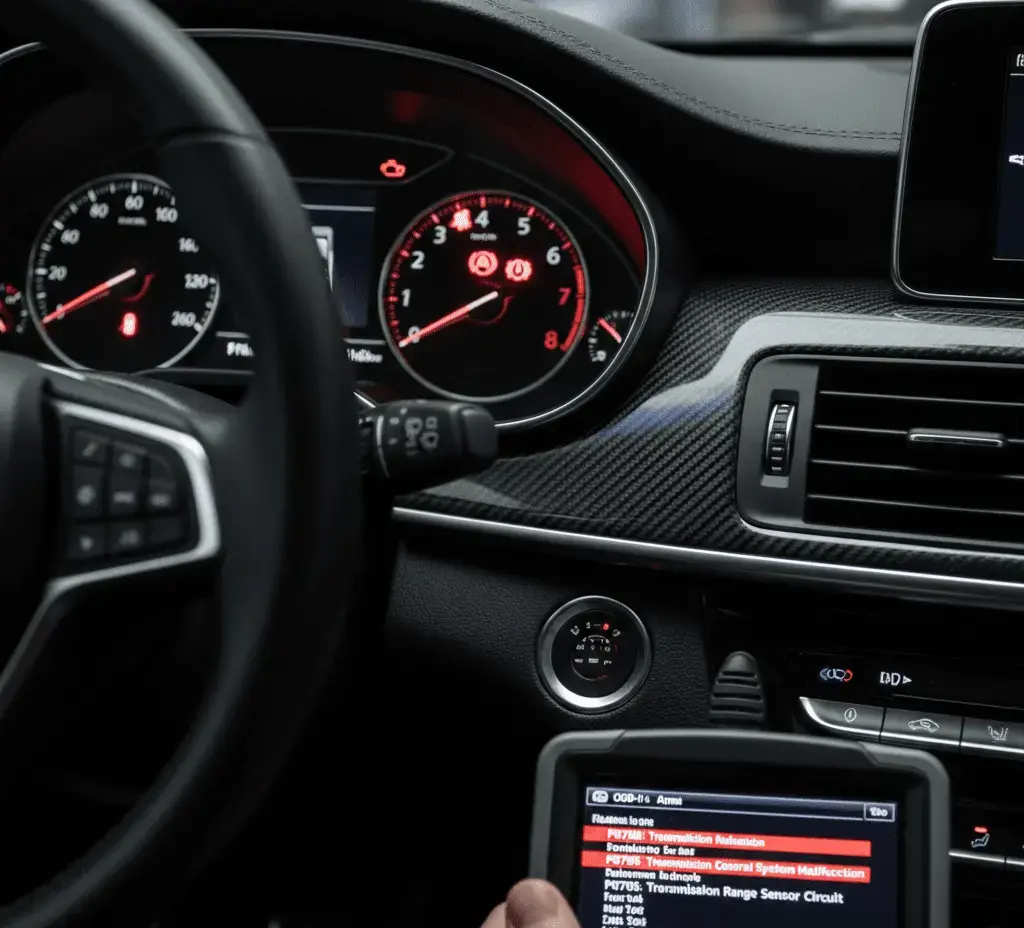
Don’t ignore illuminated warning lights. I immediately scan for diagnostic trouble codes using an OBD-II scanner whenever transmission warning lights appear. These codes pinpoint specific problems like solenoid failures, sensor issues, or gear ratio errors.
Common transmission codes include P0700 series codes that cover everything from slipping to harsh shifts to temperature problems. Some codes indicate simple sensor failures costing $200 to fix. Others reveal internal damage requiring complete transmission replacement.
Intermittent codes that come and go are equally concerning. Just because the light isn’t currently on doesn’t mean the problem disappeared. Stored codes remain in the computer memory showing a history of issues. I always check both current and pending codes when evaluating used cars.
Some sellers clear codes before showing vehicles hoping buyers won’t notice problems. This is why I always scan for codes even if no warning lights are illuminated. A cleared code history with no stored codes on a 100,000 mile car raises red flags. Every car accumulates some codes over time.
taking action on transmission problems
Recognizing transmission warning signs is only useful if you act on them. During used car shopping any transmission symptoms should either eliminate that vehicle from consideration or dramatically reduce your offer price to account for replacement costs.
If you already own a vehicle showing early transmission symptoms address them immediately. What starts as delayed engagement or minor slipping becomes complete failure quickly. Early intervention sometimes involves simple fluid changes or software updates costing hundreds rather than thousands.
I budget for transmission service at the first sign of problems rather than waiting for complete failure. Proactive maintenance extends transmission life significantly. Fluid changes every 30,000 to 60,000 miles prevent many common transmission problems even in high-mileage vehicles.
Understanding transmission warning signs protects you from expensive surprises but comprehensive inspection includes verifying vehicle history too. Learning how to check for flood damage and accident history completes your due diligence before purchasing any used vehicle.