Post purchase maintenance schedule for used cars
Establishing a proactive maintenance routine immediately after purchasing a used vehicle prevents costly breakdowns and preserves long-term reliability. Unlike new cars with factory-fresh components, pre-owned vehicles require careful attention to fluid changes, belt replacements, and system inspections based on mileage rather than age alone. Your comprehensive used car buying guide should extend beyond the purchase into ownership responsibilities. Creating a personalized maintenance calendar helps you budget for upcoming services, catch minor issues before they escalate, and maintain detailed records that boost resale value when you eventually sell.
the first 30 days: critical initial maintenance
The moment you drive your used car home the clock starts ticking on essential first-month tasks. I learned this after buying a 2014 Mazda3 that seemed perfectly maintained. Two weeks in the check engine light appeared. Turns out the previous owner had recently cleared codes without fixing the underlying oxygen sensor problem.
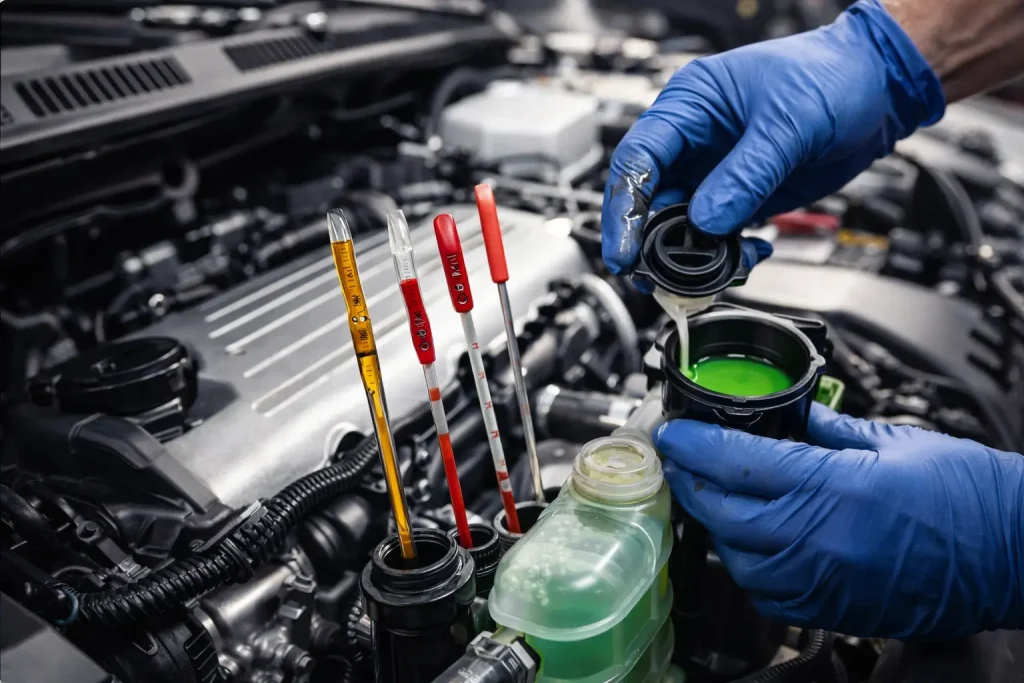
Start with a complete fluid flush and replacement even if the seller claims everything was just serviced. You don’t know the quality of fluids used or whether service actually happened. Fresh oil, coolant, brake fluid, and transmission fluid give you a known baseline and peace of mind.
Engine oil and filter changes cost $50 to $80 for conventional oil or $70 to $120 for synthetic. I always use synthetic in used cars because the superior protection outweighs the modest cost difference. Coolant flushes run $100 to $150 and prevent expensive overheating damage. Brake fluid replacement costs $80 to $120 and ensures optimal braking performance.
Transmission fluid service depends on whether you have a manual or automatic transmission. Manuals need simple fluid changes costing $80 to $120. Automatics benefit from full flush services ranging from $150 to $250. Some newer transmissions claim “lifetime” fluid but I change it anyway at 60,000 mile intervals.
Replace the cabin air filter and engine air filter during the first month. These cheap components dramatically affect air quality and engine performance. Cabin filters cost $15 to $40 and take five minutes to replace yourself. Engine air filters run $20 to $50 and installation is equally simple.
Inspect and potentially replace wiper blades. This $20 to $40 expense prevents the frustration of trying to drive through rain with streaky wipers. Battery testing takes minutes at most auto parts stores and they’ll do it free. Batteries last four to six years so if yours tests weak replace it proactively rather than getting stranded.
first year: establishing your service rhythm
The first year of ownership reveals how the previous owner really treated the vehicle. Deferred maintenance becomes obvious as components reach their failure points. I budget $1,500 to $2,500 for first-year maintenance and repairs beyond normal service on any used car purchase.
Check and rotate tires every 5,000 to 7,000 miles. Tire rotation costs $20 to $50 at most shops or you can do it yourself with a jack and four jack stands. Proper rotation extends tire life by 25% and improves handling. While rotating tires inspect brake pads and rotors through the wheel spokes.
Serpentine belts typically last 60,000 to 100,000 miles. If your used car shows no service records for belt replacement and has over 60,000 miles replace it preventively. Belt replacement costs $100 to $200 including labor. A snapped belt leaves you stranded and can damage other components like the water pump or alternator.
Inspect all hoses for cracks, bulges, or soft spots during oil changes. Coolant hoses fail without warning and leave you overheated on the roadside. Replacing all coolant hoses costs $200 to $400 but prevents a $3,000 engine rebuild from overheating damage.
Spark plugs in most vehicles last 60,000 to 100,000 miles depending on type. Standard copper plugs need replacement every 30,000 miles. Platinum or iridium plugs last 60,000 to 100,000 miles. Spark plug replacement costs $150 to $300 for four-cylinder engines or $250 to $500 for V6 and V8 engines.
Brake inspections should happen every oil change or at minimum twice yearly. Brake pads last 30,000 to 70,000 miles depending on driving style. Front brake pad and rotor replacement costs $300 to $600. Rear brake service runs $250 to $500. Catching worn pads early prevents rotor damage and saves money.
annual deep maintenance tasks
Certain maintenance items follow annual schedules regardless of mileage. I mark these on my phone calendar with reminders 30 days in advance so I can budget and schedule service.
Coolant system inspection includes checking hoses, clamps, radiator condition, and coolant strength. Coolant should be replaced every two to five years depending on type. Traditional green coolant needs changing every two years. Extended life coolants last five years. Coolant testing strips cost $10 and tell you exactly when replacement is needed.
Battery terminals accumulate corrosion that reduces electrical connection quality. Cleaning terminals takes 10 minutes with a wire brush and baking soda solution. This free maintenance prevents no-start situations and extends battery life.
Undercarriage inspection reveals rust development, exhaust damage, or fluid leaks invisible from above. I spray my vehicles with rubberized undercoating every fall before winter salt hits the roads. This $150 annual investment prevents thousands in rust repair on older vehicles in northern climates.
Wheel alignment should be checked annually or whenever you hit a significant pothole. Misalignment causes uneven tire wear and poor handling. Alignment service costs $75 to $150 and extends tire life significantly. I check alignment whenever I buy new tires.
Power steering fluid should be inspected annually and replaced every three to five years. This often-overlooked fluid breaks down and allows moisture contamination. Power steering fluid service costs $80 to $120 and prevents expensive rack and pump failures.
mileage based service intervals
Certain maintenance follows mileage milestones regardless of time. I track these in a simple spreadsheet noting when each service was completed and when the next one is due.
Every 30,000 miles inspect the fuel filter and replace if needed. Clogged fuel filters cause poor performance and can damage fuel pumps. Filter replacement costs $80 to $200 depending on location. Some vehicles have lifetime filters in the fuel tank that don’t require service.
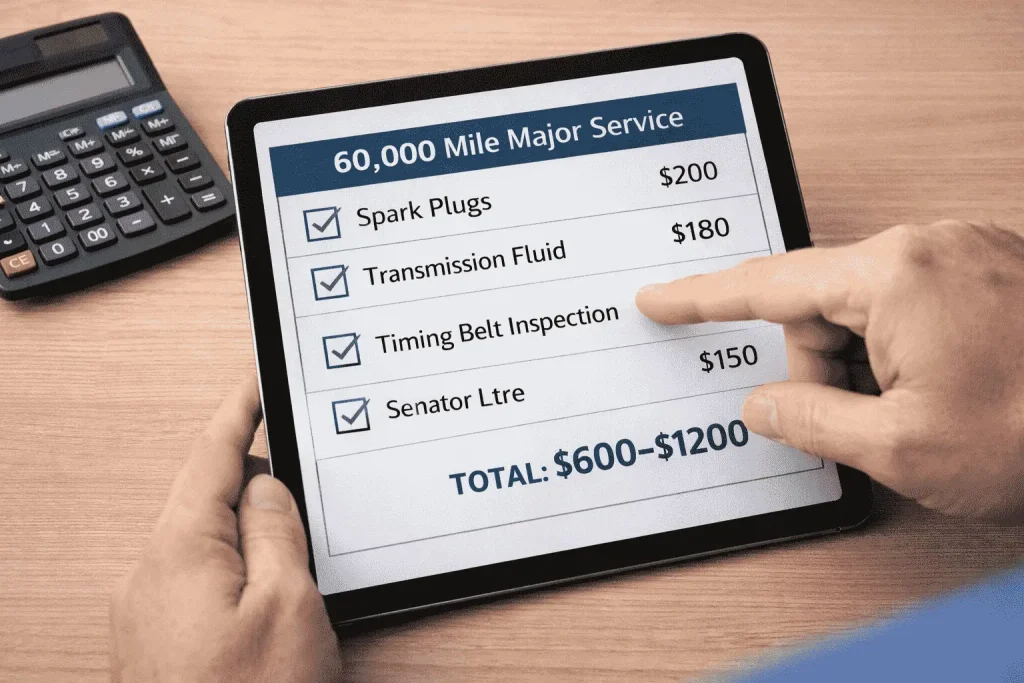
At 60,000 miles most vehicles need significant service. This includes spark plugs in some engines, transmission fluid service, differential fluid changes in all-wheel drive and four-wheel drive vehicles, and transfer case fluid service. Budget $600 to $1,200 for comprehensive 60,000 mile service.
Timing belts in interference engines require replacement every 60,000 to 105,000 miles depending on manufacturer specifications. This critical service costs $500 to $1,500 but prevents catastrophic engine damage. Many newer vehicles use timing chains that don’t require replacement but older cars with timing belts need this service religiously.
Differential and transfer case fluid changes matter in trucks, SUVs, and all-wheel drive vehicles. These services cost $100 to $200 each and prevent expensive gear damage. Most manufacturers recommend service every 30,000 to 60,000 miles.
seasonal maintenance considerations
Living in Michigan taught me the importance of seasonal maintenance. Winter and summer create different demands on vehicles that require preparation.
Before winter replace wiper blades with winter-specific blades that resist ice buildup. Switch to winter-weight oil if you live in extremely cold climates. Check antifreeze protection to at least -30°F. Inspect tire tread depth and consider winter tires if you face serious snow and ice.
Battery strength becomes critical in winter. Cold weather reduces battery capacity by 30% to 50%. If your battery tests marginal in fall replace it before winter strands you. Keep an emergency kit in the car including jumper cables, blanket, flashlight, and basic tools.
Summer preparation includes checking air conditioning performance. AC recharge costs $150 to $300 if refrigerant is low. Inspect cooling system capacity before summer heat arrives. Overheating damage happens quickly once temperatures rise.
Check tire pressure monthly as temperature changes affect pressure significantly. Tires lose about 1 PSI for every 10-degree temperature drop. Proper inflation improves fuel economy, handling, and tire life.
creating your personal maintenance schedule
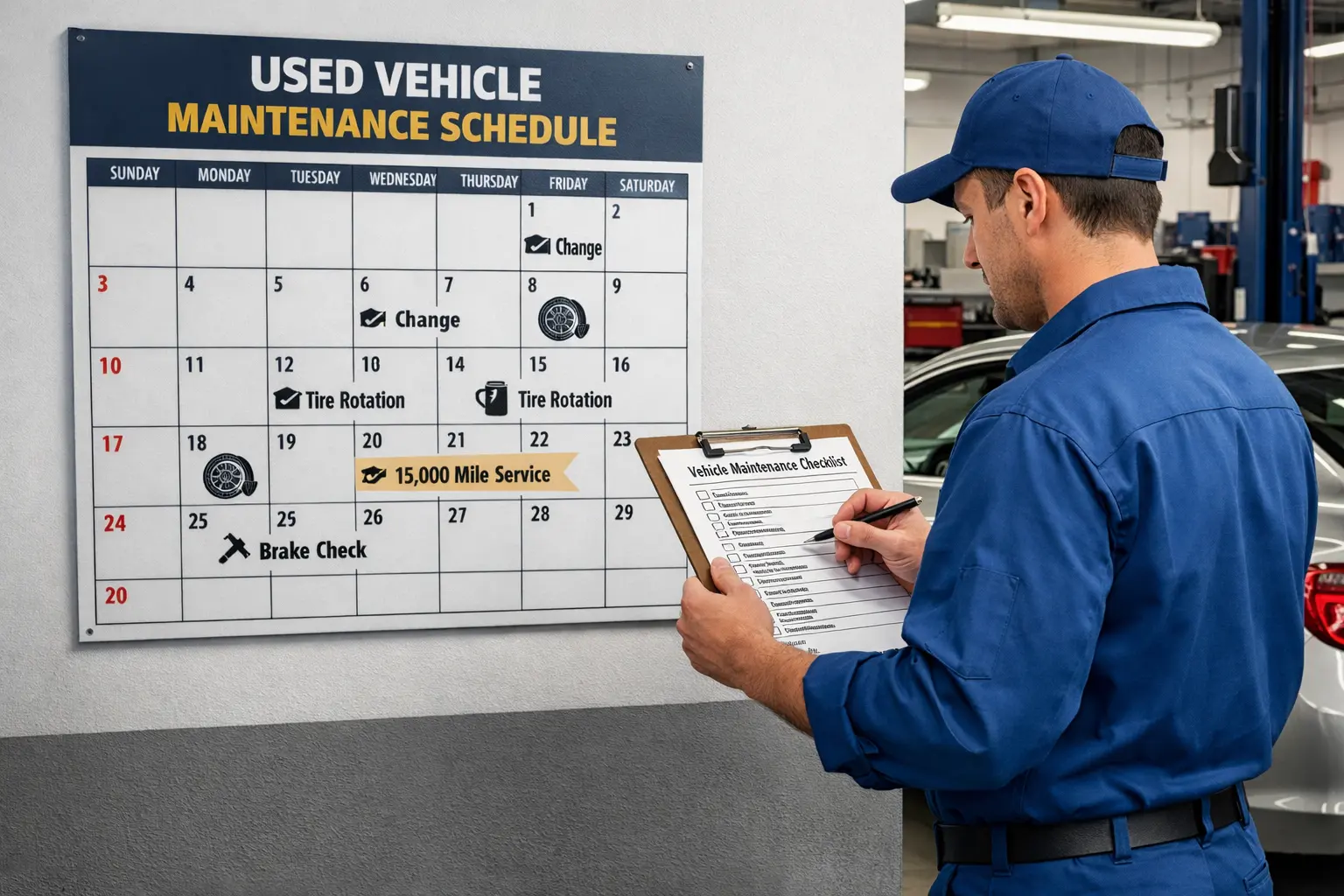
Every used car needs a customized maintenance plan based on mileage, age, and known issues with that specific make and model. I create a spreadsheet tracking every service with date, mileage, cost, and notes about anything unusual discovered.
This record becomes invaluable when diagnosing problems or selling the vehicle. Buyers pay premium prices for well-documented maintenance history. I’ve sold three used cars for 15% to 20% above market value simply because I had meticulous service records.
Set calendar reminders for time-based maintenance and mileage milestones for distance-based service. Most modern cars have maintenance reminder systems but these don’t account for preventive replacement of aging components.
Budget consistently for maintenance. I transfer $150 monthly to a dedicated car maintenance fund. This covers routine service and builds a reserve for unexpected repairs. When major service comes due the money is already set aside rather than causing financial stress.
Build relationships with reliable mechanics who know your vehicle. Consistent service at one shop means they notice changes and catch developing problems early. I’ve used the same independent mechanic for seven years and he’s saved me thousands by catching issues before they became emergencies.
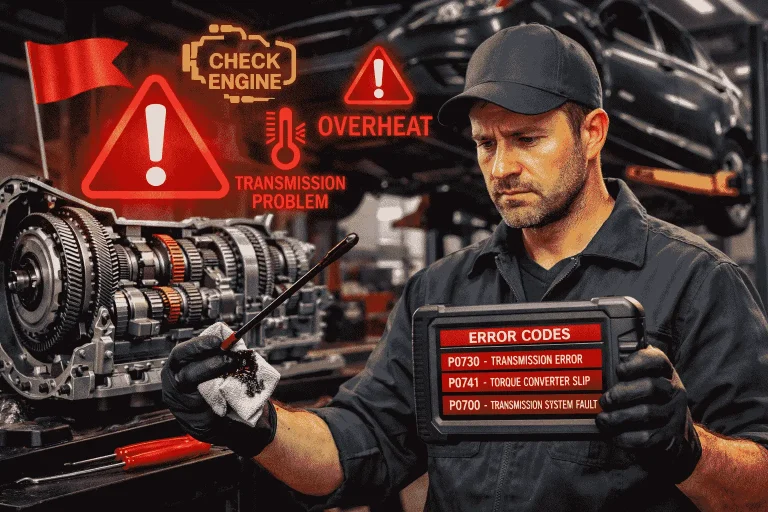
Understanding maintenance schedules prevents expensive surprises but sometimes problems develop despite perfect maintenance. Recognizing warning signs of transmission problems early gives you time to address issues before complete failure.