Does minimum auto insurance cover accidents in California?
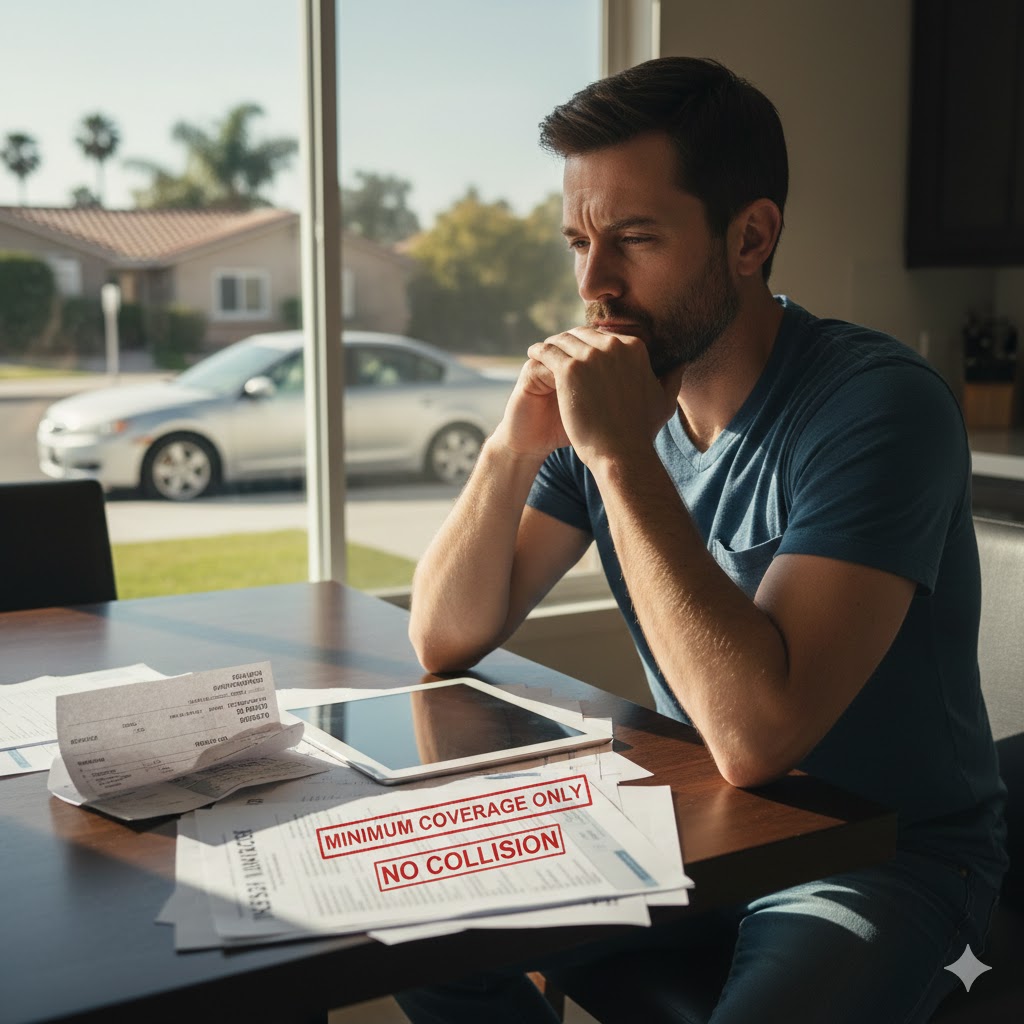
Many drivers carry California’s minimum auto insurance because it is the least expensive option and satisfies legal requirements. After an accident, however, a common and often painful realization sets in: meeting the legal minimum does not mean you are financially protected.
In California, minimum auto insurance covers only a narrow set of accident-related costs and only under specific conditions. Whether minimum coverage helps you after an accident depends on fault, the type of damage, the severity of injuries, and the limits of your policy. In many real-world scenarios, minimum coverage falls short, leaving drivers personally responsible for thousands or even tens of thousands of dollars.
This article explains exactly what minimum auto insurance covers in https://g4car.com/minimum-auto-insurance-coverage-laws-in-california/California after an accident, what it does not cover, how claims work, and the financial risks drivers face when relying solely on minimum coverage. It is written for California drivers seeking clarity and for automotive insurance niche websites building authoritative, evergreen content.
What is california minimum auto insurance?
California minimum auto insurance refers to the mandatory liability coverage required to legally operate a vehicle.
Required minimum limits
California law requires drivers to carry:
- $15,000 bodily injury liability per person
- $30,000 bodily injury liability per accident
- $5,000 property damage liability per accident
These limits are commonly abbreviated as 15/30/5.
What “liability coverage” really means
Liability insurance covers damage you cause to others. It does not cover your own injuries or vehicle damage.
This distinction is critical when evaluating accident coverage.
Scenario 1: You are at fault in an accident
If you cause an accident, minimum coverage applies but only up to its limits.
Bodily injury coverage after an at-fault accident
Minimum bodily injury coverage pays for:
- Medical expenses of injured third parties
- Lost wages
- Pain and suffering (up to policy limits)
- Legal defense costs
Where the coverage stops
Medical expenses frequently exceed $15,000 per person. Once limits are reached:
- Insurance stops paying
- You become personally responsible for remaining costs
Property damage coverage after an at-fault accident
Property damage coverage pays for:
- Repairs to the other driver’s vehicle
- Damage to structures such as fences or buildings
With a $5,000 limit:
- Even minor accidents can exceed coverage
- Modern vehicles often cost far more to repair
Any excess damage becomes your personal financial obligation.
Scenario 2: You are not at fault in an accident
If another driver causes the accident, your minimum coverage does not protect you.
What happens next
- The at-fault driver’s insurance must pay
- If the other driver is uninsured or underinsured, recovery becomes difficult
- Your own policy provides no collision or injury coverage
Minimum coverage offers no protection for your own losses in this situation.
Scenario 3: Hit-and-run accidents
Hit-and-run accidents are common in California.
With minimum coverage only:
- Damage to your vehicle is not covered
- Medical expenses are not covered
- You rely on the ability to identify the at-fault driver
Without uninsured motorist coverage, hit-and-run victims often pay out of pocket.
Scenario 4: Single-vehicle accidents
Single-vehicle accidents include:
- Hitting a pole
- Colliding with a barrier
- Running off the road
Minimum coverage:
- Pays nothing
- Does not cover vehicle damage
- Does not cover medical expenses
Drivers bear full financial responsibility.
Does minimum coverage pay for your medical bills?
No.
Minimum coverage does not include:
- Medical payments coverage
- Personal injury protection
Your medical expenses must be paid through:
- Health insurance
- Out-of-pocket funds
- Lawsuits (if applicable)
This gap surprises many drivers after accidents.
Does minimum coverage pay for your car repairs?
No.
Minimum coverage does not include:
- Collision coverage
- Comprehensive coverage
If your car is damaged:
- You pay for repairs
- You replace the vehicle yourself
- You rely on the at-fault driver’s insurance (if available)
What happens if damages edxceed minimum limits?
Exceeding limits is common.
Financial consequences
If damages exceed your policy limits:
- You can be sued personally
- Wage garnishment is possible
- Bank accounts may be levied
- Assets may be seized
California law allows injured parties to pursue personal assets.
Lawsuits and legal exposure
Minimum coverage does not shield drivers from lawsuits.
Legal defense limits
While liability insurance includes legal defense, once coverage limits are exhausted:
- You may need to hire your own attorney
- Legal costs add to financial strain
Legal exposure is one of the biggest risks of minimum coverage.
How minimum coverage handles multi-vehicle accidents
In accidents involving multiple injured parties:
- The $30,000 per-accident bodily injury limit applies
- Payments are divided among claimants
This often results in:
- Inadequate compensation for all parties
- Increased likelihood of lawsuits
Minimum coverage vs modern accident costs
Modern accident costs have increased due to:
- Advanced vehicle technology
- Higher medical expenses
- Increased litigation
California’s minimum limits have not kept pace with these costs.
When minimum coverage might appear to “work”
Minimum coverage may appear sufficient when:
- No injuries occur
- Damage is minor
- The other driver has strong insurance
These situations are unpredictable and cannot be relied upon.
The role of uninsured and underinsured motorist coverage
Uninsured motorist coverage:
- Is optional in California
- Protects you when the at-fault driver has no insurance or insufficient limits
Many drivers add this coverage to offset minimum coverage limitations.
Why minimum coverage often leads to long-term financial damage
Short-term savings often result in:
- Long-term debt
- Legal judgments
- Insurance surcharges
- Reduced financial stability
Minimum coverage trades small premium savings for large potential losses.
Common misconceptions about minimum coverage and accidents
Myth: Minimum coverage covers all accidents
False. It covers only limited third-party damages.
Myth: Careful drivers do not ned more coverage
False. Accidents can happen regardless of care.
Myth: Lawsuits only happen after serious crashes
False. Minor accidents can still result in legal action.
How drivers can reduce accident risk with better coverage
Upgrading coverage provides:
- Protection for your own vehicle
- Medical coverage for you and passengers
- Reduced lawsuit risk
- Greater financial predictability
Even modest increases in liability limits can significantly reduce risk.
How to decide if minimum coverage is enough for you
Drivers should consider:
- Vehicle value
- Personal assets
- Risk tolerance
- Driving environment
- Daily vehicle use
For most California drivers, minimum coverage is legally sufficient but financially risky.
Minimum auto insurance in California does cover accidents—but only in a very narrow sense. It protects other people from limited damages you cause, and nothing more. It does not repair your car, pay your medical bills, or shield you from lawsuits when costs exceed policy limits.
For drivers who experience even a moderately serious accident, minimum coverage often proves insufficient. Understanding these limitations before an accident occurs allows drivers to make informed decisions and avoid devastating financial consequences.
In California, minimum coverage keeps you legal. It does not keep you safe.