Truck Towing Capacity Explained (Simple Guide for 2026 Buyers)
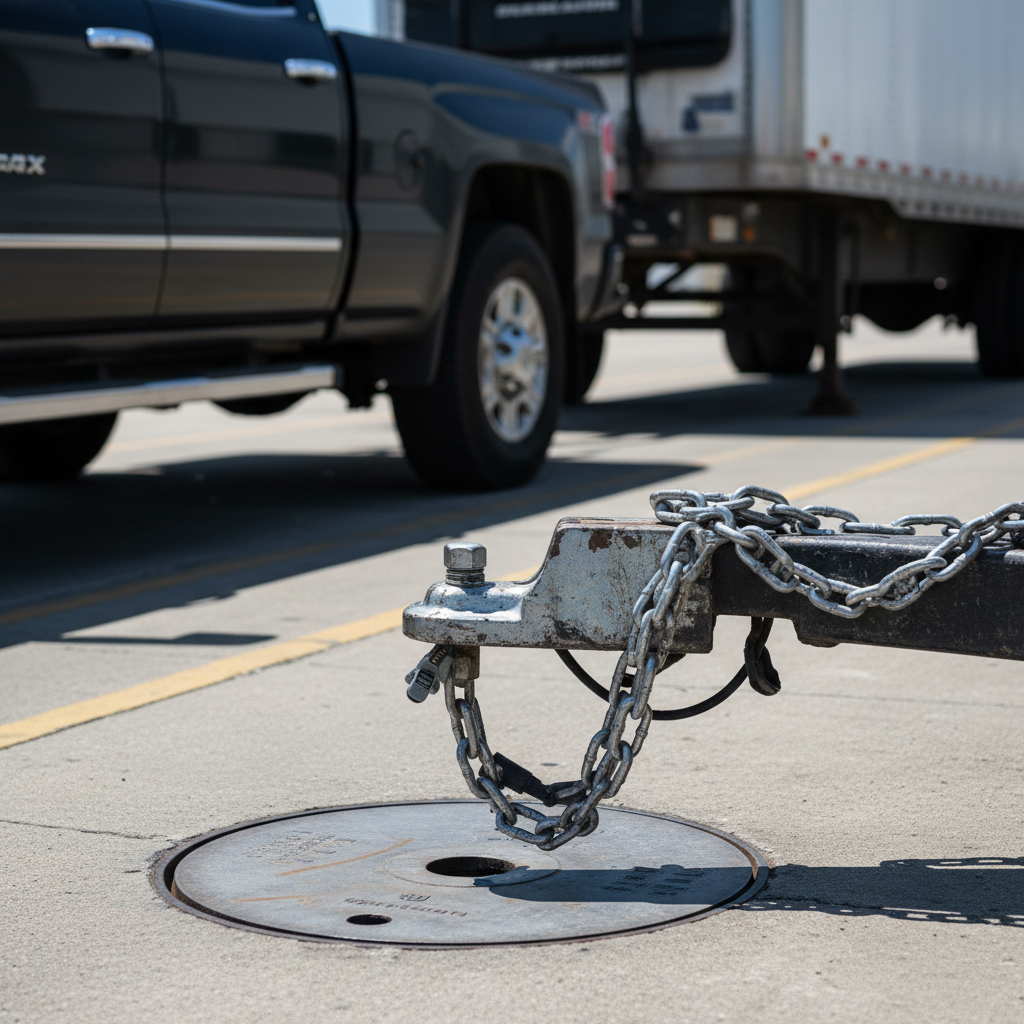
[IMAGE 1:
Close-up shot of a pickup truck hitched to a trailer at a weigh station, focus on the hitch and safety chains, truck and trailer side profile blurred in background, bright daytime light, ultra detailed, 8k, DSLR 50mm lens professional technical photography]
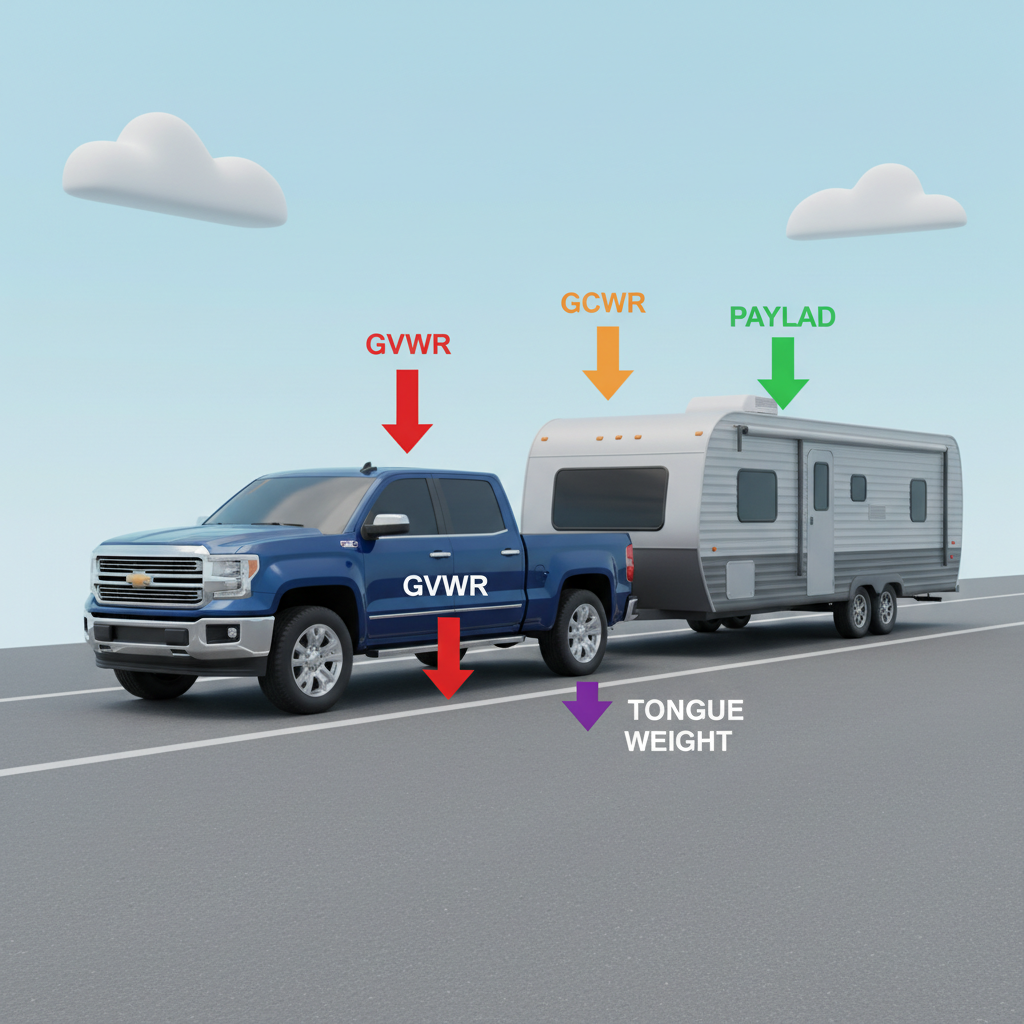
Understanding truck towing capacity is essential if you plan to pull a camper, boat or work trailer in 2026. Knowing how ratings like GVWR, GCWR, payload and tongue weight work together helps you stay safe and legal while avoiding damage to your truck.
Key towing terms you must know
Before calculating anything, you need to understand the basic weight ratings manufacturers use.
- GVWR (Gross Vehicle Weight Rating): Maximum allowed weight of the truck itself plus passengers, cargo and tongue weight.
- GCWR (or GCVWR – Gross Combined Weight Rating): Maximum allowed combined weight of the fully loaded truck and fully loaded trailer.
- Curb weight: How much the truck weighs with all fluids and a full tank of fuel, but no passengers or cargo.
- Payload: Maximum weight the truck can carry in the cab and bed (including passengers and tongue weight).
- Tongue weight: Portion of the trailer’s weight that presses down on the hitch, typically 10–15% of total trailer weight for most conventional trailers.
These numbers are found on the door‑jamb sticker, in the owner’s manual or on manufacturer spec sheets.
How to calculate towing capacity (simple formula)
Manufacturers usually list the maximum towing capacity, but you can also calculate it using GCWR and curb weight.
Basic formula:
- Find your truck’s GCWR.
- Find the curb weight of your truck.
- Estimate your payload (passengers, gear, fuel, accessories).
- Subtract curb weight + payload from GCWR to get the maximum safe trailer weight.
Many experts recommend not towing right at the limit and instead staying about 10–20% under the rated maximum for a safety margin.
Read more : Best trucks for towing and work 2026
Tongue weight, payload and why they matter
Tongue weight counts against your truck’s payload rating, so it is critical to include it in your calculations.
- For most travel trailers and utility trailers, a safe tongue weight is usually 10–15% of the trailer’s total weight.
- Too little tongue weight can cause trailer sway; too much can overload the rear axle, cause sagging and hurt braking and steering.
Example: if your trailer weighs 7,000 lbs, a typical tongue weight would be 700–1,050 lbs, which must fit inside your truck’s payload rating along with passengers and cargo. Overloading payload is just as dangerous as exceeding towing capacity, even if the trailer itself is within its own limits.
Practical steps before you tow
To safely match your truck and trailer, follow these practical steps.
- Check the door sticker and manual
- Weigh your truck as you actually use it
- Calculate realistic towing capacity
- Adjust for conditions
- Recheck after modifications
Understanding and applying these concepts makes it easier to choose the right trailer, truck and hitch setup and helps avoid overloaded, unsafe combinations.
Read more : Heavy Duty Diesel Trucks 2026