Best Trucks for Towing and Work 2026 (Heavy Duty, Midsize and Workhorse Picks)
Choosing the best trucks for towing and work in 2026 means looking beyond flashy marketing and focusing on real numbers: towing capacity, payload, reliability and long‑term running costs. Whether you pull heavy construction trailers, haul tools and materials for contracting jobs or tow a camper on weekends, the right truck can make work easier and safer.
This guide breaks down the top heavy‑duty, full‑size and midsize trucks that stand out for towing and work in 2026, plus the key specs you should understand before buying.
What to look for in a towing and work truck
Not all trucks are created equal when it comes to serious towing and job‑site use. The best trucks for towing in 2026 combine strong powertrains with well‑designed cooling systems, robust frames, good transmission tuning and smart trailer tech.
Key factors to focus on include:
- Max towing capacity: The highest trailer weight the truck is rated to pull when properly equipped.
- Payload rating: How much weight you can safely carry in the bed and cab (including tongue weight).
- Axle ratio and engine choice: Heavier towing often needs stronger engines and appropriate gearing.
- Brakes and stability systems: Integrated trailer brake controllers, sway control and tow/haul modes.
- Cooling and durability: Heavy‑duty cooling, stronger frames and upgraded suspension components.
Understanding the difference between “headline” max tow ratings and what is comfortable to tow every day is crucial for contractors and families alike.
Heavy‑duty diesel trucks: maximum pulling power
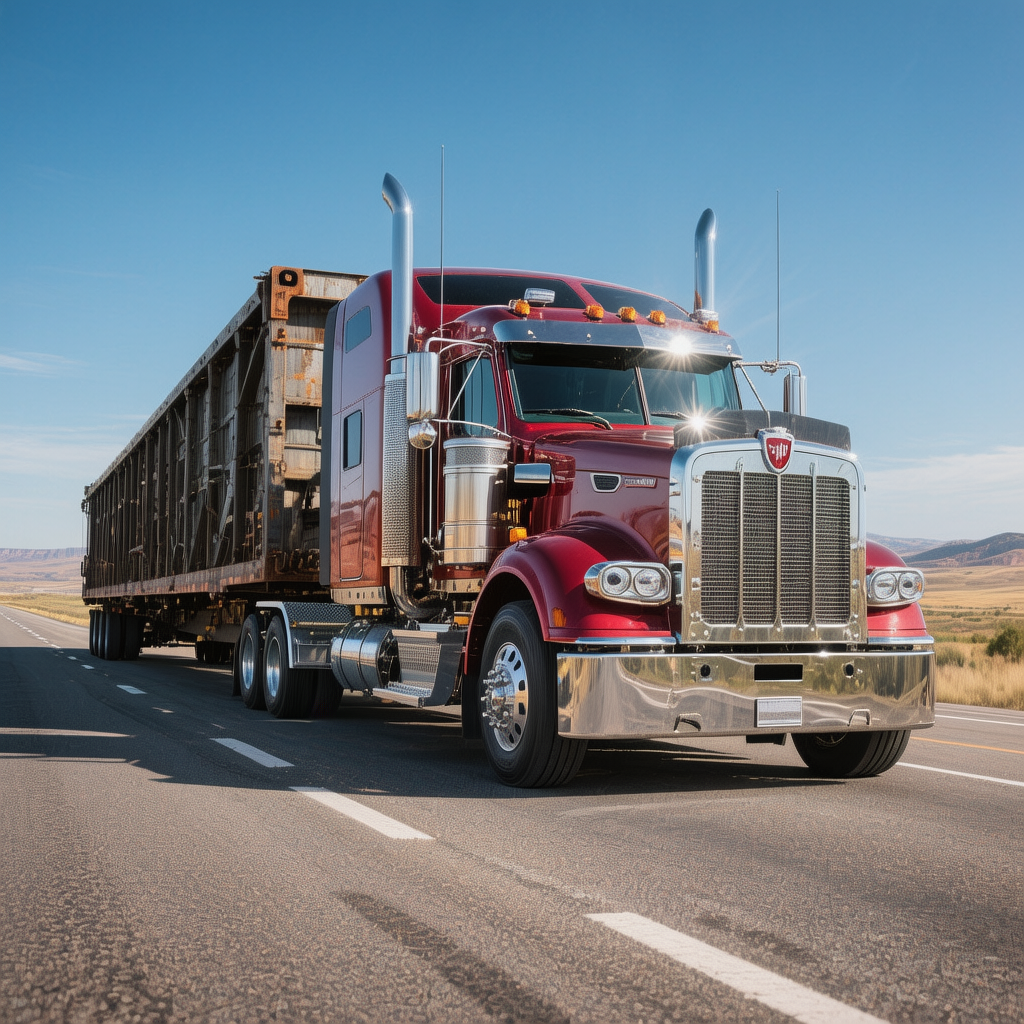
For the heaviest trailers—large equipment trailers, fifth‑wheels and big campers—heavy duty diesel trucks remain the top choice in 2026. Modern 2500/3500‑series diesels from Ford, Ram and Chevrolet/GMC can tow well over 20,000 pounds in certain configurations, with diesel torque helping maintain speed on grades and under load.
These trucks also typically offer:
- Strong exhaust braking systems for downhill control.
- Heavy‑duty transmissions designed for long‑term tow use.
- Available gooseneck/fifth‑wheel prep packages from the factory.
Drivers who tow at or near max capacities regularly, or who operate in hilly terrain with large trailers, will often be better served by a heavy‑duty diesel than by a lighter truck.
Full‑size half‑ton trucks: best balance for mixed use
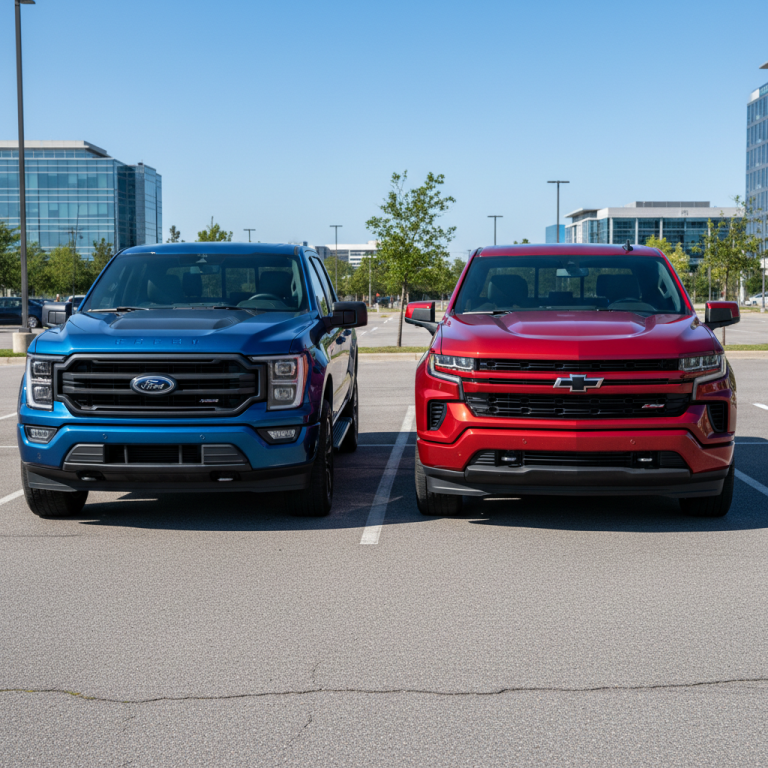
For many owners, full‑size half‑ton pickups are the sweet spot between capability, comfort and everyday usability. Trucks like the Ford F‑150, Chevrolet Silverado 1500, GMC Sierra 1500, Ram 1500 and Toyota Tundra can tow between roughly 9,000 and 14,000 pounds depending on engine, axle ratio and configuration.
These trucks are ideal if you:
- Tow mid‑size travel trailers, boats or equipment a few times a month.
- Need a daily driver that still fits easily in parking garages and city streets.
- Want a comfortable cabin with modern tech and good fuel economy when not towing.
Properly specced half‑tons can handle serious occasional towing, but those who are constantly near the upper limit may still want to step up into heavy‑duty territory for extra durability.
Midsize trucks under $40k: lighter duty, real capability
Midsize trucks have become very attractive for buyers who want usable towing and hauling without the size and cost of a full‑size pickup. In 2026, trucks like the Toyota Tacoma, Ford Ranger, Chevrolet Colorado and Nissan Frontier can tow around 5,000–7,500 pounds depending on engine and package, and many well‑equipped trims stay under the $40,000 mark.
These trucks work best if you:
- Tow smaller campers, utility trailers or jet skis.
- Need a truck for light construction, landscaping or general contracting with moderate loads.
- Care about maneuverability, parking and fuel costs more than maximum towing numbers.
For many small businesses and city‑based contractors, midsize trucks under $40k offer the best combination of cost, capability and practicality.
Internal link: Midsize trucks under 40k
Best work trucks for contractors in 2026
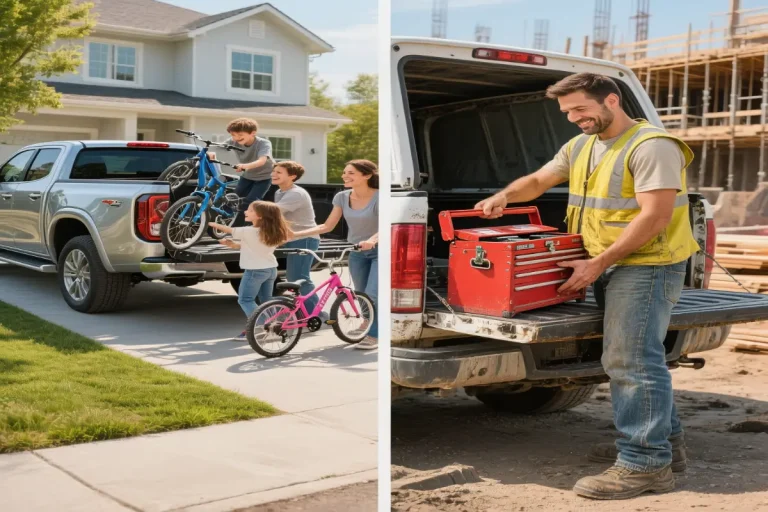
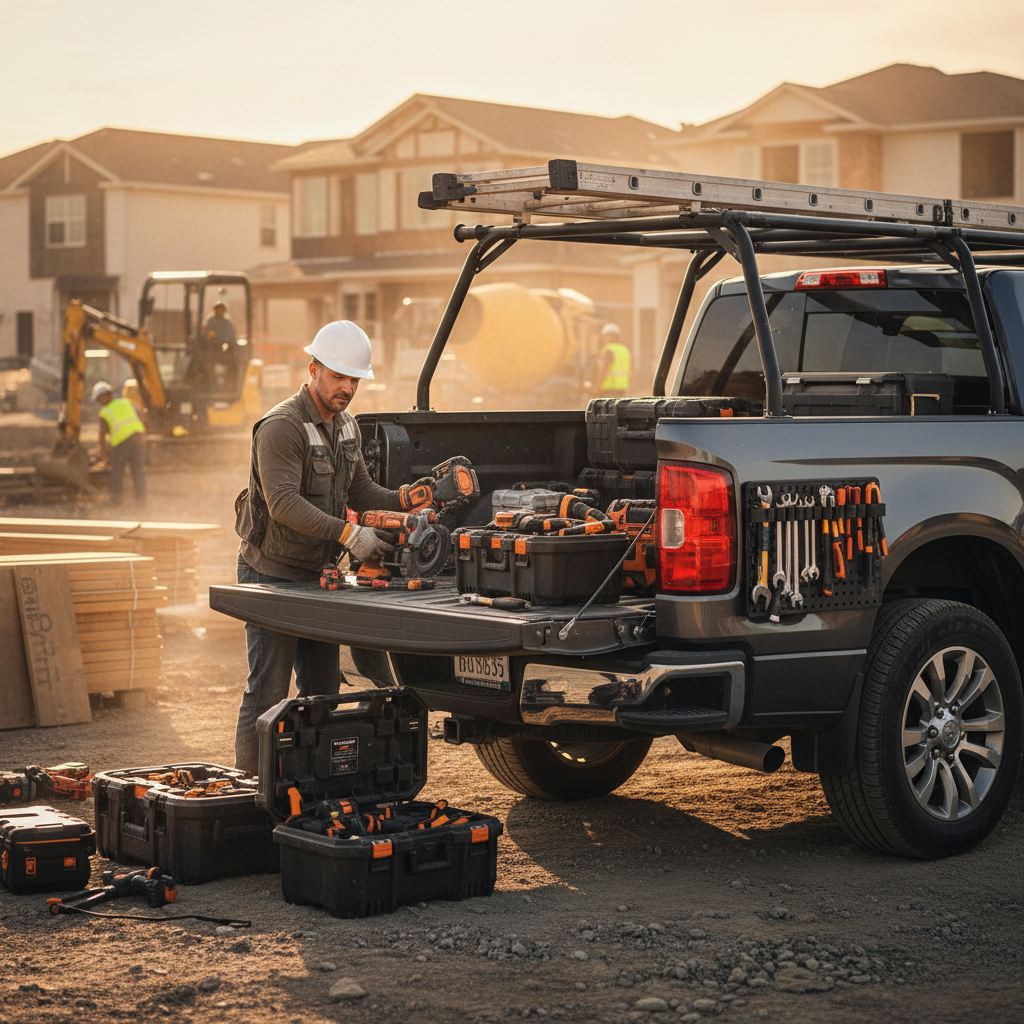
Contractors need trucks that can do more than just pull; they must carry tools, materials and crews day after day without excessive downtime or repair costs. The best work trucks for contractors in 2026 typically offer:
- High payload ratings and long beds or well‑designed crew‑cab/bed combinations.
- Factory‑installed tow packages, upfitter switches and bed lighting.
- Available fleet telematics and maintenance tracking tools.
- Configurable storage solutions such as under‑seat storage, lockable bed boxes and ladder racks.
For many trades, a properly equipped half‑ton or three‑quarter‑ton gas truck hits the right balance between initial cost, fuel economy and durability, with diesel reserved for the heaviest tasks.
Understanding towing capacity and payload numbers
Towing specs can be confusing, but learning a few core terms helps avoid overloading the truck or trailer.
Important ratings include:
- GVWR (Gross Vehicle Weight Rating): Maximum allowed weight of the truck plus passengers, cargo and tongue weight.
- GCWR (Gross Combined Weight Rating): Maximum total weight of truck plus fully loaded trailer.
- Tongue weight: The portion of trailer weight that presses down on the hitch, counted against payload.
The real‑world “comfortable” towing limit for many drivers is lower than the brochure max rating, especially on long trips or in hilly terrain. Checking door‑jamb stickers, axle ratios and the exact tow package equipment is essential before relying on any published number.