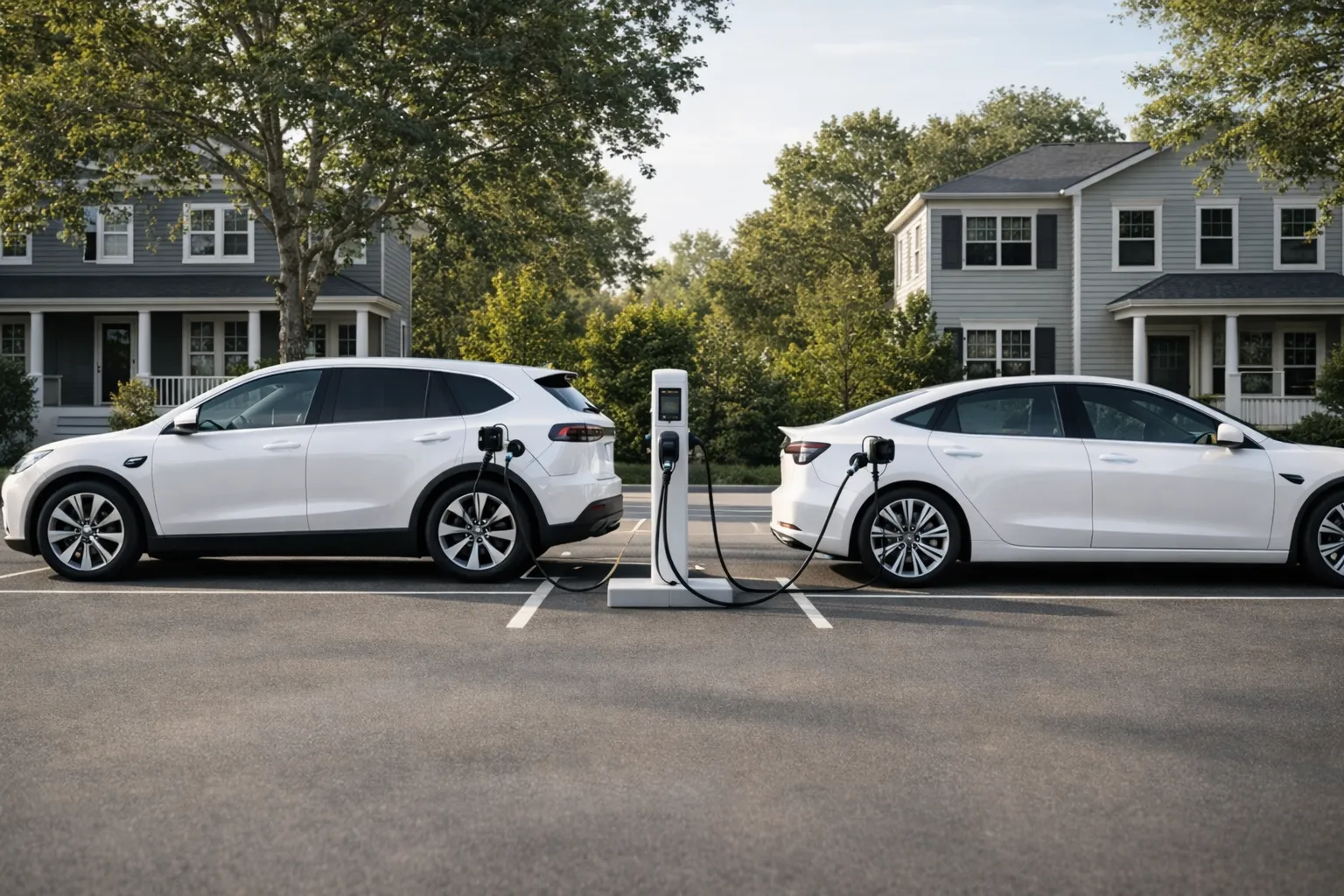
Electric SUV vs electric sedan: which is cheaper to own in 2025?
As electric vehicles become mainstream in the United States, one of the most common buying decisions is no longer whether to go electric, but which body style makes the most financial sense. For many households, the choice comes down to an electric SUV or an electric sedan. Both formats now offer competitive range, advanced safety systems, and access to the same expanding charging infrastructure. Yet their differences in weight, aerodynamics, insurance cost, and long-term maintenance still have a measurable impact on total cost of ownership. As discussed in Electric Vehicles (EV) Reviews & Trends: The 2025 Guide for U.S. Drivers, vehicle design plays a central role in energy consumption, charging behavior, and lifetime expenses.
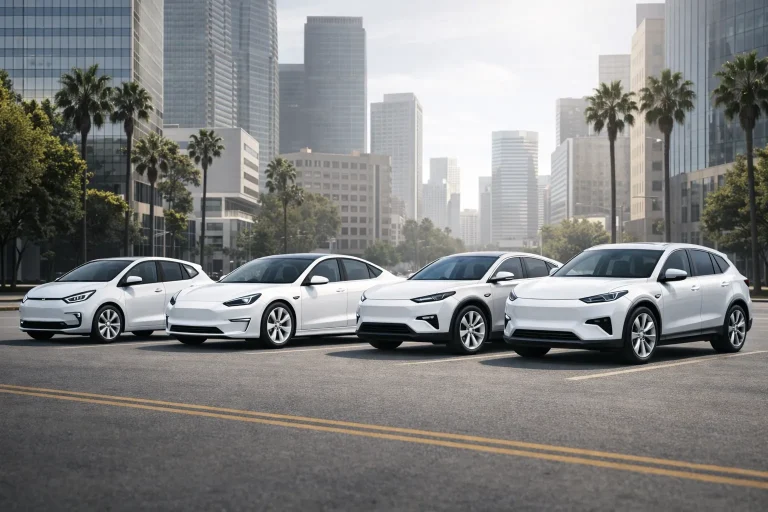
In 2025, compact and midsize electric SUVs dominate sales volumes, while electric sedans continue to lead in efficiency and driving range per kilowatt-hour. Understanding how these factors translate into real dollars over five to eight years of ownership is essential for buyers comparing family needs, commuting patterns, and long-term budgets.
This analysis compares electric SUVs and electric sedans in terms of purchase price, energy consumption, insurance, maintenance, and resale value to determine which category is generally cheaper to own in the U.S. market.
Purchase price and incentives
Electric sedans typically have lower starting prices than similarly equipped electric SUVs. Their lighter weight and smaller frontal area allow manufacturers to achieve competitive range with smaller battery packs, which reduces production cost. This often places sedans more comfortably within federal and state incentive price caps, increasing the likelihood of qualifying for the full tax credit.
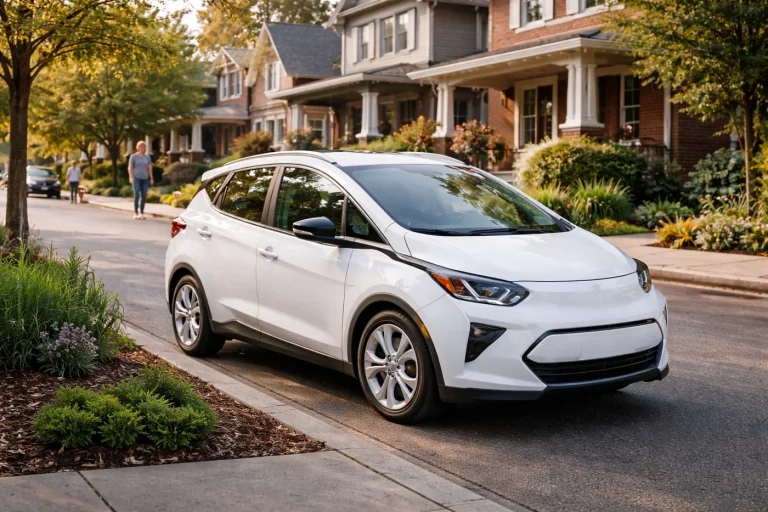
Electric SUVs, particularly compact and midsize crossovers, require larger battery packs to deliver comparable range. This raises both manufacturing cost and sticker price. While many still qualify for incentives, their higher base price means the effective after-incentive cost often remains several thousand dollars above that of an equivalent sedan.
From a purely upfront cost perspective, sedans usually offer the lower entry point.
Energy efficiency and charging cost
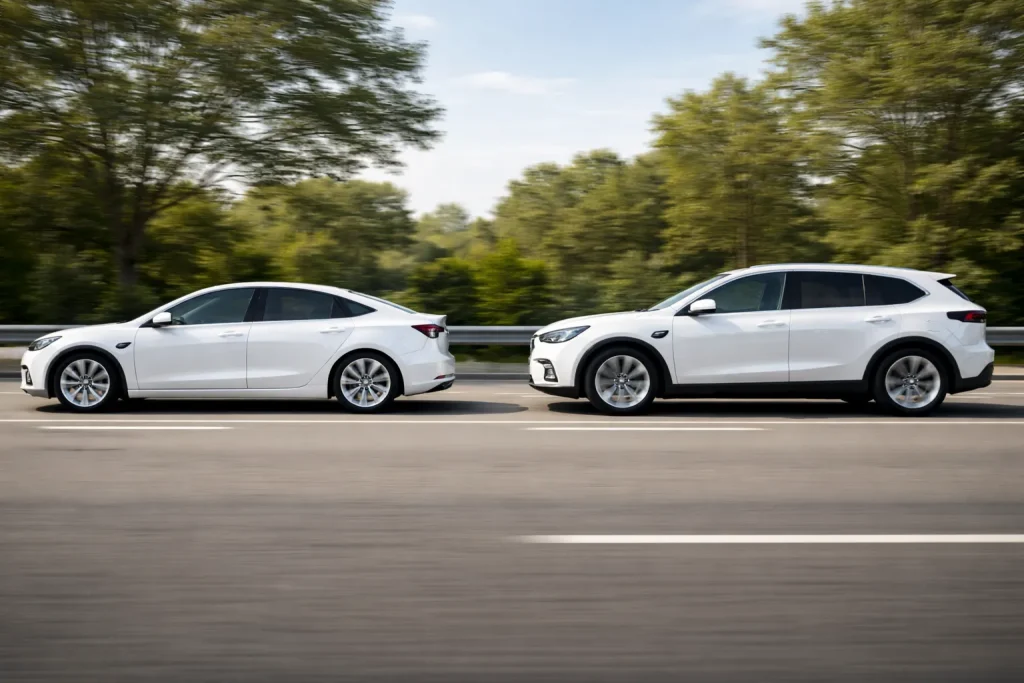
Aerodynamics strongly influence EV efficiency. Sedans, with their lower ride height and smoother airflow, typically consume less energy per mile than SUVs. In real-world driving, this difference can range from 10 to 20 percent, depending on speed and weather conditions.
Lower energy consumption means:
- Fewer kilowatt-hours required per mile
- Lower monthly electricity cost
- Reduced reliance on public fast charging during long trips
Electric SUVs, due to higher curb weight and greater drag, draw more energy and therefore cost more to charge over time. This difference becomes more pronounced for drivers who rely on public DC fast chargers, where per-kWh pricing is higher than residential electricity.
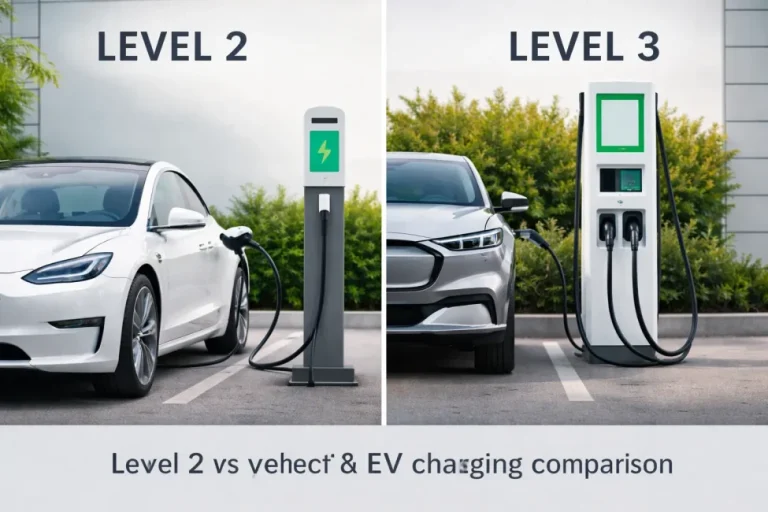
Charging strategy also plays a role. Home Level 2 systems, as detailed in Best home ev chargers in 2025 (level 2) – reviews & installation guide, help minimize energy cost for both body styles, but the inherent efficiency advantage of sedans still results in lower long-term charging expenses.
Insurance and repair costs

Insurance premiums for electric SUVs are generally higher than for electric sedans. The reasons include:
- Higher replacement value
- Larger body panels and sensors
- Greater repair complexity in minor collisions
Sedans, with lower mass and simpler body structures, often fall into lower insurance brackets. Over five years, this difference can amount to several hundred or even a few thousand dollars, depending on location and driver profile.
Repair costs follow a similar pattern. While both formats benefit from the mechanical simplicity of electric drivetrains, suspension components, tires, and body parts for SUVs tend to be more expensive due to size and load requirements.
Tire and maintenance considerations
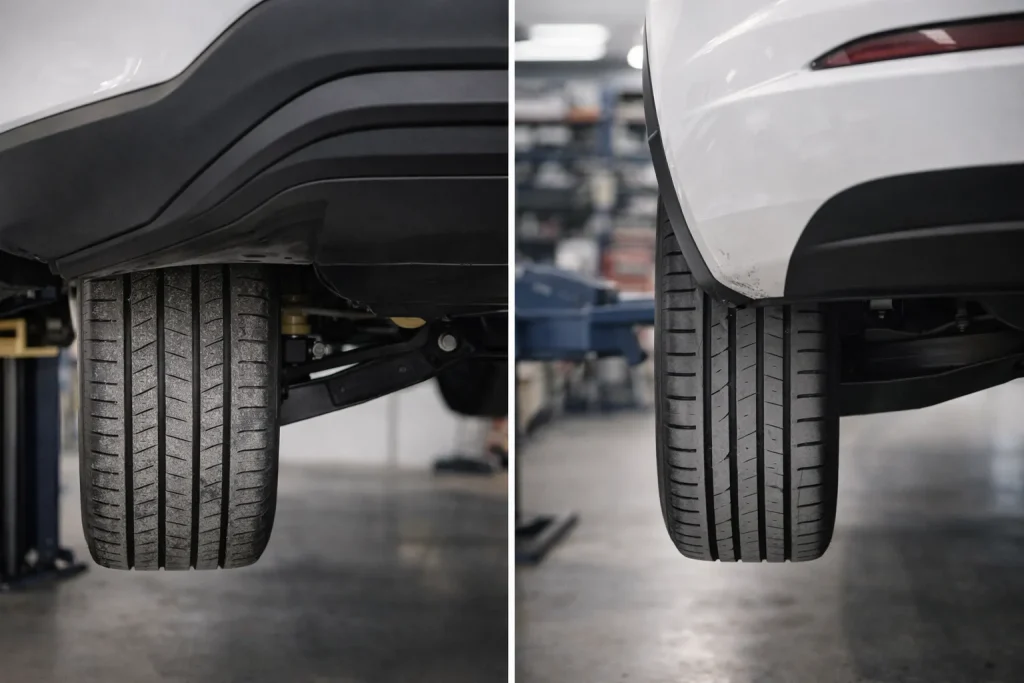
Electric SUVs place more stress on tires because of higher weight and larger contact patches. As a result, tire replacement intervals are often shorter, and replacement sets are more expensive. This is discussed in detail in Best tires for electric vehicles in 2025 (quiet, long-range, low wear), which shows how load rating and rolling resistance influence both cost and efficiency.
Sedans generally experience slower tire wear and use less expensive tire sizes, reducing long-term maintenance expense. Both body styles benefit from regenerative braking, which lowers brake service frequency compared with gasoline vehicles, but overall wear costs still favor the lighter, more aerodynamic sedan.
Resale value and market demand
In the U.S. market, demand for SUVs remains strong, and this often supports higher resale values. Electric crossovers and compact SUVs tend to depreciate more slowly than sedans, particularly in family-oriented segments.
However, battery condition and warranty coverage are the dominant factors affecting EV resale, regardless of body style. Models with efficient thermal management and proven durability, as explained in EV battery warranty & replacement cost comparison by brand (2025), retain value better in both categories.
When depreciation, energy cost, insurance, and maintenance are combined, the lower operating expenses of sedans often offset their slightly weaker resale performance.
Practical considerations beyond cost
While sedans are usually cheaper to own, SUVs offer advantages that justify higher cost for many buyers:
- Greater cargo capacity
- Higher seating position and easier entry
- Better suitability for families and outdoor activities
- More versatile cabin layouts
Sedans, on the other hand, appeal to drivers who prioritize:
- Maximum range per charge
- Lower energy and insurance cost
- Easier urban parking and maneuverability
- Lower total cost of ownership
Conclusion
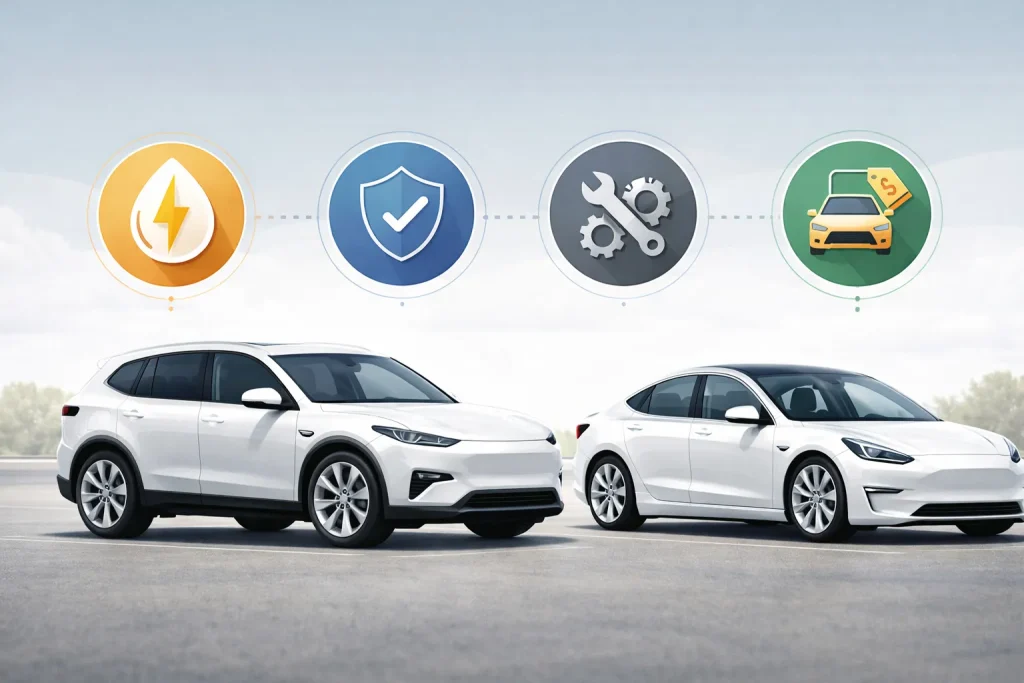
In 2025, electric sedans are generally cheaper to own than electric SUVs in the United States. Their lower purchase price, higher energy efficiency, reduced insurance premiums, and slower tire wear combine to produce a lower total cost of ownership over five to eight years.
Electric SUVs, while more expensive to buy and operate, offer superior space and versatility and often retain value well in the used market. For households that need cargo capacity or prefer a higher driving position, the additional cost may be justified.
When viewed within the broader framework of Electric Vehicles (EV) Reviews & Trends: The 2025 Guide for U.S. Drivers, the choice between an electric SUV and an electric sedan ultimately depends on how buyers balance efficiency and operating cost against practicality and lifestyle needs. From a purely financial perspective, the sedan remains the more economical option, but the SUV continues to dominate as the more flexible all-around solution for American drivers.