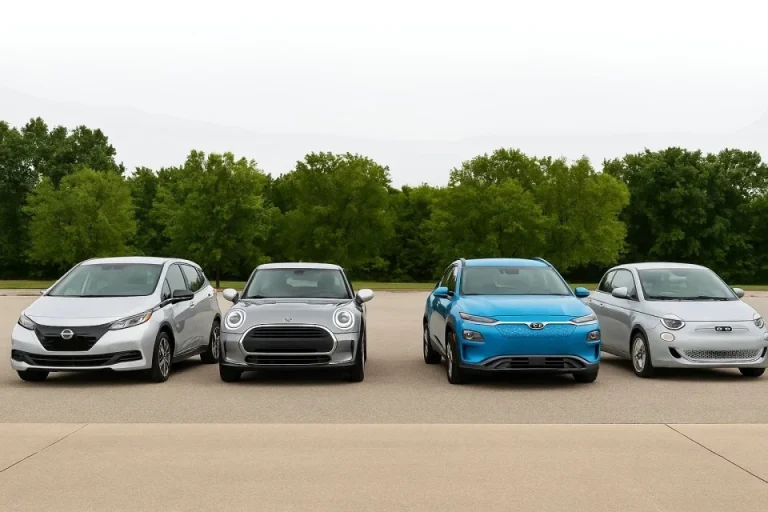
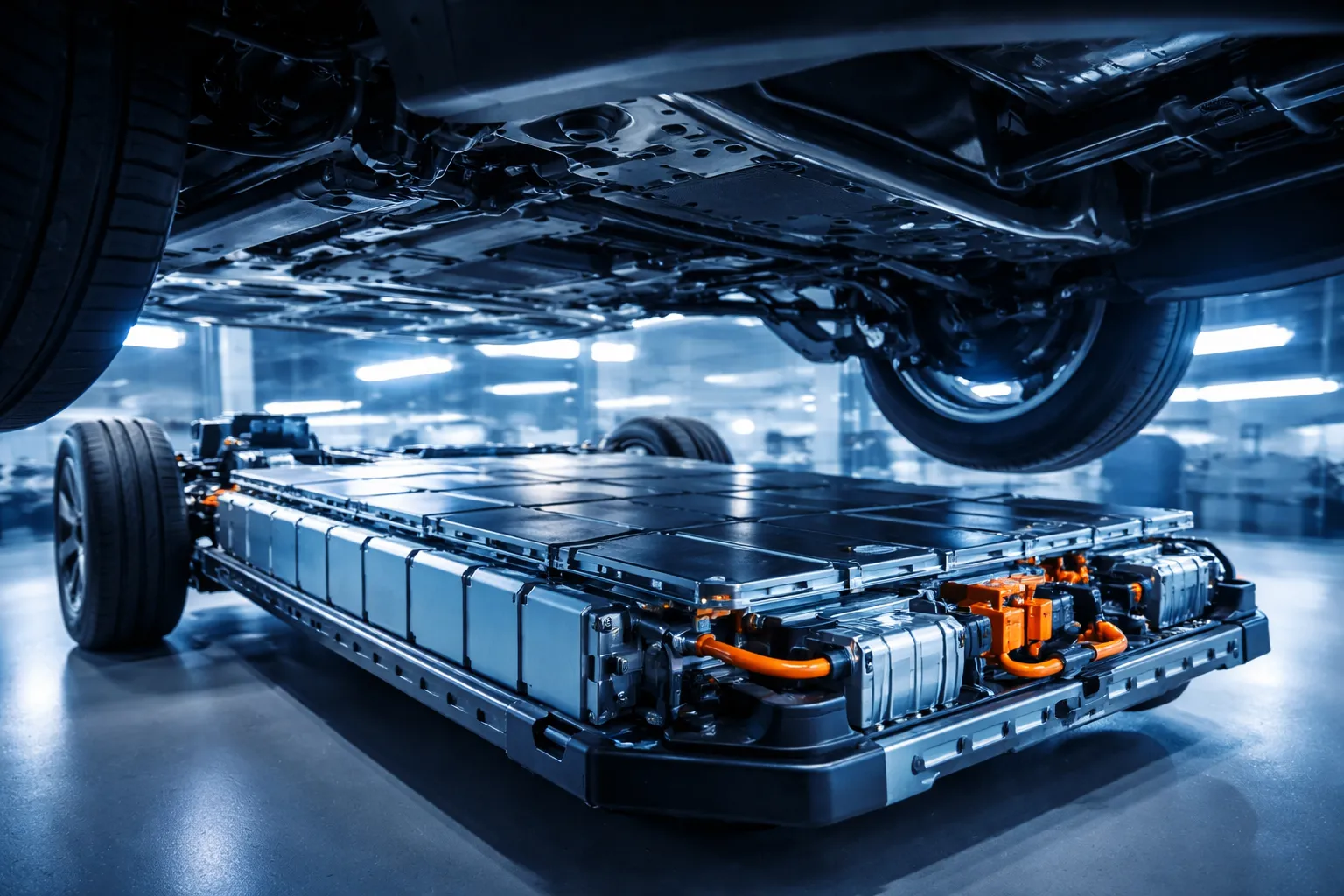
EV battery warranty & replacement cost comparison by brand (2025)
For most buyers, the battery is the single most important and most expensive component of an electric vehicle. While range and charging speed often dominate attention, long-term confidence depends on two questions: how long the battery will last, and how much it will cost if it ever needs to be replaced. As explained in Electric Vehicles (EV) Reviews & Trends: The 2025 Guide for U.S. Drivers, modern lithium-ion packs are far more durable than early EV skeptics expected, yet replacement cost remains a critical factor in total ownership risk.
In 2025, nearly all electric vehicles sold in the United States come with extensive battery warranties and advanced thermal management systems. However, warranty terms, degradation patterns, and out-of-warranty replacement costs vary significantly by brand and battery size. Understanding these differences is essential for new buyers, used-car shoppers, and long-term owners planning beyond the initial coverage period.
This analysis compares battery warranty policies across major EV manufacturers, explains real-world degradation trends, and outlines realistic replacement cost ranges in the U.S. market.
How ev battery warranties work
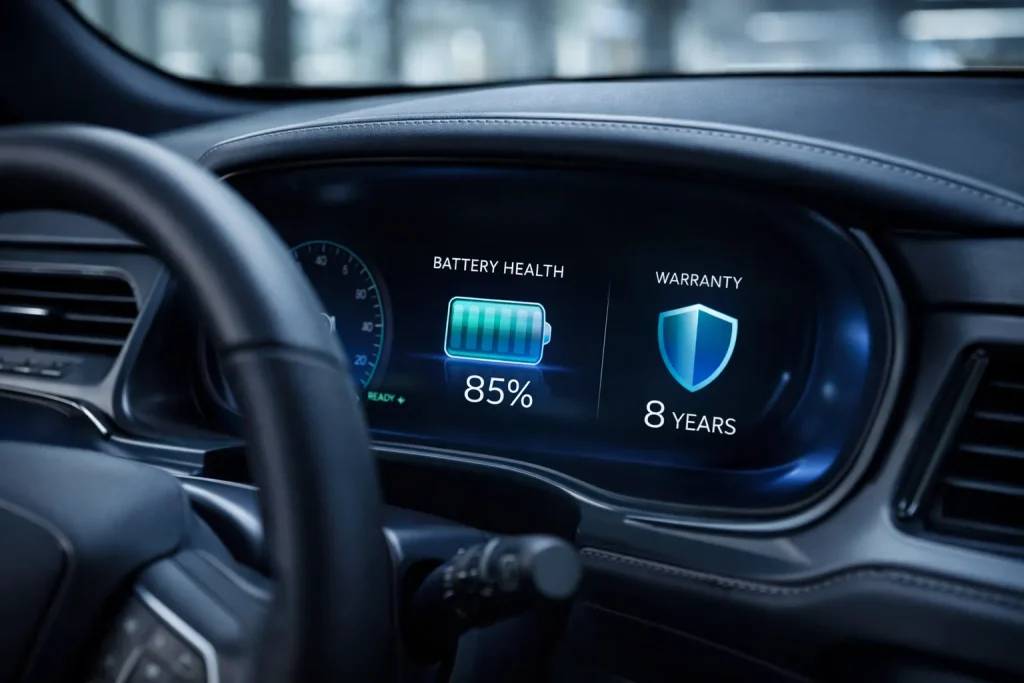
Federal regulations require EV manufacturers to provide a minimum of 8 years or 100,000 miles of battery coverage. Most brands meet or exceed this standard. The warranty typically guarantees that the battery will retain at least 70 percent of its original capacity during the coverage period. If capacity falls below that threshold, the manufacturer must repair or replace the pack or defective modules.
Some brands extend coverage to 10 years or 150,000 miles, particularly on premium or long-range models. These warranties generally cover:
- Excessive capacity loss
- Internal cell failure
- Thermal management system defects
- High-voltage isolation faults
They do not usually cover gradual capacity loss above the 70 percent threshold, nor damage caused by accidents, improper charging equipment, or flooding.
Real-world battery degradation trends

Modern EV batteries degrade far more slowly than early generations. Large fleet data in the U.S. shows that most liquid-cooled packs lose only 1 to 2 percent of capacity per year after an initial stabilization phase. In moderate climates with regular Level 2 home charging, many vehicles still retain 85 to 90 percent of original range after eight years.
Degradation is influenced by:
- Frequent DC fast charging
- High average state of charge
- Extreme heat or cold
- Aggressive driving cycles
Proper charging habits and temperature management significantly extend usable battery life.
Brand-by-brand warranty comparison
Tesla
Warranty: 8 years or 100,000–150,000 miles depending on model
Capacity guarantee: 70 percent
Real-world retention: Often above 85 percent after 150,000 miles
Strengths: Advanced thermal management, strong software control
Considerations: Large pack replacement is costly, but failure rates are low
Hyundai and Kia
Warranty: 10 years or 100,000 miles (in many U.S. markets)
Capacity guarantee: 70 percent
Strengths: Conservative charging curves, strong cooling systems
Real-world data shows excellent long-term retention, especially in the Kona Electric, Ioniq 5, and EV6.
General Motors
Warranty: 8 years or 100,000 miles
Platform: Ultium modular battery system
Strengths: Modular design allows partial pack repair
Considerations: Long-term data is still emerging, but early results are promising.
Ford
Warranty: 8 years or 100,000 miles
Models: Mustang Mach-E, F-150 Lightning
Strengths: Active liquid cooling and strong structural protection
Cold-weather performance affects usable range but not long-term durability.
Nissan
Warranty: 8 years or 100,000 miles
Older air-cooled Leafs showed faster degradation in hot climates. Newer versions perform better, but used buyers should check battery health carefully.
Mid-article links to neighboring satellites
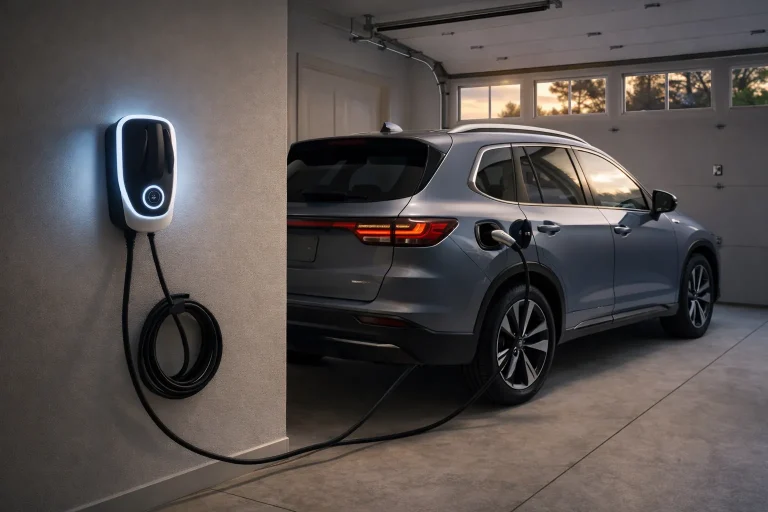
Charging behavior has a direct impact on long-term battery health. Proper home charging equipment, power levels, and thermal control are explained in Best home ev chargers in 2025 (level 2) – reviews & installation guide, which shows how moderate overnight charging reduces heat stress and slows degradation.
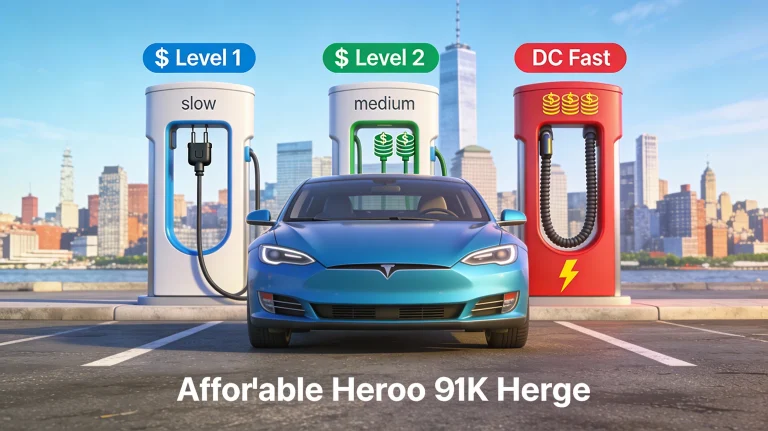
Public fast charging also plays a role, especially for drivers who rely on it daily. Network power levels, session length, and pricing structures are analyzed in Best public charging apps & membership plans compared, which explains how different charging environments influence battery temperature and long-term capacity retention.
Replacement cost in 2025

Out-of-warranty battery replacement remains the largest potential expense in EV ownership, though full pack replacement is rare within the first decade.
Typical U.S. replacement cost ranges:
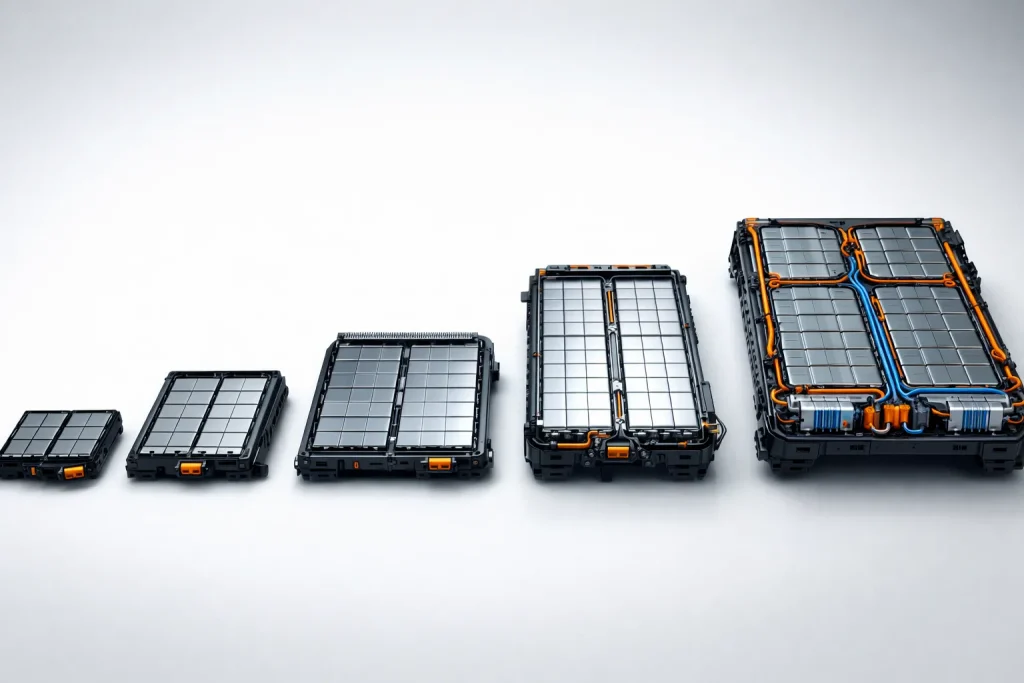
- Small EV packs (40–60 kWh): $6,000 to $10,000
- Mid-size packs (60–90 kWh): $10,000 to $16,000
- Large SUV and truck packs (100+ kWh): $15,000 to $25,000
However, many repairs involve only individual modules rather than the entire pack, reducing cost substantially. The growth of refurbished packs and independent high-voltage service centers is also beginning to lower long-term replacement expenses.
Used ev market implications
For used-vehicle buyers, battery warranty coverage is a key value driver. Vehicles still within their 8- or 10-year warranty period carry significantly lower financial risk. A battery health report, when available, provides additional reassurance and can influence resale price by several thousand dollars.
Models with strong thermal management and proven degradation performance retain value better, particularly in hot-climate states.
Conclusion
In 2025, EV battery technology has reached a level of maturity that supports long service life and predictable degradation. Most major manufacturers offer robust 8- to 10-year warranties, and real-world data shows that modern packs typically retain well over 80 percent of capacity throughout the coverage period.
When viewed within the broader context of Electric Vehicles (EV) Reviews & Trends: The 2025 Guide for U.S. Drivers, battery warranty and replacement cost are no longer barriers to mainstream adoption but factors that can be managed through informed charging habits, proper thermal control, and careful model selection. With extended warranties, improving service infrastructure, and declining module prices, long-term battery ownership in the U.S. has become increasingly secure and economically predictable.