
financing options for used vehicles: loans, rates and approval tips
Financing a used vehicle involves more than accepting the dealer’s first offer. Interest rates, loan terms, and lender requirements vary dramatically based on your credit score, the vehicle’s age, and where you apply. Smart buyers shop for financing separately, securing pre-approval before negotiating the purchase price—a critical financial strategy emphasized in our essential used car buying guide for smart shoppers that protects you from predatory lending practices.
I made the mistake once of walking into a dealership without pre-approval and ended up with a 9.5 percent interest rate because I didn’t know better. That loan cost me an extra 2,800 dollars over four years compared to what my credit union would have offered at 5.2 percent. Never again.
understanding used car loan basics
Used car loans typically carry higher interest rates than new car financing because lenders view older vehicles as riskier collateral. The car could break down or depreciate faster than you pay down the loan, leaving the lender with insufficient collateral if you default.
Loan terms for used cars usually max out at 60 to 72 months though some lenders stretch to 84 months for newer used vehicles. Longer terms mean lower monthly payments but you’ll pay significantly more interest over the loan’s life.
Your credit score determines your interest rate more than any other factor. Borrowers with scores above 720 might qualify for rates around 4 to 6 percent. Scores between 620 and 680 typically see rates from 8 to 12 percent. Below 620 and you’re looking at 15 percent or higher if you qualify at all.
The vehicle’s age also affects rates and terms. Most lenders offer better rates on cars less than five years old. Vehicles older than 10 years might not qualify for traditional auto loans at all, forcing you into personal loans with even higher rates.
banks vs credit unions vs dealer financing
Credit unions consistently offer the lowest rates for used car loans. They’re member-owned non-profits that return profits to members through better rates and lower fees. My credit union regularly beats bank rates by one to two percentage points.
Traditional banks come next in terms of rates. They have more overhead than credit unions but still offer competitive financing for borrowers with good credit. Banks also tend to approve loans faster than credit unions in my experience.
Dealer financing is convenient but rarely the best deal. Dealers mark up the rates they receive from lenders and pocket the difference. A lender might approve you at 6 percent but the dealer quotes 7.5 percent and keeps the extra 1.5 percent as profit.
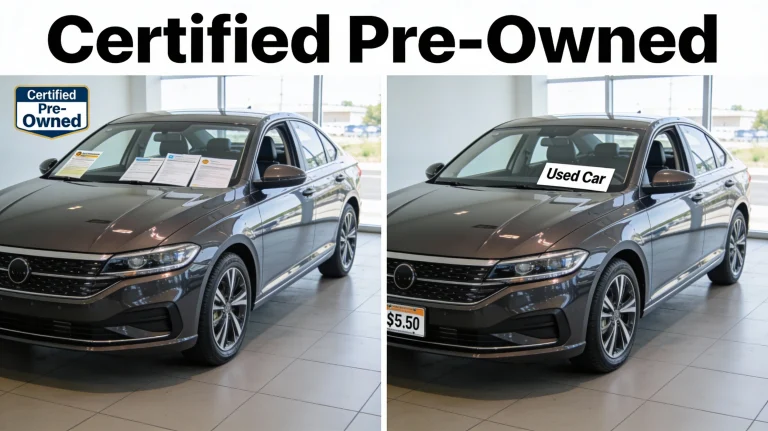
However, dealers occasionally run manufacturer-subsidized promotions with rates as low as 2.9 to 3.9 percent on certified pre-owned vehicles. These special offers can beat credit union rates but they’re limited to specific models and usually require excellent credit.
getting pre-approved before shopping
Pre-approval gives you negotiating power and prevents dealers from manipulating you with confusing finance terms. Apply to at least three lenders before visiting dealerships. Credit unions, your personal bank, and online lenders like Capital One or LightStream are good starting points.
The pre-approval process requires proof of income, employment verification, and permission to check your credit. Most lenders provide decisions within 24 to 48 hours. They’ll tell you the maximum loan amount, interest rate, and loan term you qualify for.
Multiple auto loan applications within a 14 to 45 day window count as a single credit inquiry for scoring purposes. Don’t worry about shopping around damaging your credit as long as you complete applications within this timeframe.
I always get pre-approved from my credit union first because I know they’ll give me their best rate. Then I use that as my benchmark when dealers try to sell me on their financing.
how credit scores impact your rate
Credit scores between 750 and 850 typically qualify for the best rates, often under 5 percent for used cars less than five years old. You’re considered a prime borrower and lenders compete for your business.
Scores from 700 to 749 still get good rates usually between 5 and 7 percent. You won’t get the absolute best offers but you’ll access reasonable financing without major hurdles.
The 620 to 699 range is where rates start climbing quickly. Expect 8 to 12 percent depending on other factors like income, down payment, and vehicle age. Some lenders might require larger down payments or shorter loan terms.
Below 620 puts you in subprime territory. Rates can reach 15 to 20 percent or higher. Some lenders specialize in subprime auto loans but their terms are often predatory. Consider improving your credit before buying if possible.
I helped a friend raise her credit score from 640 to 710 over six months by paying down credit cards and disputing errors on her report. That 70 point increase saved her about 3,500 dollars in interest on a 18,000 dollar car loan.
down payment strategies
Larger down payments reduce the amount you need to finance which lowers monthly payments and total interest paid. They also reduce the lender’s risk which can help you qualify for better rates or get approved when your credit is borderline.
Most lenders want at least 10 percent down on used car loans though 20 percent is better. Some subprime lenders require 20 to 30 percent down to offset the higher default risk.
Never drain your emergency fund for a down payment. Aim to put down 10 to 20 percent while keeping three to six months of expenses in savings. Cars break down and you need reserves for unexpected repairs.
Trade-ins can serve as down payments if you own a vehicle outright. Just make sure you’re getting fair market value for your trade. Dealers often lowball trade values to increase their profit even when they’re giving you good financing terms.
loan term length decisions
Shorter loan terms mean higher monthly payments but significantly less interest paid over the loan’s life. A 36-month loan might have payments 200 dollars higher than a 60-month loan but you’ll save 1,500 to 2,000 in interest.
Longer terms reduce monthly payments but extend the period where you owe more than the car is worth. This creates negative equity that traps you if you need to sell or trade the vehicle before the loan ends.
I generally recommend 48-month terms as a balance between manageable payments and reasonable interest costs. Only stretch to 60 or 72 months if you absolutely need lower payments to fit your budget.
Never finance a used car for longer than you plan to keep it. If you trade cars every three years, a 72-month loan leaves you perpetually underwater owing more than the vehicle’s value.
avoiding common financing traps
Dealers use the four-square method to confuse buyers by juggling the vehicle price, trade-in value, down payment, and monthly payment simultaneously. This lets them move numbers around to hide where they’re making profit.
Counter this by negotiating the vehicle price first without discussing financing or trade-ins. Once you’ve agreed on price, then address your trade-in value separately. Finally, discuss financing last and only if their rate beats your pre-approval.
Watch for add-ons like extended warranties, gap insurance, paint protection, and fabric protection pushed during the finance office meeting. These products carry huge profit margins and get rolled into your loan amount where you pay interest on them for years.
Gap insurance is actually useful if you’re financing 90 percent or more of the vehicle’s value. It covers the difference between what you owe and the car’s value if it’s totaled. But buy gap insurance from your auto insurance company rather than the dealer because it’s much cheaper.
special financing situations
First-time buyers with limited credit history face challenges getting approved or qualifying for decent rates. Some credit unions offer first-time buyer programs with higher approval rates and reasonable terms if you meet income requirements.
Self-employed borrowers need extra documentation including tax returns and bank statements to verify income. Traditional lenders often require two years of tax returns. Be prepared for extra scrutiny and possibly lower approval amounts.
Buyers with past bankruptcies or repossessions can still get financed but expect subprime rates and terms. Wait at least two years after bankruptcy discharge to improve your chances of approval and better rates.
Military members should check with Navy Federal, USAA, or Pentagon Federal Credit Union for special military member rates and benefits. These institutions often provide better terms than civilian lenders.
refinancing existing loans
If you’re stuck with a high-rate loan, refinancing after 12 months can save significant money. Your credit score might have improved or market rates might have dropped since your original loan.
Refinancing makes sense when you can reduce your rate by at least 2 percentage points. Calculate the interest savings against any refinancing fees to ensure you come out ahead.
I refinanced a 8.9 percent loan down to 5.4 percent after 18 months by improving my credit score and shopping around. The new lender paid off my old loan and I saved about 1,400 dollars over the remaining term.
Most lenders won’t refinance vehicles older than 10 years or with over 100,000 miles. Act before your vehicle ages out of refinancing eligibility if you’re considering this option.
online lenders vs traditional options
Online lenders like LightStream, Capital One Auto Navigator, and Carvana offer quick approvals and competitive rates without visiting branches. The entire process happens digitally from application to funding.
These lenders sometimes approve borrowers that traditional banks reject and they’ll fund loans for older vehicles. However, you lose the personal relationship and local service that credit unions and community banks provide.
I’ve used both online and traditional lenders successfully. Online lenders work great when you know exactly what you want and have straightforward finances. Credit unions are better when you need guidance or have complex situations.
Read reviews carefully before choosing an online lender. Some have excellent reputations while others have poor customer service or hidden fees.
final thoughts on financing strategy
Shop for financing before shopping for vehicles. Knowing your budget and approval amount prevents you from falling in love with cars you can’t afford. Pre-approval also speeds up the buying process significantly.
Never let monthly payment be your primary focus. Dealers can manipulate payments by extending loan terms while charging you more interest overall. Focus on the total amount financed and the interest rate instead.
Read every document carefully before signing. Finance managers rush you through paperwork hoping you won’t notice add-ons or terms you didn’t agree to. Take your time and ask questions about anything unclear.
Remember that you can always decline dealer financing even after they run your credit. If their rate doesn’t beat your pre-approval, thank them and use your own financing instead. Once you’ve secured favorable financing terms, researching the best used cars under $15k for reliability helps you find vehicles that fit your budget while minimizing long-term ownership costs.