negotiating the best used car price: proven strategies
Most buyers leave money on the table because they don’t know how to negotiate effectively. The used car market thrives on information asymmetry, and sellers expect you to pay their asking price without question. Armed with market research, inspection findings, and strategic timing, you can confidently negotiate a fair deal that respects your budget while following the principles outlined in our essential used car buying guide for smart shoppers.
I’ve negotiated probably 50 used car deals over the years for myself, family, and friends. The average savings compared to asking prices runs around 12 to 15 percent. One time I got a dealer down 3,200 dollars on a used Ford F-150 just by staying patient and knowing when to walk away.
do your homework before making contact
Research begins weeks before you contact any seller. Use websites like Kelley Blue Book, Edmunds, and NADA Guides to understand fair market value for your target vehicle. Input the exact year, trim level, mileage, and condition to get accurate estimates.
Check local listings on Facebook Marketplace, Craigslist, and AutoTrader to see what similar vehicles actually sell for in your area. Asking prices mean nothing compared to completed sale prices. Some sellers list cars 20 percent above market hoping someone bites.
Look at the same model with various mileage ranges. A car with 85,000 miles shouldn’t cost much more than one with 95,000 miles, but sellers sometimes price them identically. These gaps give you negotiating ammunition.
Save screenshots of comparable vehicles priced lower than your target car. I keep a folder on my phone with at least five similar listings. When sellers insist their price is firm, I show them three cheaper alternatives and watch their confidence crumble.
understanding dealer vs private party dynamics
Dealerships have more room to negotiate than most people realize. Their acquisition costs are lower than they claim and they build profit margins into every price. A car listed at 15,000 dollars might have cost the dealer 11,500 at auction plus reconditioning costs.
However, dealers have overhead costs that private sellers don’t. They need to cover lot rent, employee salaries, and advertising. Don’t expect to negotiate a dealer down to wholesale prices unless the car has been sitting unsold for months.
Private sellers typically price closer to actual value but have less wiggle room. They’re trying to get fair market price for their vehicle without dealer markup. That said, private sellers are often more motivated than dealers, especially if they already bought a replacement vehicle.
Private party negotiations feel more personal because you’re dealing with the actual owner. Some people take lowball offers as insults. Dealers treat it as business. Adjust your approach accordingly.
the power of pre-approval and cash offers
Get financing pre-approved before you start shopping. Banks and credit unions often offer better rates than dealer financing. Having pre-approval also lets you negotiate the vehicle price separately from financing terms.
When you tell a seller you have cash or pre-approved financing, you become a serious buyer rather than someone window shopping. Cash doesn’t mean carrying literal cash. It means you can complete the purchase immediately without financing contingencies.
Some private sellers prefer cash because they want a clean simple transaction. Dealers might actually prefer financing because they make money on loan kickbacks. Know your audience and play to their preferences.
I always mention my pre-approval in the first conversation. It establishes credibility and moves discussions toward actual numbers rather than hypotheticals. Sellers waste less of your time when they know you’re ready to buy.
timing your purchase for maximum leverage
End of month is when dealers face sales quotas and become more flexible. Salespeople who haven’t hit their numbers will negotiate harder to close deals before the month ends. I’ve saved an extra 500 dollars just by waiting three days until the 29th.
Winter months see slower used car sales in cold climates. Convertibles and sports cars sit longer when snow covers the ground. Buy these vehicles off-season and sellers will discount to avoid carrying inventory through slow months.
Holiday weekends like Memorial Day or Labor Day trigger dealer sales events. While advertised prices might not be spectacular, dealers expect higher traffic and authorize managers to approve deeper discounts to capitalize on foot traffic.
Private sellers become more motivated after their listing sits for several weeks. Check how long ago they posted the ad. If it’s been 30 days with no sale, they’re probably frustrated and ready to negotiate. Fresh listings rarely see significant price drops.
making your initial offer
Never offer asking price even if you think it’s fair. Start at 15 to 20 percent below asking for private sellers and 20 to 25 percent below for dealers. This gives room for back-and-forth negotiation while anchoring the discussion at a lower price point.
Base your offer on comparable sales data rather than arbitrary percentages. When a seller asks why you’re offering so little, pull out your research showing similar vehicles selling for less. Data-driven offers are harder to dismiss than lowballs with no justification.
I once offered 8,500 for a Honda Civic listed at 11,000. The seller laughed until I showed him three similar Civics that sold for 8,800 to 9,200 in the past two weeks. He accepted 9,100 after realizing his price was out of line.
Make your initial offer confidently without apologizing. Phrases like “I know this is low but” or “sorry to lowball you” undermine your position. State your offer as a fair market price based on your research.
leveraging inspection findings
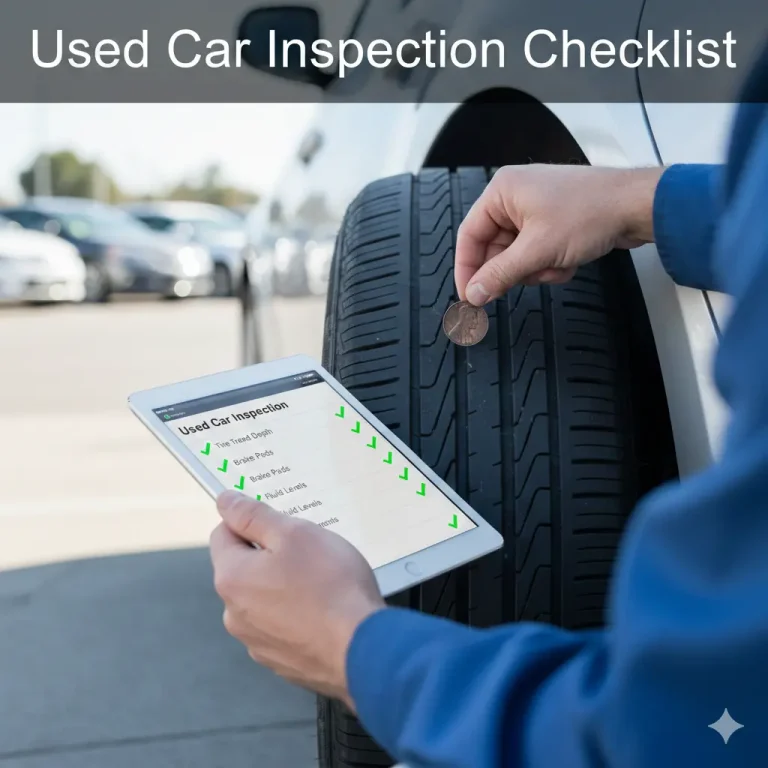
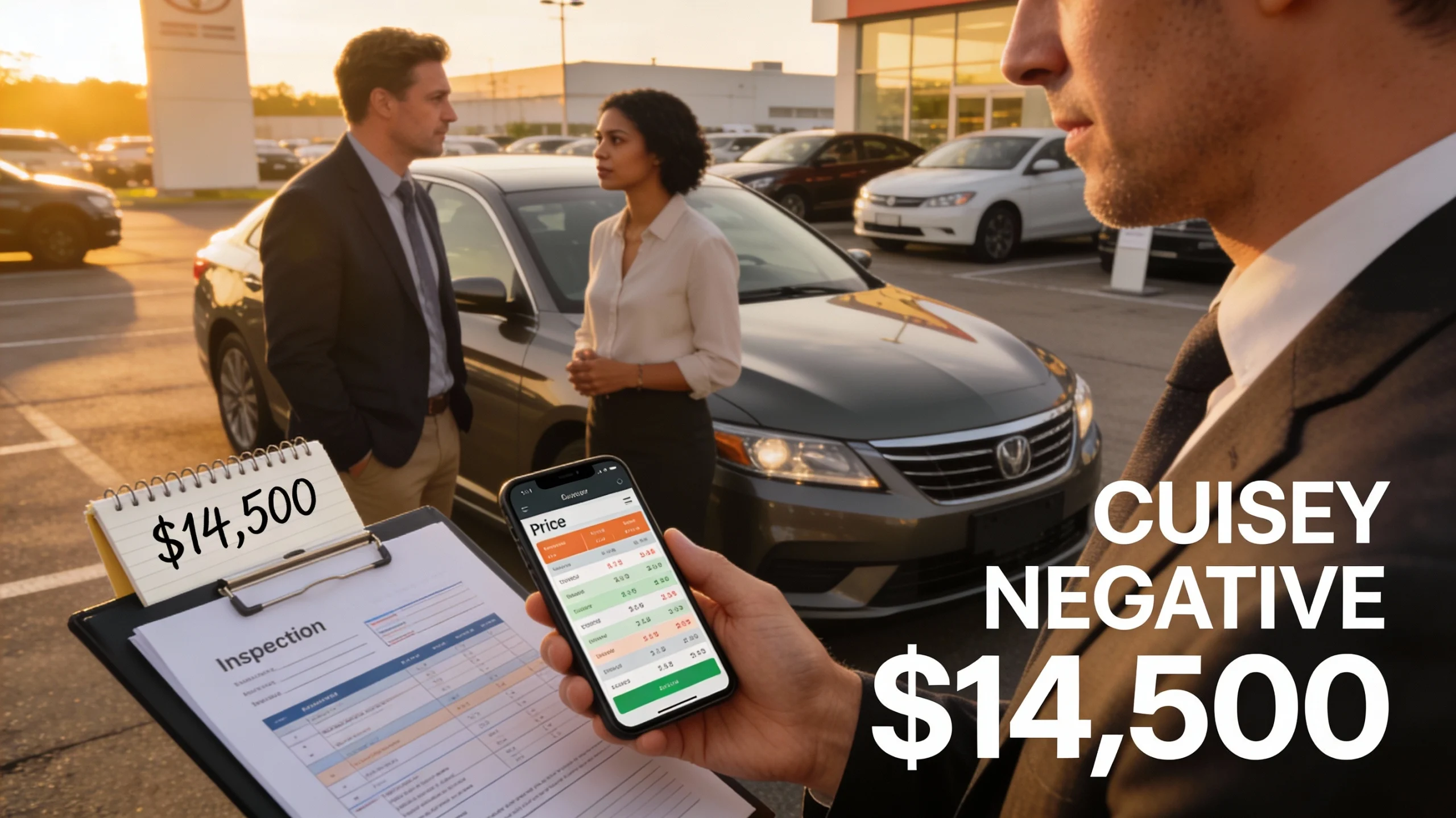
Every flaw you discover during inspection becomes a negotiating chip. Worn tires cost 600 to 800 dollars to replace. Brake jobs run 300 to 500 per axle. Small dents and scratches add up to hundreds in repair costs.
Document everything with photos during your inspection. When you sit down to negotiate, pull out your phone and review each issue. Calculate total repair costs and subtract them from your offer price.
Sellers often dismiss minor issues as normal wear but normal wear still costs money to fix. A car with four bald tires isn’t worth the same as one with new tires regardless of what the seller claims.
Major problems like engine issues or transmission trouble give you massive leverage. I walked away from a Subaru with head gasket problems after getting repair quotes around 2,500 dollars. The seller called me back two days later accepting my offer that was 2,000 below asking price.
handling counteroffers and standing firm
Expect sellers to counter your initial offer. They’re testing your commitment and trying to meet somewhere in the middle. Don’t immediately accept their counteroffer even if it seems reasonable. Counter their counter to show you’re serious about getting the best price.
Each round of negotiation should move in smaller increments. If you started at 8,000 and they countered at 10,500 on a car listed for 11,000, your next offer might be 8,800. They’ll likely come down to 9,800 or 9,500.
Know your walk-away price before negotiations begin. This is the maximum you’ll pay based on your research and budget. When sellers won’t come down to your number, be prepared to leave. Sometimes walking away brings them around.
I’ve left probably a dozen negotiations where we couldn’t agree on price. About half of those sellers called or texted within 48 hours accepting my last offer. The other half sold to someone else, which means the car wasn’t meant for me.
using silence as a negotiating tool
After making an offer, stop talking. Let the silence hang in the air until the seller responds. People get uncomfortable with silence and often fill it by talking themselves into accepting your offer or revealing their true bottom line.
When a seller counters, pause before responding. Count to five in your head. This makes them wonder if they came down enough and sometimes they’ll drop their price again without you saying anything.
I learned this technique from a friend who bought and sold cars as a side business. He would make an offer then literally sit there staring at the seller without speaking. It worked more often than it should have.
Phone negotiations are harder because silence feels more awkward. In-person meetings give you better control over pacing and nonverbal communication.
closing the deal without Last-minute surprises
Once you agree on a price, get it in writing immediately. Dealers should provide a written offer sheet. Private sellers need a simple bill of sale stating the agreed price and terms.
Watch for dealers adding fees after you’ve negotiated the car price. Documentation fees, dealer prep fees, and market adjustments are often negotiable or removable. Ask for an out-the-door price that includes everything except taxes and registration.
Private sellers sometimes get cold feet between agreeing on price and completing paperwork. Lock in the deal quickly by offering to meet the same day or next day with cash or certified funds.
Never agree to price increases after shaking hands. Some shady sellers try to renegotiate when you return to complete the purchase. That’s bad faith dealing and you should walk away immediately.
final thoughts on negotiation strategy
Successful negotiation combines research, patience, and willingness to walk away. The person who needs the deal less has all the power. Make sellers believe you have other options even if this is your dream car.
Treat negotiations as business transactions rather than personal conflicts. Getting emotional or aggressive rarely produces better results. Stay calm, present facts, and remain pleasant even when discussions get tense.
Practice your negotiation skills on vehicles you don’t actually want to buy. This removes emotional pressure and helps you develop confidence for when you find the right car.
Remember that not every deal is meant to happen. Sometimes sellers are unrealistic about value or the vehicle has hidden problems. Better to walk away and keep searching than overpay for a car that causes regrets. Once you’ve secured a fair price, understanding the differences between certified pre-owned and regular used vehicles helps you evaluate whether premium options justify their higher costs.