
understanding vehicle history reports: carfax and autoCheck
A vehicle history report is your window into a car’s past, revealing accidents, ownership changes, and maintenance records that sellers might not disclose. Both Carfax and AutoCheck provide critical data, but understanding how to interpret these reports separates savvy buyers from those who end up with lemons. Learning to read between the lines of these documents is a fundamental step in any comprehensive used car buying guide.
I learned this lesson the hard way years ago when I bought a Nissan Altima without checking its history. Three months later the transmission failed and I discovered it had been in two accidents and had recurring mechanical complaints from previous owners. A 40 dollar report would have saved me thousands in repairs and headaches.
carfax vs autocheck: which one should you use
Carfax is the household name that most people recognize but AutoCheck often provides different information from the same vehicle. They pull data from different sources and use different algorithms to calculate risk scores. I always run both reports when I’m serious about a purchase because each service occasionally catches details the other misses.
Carfax tends to have more detailed service records from dealerships and repair shops. Their database includes over 100,000 data sources including state DMVs, insurance companies, and service facilities. AutoCheck, owned by Experian, excels at auction data and often shows more accurate title information.The cost difference is minimal. A single Carfax report runs about 40 dollars while AutoCheck charges similar prices. Both offer discounted packages if you’re shopping multiple vehicles. Some dealerships provide free Carfax reports but I still recommend running an independent AutoCheck for comparison.
decoding the vehicle history report sections
The top section shows basic vehicle information including VIN, make, model, year, and engine type. Verify these details match the actual vehicle you’re inspecting. I’ve seen cases where sellers accidentally or intentionally provide reports for different vehicles.
The ownership history section tells you how many people have owned the car and in what states. Multiple owners in a short time period raises questions. Why did people keep selling it? Vehicles that stayed in one state their entire life generally have less wear than cars that moved from Florida to Michigan to Texas.
Pay close attention to the title information section. A clean title is what you want to see. Salvage, rebuilt, or branded titles indicate serious past damage. Some sellers try to hide this but the report will show it clearly. Flood damage titles are especially concerning because water ruins electronics and creates rust problems that appear years later.
reading between the lines on accident reports
The accident section shows reported collisions but here’s what most buyers don’t understand. Not all accidents get reported to these databases. Minor fender benders that owners paid for out of pocket never show up. Insurance companies and police reports feed most accident data to Carfax and AutoCheck.
Look at the severity ratings. Minor accidents with airbag deployment noted are contradictions that suggest underreporting. Airbags don’t deploy in truly minor collisions. Moderate or severe accidents should make you very cautious even if the title remains clean.
Check the dates of accidents against the ownership changes. If someone sold the car immediately after an accident, they probably didn’t want to deal with recurring problems. I walked away from a Toyota Camry that had three owners in two years, each selling within months of reported accidents.
Frame damage or structural damage keywords are deal killers for most buyers. These vehicles never drive quite right again no matter how well they’re repaired. The resale value tanks and insurance companies often total cars with frame damage.
service and maintenance records
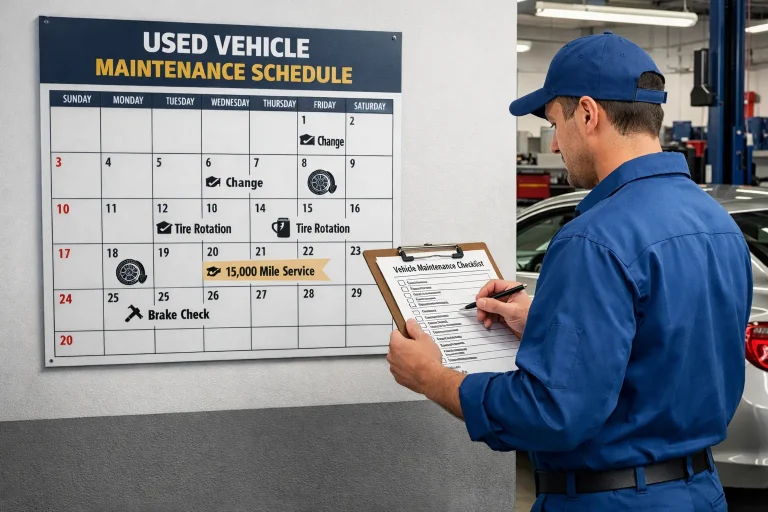
Regular service records indicate an owner who cared about the vehicle. Look for oil changes at appropriate intervals, typically every 3,000 to 7,500 miles depending on the vehicle and oil type. Big gaps between service records suggest neglect.
Major repairs show up here too. Multiple transmission services or engine repairs indicate persistent problems. One timing belt replacement at 100,000 miles is normal maintenance. Three transmission rebuilds before 80,000 miles screams run away.
Some reports show which facilities performed the work. Dealership records are most reliable because they’re directly connected to manufacturer databases. Independent shop records appear less frequently unless the shop reports to Carfax or AutoCheck.
odometer readings and rollback detection
The odometer history section tracks mileage readings over time. These should always increase in a logical pattern. Any decrease or reading that seems inconsistent with the timeline suggests tampering.
I once reviewed a report showing 95,000 miles at an inspection in January, then 87,000 miles at a service appointment in March of the same year. That’s clear evidence of odometer fraud. The seller claimed it was a reporting error but I didn’t stick around to find out.
Modern digital odometers are harder to roll back than old mechanical ones but it still happens. Inconsistent wear on the interior compared to reported mileage also hints at problems. A car with 50,000 miles shouldn’t have a steering wheel worn smooth or seats with significant bolster damage.
title brands and what they mean
Clean titles are self-explanatory but the various branded titles confuse many buyers. Salvage titles mean insurance companies declared the vehicle a total loss. Rebuilt titles indicate someone repaired a salvaged vehicle and passed state inspection to make it roadworthy again.
Lemon law buybacks happen when manufacturers repurchase vehicles with recurring unfixable problems. These titles vary by state but always appear on history reports. Some people buy lemon vehicles thinking they got a deal but those same problems often return.
Flood damage and hail damage brands are increasingly common after major weather events. Water ruins everything it touches in a vehicle. Hail damage is cosmetic but severe cases affect structural integrity.
red flags that should and your interest
More than two owners in the first three years suggests problems. Rental or fleet vehicle history means hard driving and minimal maintenance. Commercial use like taxi or delivery service puts extreme wear on vehicles.
Grey market imports or vehicles with Canadian history need extra scrutiny. Some have odometer readings in kilometers that get improperly converted. Others have different safety equipment that doesn’t meet US standards.
Missing information for extended periods raises questions too. If a car has no reported history for three years, where was it and what happened during that time? Was it sitting unused, being repaired extensively, or driven without insurance?
what history reports don’t show
These reports aren’t perfect. They only include information that gets reported to their databases. Private party accidents paid out of pocket never appear. Repairs at small independent shops often go unreported.
Mechanical problems that haven’t resulted in insurance claims or police reports stay hidden. The engine might burn oil or the transmission might slip occasionally but you won’t see that in the report.
Previous owners’ driving habits don’t show up either. Someone might have raced the car every weekend or towed loads beyond the vehicle’s capacity. That abuse causes problems but leaves no paper trail.
using reports to negotiate price
A clean report strengthens the seller’s position but even then you can negotiate based on market conditions. Reports showing accidents or multiple owners give you significant leverage. Calculate repair costs for any disclosed damage and subtract that from your offer.
Point out specific concerns from the report during negotiations. Sellers often price vehicles as if they have perfect history. When you present documented evidence of problems, reasonable sellers adjust their expectations.
Some issues like rental history or minor accidents might only warrant a 500 to 1000 dollar discount. Major accidents or title brands should result in thousands off the asking price or walking away entirely.
my final advice on vehicle history reports
Never buy a used car without running at least one history report. The cost is insignificant compared to potential repair bills from hidden damage. Run both Carfax and AutoCheck when possible because they complement each other.
Print the reports and bring them during your inspection. Cross-reference the information with what the seller tells you. Honest sellers appreciate informed buyers while dishonest ones get uncomfortable when confronted with facts.
Remember that a clean report doesn’t guarantee a perfect car. It just means nothing major got reported. You still need to perform a thorough physical inspection and test drive. After reviewing the vehicle’s documented past, learning how to negotiate the best price helps you leverage any concerns into a fair deal.